23 Brilliant Drought-Resistant Xeriscape Design Ideas to Transform Your Garden
When it comes to creating a garden that thrives with minimal water, xeriscaping stands out as a smart and enduring choice. Whether you’re dealing with arid conditions or simply want to cut back on your outdoor water use, drought-resistant landscaping offers beauty without the constant upkeep. In this listicle,we explore 23 brilliant xeriscape design ideas that will transform your garden into a resilient oasis. From clever plant selections to innovative hardscaping and eye-catching layouts, you’ll discover practical inspiration to cultivate a vibrant, water-wise haven that’s both eco-friendly and stunning. Get ready to rethink your garden’s potential with these creative,drought-defying solutions.
Incorporate native drought-tolerant plants to ensure low water use and easy maintenance
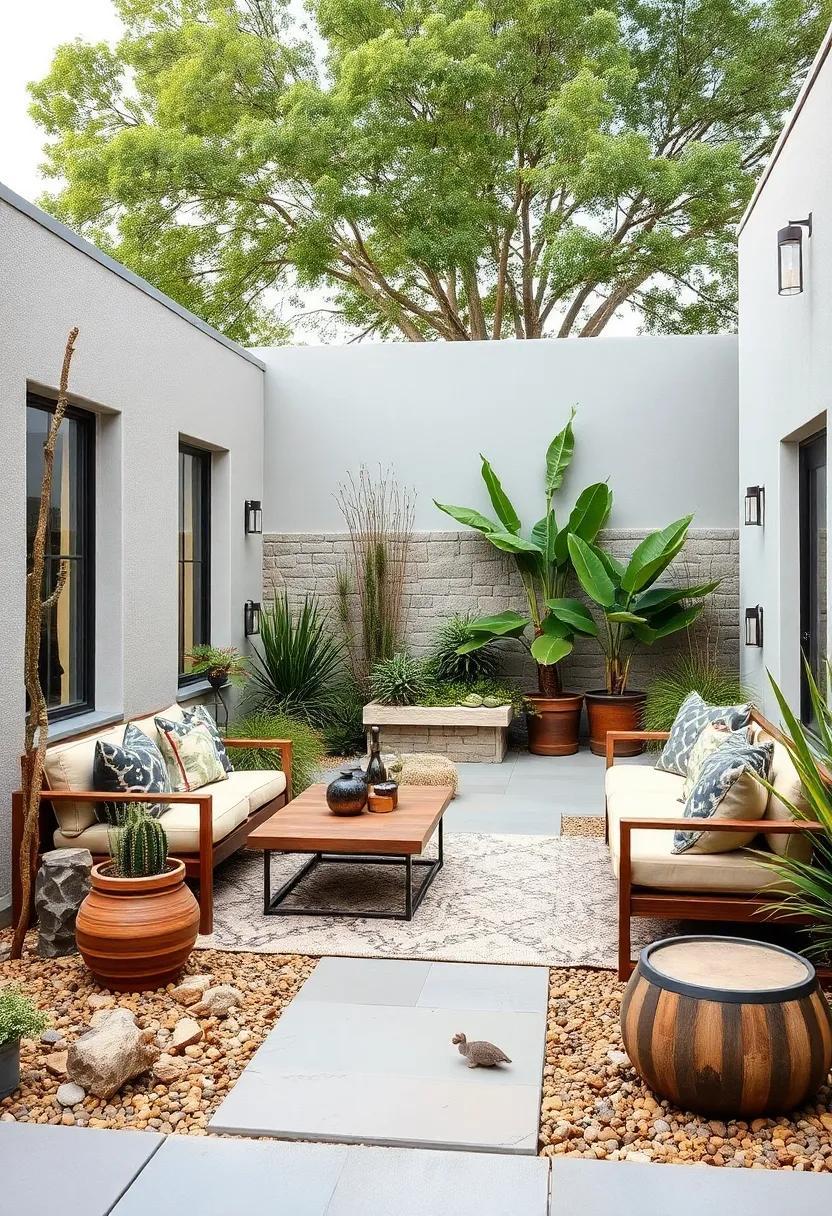
Drought-tolerant native plants offer a seamless way to embrace xeriscaping without sacrificing the beauty and biodiversity of your garden. These plants have evolved to thrive in your local climate, making them naturally resilient to dry spells and requiring minimal supplemental watering. By choosing natives, you not only reduce maintenance but also support local wildlife, including pollinators like bees and butterflies that depend on indigenous species for survival. Think of majestic California poppies, hardy sagebrush, or the delicate desert marigold — each offering unique textures and colors that flourish with minimal intervention.
When planning your drought-resistant landscape, consider mixing a variety of native plants to create layers of interest while maintaining water efficiency. Group plants according to their water needs to optimize irrigation and further reduce waste. Here’s a quick reference table highlighting some excellent native choices for xeriscaping:
| Plant | Water Needs | Growth habit | Appeal |
|---|---|---|---|
| California Poppy | Very Low | Annual | Radiant, Golden Flowers |
| Blue Grama Grass | Low | Perennial | Soft, Wispy Seed Heads |
| Desert Marigold | Low | Perennial | Vibrant Yellow Blooms |
| Sagebrush | Minimal | Shrub | Fragrant, Silvery Foliage |
Create gravel pathways that not only add texture but also reduce water evaporation
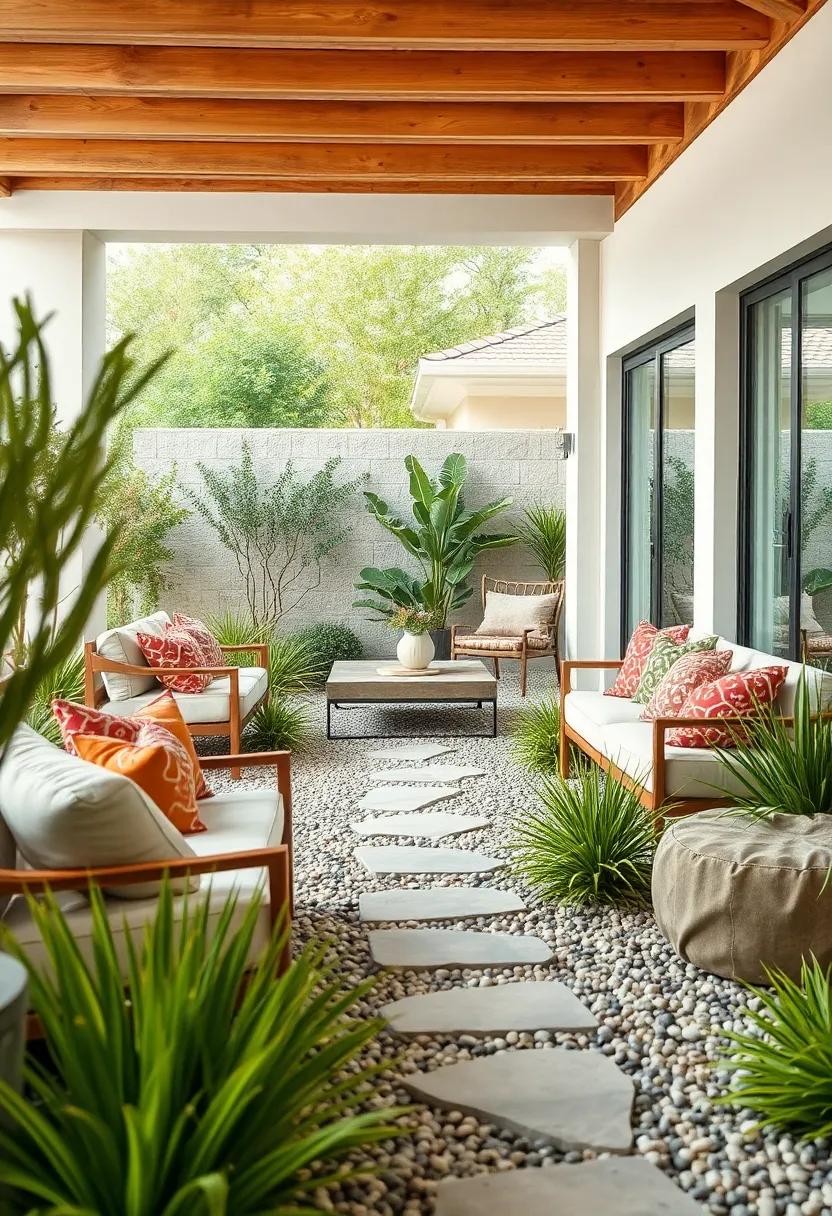
Opting for gravel as a pathway material does more than outline your garden’s flow—it introduces a visually appealing texture that contrasts beautifully with lush, drought-friendly plants. The jagged, natural shapes of gravel stones catch light differently throughout the day, adding a dynamic element to your outdoor space. Beyond aesthetics, gravel pathways play a practical role: they create a permeable surface that helps slow water evaporation from the soil below, maintaining moisture in your garden’s root zones longer than hard pavements would.
Consider mixing different sizes and colors of gravel to craft patterns that enhance your garden’s personality, while also incorporating stepping stones or pavers for functional resting points. Combining these materials creates a thoughtful balance between form and function.Here’s a quick look at the advantages gravel pathways offer:
| Benefit | Impact on Garden |
|---|---|
| Improved Moisture Retention | Reduces evaporation,preserving soil hydration |
| Soil Health | Allows water infiltration,preventing runoff |
| Low Maintenance | Durable and weed-resistant when properly installed |
| Texture & Visual Appeal | Adds an earthy,natural aesthetic to the landscape |
Use mulching techniques to retain soil moisture and suppress weed growth

Applying a rich layer of mulch around your drought-tolerant plants works wonders for maintaining consistent soil moisture. By creating a protective blanket, mulch dramatically reduces evaporation caused by harsh sun and dry winds. This simple step not only conserves precious water but also stabilizes soil temperatures, giving roots a cozy habitat to thrive even in scorching conditions. Whether you opt for organic materials like bark chips, straw, or shredded leaves, or inorganic options such as gravel and decomposed granite, mulching transforms your xeriscape into a resilient oasis that needs less frequent watering.
Beyond moisture retention, mulching plays a key role in keeping unruly weeds at bay, which compete for limited nutrients and water. By blocking sunlight from reaching weed seeds,mulch starves them before they can establish,saving you valuable time on weeding and reducing chemical intervention. For optimal results, use a 2-4 inch thick layer, ensuring it doesn’t touch plant stems to prevent disease. Below is a quick comparison of popular mulching options and their benefits for xeriscaping:
| Mulch Type | Water Retention | Weed Suppression | Additional Benefits |
|---|---|---|---|
| Bark Chips | High | Excellent | Improves soil structure |
| Straw | Moderate | Good | Lightweight and compostable |
| Gravel | low | Very Good | Durable and decorative |
| Compost | High | Moderate | Feeds soil microbes |
Design with succulents and cacti that thrive in dry conditions and add sculptural interest

Succulents and cacti offer a stunning way to sculpt your dry garden landscape with minimal fuss. Their fleshy leaves and striking forms provide bold architectural elements that stand out against sandy or rocky backdrops. From the rosette symmetry of echeverias to the towering spires of saguaro cacti, these plants bring diverse textures and shapes, enhancing visual interest all year round. Pairing different species based on size and color creates dynamic focal points—imagine the powdery blue hues of agave offset by the vivid green of jade plants and the spiny silhouettes of barrel cacti.
Beyond their aesthetic appeal, these drought-tolerant gems require little water and practically maintain themselves, making them ideal for sustainable gardens. By incorporating layers of gravel or decomposed granite mulch beneath these plants, you improve drainage and emphasize the sculptural qualities of each specimen. Here’s a quick reference table to help you select the perfect succulent or cactus for your climate zone and desired look:
| Plant | Visual Feature | Water Needs | Sunlight |
|---|---|---|---|
| Agave americana | Huge symmetrical rosettes with spiny edges | Very low | Full sun |
| Echeveria | rosette clusters in pastel shades | Low | Partial to full sun |
| Golden Barrel Cactus | Round, ribbed globe with yellow spines | Minimal | Full sun |
| Jade Plant (crassula) | Glossy, oval leaves with thick stems | Low | Bright indirect light |
| Ocotillo | Long, stick-like stems with red flowers | Minimal | Full sun |
Install a drip irrigation system to deliver water directly to plant roots efficiently
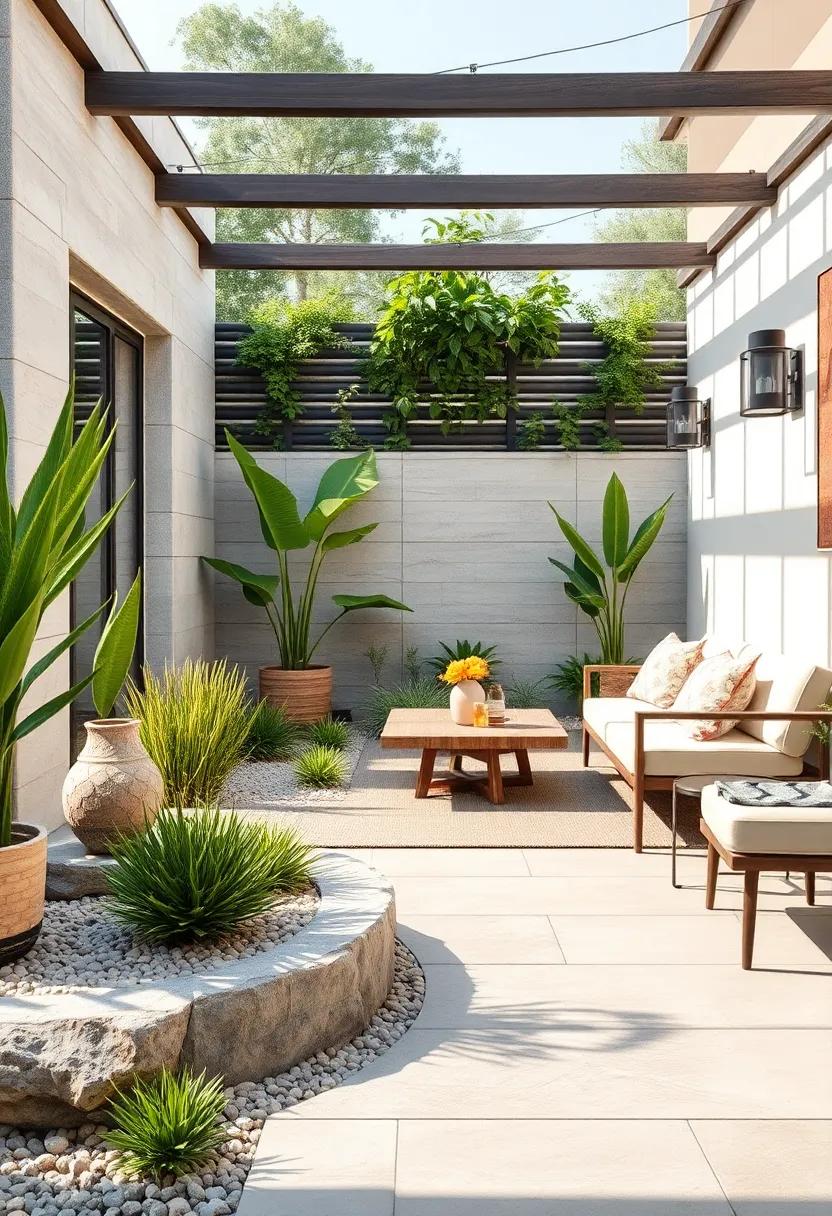
Maximize water savings with a precision delivery system that targets the very heart of your plants—their roots. By channeling moisture directly where it’s needed most, this method drastically reduces evaporation and runoff, making every drop count. An expertly installed drip irrigation setup not only nurtures deep root development but also promotes healthier, more resilient plants in your xeriscape garden. Integrate timers and moisture sensors for a smart system that adjusts watering schedules based on real-time conditions, ensuring your landscape thrives with minimal waste.
Implementing such a system offers versatility and scalability for gardens of all sizes. Whether you’re hydrating sprawling shrub beds or delicate succulents, the network of tubes and emitters can be tailored to fit unique garden layouts and water requirements. Below is a simple guide to common emitter types, helping you choose what best suits your watering needs:
| Emitter Type | Flow Rate | Best Use |
|---|---|---|
| Drip Emitter | 0.5-2 GPH | Individual plants and shrubs |
| Micro-Sprayer | 5-15 GPH | Ground covers and flower beds |
| Soaker Hose | Varies | rows of drought-tolerant plants |
Integrate ornamental grasses for movement, texture, and drought resistance

Ornamental grasses bring an effortless blend of movement and texture to any xeriscape garden, transforming static beds into lively landscapes that dance with the breeze. Their slender blades and feathery plumes sway gracefully, creating a dynamic focal point without demanding much water or maintenance. Varieties like Blue Fescue, Feather Reed Grass, and Purple Fountain Grass not only provide visual interest but also complement succulents and rock features with their contrasting forms and colors.
Beyond aesthetics, these grasses are champions of drought tolerance, thriving in poor soil and intense sun while requiring minimal irrigation.Their deep root systems promote soil stability and reduce erosion, acting as natural groundcovers that conserve moisture. Incorporate ornamental grasses in clumps or as fringes around pathways for a structured yet wild effect, or mix different heights and colors to add depth and intrigue. Consider this quick guide for popular drought-resistant grasses:
| Grass Type | Water Needs | Sun Exposure | Height |
|---|---|---|---|
| Blue Fescue | Low | Full Sun | 12-18 in |
| feather Reed Grass | low | Full Sun to Partial Shade | 3-5 ft |
| Purple Fountain grass | Low | Full Sun | 3-4 ft |
| Mexican Feather Grass | Very Low | Full Sun | 1-2 ft |
use decorative rocks and boulders to add structure while minimizing water needs

Incorporating decorative rocks and boulders into your xeriscape provides an instant sense of order and elegance without demanding a drop of water.These natural elements act as focal points, guiding the eye across your garden while creating subtle divisions between plant clusters. Unlike conventional hardscape materials, rocks require minimal maintenance and can withstand harsh drought conditions, making them a sustainable choice for water-wise landscapes. Pairing various sizes and textures—from smooth river stones to rugged boulders—adds depth and visual intrigue, complementing drought-tolerant plants like succulents, agaves, and native grasses.
Beyond aesthetics, rocks contribute to functional benefits such as soil retention and temperature regulation, essential for conserving moisture in arid environments. When strategically placed, they can form natural pathways or seating areas, enhancing usability without sacrificing water efficiency. To design with impact, consider groupings of different stones accompanied by low-water plants, creating a harmonious balance of structure and softness. Here’s a quick guide to help you select rocks based on size and application:
| Rock Type | Size | Ideal Use |
|---|---|---|
| Pea Gravel | Small | Mulching & pathway filler |
| Flagstone | Medium | Patios & stepping stones |
| Boulders | Large | focal points & seating |
Create raised garden beds with well-draining soil mixes to support drought-tolerant plants

Elevate your xeriscape with raised garden beds crafted to promote optimal drainage, a key factor in keeping drought-tolerant plants thriving. By building these beds with a well-draining soil mix comprising coarse sand,organic compost,and perlite,you create an environment where roots are neither waterlogged nor deprived of essential moisture. This balance ensures resilience during dry spells, while the elevated structure prevents soil compaction and encourages healthy root aeration. Position your beds to catch sunlight efficiently,further stimulating robust growth among succulents,Mediterranean herbs,and othre drought-adapted flora.
Incorporate the following components to design the perfect soil blend, maximizing water retention without sacrificing drainage:
| Component | Function | Proportion |
|---|---|---|
| Coarse Sand | Enhances drainage & prevents compaction | 40% |
| Organic Compost | Supplies nutrients & moisture retention | 30% |
| Perlite | Improves aeration & water flow | 30% |
- Incorporate mulch atop the soil to minimize evaporation and further conserve moisture.
- Consider drip irrigation systems beneath mulch to provide deep, efficient watering.
- Choose native drought-resilient plants that naturally thrive in these conditions, such as agave, lavender, and yucca.
Incorporate shade structures or pergolas to protect sensitive plants from harsh sun
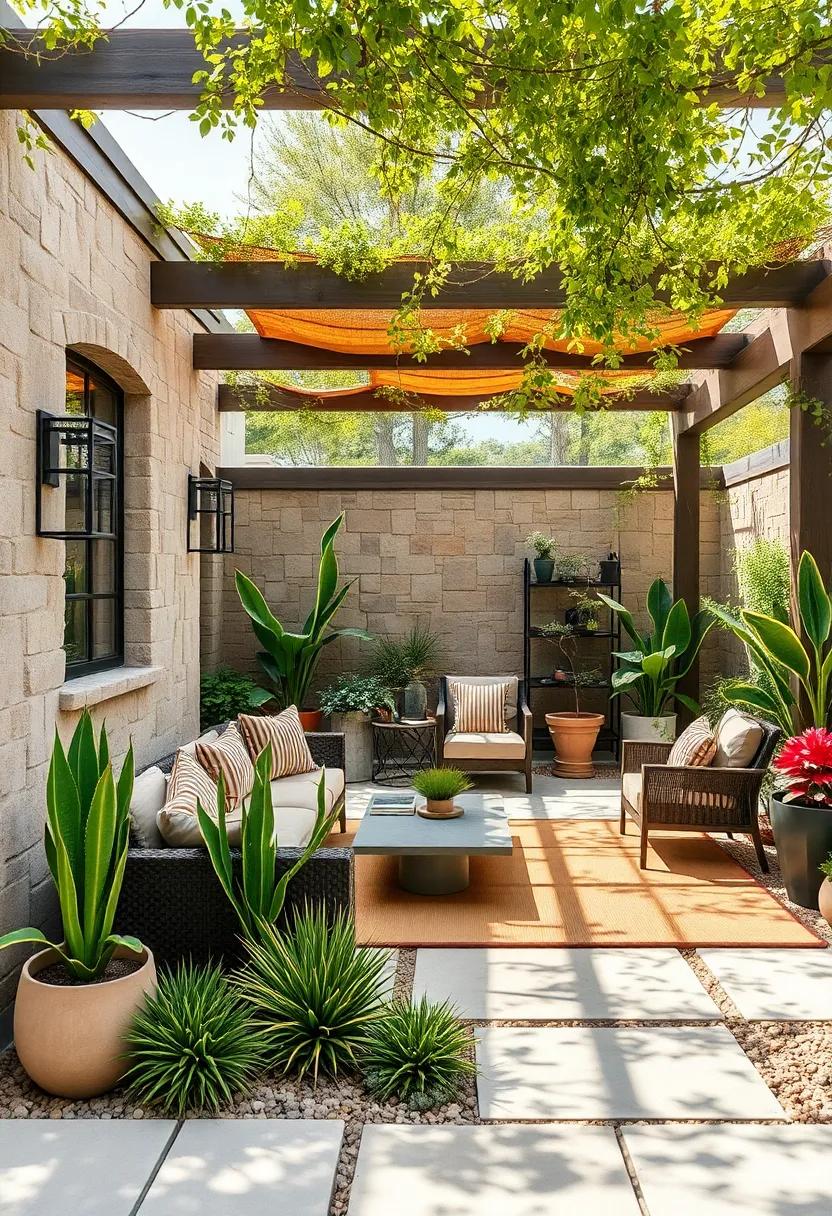
Creating a microclimate in your xeriscape by integrating shade structures or pergolas offers an elegant solution for plants that struggle under relentless sunlight. These architectural additions not only provide relief from direct sun exposure but also add vertical interest, transforming open, harsh garden spaces into inviting retreats. With a pergola draped in drought-tolerant vines like Hardenbergia or Bougainvillea, you introduce dappled shade that cools the soil and conserves moisture, drastically improving the survival chances of sun-sensitive species without compromising the gardenS arid charm.
Consider these benefits when choosing your shade solution:
- Temperature regulation: Filters sunlight to reduce heat stress on plants.
- Water conservation: Helps soil retain moisture longer, reducing irrigation needs.
- Aesthetic layering: Adds architectural depth and focal points to your landscape.
- Habitat creation: Offers shelter for beneficial insects and birds, promoting biodiversity.
| Shade Option | Ideal Use | Maintenance Level |
|---|---|---|
| Pergola with Vines | Support climbing drought-tolerant plants | Medium |
| Retractable Canopy | Seasonal shade for delicate succulents | Low |
| Shade Sail | Flexible coverage for garden beds | Low |
| Wooden Trellis | Partial shade for understory plants | Low |
Plant fragrant herbs like lavender and rosemary that thrive in dry climates
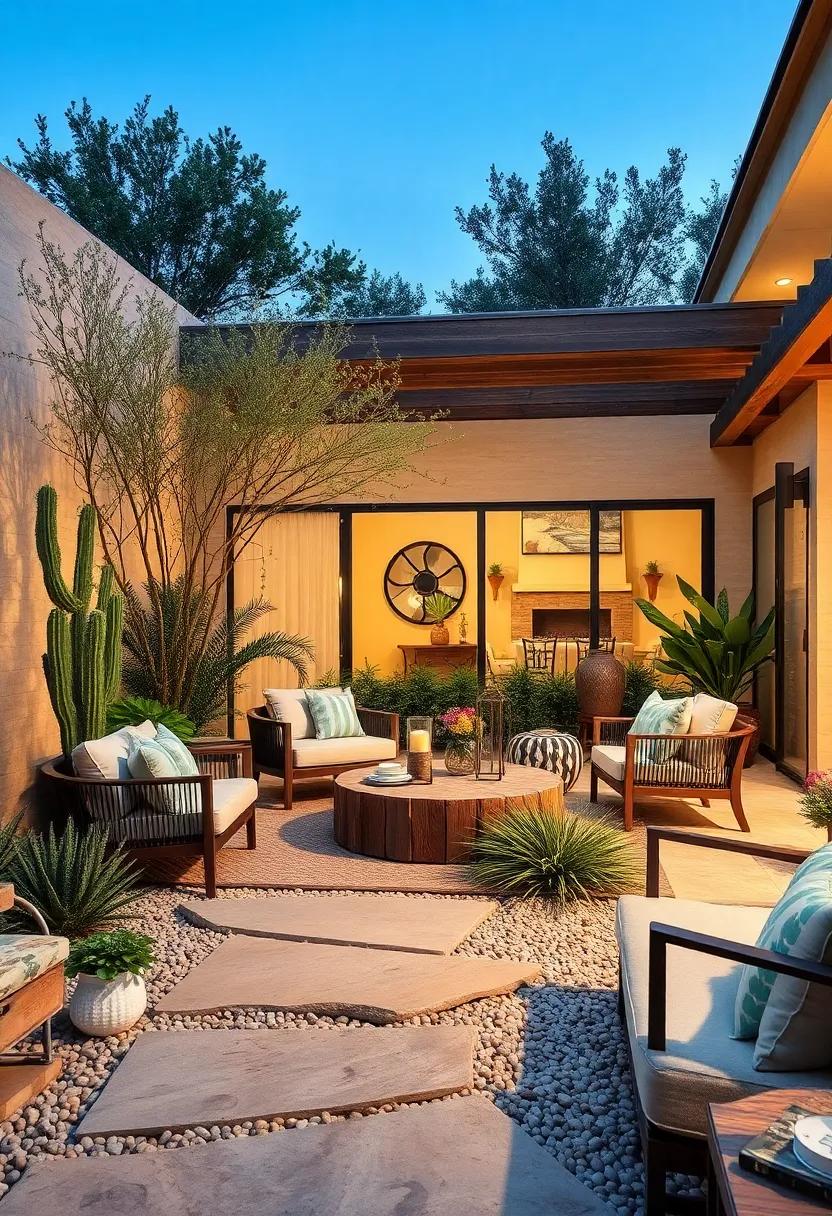
Infuse your xeriscape with the enchanting aromas and vibrant hues of fragrant herbs like lavender and rosemary. These hardy plants not only flourish under dry conditions but also add multi-sensory appeal to your garden.Their soothing scents attract beneficial pollinators such as bees and butterflies, creating a lively and balanced ecosystem, while their sturdy structure withstands drought without demanding frequent watering. Both herbs pair beautifully with stone pathways, gravel beds, or terracotta pots, giving your garden a Mediterranean-inspired charm that’s both practical and picturesque.
Incorporating these herbs is a smart way to blend function with beauty. Plus, their versatility extends beyond the garden—harvesting lavender buds or rosemary sprigs provides fresh, fragrant ingredients for cooking, crafting, or homemade potpourris. Consider planting them in:
- Sunny borders for color and fragrance
- Raised beds with well-draining soil
- Mixed xeriscape beds alongside succulents and cacti
| Herb | Water Needs | Sun Exposure | Common Uses |
|---|---|---|---|
| Lavender | Low | Full Sun | Essential oils, sachets, culinary |
| Rosemary | Low | Full Sun | Culinary, ornamental, aromatherapy |
Include wildflower patches that attract pollinators and require minimal watering

Transform neglected corners of your garden into vibrant havens with bursts of colorful wildflowers that thrive on little moisture. Choosing native wildflower species not only ensures they survive dry spells but also creates a buzzing hotspot for butterflies, bees, and hummingbirds. These resilient patches serve as natural pollinator magnets, enhancing biodiversity while requiring minimal intervention. Species like california poppy,blanket flower,and purple coneflower flourish effortlessly under xeriscape principles,providing seasonal interest without the daily watering hassle.
When planning your wildflower patch,consider soil readiness and spacing to reduce competition and encourage healthy growth. Adding a layer of mulch helps retain moisture and suppress weeds, keeping maintenance low. For maximum impact with minimal resources, mix perennials with a few drought-tolerant annuals to extend the blooming period. Below is a quick reference to some pollinator-friendly wildflowers that thrive in drought-prone gardens:
| Wildflower | Bloom Time | Water Needs | Attracts |
|---|---|---|---|
| California Poppy | Spring – Early summer | Very Low | Bees, Butterflies |
| Blanket Flower | Summer – Fall | Low | Bees, Hummingbirds |
| Purple Coneflower | Summer – Fall | Low | Bees, Butterflies |
| Black-eyed Susan | Summer | Low | Bees, Birds |
Use permeable paving materials to reduce runoff and increase groundwater recharge
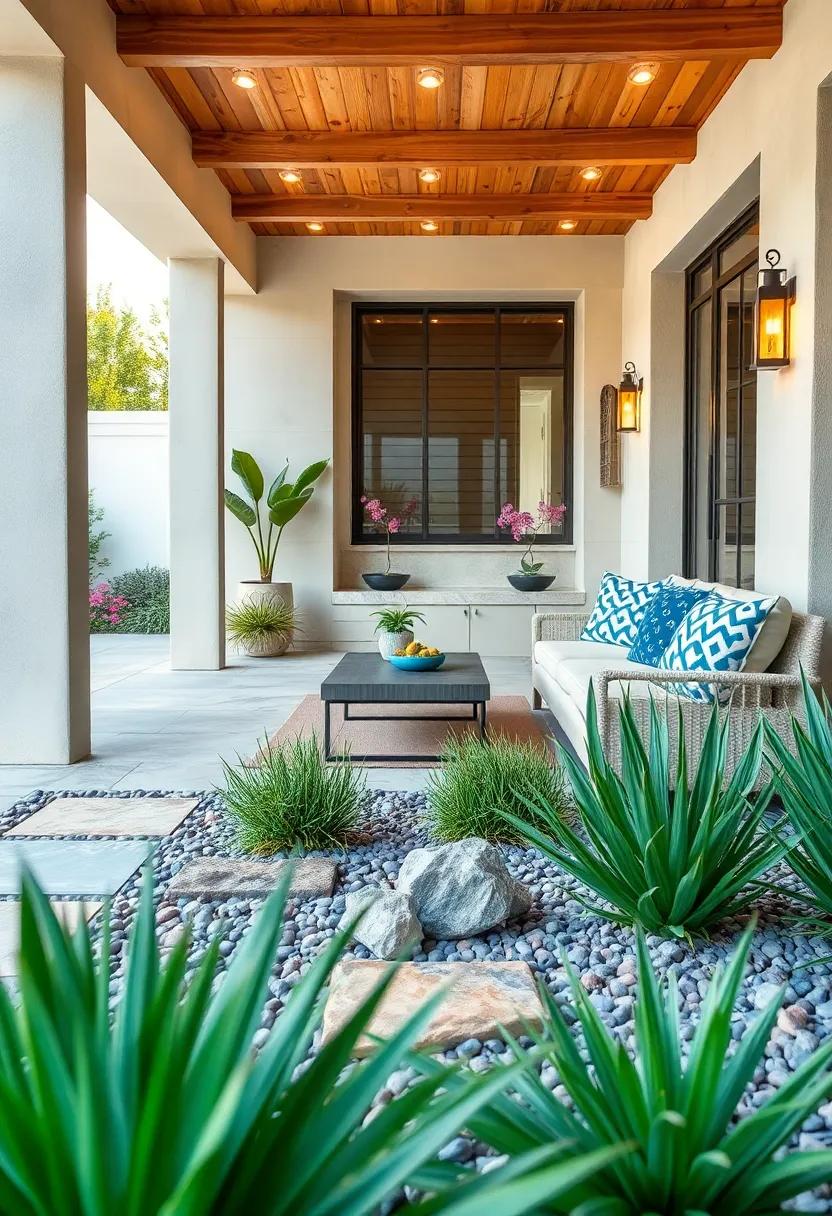
Integrating materials like porous concrete, permeable pavers, and gravel into your garden pathways and patios allows rainwater to gently infiltrate the soil instead of pooling or rushing off into storm drains. This process not only curtails surface runoff but also replenishes precious groundwater reserves,essential during prolonged dry spells. These surfaces adapt beautifully to xeriscape principles by reducing erosion and the need for excessive irrigation, while still maintaining a sleek, modern aesthetic in your outdoor space.
Key benefits include:
- Enhanced soil moisture retention, promoting healthier plant roots
- Reduction in puddles and erosion around hardscape areas
- Support for sustainable water management and conservation
| Material | Water Permeability | Maintenance |
|---|---|---|
| Porous Concrete | High | periodic cleaning |
| Permeable Pavers | Moderate to High | Replace infill as needed |
| Gravel | Very High | Occasional raking |
Design contour planting beds to capture and distribute scarce rainfall effectively
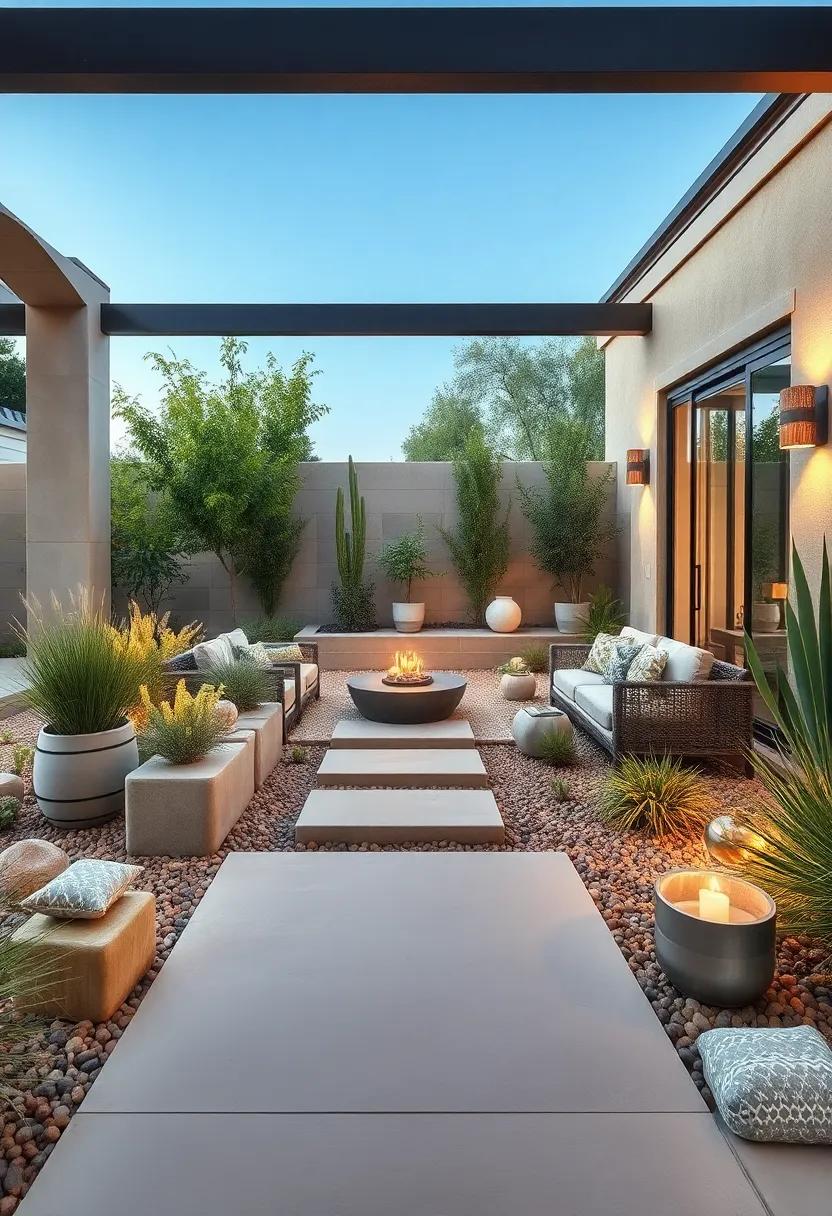
Maximize every drop of rain by shaping your planting beds along the natural contours of your landscape. These gentle, curved ridges act as miniature dams, slowing down runoff and guiding water into the soil where your drought-tolerant plants can soak it up. By contouring your beds, you create pockets where moisture lingers longer, cutting down on irrigation needs and boosting plant survival during dry spells. Remember to work with the slope’s gradient—steeper sections require tighter contours to capture water effectively without causing erosion.
when planning your beds, incorporate features like swales or shallow channels that act as water catchments running parallel to the contours.These not only help funnel rainwater efficiently but also distribute it evenly across your garden. Layering your beds with organic mulch and selecting deep-rooted xeric plants in these zones further enhances water retention. Here’s a quick guide to contour planting benefits:
| benefit | How It Works |
|---|---|
| Water Conservation | Slows runoff; more water absorbed |
| Soil Erosion Control | Reduces soil loss on slopes |
| Improved Plant Health | Steady moisture availability |
| Reduced Irrigation | Less need for supplemental watering |
Use reclaimed wood elements like benches or edging to add warmth without extra water

Incorporating reclaimed wood into your xeriscape design provides a rich,organic texture that never demands a drop of extra water.Whether used as sturdy benches, garden edging, or decorative borders, reclaimed wood infuses a rustic charm and warmth that complements drought-resistant plants perfectly. The natural patina and weathered character of aged wood blend seamlessly with gravel, stone, and native flora, creating inviting spaces without straining your water resources.
Explore various ways to repurpose wood scraps or source materials from sustainable lumber shops to create:
- Curved seating areas that invite relaxation under the sun
- Raised garden beds with wood borders that retain moisture efficiently
- Pathway edging to define garden zones while adding aesthetic appeal
This eco-friendly design choice enhances the sensory experience of your garden through texture, scent, and visually grounding elements—all without watering demands. Plus, wood ages gracefully, transforming your garden year after year into an even cozier outdoor haven.
incorporate rainwater harvesting systems to irrigate your xeriscape garden sustainably
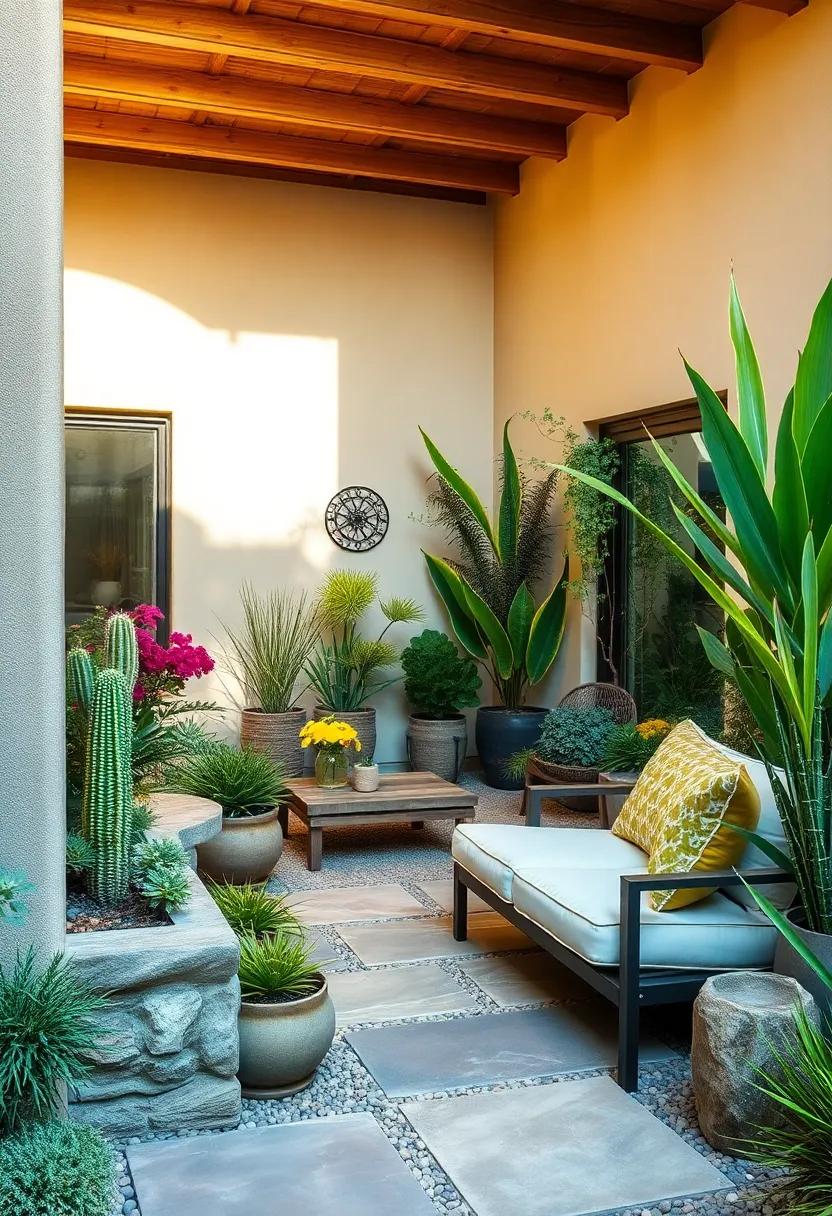
Harnessing the power of rainwater can revolutionize how you maintain your xeriscape garden. By installing rainwater harvesting systems, your not only reducing reliance on municipal water but also preserving this precious resource in a way that aligns perfectly with drought-resistant landscaping principles. Use strategically placed gutters and downspouts to direct rainfall into storage barrels or underground cisterns, which can then feed a drip irrigation system designed specifically for your xeriscape layout. this method ensures your plants receive consistent hydration without waste, keeping your garden lush and healthy through dry spells.
Consider integrating these components for a seamless setup:
- rain Barrels: Simple, cost-effective containers for capturing roof runoff.
- Cisterns: Larger capacity tanks for more extensive water collection and storage.
- Filtration Systems: Prevent debris from clogging irrigation lines.
- Drip Irrigation: Minimizes evaporation and targets roots directly.
| component | Benefits | Estimated Cost |
|---|---|---|
| Rain Barrel | Easy setup,portable | $50 – $150 |
| Cistern | High capacity storage | $500 – $1,500 |
| Filtration System | Keeps water clean | $30 – $100 |
| Drip Irrigation | Water-efficient targeting | $100 – $400 |
Plant drought-adapted trees for shade and to reduce overall garden irrigation needs
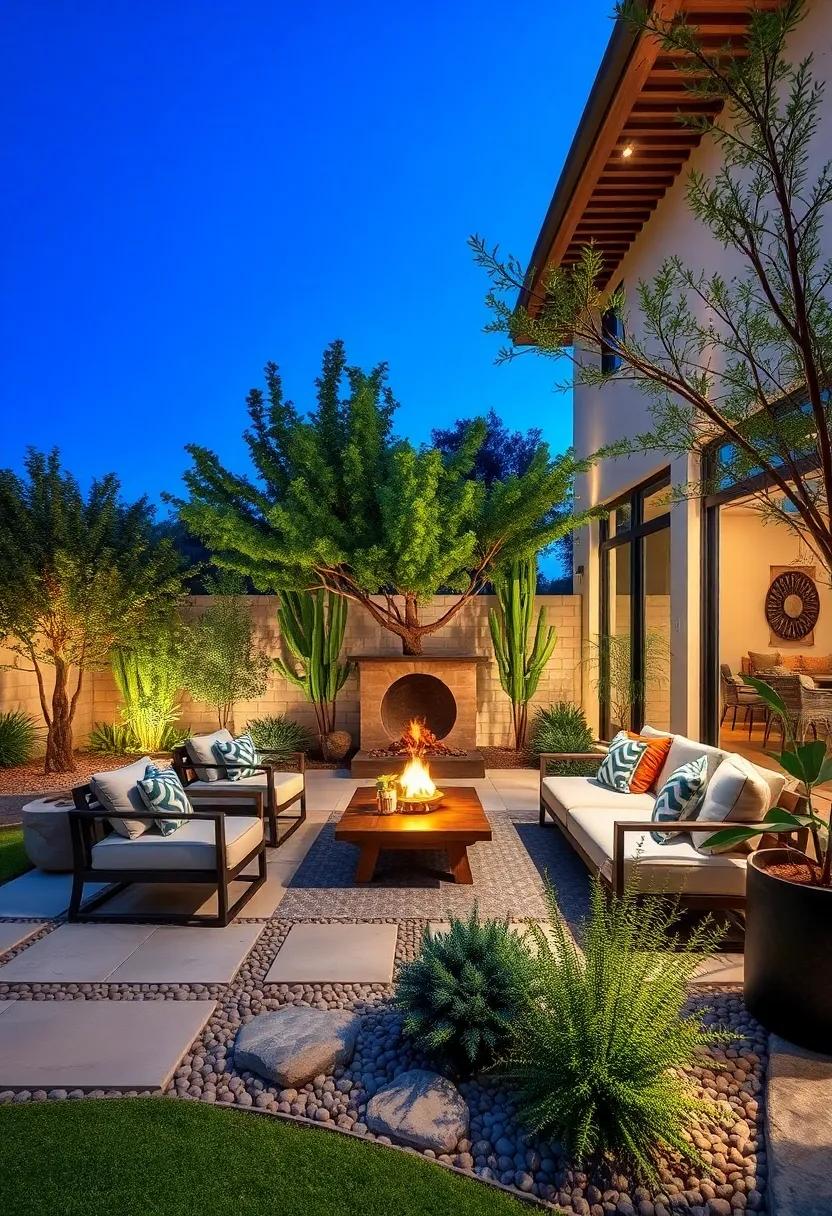
Selecting trees that thrive in drought-prone environments is a game-changer for anyone looking to create a sustainable, low-water garden. These hardy trees not only provide essential shade, reducing soil temperature and evaporation rates, but also slash your garden’s overall irrigation demands. opt for species with deep root systems and tough, leathery leaves that hold up well under extended dry spells. The strategic placement of such trees can create microclimates within your garden, fostering the health of other xeriscape plants by offering protection from intense sunlight and wind.
here are some prime choices for drought-adapted shade trees that bring beauty and functionality:
- Mesquite: Delicate pinnate leaves and fragrant blooms, plus nitrogen-fixing roots enrich poor soils.
- Olive Tree: Iconic silvery foliage that’s both ornamental and drought-resilient.
- Parkinsonia (palo Verde): Striking green bark and bright yellow flowers make it a standout.
| Tree | Water Needs | Shade Coverage | Maintenance |
|---|---|---|---|
| Mesquite | Low | Medium | Low |
| Olive Tree | Very Low | High | Medium |
| Palo Verde | Low | High | Low |
| Desert Willow | Low | Medium | Low |
Mix colorful drought-resistant annuals and perennials for visual interest year-round
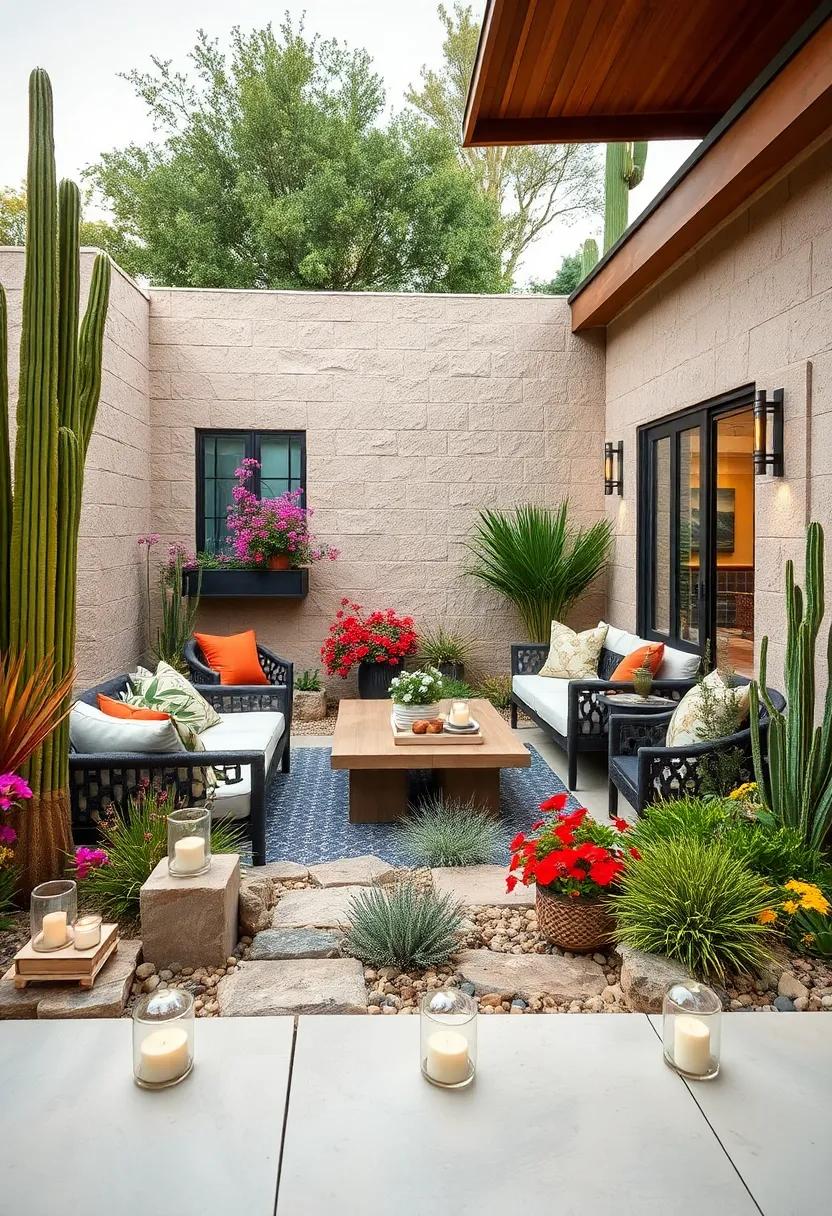
Achieving a garden that stays vibrant through every season is easier when you blend colorful drought-tolerant annuals with sturdy perennials. This combination not only ensures a variety of textures and heights but also continuously refreshes the palette as some plants fade and others burst into bloom. Think of pairing the fiery reds of Gaillardia with the cool blues of Salvia, and punctuating with cheerful yellow Coreopsis. This dynamic layering adds depth and prevents monotony, creating a living tapestry that invites the eye to wander.
To keep your xeriscape garden thriving with minimal fuss, consider this planting strategy table that highlights the bloom times and colors of recommended drought-resistant options:
| Plant | Type | Bloom Season | Color Palette |
|---|---|---|---|
| Gaillardia | annual | Summer – Fall | Fiery red, orange |
| Salvia | Perennial | Spring – Summer | Blue, purple |
| Coreopsis | Perennial | Summer | Bright yellow |
| Verbena | Annual | Summer – Fall | Lavender, pink |
| Penstemon | Perennial | Late Spring - Summer | Red, coral |
This thoughtful mix not only maximizes color but also ensures staggered flowering times, so your landscape remains lively without overwhelming your water resources. embrace diversity in plant selection to keep your xeriscape garden as resilient as it is radiant.
Design a rock garden with drought-hardy alpine plants for a unique low-water feature
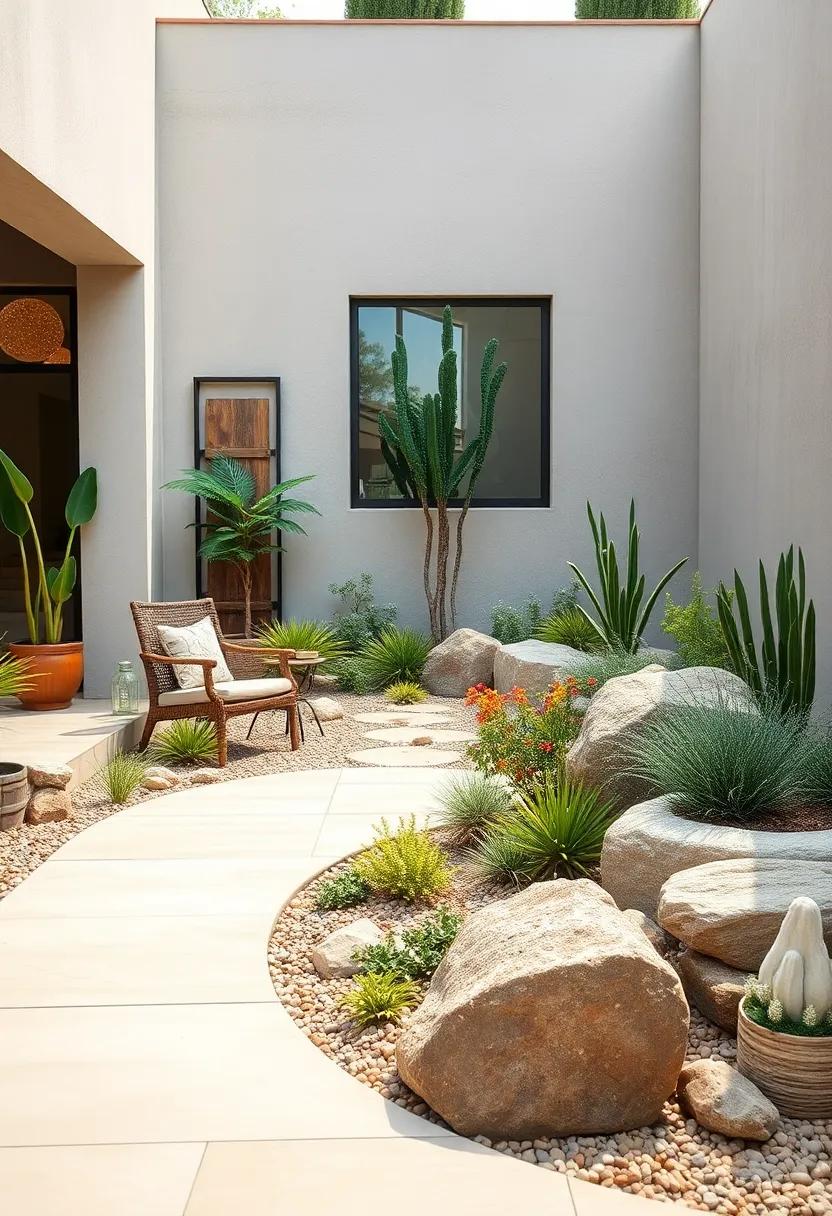
Infuse your xeriscaped garden with a rugged charm by incorporating a carefully curated array of drought-hardy alpine plants nestled among textured stones and boulders. These resilient plants are naturally adapted to thrive in arid, rocky environments, making them perfect for a no-fuss, low-maintenance feature. Think of silvery Artemisia, compact Sempervivum (hens and chicks), and delicate cushion-forming draba that bring pops of color and interesting shapes without demanding much water. Their varied textures—ranging from spiky rosettes to soft mats—create a dynamic mini landscape that echoes the beauty of mountainous terrains right in your backyard.
To maximize visual impact and water efficiency, arrange plants in informal clusters with ample space to allow airflow and root expansion, preventing overcrowding and reducing disease risks. Complement the planting with a mix of gravel, pebbles, and larger stones to enhance drainage and reflect sunlight, which helps regulate soil temperature. Below is a simple table showcasing some popular alpine species and their water needs, perfect for crafting a sustainable and captivating rock garden.
| Plant | Water Needs | Height | Color |
|---|---|---|---|
| Sempervivum | Very Low | 6-12 in | Green, Red Tips |
| Artemisia | Low | 12-24 in | Silvery Gray |
| Draba | Very Low | 2-5 in | Yellow |
| phlox subulata | Low | 4-6 in | Pink, White |
Use layers of plants with varying heights to create microclimates and reduce evaporation

Crafting a garden with plants of varied heights not only adds visual intrigue but also forms natural microclimates that help conserve precious moisture. Taller shrubs and small trees act as windbreaks, reducing the drying effect of the breeze on lower layers, while mid-sized plants provide shade, lowering soil temperatures. simultaneously occurring, groundcovers hug the soil surface, limiting evaporation by shielding the earth from direct sun exposure. Such layering mimics natural ecosystems where plants create their own protective bubbles, making your xeriscape work efficiently in drought conditions.
This strategy is a smart way to maximize water retention without extra effort. Consider combining:
- Canopy layer: Drought-hardy trees like mesquite or palo verde.
- Understory shrubs: Manzanita, sage, or sumac for mid-level coverage.
- Groundcovers: Creeping thyme, sedum, or ice plant to cover soil and keep moisture locked in.
| Plant Layer | Function | Examples |
|---|---|---|
| canopy | Blocks wind, provides shade | Mesquite, palo Verde |
| Understory Shrubs | Shields soil, reduces sun exposure | Manzanita, Sage, Sumac |
| Groundcover | keeps soil moist, prevents erosion | Creeping Thyme, Sedum, Ice plant |
Introduce hardy groundcovers to suppress weeds and protect soil moisture
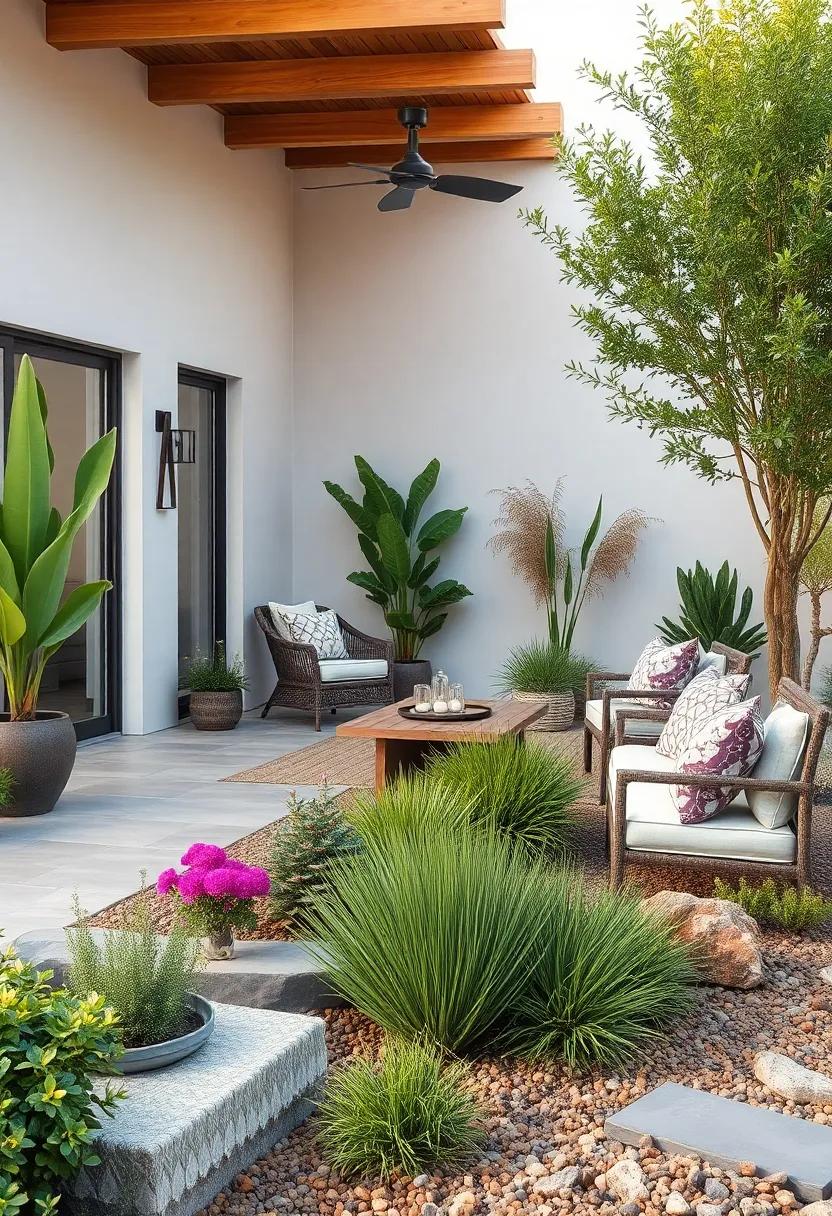
Planting tough, drought-tolerant groundcovers is a game-changer for any xeriscape garden. these resilient plants create a living mulch that chokes out unwelcome weeds, reducing the need for constant maintenance. Their dense foliage shades the soil, dramatically cutting down evaporation and helping retain precious moisture during dry spells. Consider options like creeping thyme, sedum, or blue star juniper, which not only endure tough conditions but also add texture and subtle color shifts to your landscape.
Integrating hardy groundcovers offers more than visual appeal—they improve soil health by reducing erosion and fostering beneficial microbial life. Here’s a quick cheat sheet to compare some top drought-resistant groundcovers:
| Plant | Water Needs | Sunlight | Growth Habit |
|---|---|---|---|
| Creeping Thyme | Very Low | Full Sun | Low, spreading |
| Sedum | Low | Full Sun to Partial Shade | Mat-forming |
| Blue Star Juniper | Low | Full Sun | Spreading shrub |
| Bearberry | low | Full Sun to Partial Shade | Trailing shrub |
Incorporate native shrubs that provide habitat and require minimal extra water
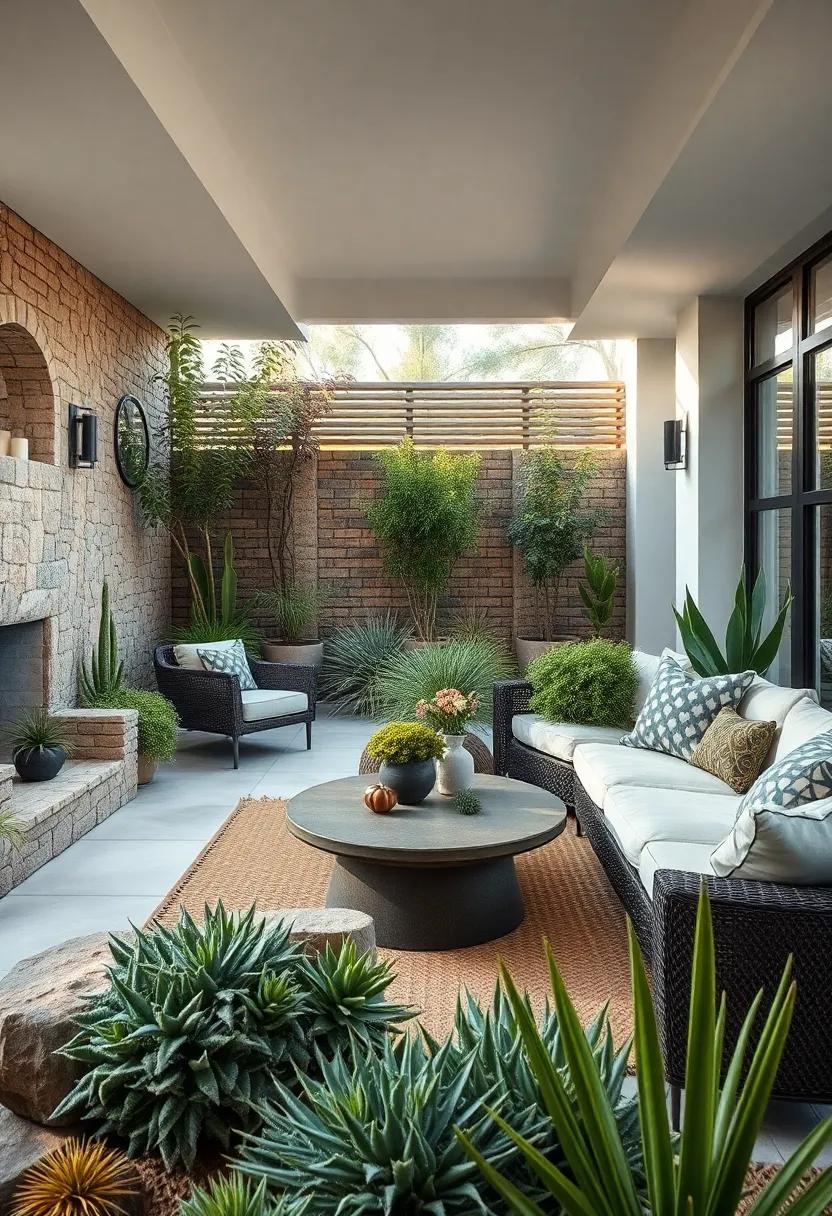
Native shrubs are nature’s own drought warriors, perfectly adapted to your local climate and soil conditions. By selecting species that thrive without constant watering,you create a sustainable garden that conserves water and supports local wildlife. these shrubs offer not just resilience but also habitat—for birds, pollinators, and beneficial insects—encouraging a lively ecosystem right in your backyard. Their deep root systems stabilize soil and prevent erosion,adding an extra layer of environmental benefit.
Popular drought-tolerant native shrubs worth considering:
- Manzanita (Arctostaphylos) – Known for it’s striking red bark and edible berries, this shrub attracts birds and bees.
- Ceanothus (California Lilac) – A vibrant, flowering shrub favored by pollinators, featuring blue-purple blossoms.
- Flannel Bush (fremontodendron) – Offers bright yellow flowers and fuzzy leaves, brilliant for sunny spots.
- Chamise (Adenostoma fasciculatum) – Aromatic and highly drought-resistant, ideal for naturalistic landscaping.
| Native Shrub | Water Needs | Wildlife Benefits |
|---|---|---|
| manzanita | Low | Bird food & shelter |
| Ceanothus | very Low | Attracts pollinators |
| Flannel Bush | Low | Provides cover & blossoms |
| Chamise | Minimal | Supports insect habitats |
Utilize mulch materials like bark or stone chips for long-term moisture conservation
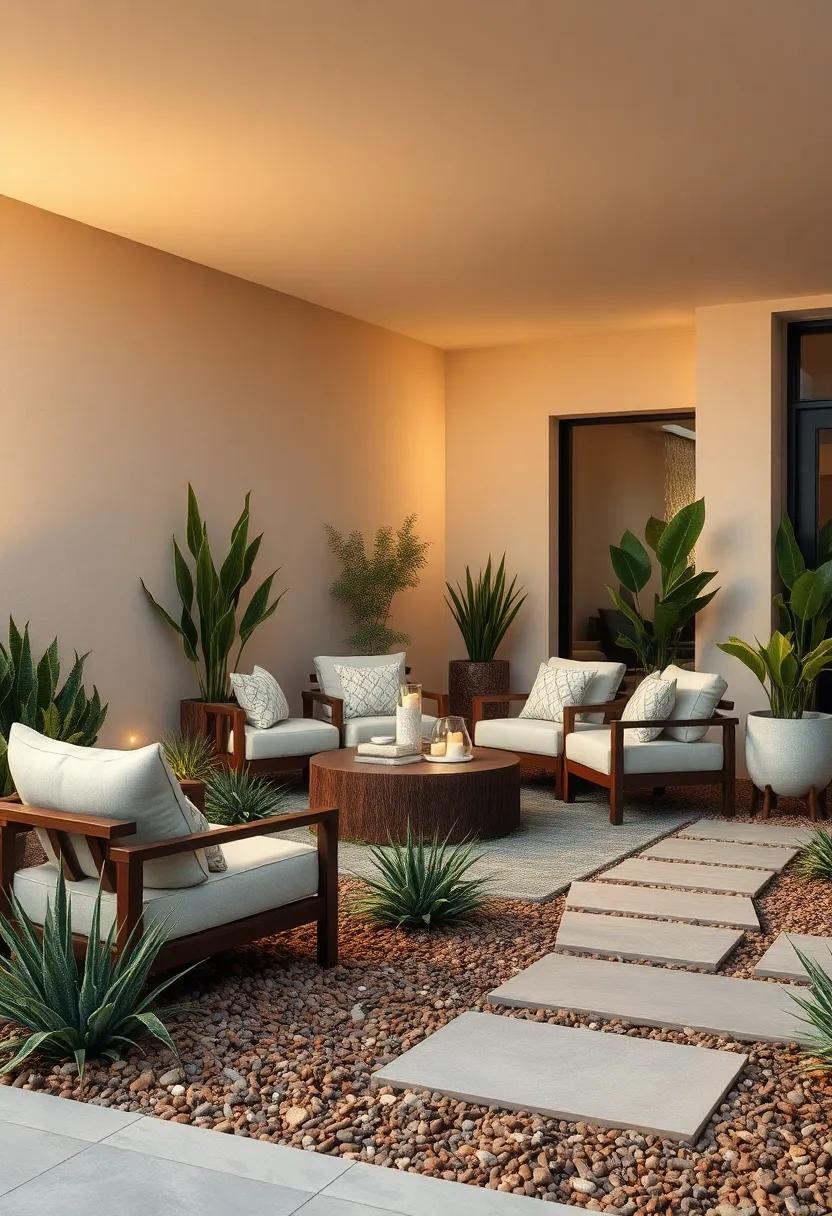
Incorporating natural mulch materials such as bark or stone chips around your drought-tolerant plants is a smart strategy to maintain soil hydration over extended periods. These mulches act as a protective shield, reducing evaporation by moderating soil temperature and creating a barrier against dry winds. Unlike organic mulches, stone chips offer the added benefit of durability and minimal decomposition, meaning less frequent replacement while still preserving moisture-rich conditions beneath.
beyond moisture conservation, mulching enhances your xeriscape’s visual appeal and soil health. Organic mulches like bark gradually break down, enriching the soil with nutrients, while stone chips provide a clean, modern look that’s easy to maintain. Consider layering mulch anywhere from 2 to 4 inches deep to effectively suppress weeds and maximize water retention. for quick reference, here’s a simple breakdown:
| Mulch Type | Water Retention | Maintenance Level | visual Style |
|---|---|---|---|
| Bark | High | Moderate (annual top-ups) | Natural, Rustic |
| Stone Chips | Moderate | Low (infrequent replacement) | Contemporary, Sleek |
Plan seasonal planting cycles to maximize water efficiency and garden vitality throughout the year

Mapping out your garden’s planting schedule around the seasons is a game-changer for conserving water while keeping your landscape lush and lively. By selecting drought-tolerant varieties that thrive in cooler months and transitioning to heat-loving xeric plants in warmer seasons, you create a natural ebb and flow that reduces irrigation needs. Incorporate native perennials with staggered bloom times to maintain continuous color and interest without exhausting your water resources. Consider grouping plants with similar water demands together to streamline your watering routine and avoid overhydrating thirsty or drought-resistant neighbors.
Try this simple seasonal planting guide for an efficient rotation:
| Season | Plant Types | Watering Tips |
|---|---|---|
| Spring | Early-blooming bulbs, succulents, Mediterranean herbs | Deep watering once a week |
| Summer | Cacti, agave, ornamental grasses | Minimal watering, focus on morning irrigation |
| Fall | Late-flowering perennials, drought-tolerant shrubs | Moderate watering to prepare for dormancy |
| Winter | Evergreens, hardy groundcovers | Next to no watering; rely on natural precipitation |
- Mulch heavily to protect roots and retain soil moisture through seasonal shifts.
- Rotate your plants according to their peak water needs to prevent stress and promote healthier growth.
To Conclude
Embracing drought-resistant xeriscape designs not only conserves water but also brings a unique charm and resilience to your garden. Whether you opt for bold succulents, textured gravel beds, or artistic rock arrangements, these 23 ideas offer a fresh perspective on landscaping that thrives under tough conditions.With a little creativity and thoughtful planning, your outdoor space can become a stunning, sustainable oasis that stands strong through dry spells—proving beauty and practicality can flourish side by side. Now, it’s time to get planting and watch your garden transform into a drought-wise masterpiece.
As an Amazon Associate I earn from qualifying purchases.