23 Stunning Native Plant Front Yard Designs to Elevate Your Curb Appeal
Looking to transform your front yard into a vibrant, eco-friendly oasis? Native plants offer a stunning way to boost your home’s curb appeal while supporting local wildlife and reducing maintenance. In this carefully curated list, we explore 23 inspiring native plant front yard designs that blend beauty with sustainability. Whether you’re dreaming of bold textures, seasonal colors, or low-water landscapes, these ideas will help you reimagine your outdoor space with nature’s best. Dive in to discover fresh concepts, practical tips, and creative layouts that make going native both stylish and smart.
Embrace a meadow-inspired front yard packed with native wildflowers and ornamental grasses for a natural, breezy look
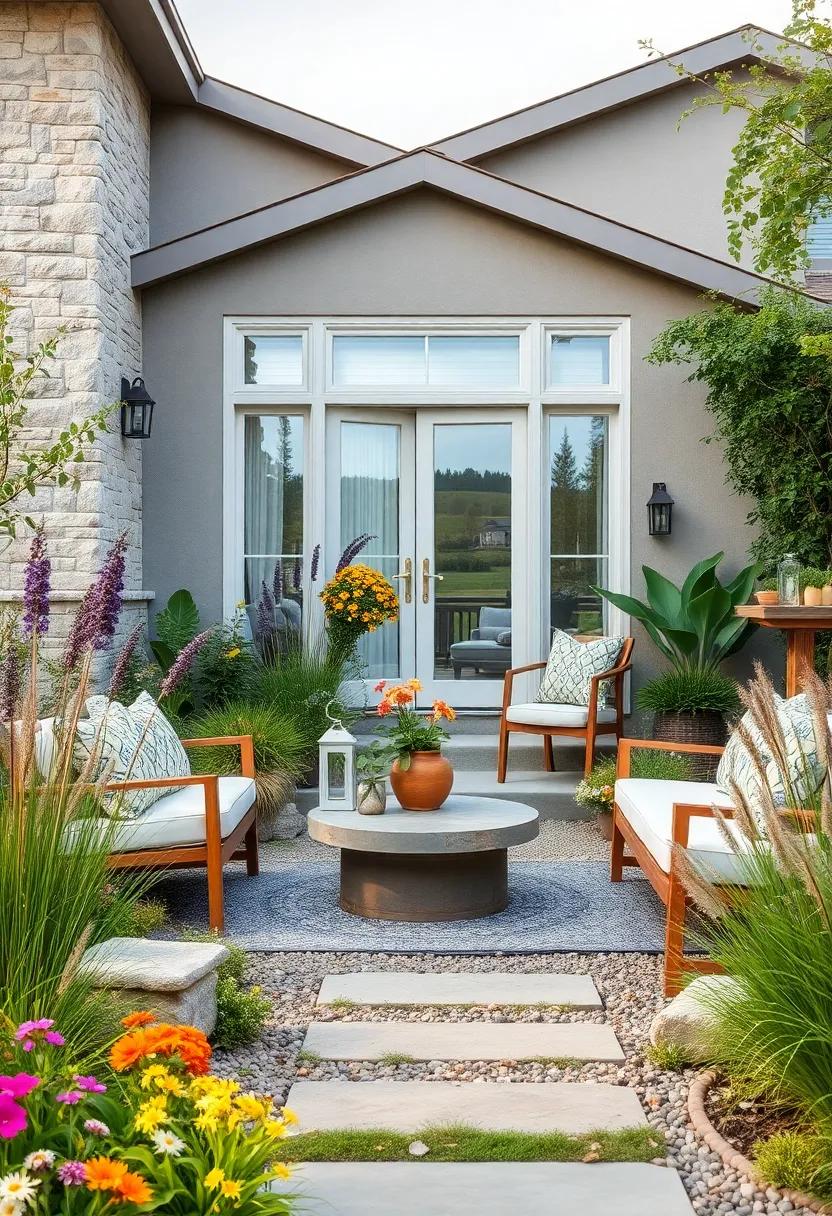
Transform your front yard into a serene retreat by integrating an array of native wildflowers and ornamental grasses that dance freely in the breeze. This style invites a palette of vibrant colors and delicate textures, creating an effortless flow reminiscent of natural meadows. Think clusters of Echinacea purpurea (purple coneflower), Black-eyed Susans, and Butterfly Milkweed interspersed with the soft, swaying blades of Little Bluestem and Switchgrass. This combination not only adds visual intrigue but also supports local pollinators, encouraging butterflies and bees to visit regularly.
to maintain balance and structure, consider layering your planting with varied heights and seasonal blooms to ensure continuous interest throughout the year. Incorporate native grasses like Indian Grass and Blue Fescue for their year-round texture and movement. For a harmonious look,group plants in informal clusters rather than rigid rows — try this planting guide to achieve the perfect meadow mix:
| Plant Type | Example Species | Ideal Height |
|---|---|---|
| Wildflowers | Purple Coneflower,black-eyed Susan | 2-3 ft |
| Ornamental Grasses | Little Bluestem,Switchgrass | 3-5 ft |
| Accent Plants | Butterfly Milkweed,Wild Bergamot | 1.5-3 ft |
Create a layered landscape with varying heights of native shrubs and perennials to add depth and texture

Designing your front yard with a thoughtful combination of native shrubs and perennials creates an inviting sense of depth that’s both visually engaging and ecologically beneficial. By layering plants of different heights—from low-growing ground covers to mid-height flowering perennials, capped with taller shrubs—you craft a natural tapestry that gives your landscape dimension and year-round interest. Incorporate plants with varying leaf textures and seasonal blooms to create a dynamic display that changes with the seasons, enhancing curb appeal without overwhelming the space.
Consider these plant selections to layer your front yard effectively:
- Ground Layer: Wild ginger, Blue-eyed grass, and Creeping phlox provide textured bases and delicate colors.
- Mid-Height layer: Black-eyed Susan, Butterfly weed, and Eastern coneflower add pops of vibrant color and attract pollinators.
- Tall Shrubs: Spicebush, Mountain laurel, and Inkberry holly offer structure and year-round greenery to frame your design.
| Layer | Plant Suggestions | Height Range | Benefits |
|---|---|---|---|
| Ground Cover | Wild ginger, Creeping phlox | 4-8 inches | Suppresses weeds, adds soft texture |
| Mid-Height | Black-eyed Susan, Butterfly weed | 1-3 feet | Seasonal blooms, pollinator-friendly |
| Tall Shrubs | Spicebush, Mountain laurel | 4-10 feet | Provides structure, winter interest |
Design a rock garden interspersed with drought-tolerant native succulents for low-maintenance charm

transform your front yard into a serene oasis by incorporating rugged rocks that create natural focal points, seamlessly blended with drought-tolerant native succulents. These plants not only thrive with minimal water but also bring a textured,sculptural beauty that complements the stones’ earthy tones. Imagine the interplay of agave, yucca, and hedgehog cactus nestled among weathered granite or smooth river rocks, offering year-round interest without demanding constant upkeep.This combination fosters a low-maintenance habitat perfect for busy homeowners who want lasting charm without the fuss.
To maximize visual impact and sustainability,arrange your succulents in clusters varying in height and color,enhancing depth and natural flow. Using native species ensures your garden benefits from local pest resistance and adaptability, while materials like decomposed granite or mulch between rocks improve drainage and reduce weed growth. consider this simple layout guide for a balanced design:
| Element | Suggestion | Benefit |
|---|---|---|
| Large Rocks | Granite boulders or river stones | Creates structure & focal points |
| Succulents | Agave, yucca, hedgehog cactus | Drought-tolerant, low water needs |
| Ground Cover | Decomposed granite or mulch | Reduces weeds, improves drainage |
| Layering | mix heights and textures | Adds depth and visual interest |
Incorporate a native fern understory beneath towering native trees to evoke a tranquil woodland vibe

Transforming your front yard into a serene woodland retreat begins with choosing the right plants that thrive in the cool shade beneath native trees. Introducing a lush understory of native ferns not only softens the rugged bark and towering presence of mature trees but also adds delicate texture and a calming green palette to your landscape. Species like Polystichum munitum (Sword Fern) or Dryopteris marginalis (Evergreen Wood fern) naturally embody the essence of a tranquil forest floor, creating a seamless blend between canopy and ground cover. Their feathery fronds gently sway with the breeze, bringing a peaceful rhythm and a sense of timelessness to your curb appeal.
Key benefits of a Native Fern Understory:
- Low maintenance: Once established, these ferns require minimal care and thrive in native soil conditions.
- Wildlife friendly: They provide shelter and foraging habitat for local birds, insects, and small mammals.
- Year-round interest: Many native ferns retain their greenery throughout the seasons, maintaining visual appeal even in winter.
- Natural erosion control: Their dense root systems help stabilize soil beneath your towering trees.
| Fern Variety | Light Preference | Height | Special Feature |
|---|---|---|---|
| Polystichum munitum | Shade to Part Shade | 2-3 ft | Evergreen; elegant, arching fronds |
| Dryopteris marginalis | Shade | 1-2 ft | Drought tolerant; retains leaves through winter |
| Onoclea sensibilis | Partial Shade | 1.5-3 ft | Bright green; rapidly spreads for ground cover |
Use native prairie grasses paired with colorful native wildflowers to showcase seasonal blooms and create movement
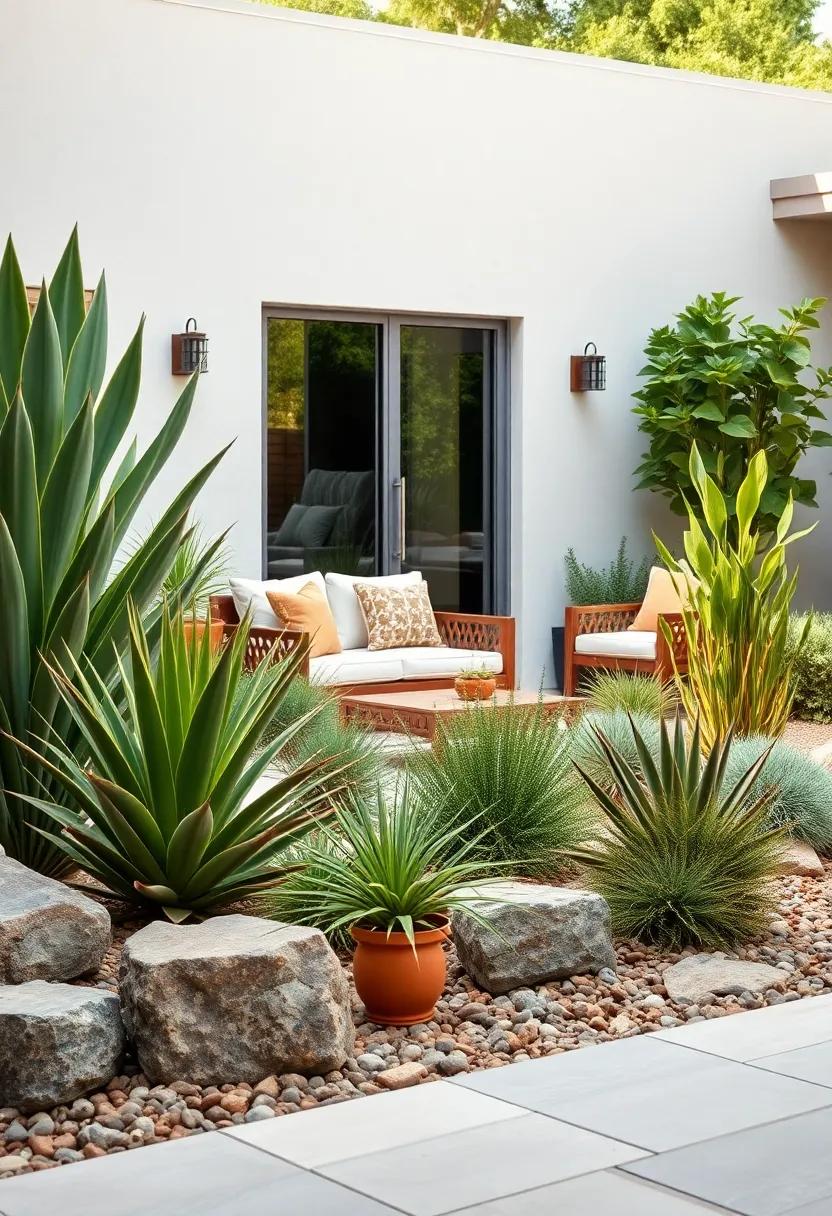
Blending native prairie grasses with bursts of colorful native wildflowers creates a captivating front yard that changes with the seasons. The soapy texture of grasses like Little Bluestem and Switchgrass contrasts beautifully with the vibrant petals of Black-eyed Susans, Butterfly Weed, and Purple Coneflower. This combination not only highlights the natural ebb and flow of bloom cycles but also introduces dynamic movement as the grasses sway gently in the breeze, adding life and rhythm to your landscape.
Beyond aesthetics, this pairing attracts a variety of pollinators, supporting local ecosystems while enhancing your home’s curb appeal. Consider layering your planting with:
- Tall grasses as a backdrop for vertical drama
- Medium-height wildflowers for mid-level engagement
- Low groundcover varieties to soften edges and transitions
| Plant Type | Example | Seasonal Interest |
|---|---|---|
| Prairie Grass | Little Bluestem | Late Summer-Fall |
| Wildflower | Black-eyed Susan | Summer |
| Wildflower | Butterfly Weed | Late Spring-Summer |
| Groundcover | Prairie Smoke | Spring |
This approach ensures your front yard offers year-round interest,from the early blooms of spring to the textured silhouettes of grasses in winter,seamlessly blending beauty and function in a native palette.
Establish a pollinator-friendly garden with native flowering plants that support bees,butterflies,and hummingbirds
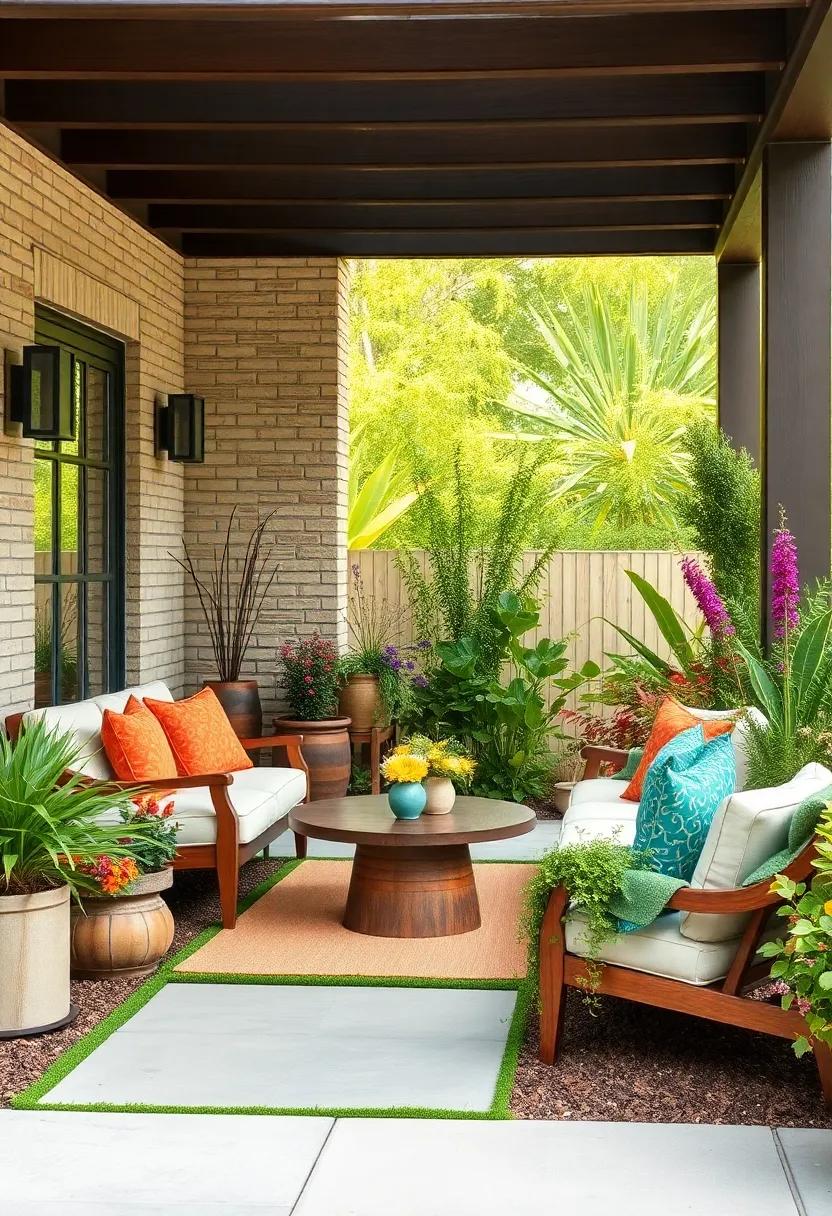
Transform your front yard into a vibrant sanctuary by selecting native flowering plants that naturally attract and sustain essential pollinators such as bees, butterflies, and hummingbirds. These plants have evolved alongside local wildlife, offering the perfect blend of nectar, pollen, and shelter. Consider integrating species like purple coneflowers, summer-oasis-ideas-for-every-outdoor-space/” title=”… Your Back… into a … Oasis: Ideas for Every Outdoor Space”>bee balm, milkweed, and black-eyed Susans. Their bright, diverse blooms provide ongoing color while serving as magnetizing hubs for pollinators, turning your garden into a buzzing, fluttering spectacle of life.
To maximize the benefits of your pollinator haven, group plants in clusters and choose varieties that bloom at staggered intervals from spring through fall. This ensures a continuous food source, supporting pollinators across seasons. Including native shrubs and groundcovers adds structural variety and nesting opportunities,enhancing habitat quality. Below is a simple guide outlining some top native plants and the pollinators they most attract:
| native Plant | Attracts | Bloom Season |
|---|---|---|
| Milkweed | Monarch Butterflies | Summer |
| Bee Balm | Hummingbirds,Bees | Mid-Summer |
| Purple Coneflower | Bees,Butterflies | Late Summer |
| Black-eyed Susan | bees,butterflies | summer to Early Fall |
Craft a minimalist native plant bed featuring sculptural plants like agave and yucca for a modern aesthetic
Embrace simplicity and structure by incorporating sculptural plants such as agave and yucca into your front yard design. These natives aren’t just drought-tolerant powerhouses; their bold, architectural forms create striking focal points that demand attention without overwhelming the space. Pairing them with clean gravel beds or smooth concrete pavers enhances their modern appeal, while allowing their dramatic silhouettes to take center stage. Consider spacing them thoughtfully for a balanced rhythm, letting their spiky leaves and geometric shapes elevate the overall landscape composition.
To complement the strong lines of agave and yucca, surround them with simple groundcovers or low-growing natives like lamb’s ear or sedum. This minimalist layering keeps the bed uncluttered while adding subtle texture and softness. Use a restrained color palette of greens, grays, and silvers to reinforce the sleek aesthetic, and add interest through contrasting leaf shapes rather than bright blooms. The result is a front yard that radiates modern elegance, requiring minimal upkeep but delivering maximum impact.
Plant a vibrant native hedge to define your front yard boundary while providing privacy and habitat
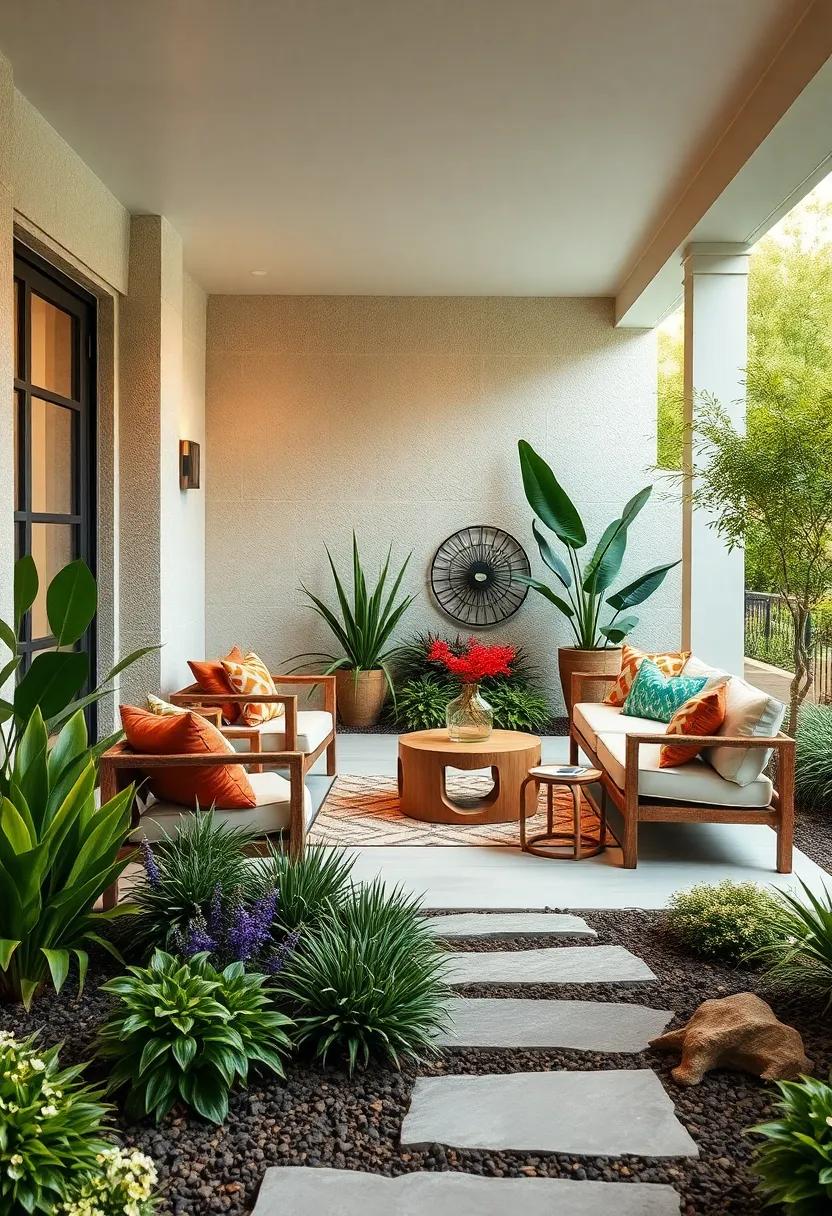
Transform your front yard with a lush, native hedge that not only marks your property line but also introduces layers of natural beauty and vital ecosystem support. Choosing indigenous plants ensures a seamless blend with your local environment, offering vibrant seasonal colors and textures while attracting pollinators like bees and butterflies. A well-crafted hedge becomes a living privacy screen, softening the street view without the harshness of fences or walls. Consider a mix of evergreen and flowering native shrubs, such as california lilac, red twig dogwood, or new england holly, to create dynamic visual interest throughout the year.
Beyond aesthetics, native hedges thrive with less water and maintenance compared to non-native alternatives, making them an eco-friendly investment for sustainable landscaping. They support local wildlife by providing shelter and food sources, fostering a mini-habitat right on your doorstep. Pair your hedge with ground cover natives and seasonal wildflowers along the base to enhance soil health and prevent erosion. Here’s a quick comparison to help select the perfect hedge for your yard:
| Native Hedge Plant | Growth Rate | Water Needs | Wildlife Benefits |
|---|---|---|---|
| California Lilac | Medium | Low | Bees, butterflies |
| Red Twig Dogwood | Fast | Medium | Birds, small mammals |
| New England Holly | Slow | Low | Birds |
Mix native evergreen shrubs with flowering perennials to maintain year-round visual interest
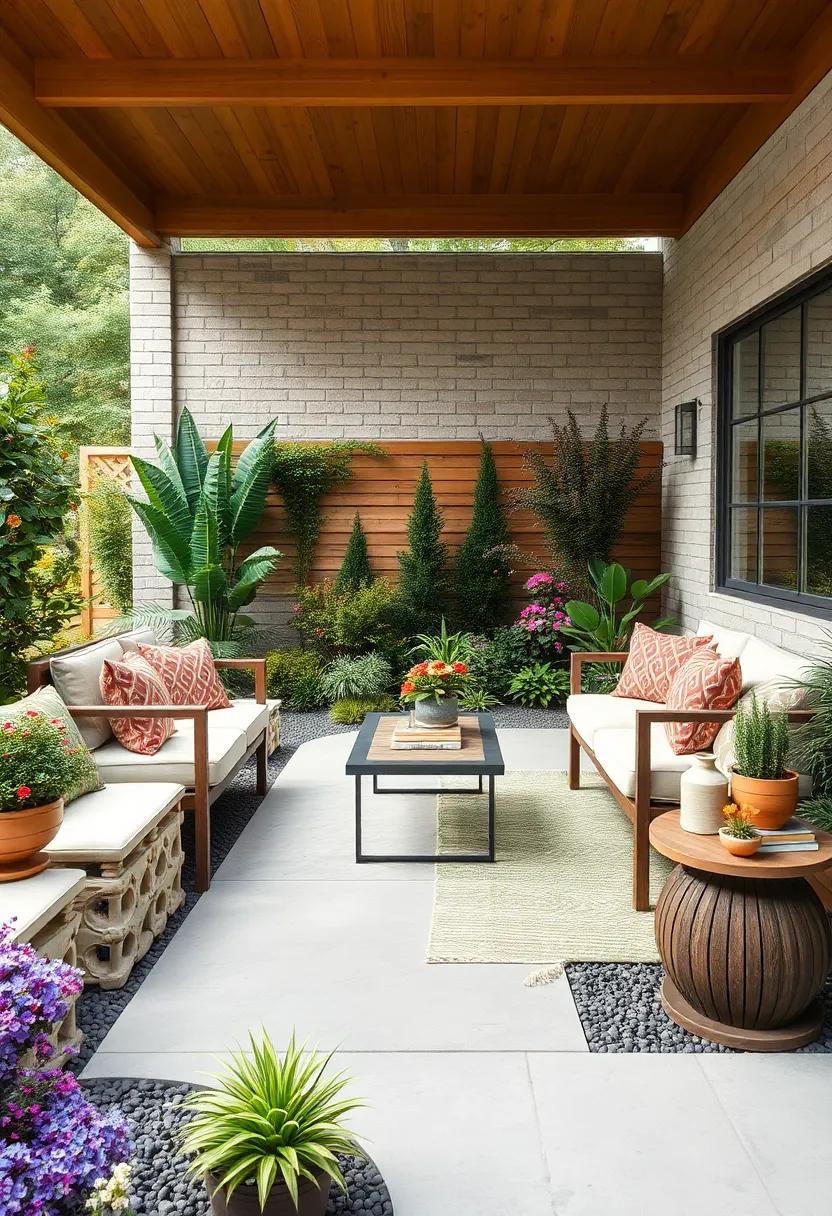
Combining native evergreen shrubs with vibrant flowering perennials creates a dynamic canvas that shifts with the seasons, ensuring your front yard never loses its charm. Evergreens provide a steady backdrop of lush green, anchoring your landscape design and offering structure during the colder months. Meanwhile, flowering perennials burst into color in spring and summer, attracting pollinators like bees and butterflies, which naturally enhance your garden’s ecosystem. This thoughtful layering of textures and hues not only boosts curb appeal but also fosters a resilient,low-maintenance outdoor space.
To strike the perfect balance, consider pairing evergreens like Mountain Laurel or Boxwood with perennials such as Black-eyed Susans and Wild Indigo. This mix ensures a rotating palette that delivers interest year-round. Here’s a quick guide to blending these elements effectively:
| Native Evergreens | Flowering Perennials | Season of Peak Interest |
|---|---|---|
| Mountain laurel | Black-eyed Susan | Spring to Summer |
| Boxwood | Wild Indigo | Summer to Fall |
| Eastern Redcedar | Butterfly Weed | Summer |
| Sweetbay Magnolia | Joe-Pye Weed | Late Summer to Fall |
- Evergreen shrubs for stable, year-round structure
- Flowering perennials for seasonal bursts of color
- Native plants to support local wildlife and reduce maintenance
Highlight a native tree as a focal point, surrounded by ground covers and companion plants that complement its form
Establishing a captivating centerpiece native tree instantly elevates your front yard’s visual impact while reinforcing local ecology. Consider species like the Redbud (Cercis canadensis) with its striking spring blossoms or the gracefully tiered silhouette of the bald Cypress (Taxodium distichum). Setting such a tree as the heart awakens the landscape with both seasonal drama and shade, encouraging native birds and pollinators to make it their home. surround this natural focal point with low-growing ground covers that carry complementary textures and colors to accentuate rather than compete.
Strategically pairing companion plants with the focal tree builds layers of interest and harmony. For example, soft mats of wild ginger or Creeping phlox create a lush, inviting carpet beneath, while mid-height shrubs like Inkberry holly or Virginia sweetspire add seasonal blooms and subtle structure.This dynamic interplay ensures the tree’s form remains the star, as understory plants gently echo its shape and color palette, crafting a cohesive, thriving ecosystem.
| Native Tree | Ground Covers | Companion Plants |
|---|---|---|
| Serviceberry (Amelanchier) | Barren strawberry, Wild Ginger | Ferns, Blueberry Shrub |
| Eastern Redbud | Creeping Phlox, Moss phlox | Coral Bells, Spicebush |
| Sweetbay Magnolia | Partridgeberry, Sweet Woodruff | Dogwood, Mountain Laurel |
Design pathways edged with native plants to guide guests through a welcoming, nature-inspired entrance

imagine a front yard where every step feels like a stroll through a secret garden, thanks to pathways framed by thriving native flora. These plants not only create a seamless transition from street to doorstep but also boost local biodiversity, attracting pollinators and birds that bring your landscape to life. Opt for hardy species that thrive in your climate, such as purple coneflowers, dwarf grasses, and creeping thyme, which add texture, color, and subtle fragrance along winding stone or gravel walkways. this natural guidance invites guests to explore while maintaining a clean, purposeful flow.
For a harmonious balance between structure and spontaneity, mix low-growing perennials with taller shrubs that border the path, ensuring that the entrance feels both intimate and expansive. Incorporate varying heights and seasonal interest by pairing evergreen ground covers with bold flowering natives that bloom at different times of year. To help you plan effectively,here’s a quick reference:
| Plant Type | Height | Season | Benefit |
|---|---|---|---|
| Dwarf Blue Fescue | 6-8 in. | Year-round | Textured, low maintenance |
| Black-eyed Susan | 2-3 ft. | Summer-Fall | Bright blooms, pollinator-friendly |
| Wild Ginger | 6-12 in. | Spring | Shade tolerant,fragrant leaves |
| Smooth Sumac | 6-8 ft. | Fall | Bold foliage, vibrant fall color |
Combine native bulbs with early-blooming perennials for a front yard that transitions beautifully through the seasons

Harness the charm of native spring bulbs like trilliums, bloodroot, and Virginia bluebells to usher in a refreshing burst of color early in the season. These bulbs not only thrive naturally in local conditions but also provide a delicate contrast to the sturdy textures of native perennials. As their blooms fade, vibrant early-blooming perennials such as Echinacea, black-eyed Susans, and beardtongue take center stage, ensuring your front yard remains a dynamic, evolving palette of texture and hue. This thoughtful layering creates an inviting narrative of growth, subtly guiding the eye through the different phases of the gardening calendar.
For those looking to visualize this seamless transition, the table below outlines ideal pairings, bloom times, and foliage characteristics to help you craft a harmonious display that naturally adapts with the seasons.
| Native Bulb | Early-Blooming perennial | bloom Time Overlap | Foliage Texture |
|---|---|---|---|
| Bloodroot | Prairie Smoke | Late April – Early may | Soft, fern-like |
| Virginia Bluebell | Black-eyed Susan | Mid May – June | Coarse, upright |
| Trillium | Wild Bergamot | Early May – Late June | Broad, textured |
| Spring Beauty | Butterfly milkweed | March – April | Delicate, lance-shaped |
Opt for a rain garden filled with moisture-loving native species to manage runoff and enhance biodiversity

Transform your front yard into a thriving ecosystem by incorporating a rain garden rich with moisture-loving native plants. These gardens are designed to capture and filter stormwater runoff, reducing erosion while preventing pollutants from reaching local waterways. By selecting native species that thrive in damp conditions, such as blue flag iris, swamp milkweed, and cardinal flower, you create a lush, dynamic landscape that invites pollinators and birds year-round.The natural ebb and flow of water nurtures these plants, giving your garden a resilient foundation that requires less maintenance and watering once established.
Beyond their environmental benefits, these rain gardens serve as a vibrant focal point, adding dimensional texture and seasonal color to your curb appeal.Implementing a mix of grasses, wildflowers, and ferns promotes biodiversity by supporting a variety of insects and wildlife, enriching your front yard’s ecosystem. For a simple guide to choosing the right native plants for your moisture-loving rain garden, consider this quick reference:
| Plant | Flower Color | Height | wildlife attraction |
|---|---|---|---|
| Blue Flag Iris | Vibrant Blue | 2-3 feet | Bees, Butterflies |
| Swamp Milkweed | Soft Pink | 3-5 feet | Monarch Butterflies |
| Cardinal Flower | Bright Red | 4 feet | Hummingbirds |
Integrate native grasses and wildflowers with rustic stone accents for an inviting, countryside feel

combine the gentle sway of native grasses with bursts of wildflower colors to craft a natural tapestry that effortlessly mimics the countryside charm. Think Feather Reed Grass mingling with vibrant lupines, coneflowers, and black-eyed Susans—a perfect palette that invites bees, butterflies, and friendly birds right to your doorstep. This living mosaic not only offers year-round visual interest but also thrives with minimal upkeep, ensuring your front yard remains a vivid testament to sustainable beauty.
To anchor this organic scene, incorporate rustic stone accents—whether as a winding low wall, stepping stones, or a charming stone planter. These rugged textures contrast beautifully with the lush softness of plants, adding a tactile dimension that beckons visitors to pause and explore. Use natural stone varieties such as fieldstone or limestone for an authentic feel, and don’t hesitate to let moss or small ferns fill in the crevices, blending manmade and natural elements seamlessly.
Use native plants with varied leaf colors and textures to create dynamic contrasts within your front yard
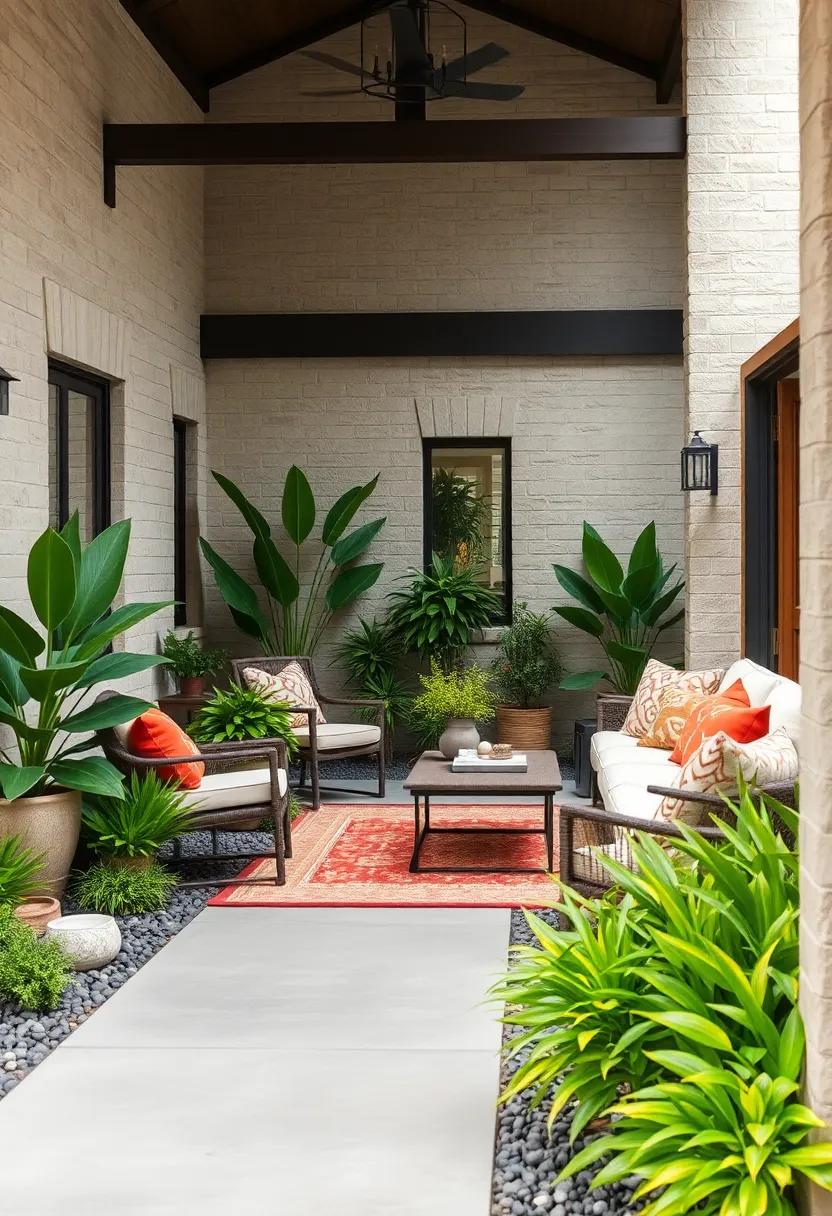
Inject life and vibrancy into your front yard by selecting native plants that flaunt a spectrum of leaf colors and textures. Imagine pairing the silvery-blue foliage of Atriplex canescens with the rich, deep greens of Salvia leucophylla, creating an engaging palette that naturally draws the eye. The subtle roughness of sagebrush leaves contrasts beautifully with the smooth, glossy leaves of native rhododendrons, crafting a tactile experience that transcends mere visual appeal. Utilizing such diverse combinations not only accentuates the unique attributes of each plant but also supports local ecosystems, providing essential habitats for native pollinators and wildlife.
Consider arranging your selections to highlight contrast through form and structure as well: broad, rounded leaves juxtaposed with slender, spiky ones create movement and rhythm throughout your landscape.Below is a quick guide to native plants ideal for a mixed-leaf-color and texture front yard design:
| Plant | Leaf Color | Leaf Texture |
|---|---|---|
| Manzanita (Arctostaphylos spp.) | Glossy dark green | Smooth and leathery |
| Blue Grama Grass (Bouteloua gracilis) | Blue-green | Fine and wispy |
| Western Redbud (Cercis occidentalis) | Bright green | Soft and heart-shaped |
| California Fuchsia (Epilobium canum) | Gray-green | velvety and narrow |
| California Buckwheat (Eriogonum fasciculatum) | Silver-gray | Fine,woolly texture |
Plant clusters of native flowering shrubs to attract birds and add pops of color throughout the year
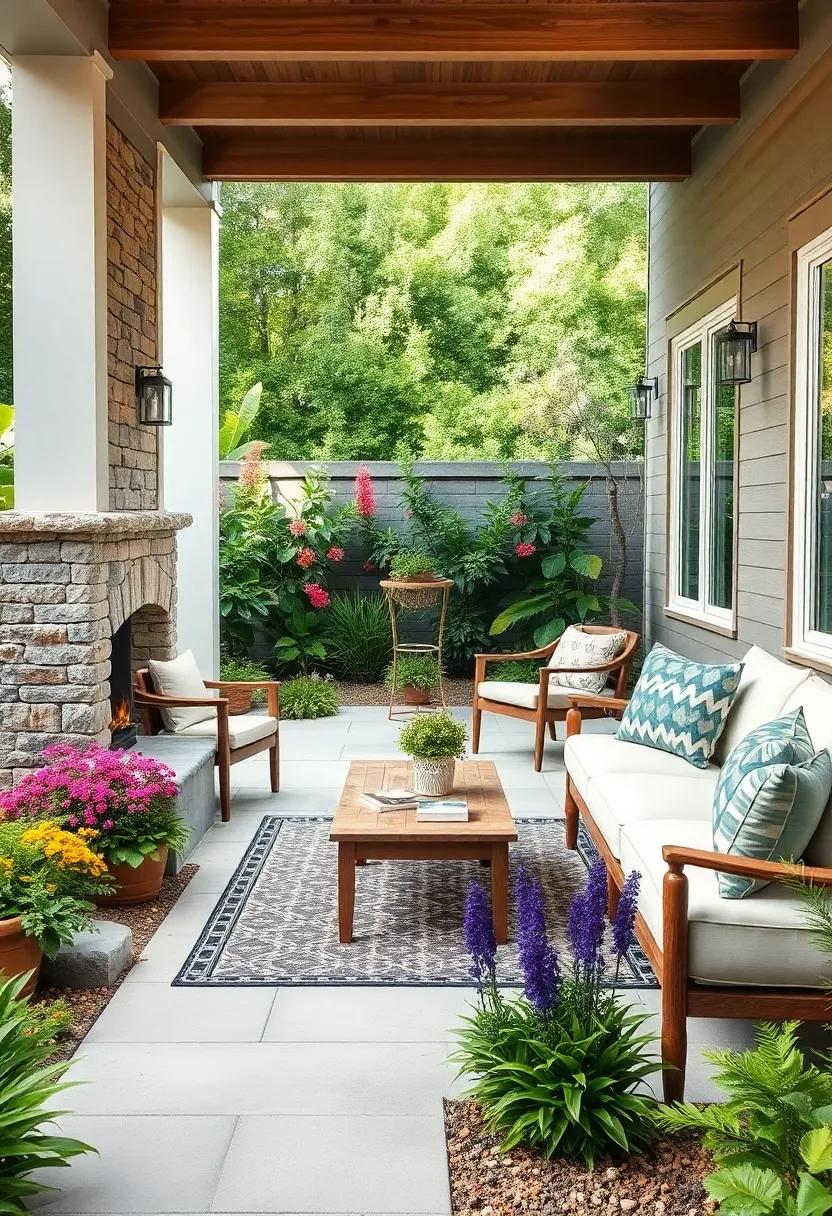
Embrace the natural charm of your front yard by grouping native flowering shrubs that not only burst with vibrant hues but also become lively attractions for local birds. Consider planting clusters of serviceberry, spicebush, and winterberry holly, which offer seasonal highlights ranging from soft spring blooms to fiery autumn berries. These plants create an inviting habitat, encouraging songbirds and pollinators to visit your space regularly, while their varying bloom times ensure your yard stays colorful and dynamic throughout the seasons.
For easy planning, use this simple planting guide below to match bloom periods with bird-friendly benefits:
| Shrub | Bloom Season | Bird Attraction |
|---|---|---|
| Serviceberry | Spring | Songbirds enjoy its berries |
| Spicebush | Early Spring | Attracts hummingbirds & butterflies |
| Winterberry Holly | Late Fall/Winter | Provides winter food for birds |
| Buttonbush | Summer | Favored by waterfowl and songbirds |
| Arrowwood Viburnum | Late spring | Offers shelter and berries |
Develop a drought-resistant native garden featuring cacti and hearty perennials for sustainability and style

Transform your front yard into a vibrant, water-wise haven by embracing the natural resilience of native cacti and hearty perennials. These plants not only thrive in dry conditions but also add unique textures and shapes that bring artistic flair to any landscape.Imagine the sculptural charm of prickly pear cacti paired with the soft, feathery foliage of native sages, creating a dynamic contrast that’s both visually arresting and ecologically responsible. By choosing varieties adapted to your region’s climate, you reduce the need for supplemental watering and maintenance, ensuring your garden remains lush and lively with minimal effort.
Consider incorporating these drought-tolerant natives for a winning combination of sustainability and style:
- Echinocereus engelmannii (Engelmann’s Hedgehog Cactus) – bold spines add architectural interest
- Agave parryi (Parry’s Agave) – striking rosette form doubles as a sculptural centerpiece
- Salvia greggii (Autumn Sage) – vibrant blooms to attract hummingbirds and pollinators
- Penstemon barbatus (Beardtongue) – tubular flowers in fiery reds and oranges
- Dasylirion wheeleri (Desert Spoon) – slender leaves with a windswept appearance
| Plant | Water Needs | Bloom Season | Garden Role |
|---|---|---|---|
| Engelmann’s Hedgehog Cactus | Very Low | Spring | Focal Point |
| Parry’s Agave | Low | Summer (rare blooms) | Accent |
| Autumn Sage | Low | fall | Pollinator Magnet |
| Beardtongue | Low | Summer | Color Contrast |
| desert Spoon | Very Low | Spring | Texture Provider |
Layering these plants with varied heights, textures, and colors not only creates visual depth but also establishes a self-sustaining ecosystem that supports local wildlife. Pairing tough succulents with long-lasting perennials cultivates a garden that ages gracefully and demands less water, fertilizers, and chemicals. With strategic placement, you can weave garden paths and seating areas surrounded by this hardy greenery, offering a welcoming outdoor retreat that beautifully balances function and flair.
Frame your front porch with pots filled with native herbs and small flowering plants for intimate detail
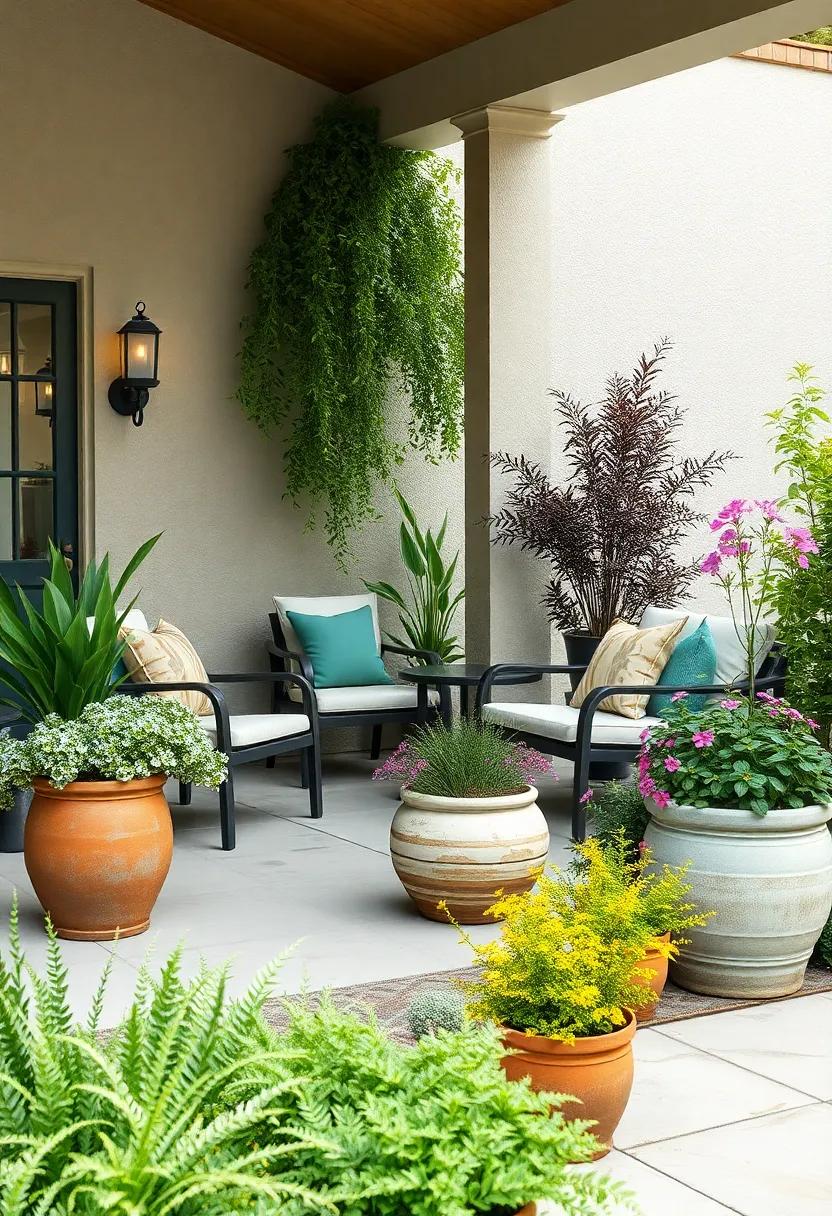
Elevate the charm of your front porch by adorning it with pots brimming with native herbs and petite flowering plants. These containers create a cozy, inviting ambiance that blends seamlessly with your home’s natural surroundings while adding pops of color and texture. Imagine fragrant basil, mint, or rosemary alongside delicate blooms like blanket flowers or creeping phlox, collectively crafting an intimate canvas of scent and vibrancy that greets every guest warmly.
To achieve a harmonious display, consider grouping pots of various heights and materials—terra cotta, glazed ceramic, or rustic wooden barrels—to introduce an eclectic yet cohesive touch. Native species not only thrive with less maintenance but also support local pollinators,blending beauty with sustainability. Use the table below to select the perfect native herbs and flowering companions for your porch:
| Native Herb | Small Flowering Companion | Care Tips |
|---|---|---|
| Thyme | Wild Indigo | Full sun, well-drained soil |
| Sage | Coreopsis | Moderate watering, avoid waterlogging |
| Oregano | Black-Eyed Susan | Partial sun, drought tolerant |
| Lavender | Yarrow | Needs good air circulation, sandy soil |
Establish a native rock and plant feature incorporating boulders and alpine species for rugged charm
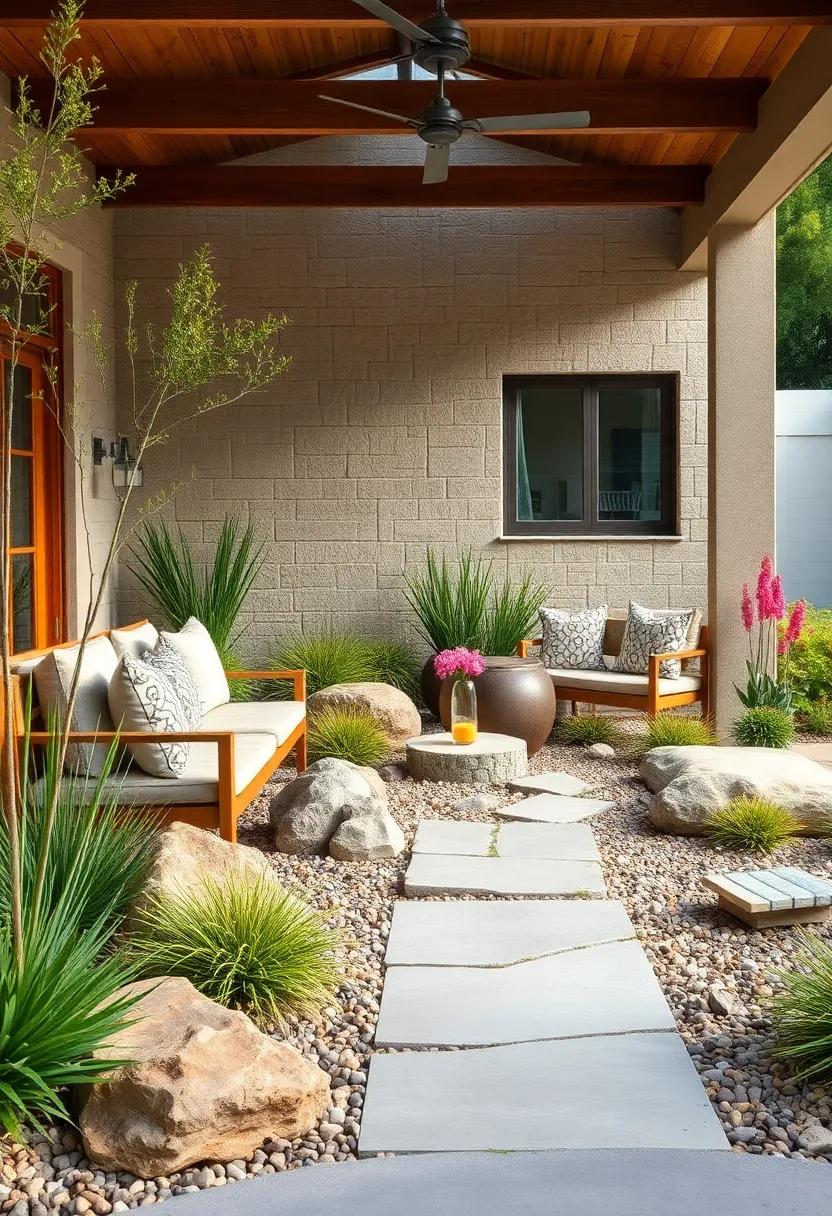
Incorporate rugged charm into your front yard by crafting a stunning natural rock garden rich with native boulders and alpine plants. The combination of weathered stones and hardy, low-growing species creates a harmonious landscape that blends seamlessly with the surrounding environment. Select boulders of varying sizes to add visual interest and create natural terraces or focal points. Around these, plant alpine natives such as creeping thyme, alpine sedum, and dwarf conifers that thrive in rocky, well-drained soils. This palette not only requires minimal maintenance but also ensures year-round texture and color.
to help you curate the perfect mix of alpine plants,refer to the table below showcasing ideal native species known for their durability and aesthetic appeal:
| Plant | Height | Bloom Season | Sun Preference |
|---|---|---|---|
| Creeping Thyme | 4-6 inches | Summer | Full sun |
| Alpine Sedum | 3-5 inches | Late Spring | full Sun |
| Dwarf Mountain Pine | 12-18 inches | Evergreen | Partial shade |
| Rock Cress | 6-8 inches | Spring | Full Sun |
- Arrange stones naturally: Mimic the randomness of nature by staggering boulders for authenticity.
- Emphasize structure: Use stones as borders or to create small mounds that elevate plants.
- Choose drought-tolerant plants: Alpine species excel in dry, rocky conditions, reducing watering needs.
Include native ground covers to reduce lawn area and create a lush, natural carpet
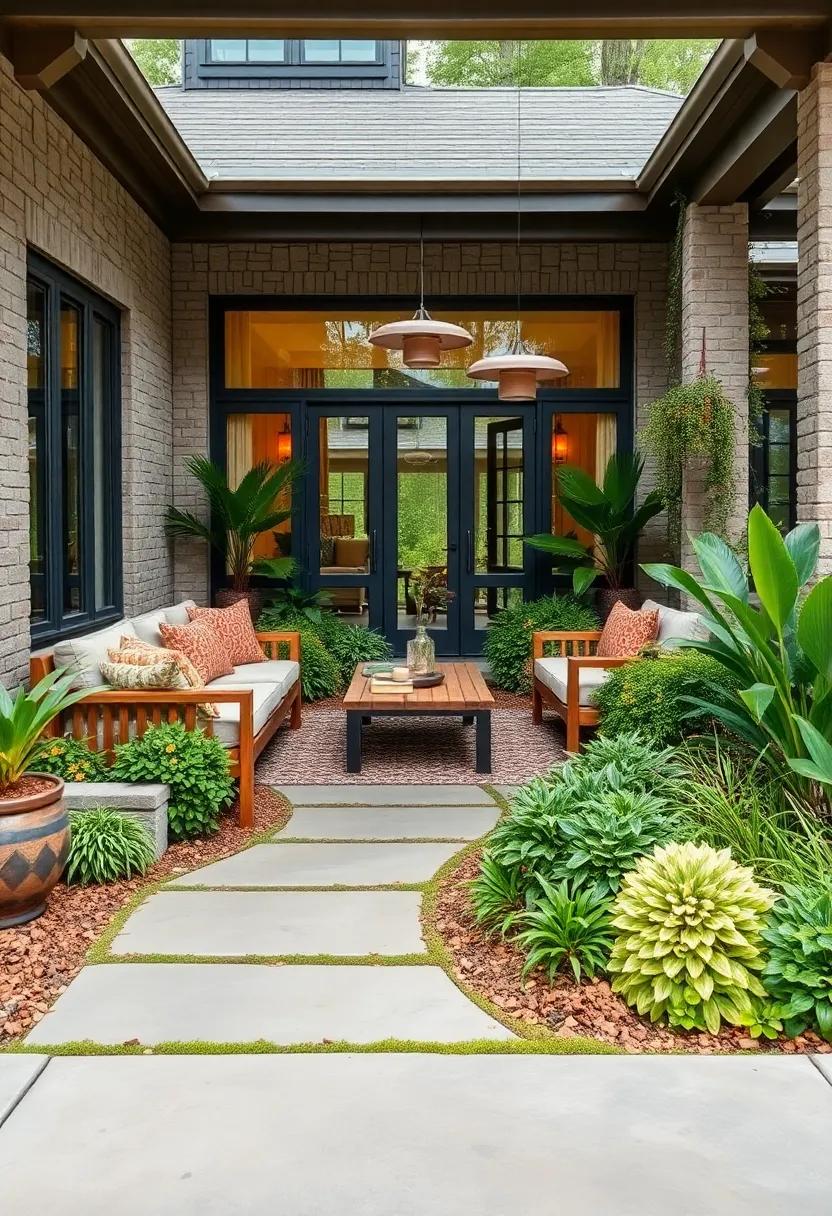
Embracing native ground covers in your front yard design does more than just reduce the customary lawn area—it invites a sustainable and vibrant ecosystem right to your doorstep. These hardy plants flourish with minimal maintenance and water, offering a verdant, textured carpet that transforms bare soil into a living, breathing canvas. Think of lush blankets of creeping thyme, woolly sedge, or bearberry intertwining effortlessly beneath taller shrubs and perennials. This harmonious layering not only elevates the visual appeal but also supports local pollinators and wildlife, making your curb appeal both stunning and eco-conscious.
Benefits of Native Ground Covers:
- Reduces water consumption by thriving in local climate conditions
- Minimizes mowing and lawn maintenance time
- Prevents soil erosion with extensive root systems
- Provides year-round visual interest with varied textures and colors
| Native Ground Cover | Sunlight | Drought Tolerance | Special Feature |
|---|---|---|---|
| creeping Thyme | Full to partial sun | High | Fragrant blooms attract bees |
| Bearberry | full sun | Moderate | Bright red berries in fall |
| Woolly Sedge | Partial shade | High | Soft, grass-like texture |
Design a front yard with native plants that support local wildlife corridors and ecological health
Integrating native plants into your front yard not only adds authentic regional charm but also plays a crucial role in supporting wildlife corridors. These corridors act as natural highways for birds, pollinators, and small mammals, connecting fragmented habitats in urban and suburban settings. By choosing plants indigenous to your area, you create a sanctuary that provides food, shelter, and breeding grounds. Think of your yard as an ecological bridge—each native shrub, flower, or grass helps weave a continuous fabric of life, making your curb appeal meaningful on a larger environmental scale.
When designing, focus on a diverse palette of native species that bloom in succession to maintain year-round interest and nourishment for pollinators. Combine flowering perennials with sturdy shrubs and native grasses for texture and wildlife utility. Here’s a simple guide for key plant types to incorporate:
| Plant Type | Example | Wildlife Benefit |
|---|---|---|
| Flowering Perennial | Black-eyed Susan | Attracts bees and butterflies |
| Shrub | Serviceberry | Provides berries for birds |
| Grass | Little Bluestem | Nesting material for small birds |
Incorporate native climbing vines on trellises to add vertical greenery and soften architectural lines

Vertical greenery breathes life into your front yard by effortlessly blending nature with architecture. Native climbing vines,when trained on trellises,create an enchanting,living tapestry that softens hard edges while providing year-round interest. These plants not only add lush texture but also attract local pollinators, contributing to a vibrant and eco-friendly landscape. Imagine delicate trumpet honeysuckle weaving through wooden lattice or fragrant clematis crowning wrought iron supports—each vine telling a story of place and season, elevating your home’s facade with subtle charm.
Benefits of using native climbing vines on trellises:
- Enhance privacy without bulky fences
- Reduce urban heat by shading walls
- require less maintenance due to local adaptability
- Encourage birds and beneficial insects
- create dynamic seasonal visuals with flowers and foliage
| Native Vine | Bloom Season | Growth Habit |
|---|---|---|
| Trumpet Honeysuckle | Summer | Twining |
| Virginia Creeper | Fall (foliage) | Climbing via tendrils |
| Carolina Jessamine | Late Winter – Spring | Twining |
| Crossvine | Spring | Twining |
Use a palette of native plants that thrive in your region’s soil and climate for a resilient and stunning landscape
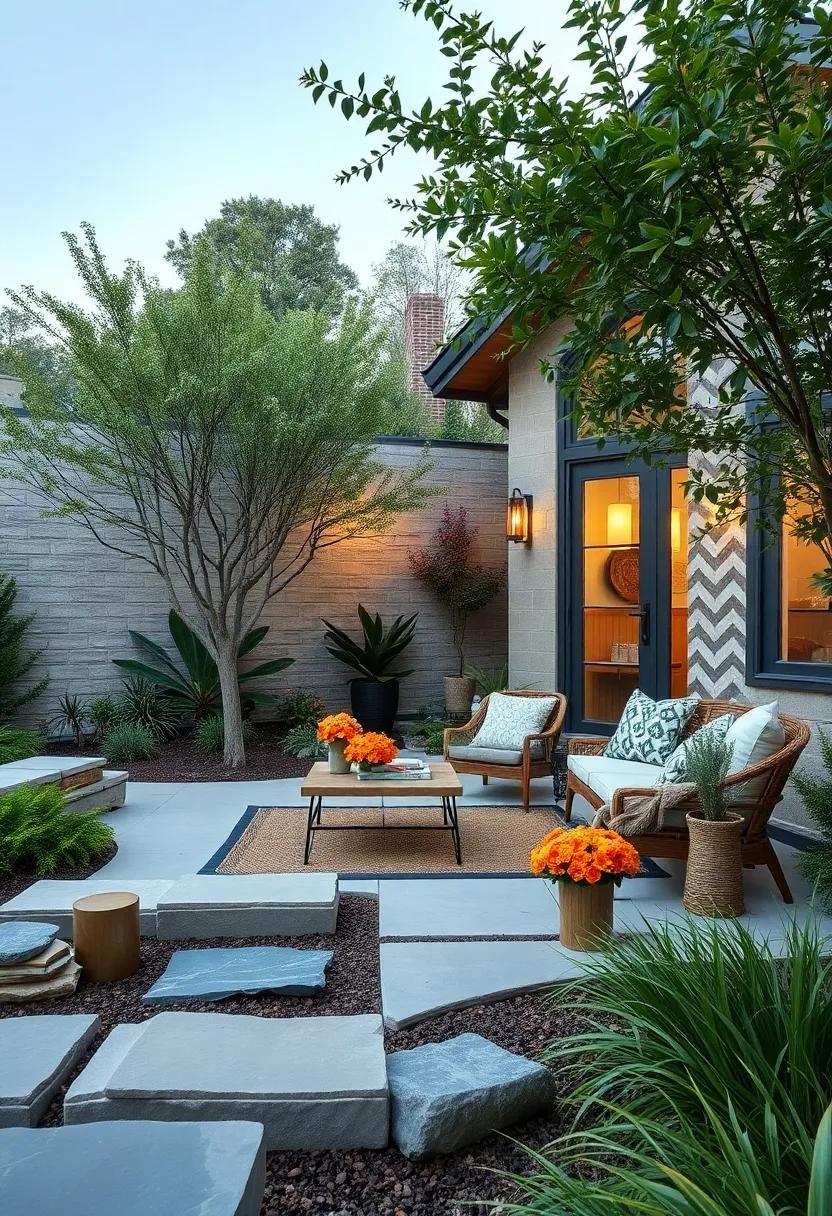
Choosing plants that are naturally adapted to your local environment lays the foundation for a front yard that not only looks breathtaking but also flourishes with minimal effort. Native plants are fine-tuned by evolution to withstand your region’s soil conditions and climate extremes, meaning they require less water, fewer fertilizers, and minimal pest control.Their deep root systems promote healthy soil structure and help with rainwater absorption, reducing erosion and runoff. By selecting a vibrant mix of shrubs, perennials, and ground covers indigenous to your area, you cultivate a resilient landscape that supports local wildlife such as pollinators and birds, creating a lively, dynamic outdoor space year-round.
When planning your plant palette, consider layering textures, heights, and blooming seasons to maintain visual interest through the seasons while ensuring ecological harmony. Below is a quick reference table to inspire your choices according to common regional conditions:
| Region | Soil Type | Recommended Native Plants | Benefits |
|---|---|---|---|
| Southeast | Clay,acidic |
|
Drought tolerance,attracts butterflies |
| Pacific Northwest | Loamy,well-drained |
|
Evergreen interest,bird-friendly |
| Southwest | Sandy,alkaline |
|
Extremely drought-resistant,low maintenance |
Final Thoughts
Embracing native plants in your front yard isn’t just a design choice—it’s a celebration of the natural beauty and resilience that thrives in your own backyard. These 23 stunning front yard designs prove that cultivating curb appeal can be both captivating and eco-friendly. Whether you’re drawn to bold blooms, textured foliage, or serene greenery, native plants offer endless possibilities to create a welcoming, sustainable landscape that stands the test of time. So, why not let your front yard tell a story that’s uniquely local, beautifully vibrant, and effortlessly inviting? Your dream garden is waiting to take root.
As an Amazon Associate I earn from qualifying purchases.