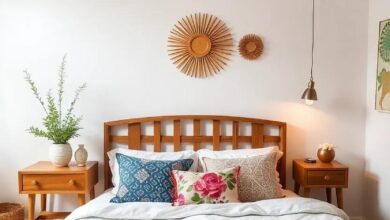
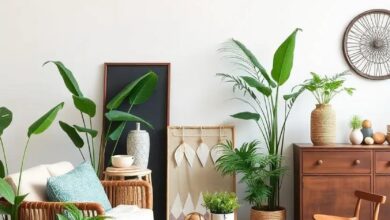
25 Inspiring Ways to Master Eclectic Design with Mixed Patterns for Every Space
Looking to breathe new life into your home with a style that’s as bold and unique as you are? Eclectic design is the perfect playground for mixing and matching patterns in unexpected, yet harmonious ways. In this listicle, we explore 25 inspiring ways to master eclectic design with mixed patterns for every space—from cozy living rooms to vibrant bedrooms and beyond. Whether you’re a seasoned decorator or just dipping your toes into pattern play,these tips will guide you in blending colors,textures,and prints to create interiors that feel curated,creative,and truly one-of-a-kind. Get ready to transform your space into a dynamic tapestry of style that celebrates your individuality.
Start with a neutral base to let mixed patterns shine without overwhelming the space
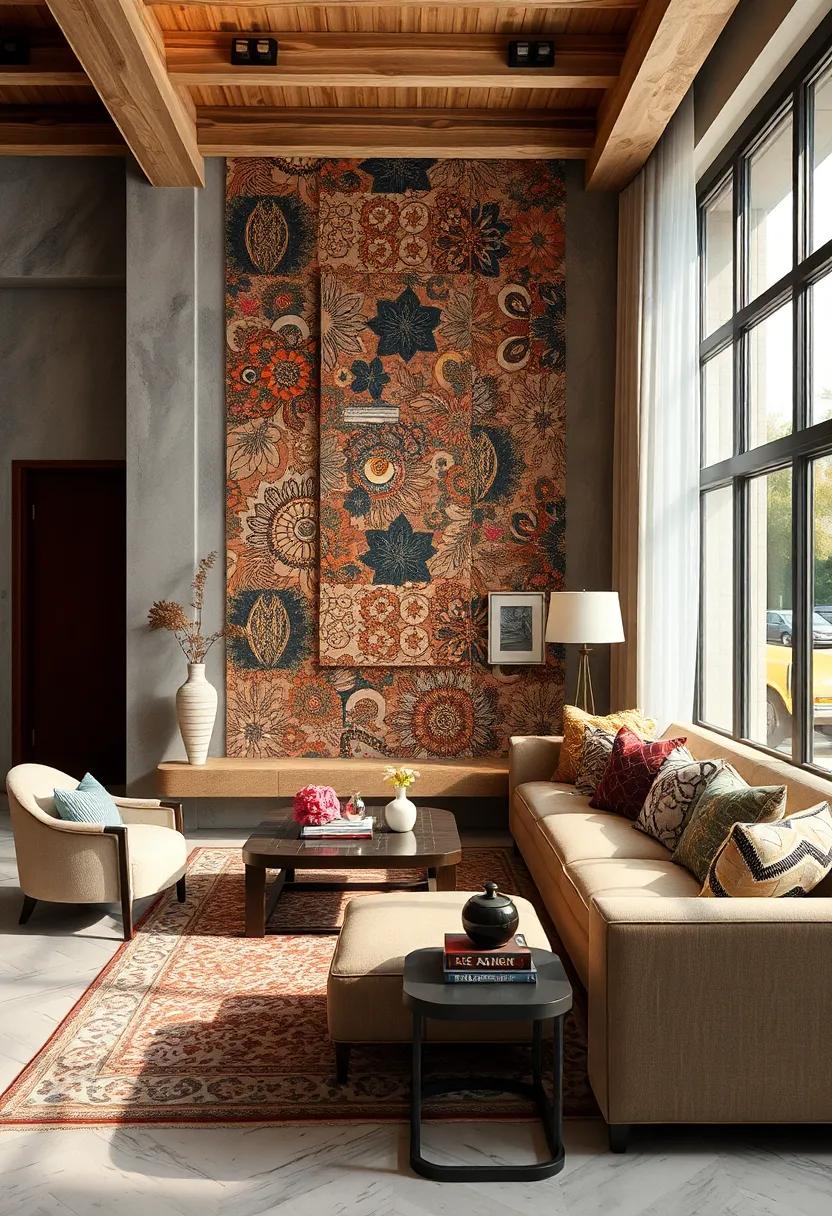
Creating a harmonious surroundings starts with selecting a calm and neutral backdrop. Shades like soft whites, gentle beiges, cool grays, or muted pastels work beautifully to ground your space, providing a subtle canvas that allows vibrant mixed patterns to pop without competing for attention. This subtle foundation gives each pattern the room to breathe and shine, ensuring your eclectic choices feel intentional rather than chaotic.
Keep these pointers in mind when choosing your neutral base:
- Texture matters: Incorporate tactile elements like linen, cotton, or natural wood finishes to add depth without overpowering.
- Limit bold hues: avoid overly saturated neutrals to ensure patterns stay the focal point.
- Consistent undertones: Match warm or cool undertones across walls, floors, and major furnishings to create seamless cohesion.
- Balance with lighting: Natural and layered lighting help soften neutrals and spotlight your mixed patterns effectively.
| Neutral Base | Why It Works |
|---|---|
| Soft White | Creates airy openness, perfect for colorful textiles and artwork |
| Beige | Adds warmth and richness without competing with patterns |
| Light Gray | Offers a modern edge that enhances contemporary prints and geometrics |
| Pale Pastel | Subtle color infusion that complements floral and whimsical patterns |
Combine patterns of varying scales to create depth and visual interest
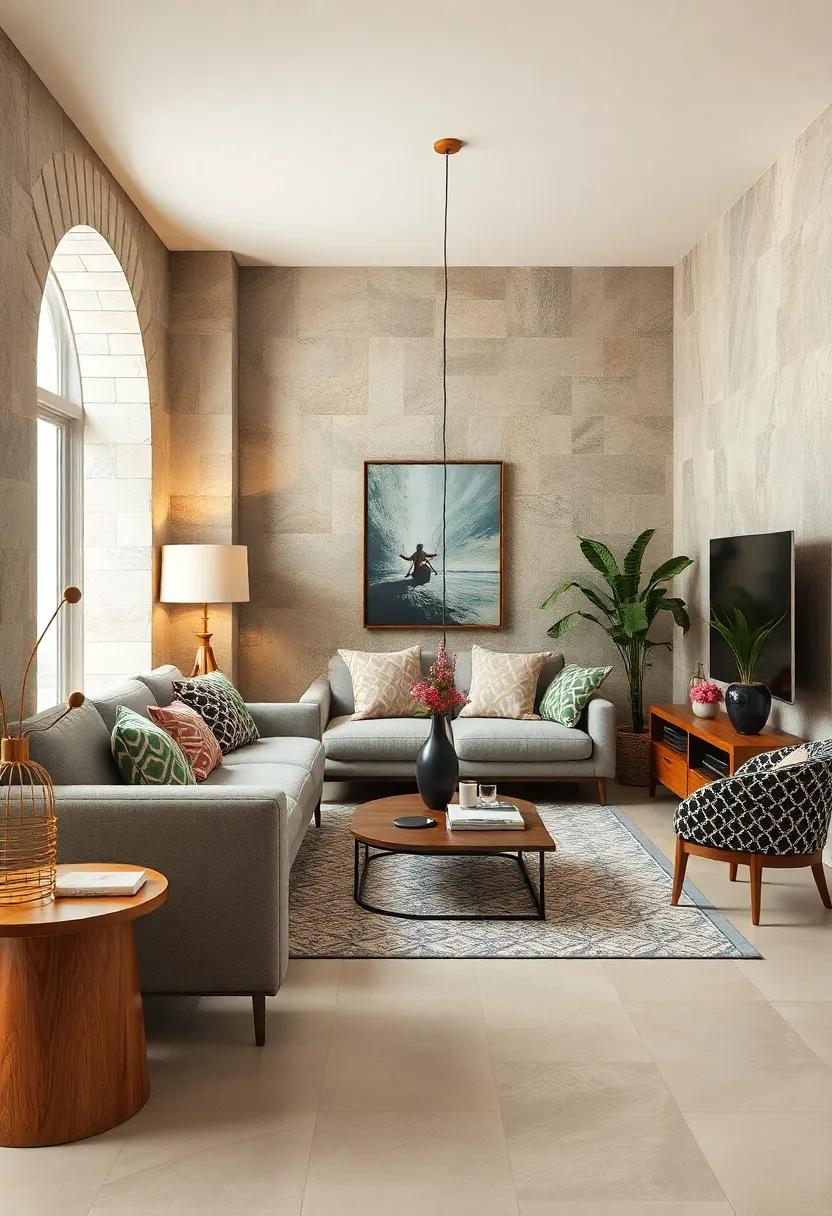
Playing with scale is a secret weapon in eclectic design. When you mix large, dramatic prints with smaller, intricate motifs, you create layers that make your space feel dynamic rather than chaotic. Think oversized floral cushions paired with tiny geometric throws, or wide-striped rugs next to dotted pillows. This contrast naturally draws the eye across the room, inviting guests to appreciate the texture and flow. Balance is key: choose one dominant pattern at a larger scale and complement it with subtler, scaled-down options to avoid overwhelming the space.
To seamlessly blend these varying scales, consider grouping patterns by color or theme. Keeping a cohesive palette allows different sizes and styles to coexist harmoniously without clashing. Experiment with this approach using these combinations:
| Large Scale | Medium Scale | Small Scale |
|---|---|---|
| Bold botanical prints | chevron patterns | Polka dots |
| Oversized geometric shapes | Abstract swirls | Mini floral motifs |
| Wide stripes | Damask designs | Tiny paisley |
- Tip: Use large prints on meaningful pieces like accent walls or rugs.
- Tip: Incorporate medium-size patterns on upholstery or curtains for balance.
- Tip: add small-scale patterns in accessories like cushions or lampshades for subtle depth.
Mix different textures alongside patterns to add tactile dimension to your design
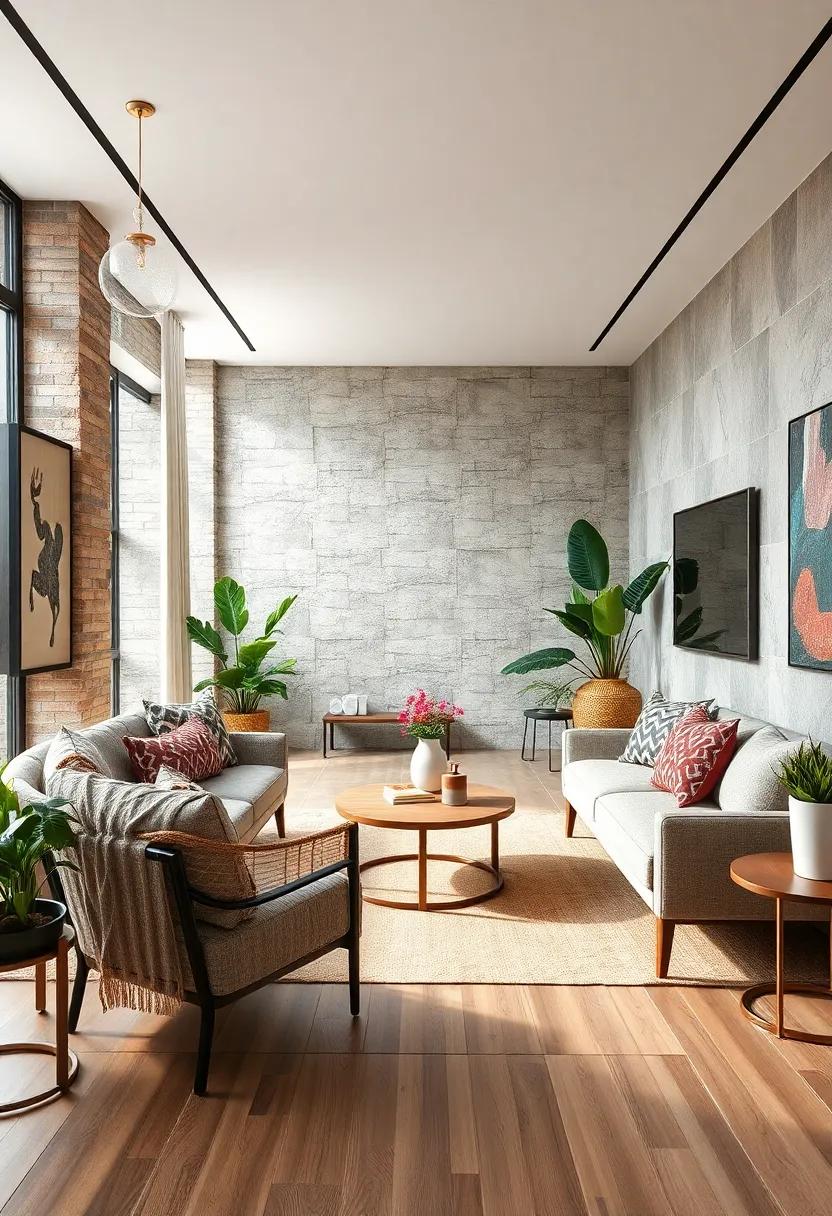
Incorporating a variety of textures along with differing patterns breathes life into any eclectic space. When your eyes can rest on intricate fabric weaves, smooth velvets, or rustic wood grains, the sensory appeal multiplies. Consider pairing a bold geometric print with a plush velvet pillow or layering a coarse, handwoven rug beneath a sleek, patterned glass coffee table. The tactile contrast not only enhances visual interest but also invites touch, making your room feel dynamic and deeply engaging.
To effortlessly balance this tactile dance, mix soft and hard surfaces in thoughtful combinations. For example, juxtapose a silky floral curtain against a distressed leather chair, or match a rough linen throw with a sleek ceramic vase. Below is a quick guide to mixing textures with patterns for maximal effect:
| Pattern Type | Suggested Textures | Effect |
|---|---|---|
| Floral | Soft velvet, delicate lace | Romantic and tactile softness |
| Geometric | Coarse woven fabrics, smooth leather | Bold contrast with elevated dimension |
| Animal print | Faux fur, distressed wood | Wild texture with natural warmth |
| Abstract | Metallic accents, rough cotton | Modern edge with tactile complexity |
use a cohesive color palette to unify diverse patterns and achieve harmony
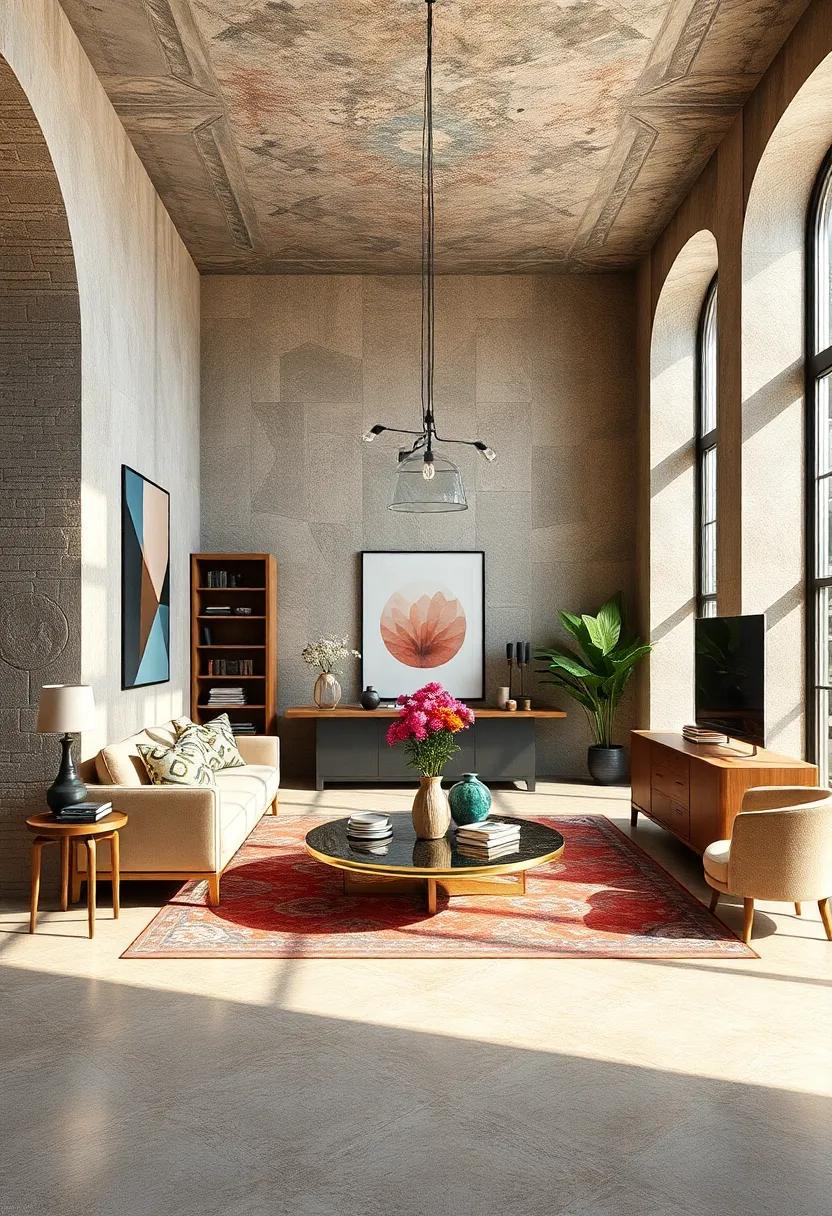
when blending an array of patterns, embracing a unified color palette acts as your design compass, guiding disparate elements toward visual harmony. Select a base of two or three dominant colors and weave them consistently throughout your textiles, wall treatments, and accessories. This strategy tethers bold florals, geometric prints, and abstract motifs, making the overall composition feel intentional rather than chaotic. Whether muted earth tones or vibrant jewel hues, staying true to a selected palette ensures every pattern speaks the same visual language.
Tips for mastering a cohesive color palette:
- Pick a neutral foundation—such as soft grays or warm beiges—to ground the space
- Use accent colors sparingly across patterns to create rhythm
- Incorporate various shades and tints of your chosen palette to add depth without overwhelming
- Balance cool and warm tones to maintain dynamic yet soothing energy
| Palette Type | Example Colors | Ideal For |
|---|---|---|
| Earthy Neutrals | Beige, Olive, Terracotta | Cozy living rooms, rustic kitchens |
| Jewel Tones | Emerald, Sapphire, Ruby | bold bedrooms, statement lounges |
| Soft Pastels | Blush Pink, Mint, Lavender | Airy nurseries, serene reading nooks |
Incorporate geometric prints with florals for a playful but balanced contrast
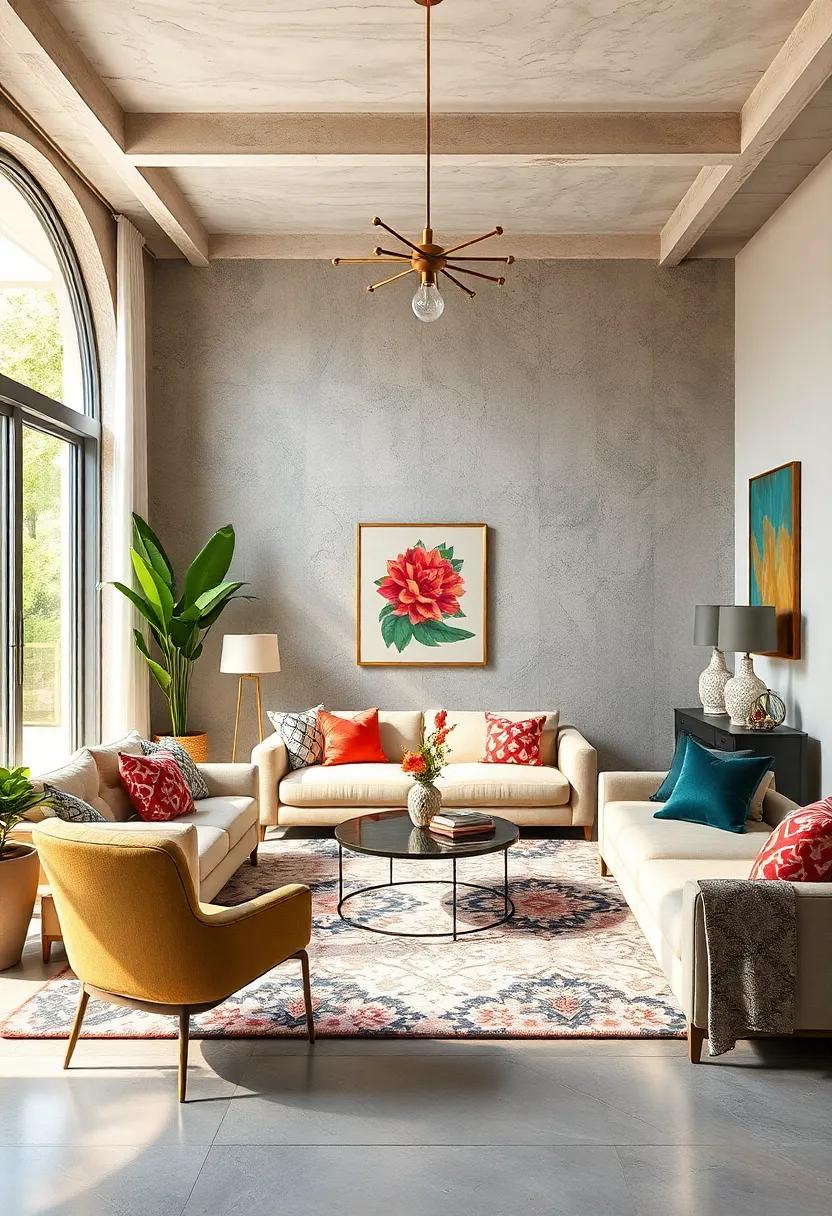
Geometric prints and florals create an unexpected yet harmonious dialog when paired thoughtfully. The sharp angles and repetitive structure of geometric patterns bring a crispness that grounds the organic softness of floral motifs, resulting in a visual dance that adds dimension and intrigue to any room. To achieve a balanced contrast, think beyond just matching colors—consider scale and texture. As a notable example, a bold, oversized geometric rug under subtly patterned floral cushions can create an inviting interplay without overwhelming the space.
Experimenting with layers is key to mastering this mix. try combining a floral wallpaper backdrop with geometric-accented throw pillows or a statement piece of geometric wall art alongside floral upholstery. Don’t shy away from combining different color intensities; a muted floral paired with a vibrant geometric print can energize your decor, while muted tones on both can exude subtle sophistication. Use this table as a quick guide to balance scale and intensity:
| Element | Floral Style | Geometric Counterpart | Effect |
|---|---|---|---|
| scale | Small, delicate blooms | Large, bold shapes | Dynamic contrast that feels modern |
| Color | Soft pastel hues | Shining, saturated tones | playful pop of energy |
| texture | Velvet floral cushions | matte geometric ceramics | Textured layering for depth |
Layer patterned rugs to define zones and create cozy, dynamic areas
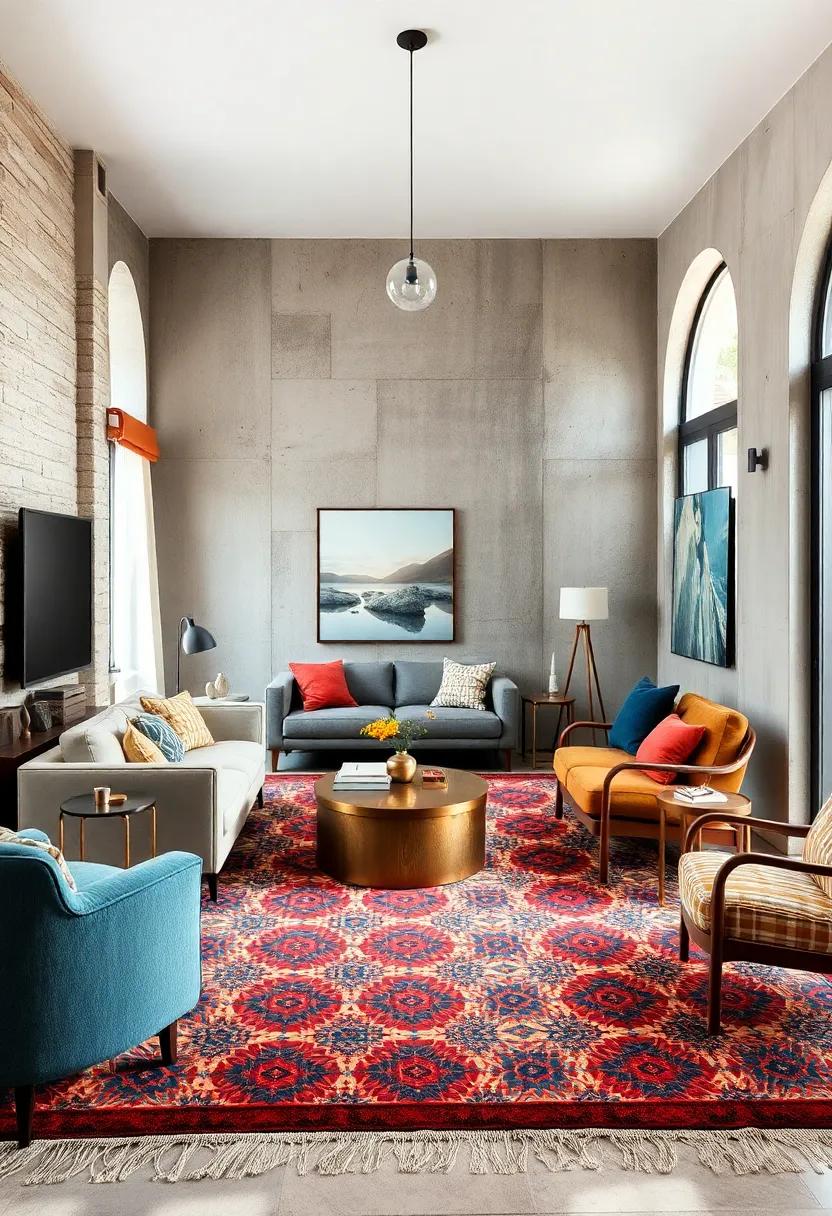
Start by layering rugs with contrasting patterns and textures to carve out specific areas within an open-plan space.A vibrant kilim under a neutral, shaggy rug instantly creates a tactile, multidimensional foundation that invites footsteps and lingers underfoot. This approach not only defines zones — like seating or dining areas — but also infuses warmth and personality. don’t hesitate to mix geometric motifs with florals or tribal designs alongside abstract prints; the key is to balance scale and color to avoid visual chaos.
Tips for prosperous layering:
- Choose a larger, subtle rug as your base layer for grounding the space.
- Overlay a smaller, boldly patterned piece that complements but does not overpower.
- Mix textures—wool, jute, silk blends—for added dimension.
- Play with asymmetry to keep the composition dynamic and fresh.
| Base Rug | Top Rug | Best for |
|---|---|---|
| Neutral jute | Colorful Moroccan | Living rooms,cozy nooks |
| Soft,solid wool | Bold geometric | Dining zones,creative workspaces |
| Muted floral vintage | Abstract modern | bedrooms,reading corners |
Balance bold patterns with subtle,understated elements to avoid visual chaos
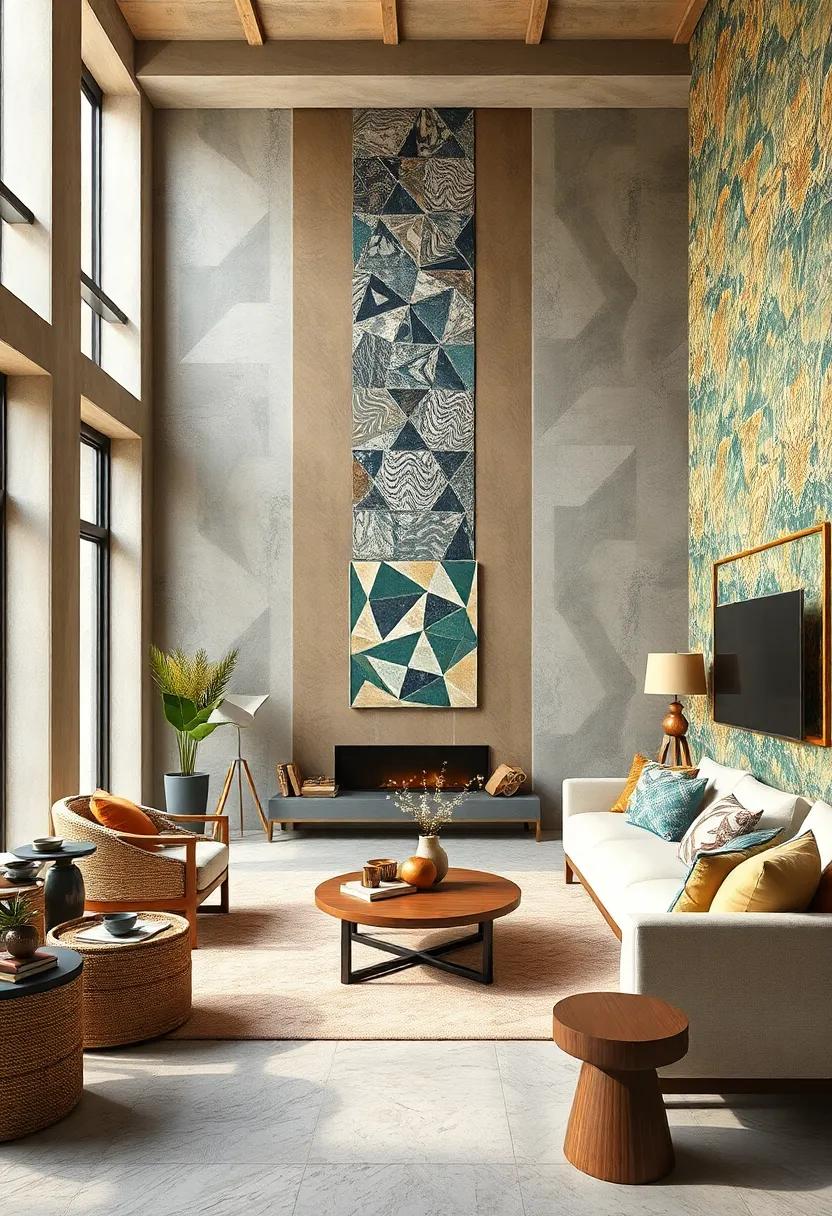
When playing with a mix of bold patterns, it’s essential to anchor your space with subtle, understated elements that act as visual breathing room. Think of this as a design yin and yang: the eye craves moments of rest amid the excitement. Introduce neutral tones, such as soft beiges, gentle grays, or crisp whites, in your walls, furniture, or rugs to ground the vibrancy of your patterned pieces. This balance not only makes each pattern pop but also prevents the room from feeling overwhelming or chaotic.
Additionally, incorporating textures with muted patterns or solid colors can soften the intensity of bold prints. Consider materials like linen cushions, smooth matte ceramics, or simple wood finishes to create contrast without competing for attention. Here’s a quick guide to balancing patterns with understated elements:
| Bold Patterns | Subtle Counterparts |
|---|---|
| Floral chintz in vibrant hues | Neutral linen curtains |
| Geometric wallpaper | Solid-colored sofa in muted tone |
| Animal print pillows | Textured wool throw in soft grey |
| Striped rugs | whitewashed wooden coffee table |
- limit the color palette in subtle elements to those already present in your bold patterns to maintain cohesion.
- Use plain surfaces like glass or metal accents to reflect light and create calm amidst busyness.
- Choose patterns with varying scales: Big prints balanced with small, delicate ones and solid textures for harmony.
Experiment with pattern placement by using unexpected areas like ceilings or backsplashes
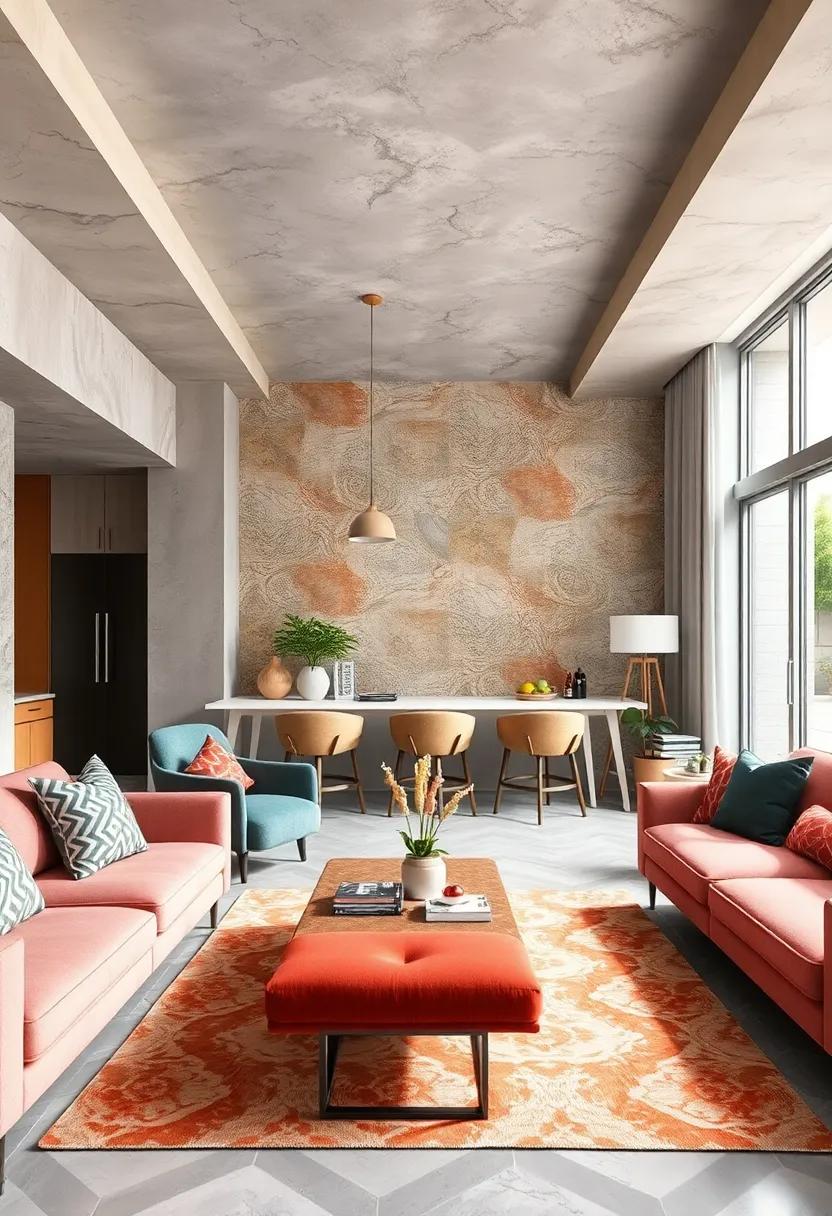
Dare to break free from conventional walls and floors by introducing patterns where least expected. Ceilings, often overlooked, can transform into striking canvases—think bold florals or geometric prints that draw the eye upward, adding an element of surprise and spaciousness. Similarly, backsplashes offer an intimate spot to showcase intricate motifs or vibrant colors, turning functional kitchen or bathroom features into captivating focal points that blend seamlessly with an eclectic mix of furnishings.
To balance these unexpected pattern placements, consider pairing them with complementary textures and tones elsewhere in the room. For instance, a patterned ceiling might be softened with solid or subtly patterned upholstery, while a dynamic backsplash could be echoed by understated accessories. This thoughtful contrast not only keeps the space cohesive but amplifies the eclectic spirit.
| Area | Pattern Idea | Effect |
|---|---|---|
| Ceiling | Bold geometric wallpaper | Adds height and drama |
| backsplash | Intricate Moroccan tile | Creates cozy vibrancy |
| Under Stair Nook | Floral stencil motifs | invites curiosity |
| Cabinet Interiors | Playful polka dots | Surprise on opening |
Mix traditional prints with modern motifs for a timeless yet fresh eclectic feel
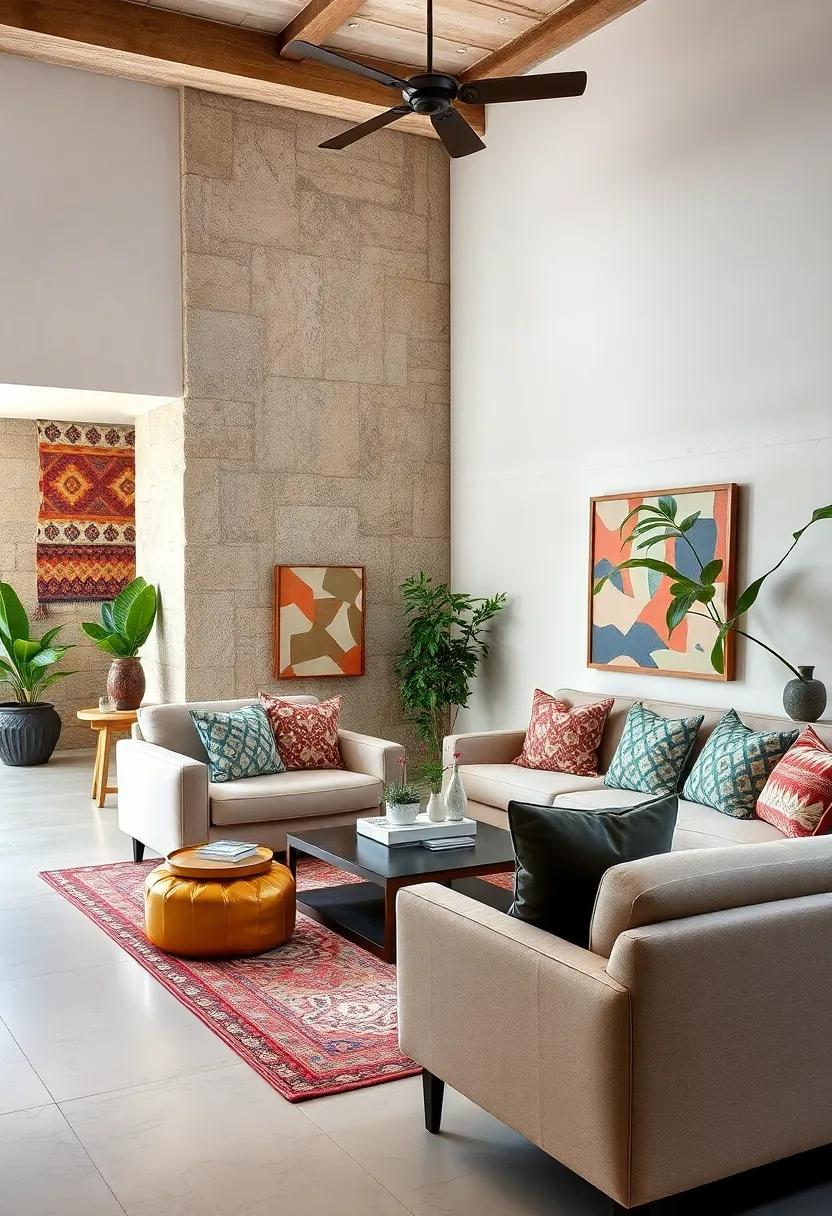
Embracing the dynamic harmony between traditional prints and modern motifs breathes life into any interior by layering history with contemporary flair. Imagine a velvet armchair adorned with intricate paisley patterns paired with a sleek, geometric rug that anchors the room in present-day aesthetics. This blend invites a dialogue between the old and the new,crafting a space that feels enduring yet invigorating. To strike the perfect balance, consider mixing warm, classic textures such as damask or toile with bold abstract shapes or minimalist lines, generating a visual rhythm that feels curated, not chaotic.
To effortlessly weave these elements together, focus on shared color schemes or complementary hues that allow the patterns to complement rather than compete. Here’s a quick guide to pairing prints:
| Traditional Print | Modern Motif | Why It Works |
|---|---|---|
| Floral Chintz | Abstract Line Art | Organic curves meet simplicity |
| Moroccan Tiles | Bold Polygons | Intricate repeats meet structural geometry |
| Classic Stripes | Asymmetrical Spots | Orderly rhythm balances playful chaos |
- Anchor your space with a large rug or wallpaper featuring one of the patterns.
- Use smaller accents like throw pillows or lampshades to introduce the contrasting motif.
- Maintain cohesion by repeating colors found in both prints throughout your accessory choices.
Employ stripes and dots together to maintain energy without clashing

Pairing stripes with dots creates a dynamic visual conversation that breathes life into any room without overwhelming the senses. the linear rhythm of stripes brings structure, guiding the eye smoothly across a space, while the playful randomness of dots adds an unexpected bounce. To keep this balance harmonious, select patterns that share a common color palette or scale to avoid visual chaos. As an example, thin navy stripes paired with small white dots on a soft gray background can maintain a fresh, cohesive vibe that energizes without clashing.
Experimenting with different scales amplifies the charm of this combo. try larger, bold stripes on upholstery, complemented by delicate dotted pillows or lampshades to create layers of interest. Mixing horizontal and vertical stripes with various dot arrangements further enlivens the design, making rooms feel curated and intentional. Here’s a quick guide to nailing this fusion:
| Pattern Element | Recommended Scale | Best Color Coordination |
|---|---|---|
| Stripes | Medium to wide | Neutral tones with bold accents |
| Dots | Small to medium | Monochromatic or complementary hues |
| Overall Effect | – | Energetic yet balanced |
Use patterned throw pillows and blankets to introduce mixed prints in small doses
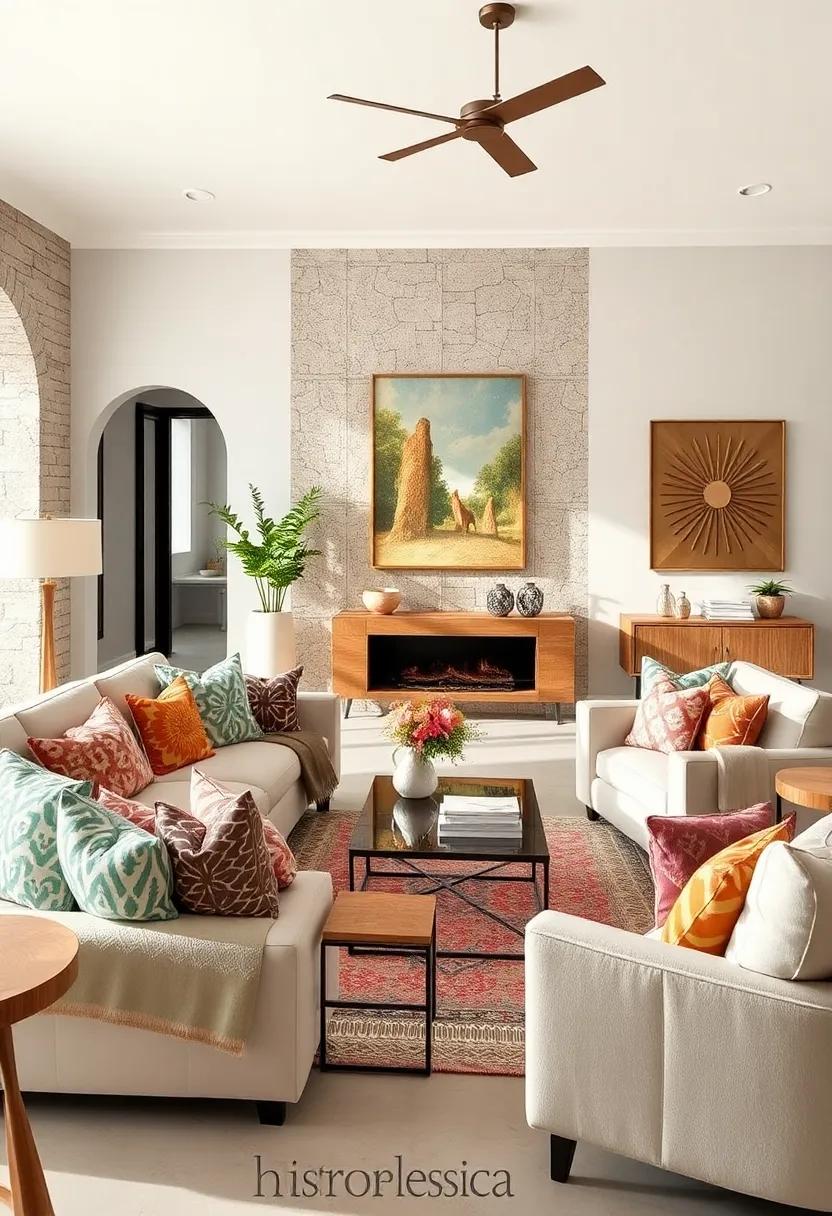
Integrating vibrant patterns into your space can feel overwhelming, but using throw pillows and blankets as your entry point keeps things approachable and stylish. These small accessories allow you to experiment with bold florals, geometric shapes, or intricate tribal prints without committing to a full room overhaul. By layering a variety of textures and patterns—think velvet cushions paired with knitted throws—you create a dynamic focal point that invites both comfort and visual interest.
to master this technique,consider mixing prints that share a common color palette. this subtle link harmonizes diverse patterns, ensuring the look feels curated rather than chaotic. For example, anchor your sofa with a deep navy pillow featuring gold accents, then toss in a lightweight blanket with a complementary abstract motif. This approach lets you introduce eclectic charm in manageable, ever-changeable doses, perfect for refreshing your space with seasonal trends or personal flair.
Pair vintage patterns with contemporary furniture for a curated, collected look
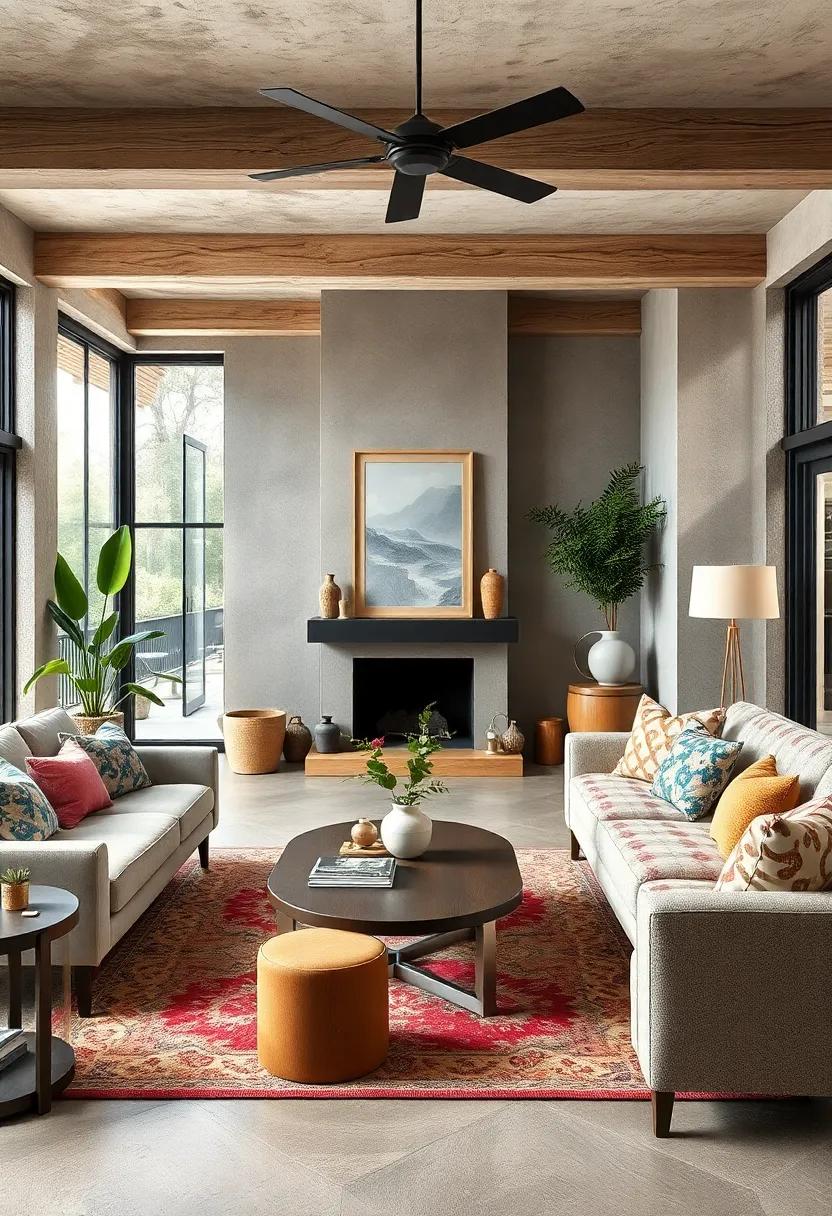
Blending vintage patterns with sleek,contemporary furniture creates a dynamic interplay between past and present,adding depth and personality to your interiors. Think of pairing a floral,damask,or toile upholstery with clean-lined metal or lacquered pieces to instantly elevate the ambiance. This contrast not only highlights the intricate details of vintage motifs but also grounds the overall aesthetic, preventing it from feeling too busy or dated. Use timeless color palettes to unify the look—a soft blush, muted navy, or earthy terracotta can bridge the gap between retro charm and modern simplicity effortlessly.
to achieve a curated, collected vibe without overwhelming the senses, balance is key. Complement patterned vintage fabrics with solid, minimalist cushions or throws in complementary hues.Inject subtle texture through materials like velvet pillows or a sisal rug to add layers without clashing visually. A smart way to play this mix involves grouping similar colors or shapes across your space, tying together mixed elements harmoniously. Consider this easy reference guide for pairing pattern types with furniture styles:
| Vintage Pattern | Contemporary Furniture Style | recommended Color Palette |
|---|---|---|
| Damask | Mid-century modern | Soft greys & warm wood tones |
| Floral | Minimalist metal frame | Blush pink & matte black |
| Geometric vintage | Scandinavian neutral | Muted blues & whites |
Combine animal prints with abstract designs for an edgy and artistic vibe

infuse your space with an avant-garde energy by marrying the raw, untamed aura of animal prints with the fluid unpredictability of abstract designs. This unexpected duo crafts an environment where wild meets whimsy,making every corner feel like a spontaneous art exhibit. imagine a plush leopard-print throw casually tossed over a chair adorned with bold, swirling brushstroke cushions. The key to pulling it off lies in balancing scale and color: match a large,graphic abstract pattern with smaller,detailed animal motifs to prevent visual overload while maintaining dynamic tension.
- Choose a diverse color palette: Earthy browns and ochres in leopard spots contrast beautifully with vibrant cobalt or fiery red abstracts.
- Mix texture with pattern: Pair smooth, painted abstract wall art with the tactile depth of a faux fur zebra print rug.
- Keep furniture neutral: Let your bold mixes shine against neutral backdrops like matte black or crisp white.
Creating harmony between these patterns can be challenging but rewarding—this combo thrives when curated thoughtfully, favoring eclectic over chaotic. To help conceptualize, consider this simple table of complementary pairings:
| Animal Print | Abstract Style | ideal palette |
|---|---|---|
| Leopard | color Drips | Warm Neutrals + Splashes of Burnt orange |
| Zebra | Geometric Shapes | Monochrome + pops of Electric Blue |
| Snake | Layered Brushstrokes | Olive Green + Muted Gold |
Introduce ethnic-inspired patterns to bring cultural richness and storytelling
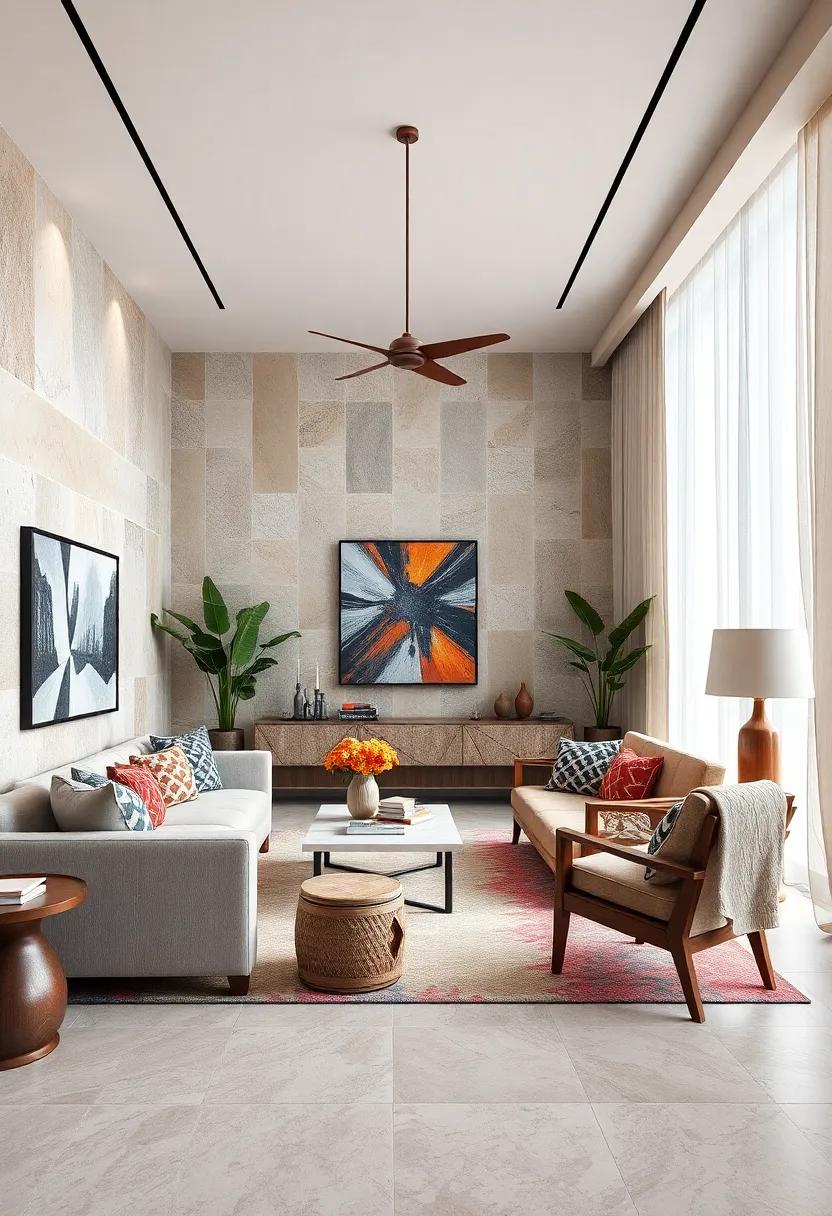
delving into ethnic-inspired patterns is like opening a vibrant storybook filled with culture and history. Whether it’s the bold geometrics of African mudcloth,the intricate motifs of Persian carpets,or the playful florals from Mexican textiles,these designs add depth and character to any room. To keep the look fresh and cohesive, pair these patterns with neutral or solid-colored elements that allow the rich symbolism to shine without overwhelming the space. Consider accent pillows, throws, or wall hangings that serve as focal points, instantly turning your interiors into a canvas of heritage and artistry.
Balance is key when mixing diverse cultural patterns. Use color palettes that resonate across different ethnic designs to create harmony — like earthy ochres paired with deep indigos or warm terracottas combined with lush greens. Below is a quick guide on pairing ethnic patterns with complementary elements for effortless storytelling:
| Ethnic Pattern | Complementary Colors | Suggested Textures |
|---|---|---|
| Navajo Prints | Rust, Cream, Navy | Woven Wool, Leather |
| Ikats | Coral, Teal, Mustard | Silk, Linen |
| Moroccan Tiles | Emerald, white, Gold | Ceramic, Metal |
Use repeated colors across different patterns to create a visual thread
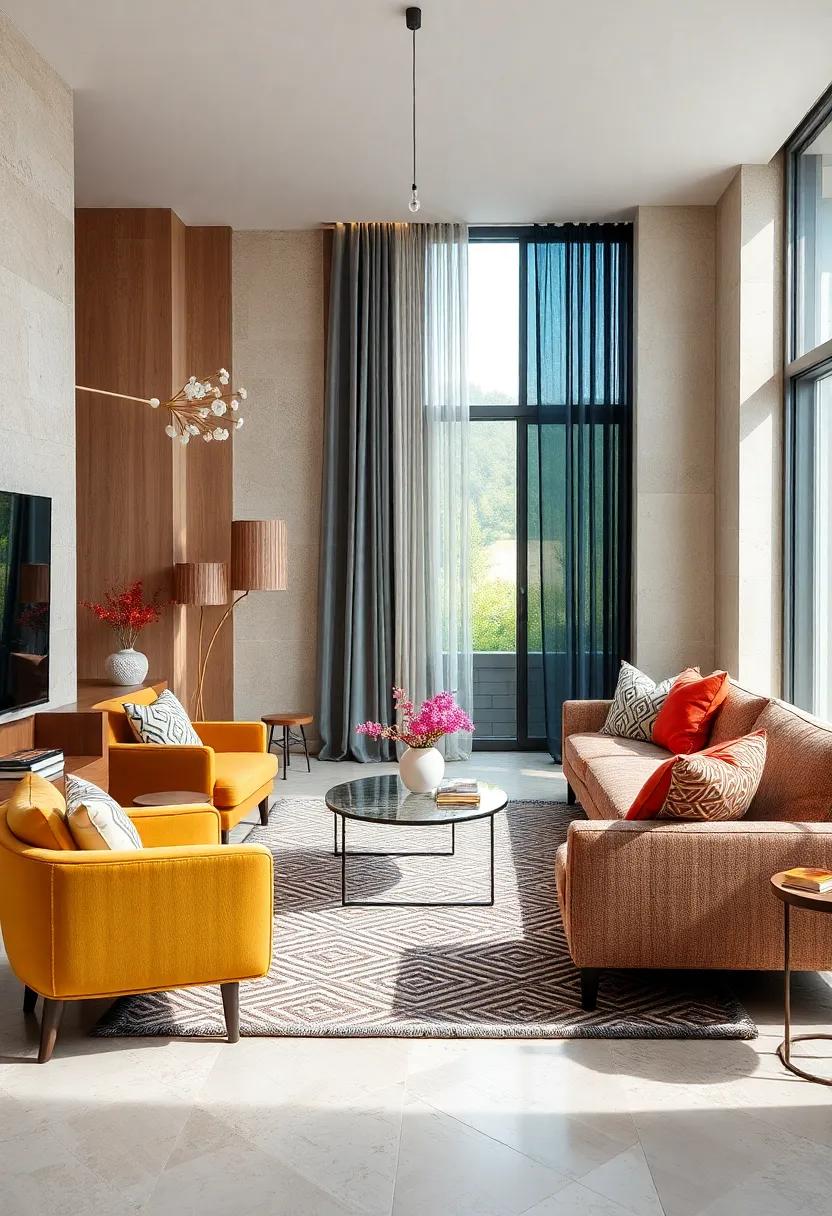
Bringing cohesion to eclectic spaces is easier than you think when you anchor your design with a consistent color palette that weaves through diverse patterns. Imagine a living room where a bold floral sofa with vibrant blues and yellows meets geometric cushions that mirror the same hues in softer tones. This purposeful repetition doesn’t just unify the space visually—it creates a harmonious rhythm that guides the eye and invites you to explore every layer of the design. It’s a subtle strategy that tames the unpredictability of mixed patterns, ensuring each piece complements rather than competes.
To amplify this effect, pair your favorite colors across different textures and scales—consider a striped rug in navy next to a dotted curtain with navy accents, or a paisley throw pillow echoing the deep reds in a striped armchair. The key is consistency in color rather than pattern style, allowing you to mix florals, geometrics, and abstract prints fearlessly while maintaining visual flow. Here’s a quick guide to balancing your color repeats:
| Pattern Type | Color Application | Effect |
|---|---|---|
| Florals | Use dominant color as accent cushions | Softens and ties bold elements |
| Geometric | Incorporate repeated color in rugs or throws | Adds structure and coherence |
| Abstract | Highlight repeated color in wall art | Creates focal continuity |
Mix warm and cool tones in your patterns to enhance contrast and balance
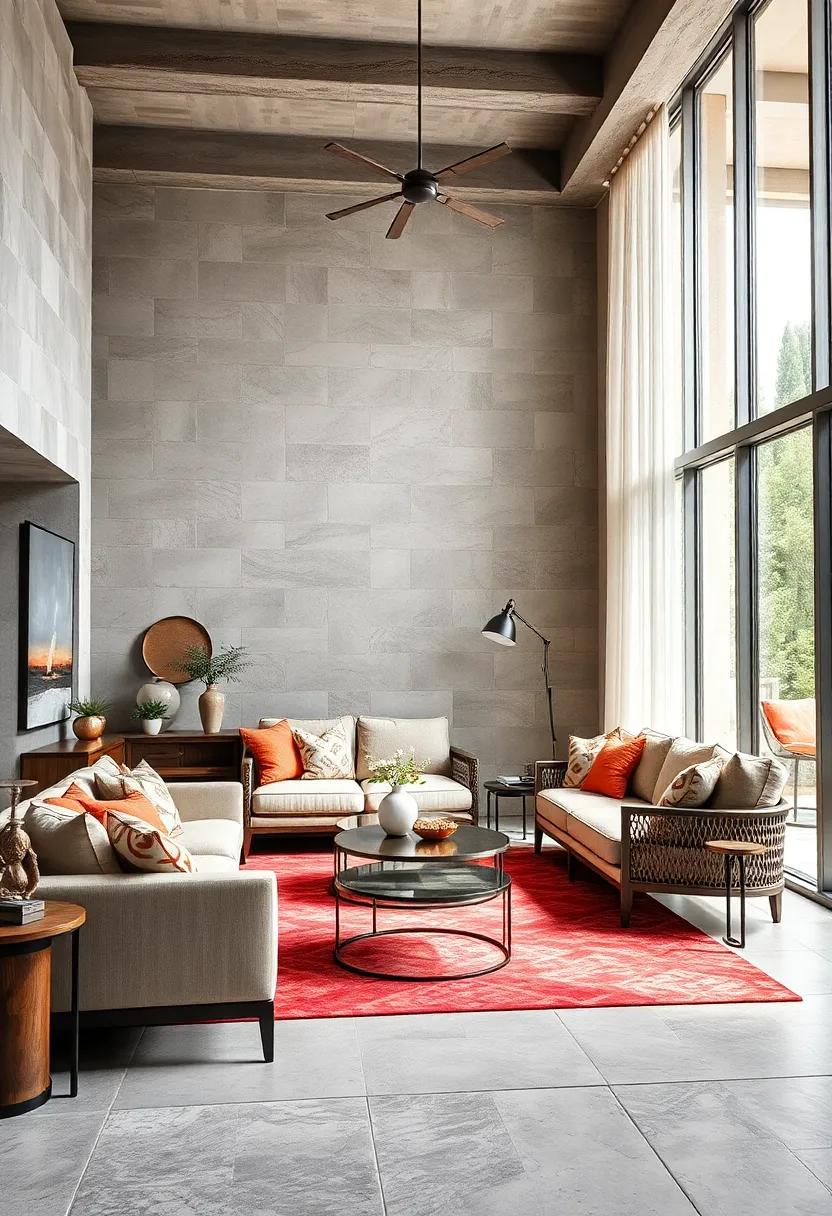
Bringing together warm and cool tones in your patterns creates a dynamic visual interplay that elevates any eclectic space. Consider pairing a rich, sun-kissed ochre floral with a crisp, oceanic blue geometric print.This contrast not only enhances the individuality of each pattern but also establishes a harmonious balance that guides the eye around the room effortlessly. The warmth invites comfort and coziness, while the cool tones offer a refreshing breath of air, ensuring your design never feels one-dimensional or overwhelming.
To master this technique, focus on integrating patterns that complement each other in scale and intensity. Mixing a bold, warm-toned ikat with a delicate, cool-hued stripe can create a layered effect without clashing. Use the following quick-reference table to inspire your combinations:
| Warm Tone Pattern | Cool Tone Pattern | Effect |
|---|---|---|
| Burnt orange paisley | Slate grey chevron | Subtle vibrancy with calm balance |
| Terracotta floral | Teal polka dots | Playful contrast with depth |
| Golden yellow damask | Indigo plaid | Rich juxtaposition with historic charm |
- Tip: Use accent pieces like cushions or throws to introduce your chosen warm and cool patterns in manageable doses.
- Pro tip: Balance bold warm tones with more subdued cool patterns to keep the ambiance inviting yet fresh.
Incorporate pattern in unexpected materials like ceramics or lampshades
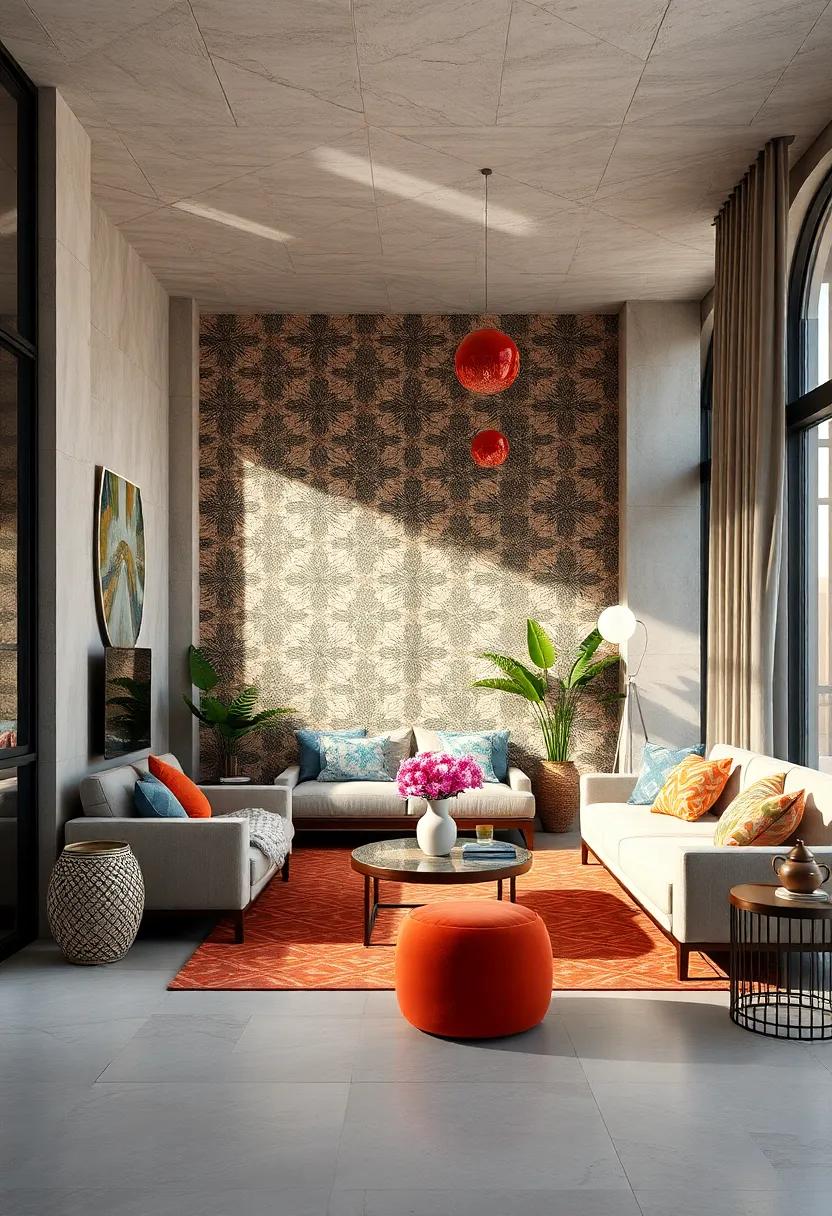
Unleash your creativity by adding patterns where you least expect them—think beyond textiles and wallpaper. Incorporating designs onto ceramics such as vases, bowls, or decorative plates can provide subtle bursts of visual intrigue.Imagine a sleek matte black vase adorned with vibrant floral motifs or a stack of patterned ceramic coasters that double as functional art. These unexpected touches draw the eye and become conversation starters without overwhelming the room’s overall palette.
similarly, lampshades offer a unique canvas for pattern play.Opt for geometric prints, abstract strokes, or playful polka dots to inject personality into your lighting fixtures. The beauty lies in how light interacts with these patterns, casting shadows or filtering color that dynamically changes the ambiance of your space. To guide your choices,use this quick reference table to balance pattern intensity and material for ceramics and lampshades:
| Material | Pattern Type | Effect | Best For |
|---|---|---|---|
| Ceramic | Bold Florals | Statement & Warmth | Living rooms,kitchens |
| Ceramic | Subtle Lines | Modern & Minimal | Bathrooms,home offices |
| Lampshades | Geometric Shapes | Dynamic Lighting | Bedrooms,creative spaces |
| lampshades | Abstract Brushstrokes | Artistic & Soft Glow | Lounges,reading nooks |
Use asymmetry in patterned elements for a natural,uncontrived eclectic feel
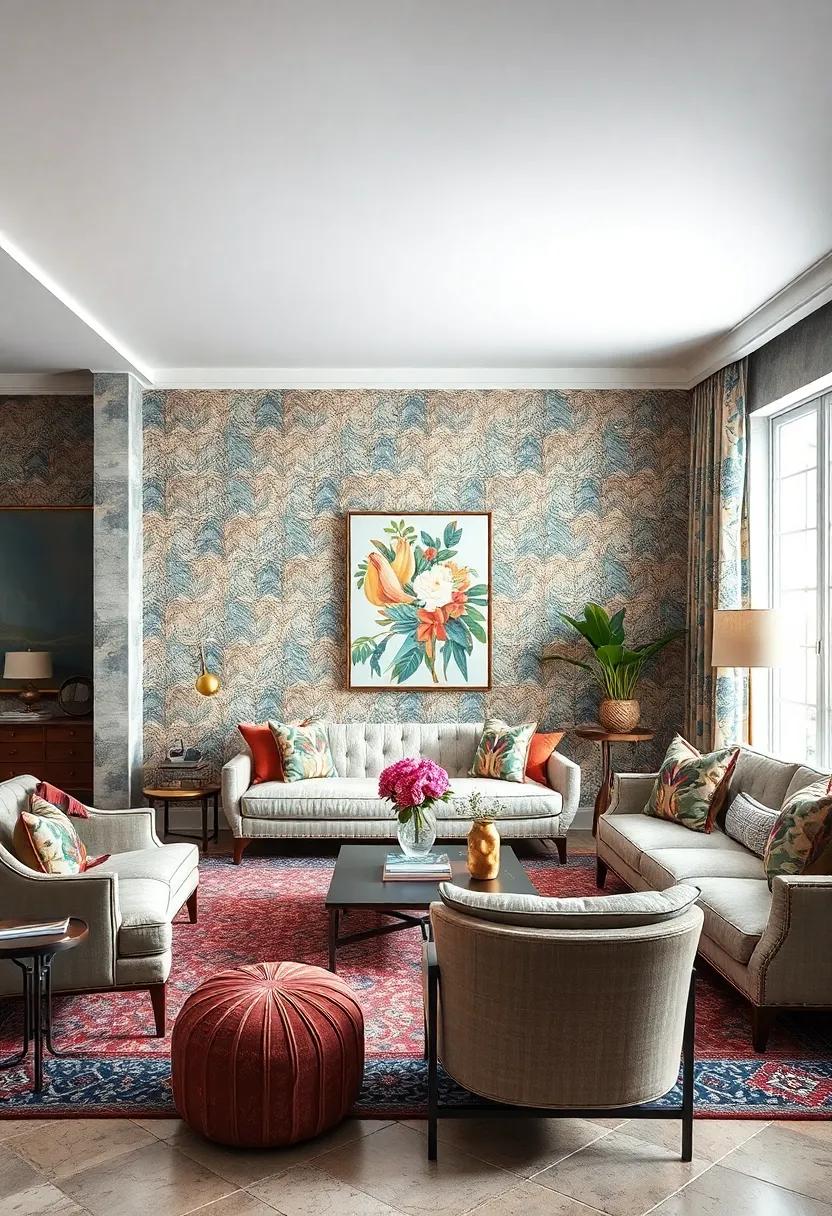
Embracing asymmetry within your patterned elements breathes life into any eclectic space,preventing it from feeling stiff or overly curated. Instead of mirroring patterns perfectly, allow them to play off one another in unexpected ways. Think of placing a bold floral cushion beside stripes of varying thickness, or mixing geometric rugs with swirling wall art that don’t align symmetrically. This creates a dynamic rhythm, much like a jazz composition—unpredictable yet harmonious, inviting the eye to wander and discover new details without the restrictions of balance.
To achieve this effortlessly, consider layering patterns without uniform spacing or matching scales. Use different textures, colors, and motifs that contrast but still share underlying tones to anchor the look. such as, a single oversized patterned armchair paired with a cluster of small, mismatched patterned stools can create a visually rich conversation area. Below is a simple guide to mixing patterns asymmetrically while maintaining cohesion:
| Pattern Element | Suggested Mix | Effect |
|---|---|---|
| Large-scale floral | Small, scattered polka dots | Balance between boldness & playfulness |
| Geometric stripes | Organic swirls or abstract shapes | Contrasting structure and flow |
| Bold plaids | Delicate botanical prints | Layered texture with subtle charm |
Layer patterned curtains with textured blinds for depth in window treatments

Layering pattern-rich curtains over textured blinds elevates window treatments by injecting both visual intrigue and tactile complexity. Start by choosing curtains with vibrant patterns—florals, geometrics, or abstract motifs—that anchor the space’s style. Then,pair these with woven,bamboo,or linen blinds that introduce a natural grainy texture. This combination allows light control and privacy without sacrificing style, and the layering creates a sense of depth that flat treatments simply can’t achieve.
To keep the eclectic vibe cohesive, focus on mixing patterns with different scales and textures. For example, a bold large-scale curtain print complements subtle, fine texture blinds, balancing dramatic flair and understated charm. Tip: Pull a color from your patterned curtains for the blinds’ tone to maintain harmony without feeling matchy. Check the table below for pairing ideas that harmonize patterns and textures for maximum design impact:
| Curtain Pattern | Blind Texture | Effect |
|---|---|---|
| Bold Geometric | Natural Bamboo | Earthy and Dynamic |
| Floral Watercolor | Linens with Slubs | Soft and Inviting |
| Abstract Brushstrokes | Woven Grasscloth | Textural Contrast |
| Classic stripes | cotton Blend Weave | Timeless and Cozy |
Incorporate botanical patterns alongside graphic prints for nature-inspired balance
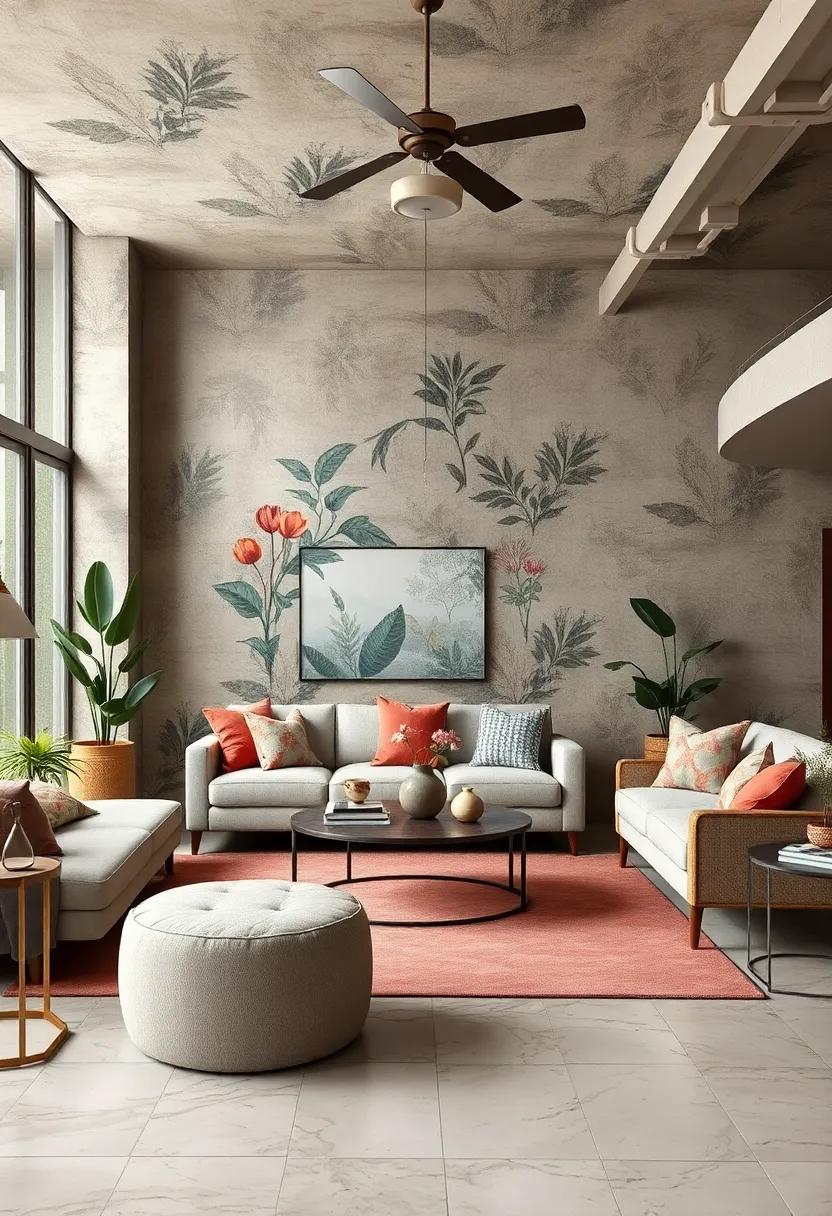
Blending the organic allure of botanical patterns with bold graphic prints creates a striking equilibrium that breathes life into any room. The softness of leafy fronds, florals, or vines contrasts beautifully with sharper geometric shapes or abstract motifs, crafting a dynamic visual story. To achieve a harmonious mix, start by choosing a botanical print in muted or natural hues and pair it with a graphic design that echoes one of those colors—this subtle color play ensures cohesion without damping down the eclectic energy.
When layering these patterns, consider these styling tips to keep the look intentional and balanced:
- Scale Matters: Pair larger, more detailed botanical prints with smaller, simpler graphic patterns to prevent visual overload.
- Texture Play: Use different fabric textures—like a smooth botanical wallpaper against a tactile geometric throw—to deepen pattern contrast.
- Neutral Grounding: Incorporate solid tones or natural materials such as wood or rattan to let the mixed prints shine without competition.
Use patterned wallpaper as a bold backdrop to unify mixed furnishings
If your room feels like a patchwork of countless styles and patterns, a striking patterned wallpaper can serve as the magic thread that ties everything together.Instead of pulling you in different directions, a bold backdrop provides a unified canvas where eclectic furnishings can shine without clashing. Opt for prints that balance complexity with color harmony—think oversized florals, geometric repeats, or vintage-inspired motifs in a restrained palette. This approach creates a visual anchor, allowing each piece of furniture to play its part within a cohesive narrative.
to maximize the impact, coordinate your furnishings’ dominant tones with hues in the wallpaper, creating an intentional dialogue between wall and objects. embrace contrasts by mixing textures—velvet cushions juxtaposed with sleek leather chairs—and let the wallpaper pattern act as a connecting agent that softens edges between styles. Here’s a quick guide to pairing wallpaper prints with furnishings to achieve harmony:
| Wallpaper Pattern | furnishing Style | Color Strategy |
|---|---|---|
| Large Botanical Prints | Mid-century Modern | Earth tones with pops of green |
| Geometric Shapes | Contemporary Minimalist | Monochrome with occasional accent colors |
| Vintage Damask | Boho Chic & Antique | Warm neutrals with metallic highlights |
Mix scale and pattern in upholstery for a playful yet sophisticated seating area
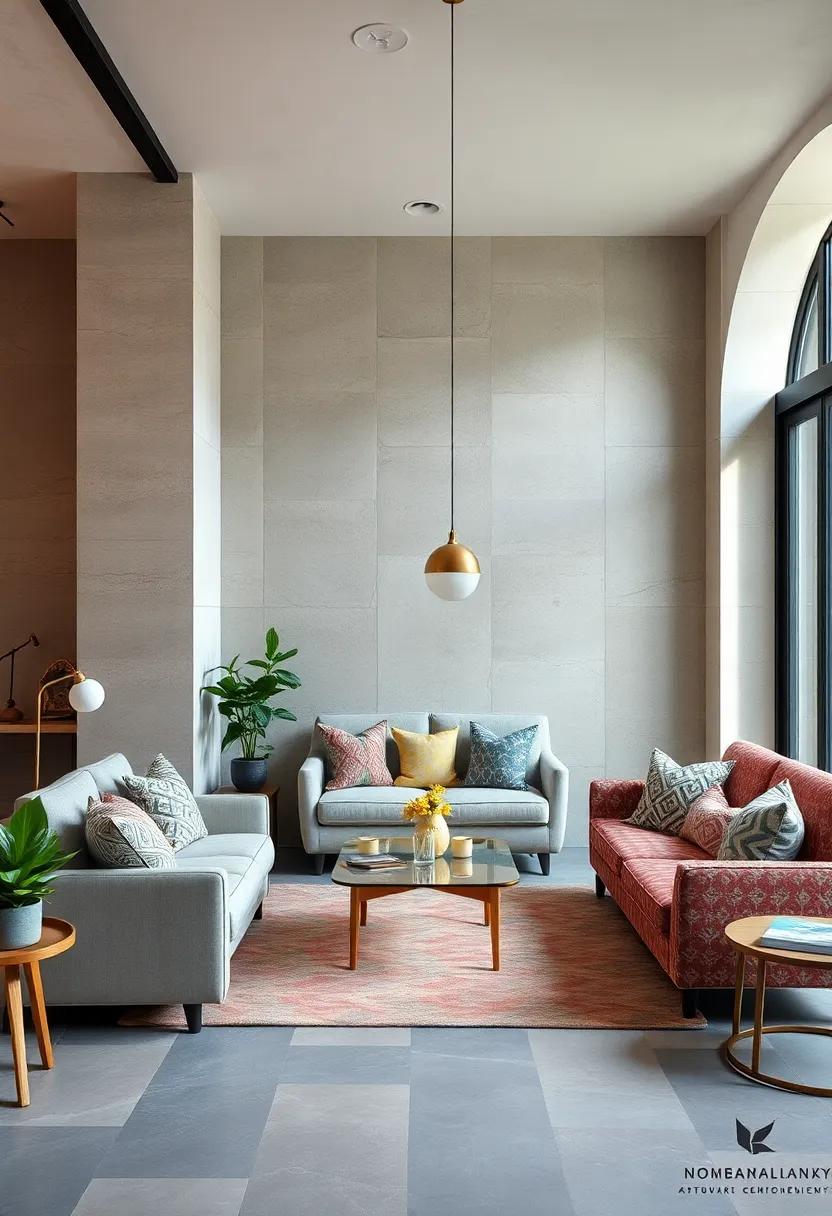
Creating a striking seating area means daring to blend different scales and patterns in your upholstery choices. Think bold geometrics paired with delicate florals—this contrast adds a dynamic rhythm that feels both lively and curated. Large-scale prints on a statement chair can be offset by smaller, intricate patterns on nearby cushions or an ottoman, making each piece pop without overwhelming the space.Balance is key: opt for a limited color palette when mixing patterns to maintain a cohesive, sophisticated vibe.
- Play with scale: Mix oversized florals with tiny dots or stripes.
- Stick to a color story: Choose two or three main colors to unify varied patterns.
- Vary textures: Pair smooth fabrics with nubby weaves for tactile interest.
To illustrate, imagine a velvet sofa covered in a large-scale paisley that exudes vintage charm, paired with small-scale geometric pillows for a contemporary edge. introducing a subtle botanical print on a nearby accent chair can tie the whole area together. The resulting ensemble invites both visual intrigue and comfort, perfect for creating a lively yet refined space where eclectic design truly shines.
Integrate patterned flooring with complementary wall treatments for layered interest

Layering patterns begins with a harmonious balance between the floor and walls, transforming any room into a dynamic sanctuary. When your flooring boasts intricate motifs—be it Moroccan tiles, geometric hardwoods, or whimsical florals—counterbalance this rich texture with walls dressed in subtler patterns or monochromatic textures. Think soft stripes, delicate damasks, or even matte finishes that echo the colors found beneath your feet. This approach ensures that each element sings in tandem, creating depth without chaos.
For a curated blend, consider pairing your patterned floors with one of these textured wall treatments to enhance the eclectic vibe:
- Grasscloth wallpaper: Natural fibers introduce warmth and an organic feel that complements vibrant floor designs.
- Textured plaster walls: Subtle surface variations add visual intrigue without competing for attention.
- Soft geometric murals: Echo shapes on the floor for a rhythmic, layered statement.
- Neutral-toned wainscoting: Ground the room with classic paneling that balances playful patterns overhead and below.
use contrasting patterns in art and textiles to create focal points

When blending diverse patterns in your space, leveraging contrasting motifs can guide the eye and anchor a room’s aesthetic. Imagine pairing a bold geometric print on a rug with a delicate floral textile on accent chairs—this opposition creates a dynamic visual dialogue that draws immediate attention. The key is to balance complexity and simplicity; intricate patterns juxtaposed with minimalistic shapes can breathe life into your design while preventing it from feeling chaotic.Use this technique on textiles like cushions, curtains, or wall hangings to naturally encourage your focal zones without overwhelming the senses.
Tips for successful contrasting pattern pairings:
- Scale Matters: Combine large-scale prints with smaller, more detailed patterns to add depth and dimension.
- Color Coordination: Integrate contrasting patterns that share a common color to maintain cohesion across your space.
- Texture Play: Experiment with varied fabric textures—such as velvet alongside linen—to emphasize the contrast beyond just the visual.
| Pattern Type | Best Paired With | Example |
|---|---|---|
| Stripes | Polka Dots | Striped throws + dotted cushions |
| Floral | Geometric | Floral drapes + geometric rug |
| Animal Print | Abstract | Leopard pillows + abstract wall art |
Trust your instincts and personal style to blend patterns that feel authentic and inspiring

When blending patterns, the key is to lean into what resonates with your eye and personality rather than following rigid rules. Embrace your unique preferences by mixing unexpected textures and motifs that speak to you—whether it’s vibrant florals meeting geometric shapes or subtle stripes paired with bold animal prints. Allow your intuition to guide the harmony between colors and scale; if a combination sparks joy, it’s already a win. Remember, eclectic style thrives on authenticity, so don’t shy away from expressing your personal story through your choices.
Consider creating a simple reference system for your favorite pattern pairings to keep your style decisions inspired and intentional. Here’s a quick guide to spark your creativity:
| Pattern Pairing | Why it effectively works | Room Ideas |
|---|---|---|
| Large Floral + Tiny Polka Dots | Contrast in scale adds visual interest | Living room cushions and curtains |
| Bold Stripes + Subtle Paisley | Balancing striking lines with soft curves | Bedroom bedding and accent pillows |
| Animal print + Abstract Shapes | Mixing organic motifs with modern art | Entryway rugs and wall art |
| Classic Checks + Whimsical Doodles | Traditional meets playful for a lively space | Kids’ playroom or study area |
Trust your instincts to evolve your pattern combinations naturally over time, creating a space that feels not just eclectic, but deeply yours.
Insights and Conclusions
Embracing eclectic design is all about celebrating contrasts and curating a space that feels uniquely yours. With these 25 inspiring ways to master mixed patterns,you’re well-equipped to transform any room into a harmonious blend of colors,textures,and styles. Remember, there’s no one-size-fits-all formula—eclectic living thrives on personal expression and fearless experimentation. So go ahead, mix those patterns boldly, trust your instincts, and watch your space come alive with character and charm. Your perfect eclectic haven awaits.
As an Amazon Associate I earn from qualifying purchases.