25 Timeless Tips for Creating a Perfect Colonial-Style Symmetrical Front Yard
When it comes to classic curb appeal, few styles rival the enduring charm of a Colonial-style front yard. Known for its balanced design and elegant symmetry, this timeless aesthetic creates a welcoming and refined entrance that stands the test of time. In this listicle,we’re bringing you 25 timeless tips for creating a perfect Colonial-style symmetrical front yard — essential guidelines that blend tradition with practicality. Whether you’re planning a complete makeover or simply refining your existing landscape, these expert insights will help you master the art of symmetry, select the right plants and hardscaping elements, and achieve a harmonious look that honors Colonial heritage. Get ready to transform your front yard into a picture-perfect embodiment of classic American style.
Choose a central focal point like a classic urn, statue, or birdbath to anchor the symmetry in your front yard
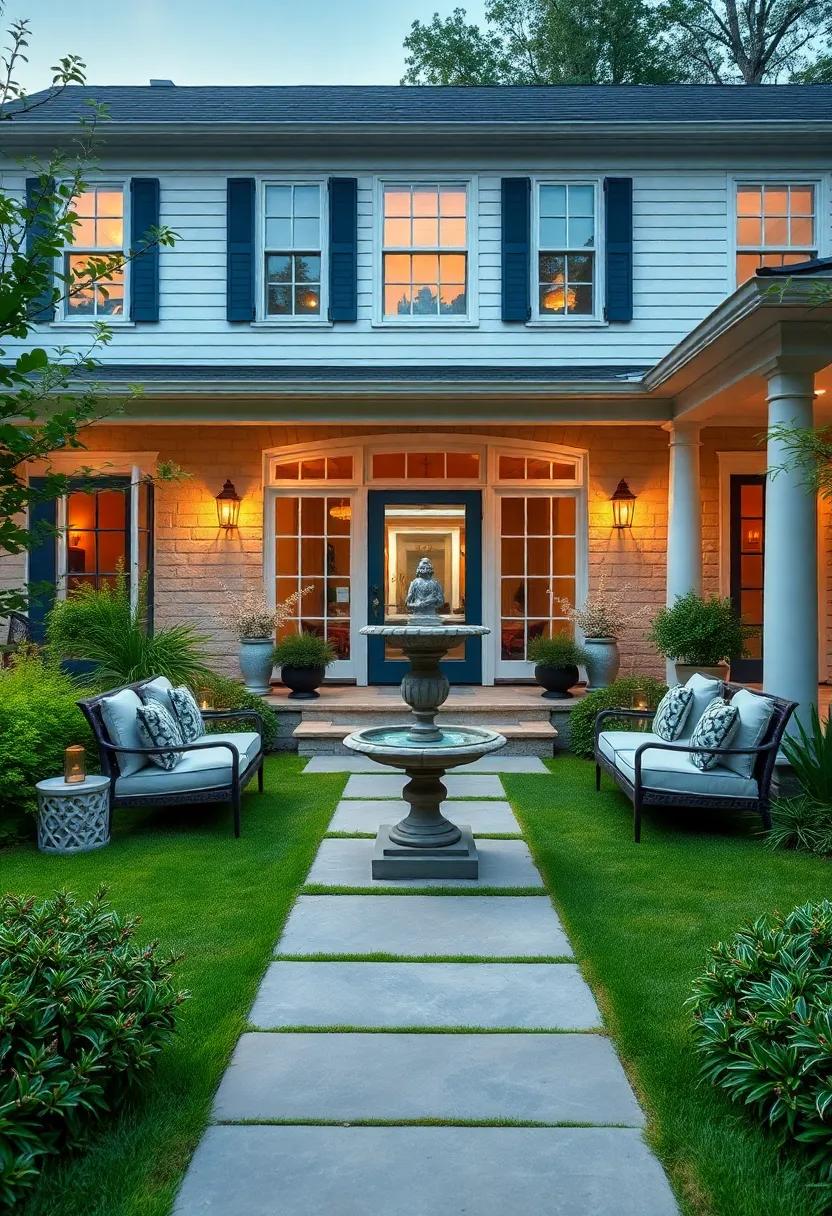
In a well-balanced Colonial-style front yard, having a central element is essential to establishing visual harmony. Opt for an elegant classic urn, an ornamental statue, or a timeless birdbath that serves as the heart of your landscape. Such focal points provide a natural gathering spot for the eye, naturally guiding visitors’ attention and reinforcing the symmetrical arrangement of surrounding plants, pathways, and architectural details. The presence of a striking centerpiece enhances the yard’s structure without overwhelming it, embodying the understated yet refined charm typical of Colonial design.
When selecting your anchor piece, consider materials and styles that complement the home’s exterior—weathered stone, aged bronze, or intricately crafted ceramics often evoke that classic Colonial aura.Position the chosen element at the exact midpoint of your space to maximize balance, and flank it with identical plantings or fixtures to accentuate the mirrored layout. Below is a simple guide to match your centerpiece with the best complementary touches:
| Centerpiece | Ideal Companion Elements | material |
|---|---|---|
| Classic Urn | Boxwood topiaries, gravel paths | Stone or terracotta |
| Antique Statue | Symmetrical flower beds, wrought-iron benches | Bronze or marble |
| Birdbath | Low hedges, brick edging | cement or ceramic |
Plant matching evergreen shrubs on either side of the walkway to create a balanced, year-round foundation

To achieve the hallmark symmetry of colonial-style landscaping, position matching evergreen shrubs on both sides of your walkway. This approach not only frames your path beautifully but also ensures a consistent, year-round presence that anchors your homeS facade. Opt for neatly trimmed boxwoods, dwarf hollies, or yews—each maintains rich, green foliage throughout all seasons, enhancing that classic, stately appearance synonymous with Colonial charm. Balanced repetition helps guide the eye naturally towards your front door, establishing a polished, inviting first impression.
Consider these evergreen selections for optimal symmetry:
- Boxwood (buxus sempervirens): Dense, easy to shape, and adaptable to formal hedges.
- Dwarf Holly (Ilex crenata): Glossy leaves with a subtle texture, perfect for low-maintenance borders.
- Yew (Taxus baccata): Shade tolerant with deep-green needles,ideal for a classic silhouette.
| Evergreen Shrub | Height | Maintenance |
|---|---|---|
| Boxwood | 2-4 ft | Moderate |
| Dwarf Holly | 1-3 ft | Low |
| Yew | 3-5 ft | Moderate |
Use a symmetrical pathway, such as a straight brick or stone walkway, leading directly from the sidewalk to the front door

Creating a clear,direct route to your front door establishes an immediate sense of order and balance,essential for the classic Colonial aesthetic. Opt for materials like brick or natural stone,which not only complement the historic charm but also add texture and warmth. The straight pathway acts as a visual anchor, guiding visitors with purpose and simplicity while showcasing the symmetry of your façade.Symmetrical edging on either side—whether with trimmed boxwoods or low-growing perennials—reinforces this orderly approach, encouraging the eye to focus on the home’s central entry.
To enhance the appeal of your walkway, consider these styling tips:
- Consistent Width: keep the path uniformly wide to avoid distractions and maintain harmony.
- Border Definition: Use contrasting materials or clean-cut edges to sharpen the walkway’s outline.
- Lighting: Install subtle, matching pathway lights on both sides for safety and ambiance.
- Complementary Plantings: Pair the path with mirror-image flower beds or topiaries to emphasize symmetry.
| Material | Benefits | Maintenance |
|---|---|---|
| Brick | Classic look, durable, easy to replace individual bricks | Occasional sweeping and moss removal |
| natural Stone | Elegant, varies in color, natural texture | Periodic sealing recommended |
| Concrete Pavers | Uniform appearance, cost-effective, versatile | Power washing and weed control |
Install matching lighting fixtures on both sides of the entrance to enhance the balanced architecture of your home
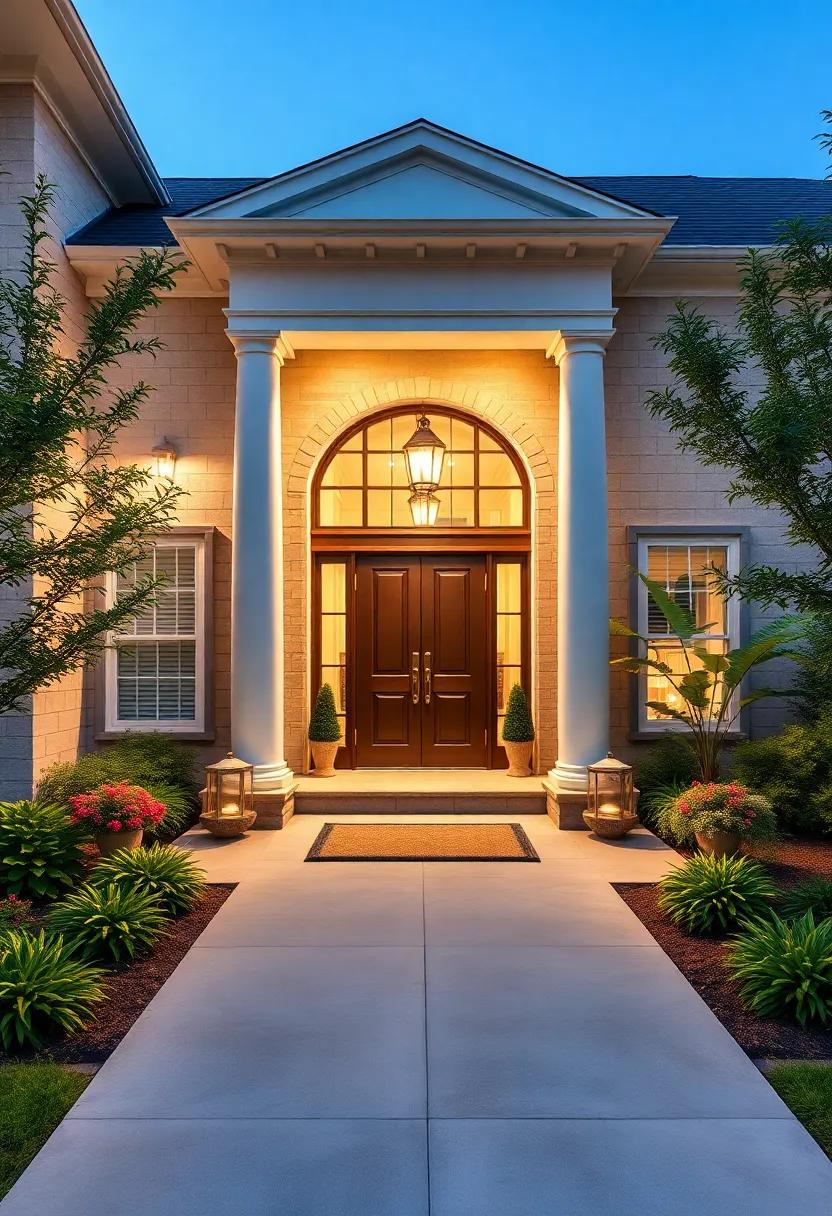
Flanking your entrance with a pair of identical lighting fixtures not only illuminates your doorway but also acts as a visual anchor, reinforcing the classic symmetry crucial to colonial architecture. Choose lantern-style sconces or conventional coach lights crafted from materials like wrought iron or brass to complement the timeless aesthetic. The glow emitted from each side casts soft shadows and highlights architectural details, crafting a warm and inviting ambiance that echoes the heritage charm of colonial homes.
Consider features that elevate both style and function:
- height & Proportion: Fixtures should align with the height of your door frame to maintain balance and avoid overpowering the facade.
- Matching Finishes: Opt for finishes that harmonize with your door hardware and house trim, ensuring cohesive curb appeal.
- Light Temperature: Warm white LEDs (2700K–3000K) enhance the traditional look without clashing with natural materials like brick or wood.
Frame your front door with identical planters filled with seasonal flowers for a welcoming, mirroring effect
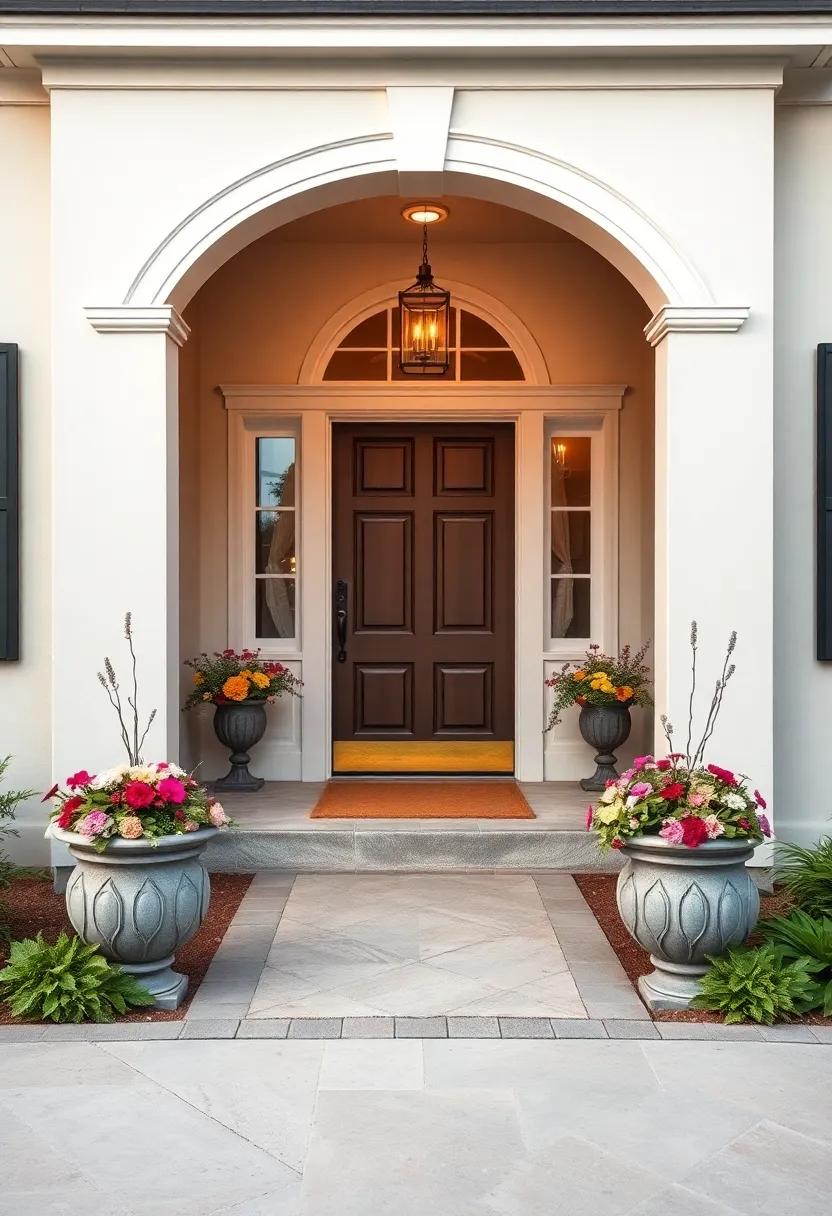
Balance and harmony are the cornerstones of the Colonial aesthetic,and placing identical planters flanking your front door perfectly captures that essence.Opt for classic materials like terracotta,cast stone,or weathered wood containers that enhance the traditional vibe. Fill them seasonally with vibrant blooms—think luminous tulips in spring, fragrant hydrangeas in summer, fiery mums come fall, or serene evergreen accents in winter. this repetition not only draws the eye inward but also creates an inviting, framed entryway that welcomes guests with understated elegance.
for a truly polished look, consider the placement and scale carefully. Ensure the planters are proportionate to your door’s dimensions and spaced evenly to reinforce symmetry. Here’s a simple guide to help select your planter size relative to door height:
| Door Height | Planter Height | Ideal Pot Width |
|---|---|---|
| 6 ft or less | 18-24 in | 12-14 in |
| 6 ft to 7 ft | 24-30 in | 14-16 in |
| 7 ft and above | 30-36 in | 16-18 in |
Regular rotation of seasonal flora keeps the look fresh and vibrant while staying true to timeless Colonial charm. Plus, the mirrored greenery or blossoms add natural symmetry that enhances curb appeal effortlessly.
Incorporate evenly spaced boxwood hedges along the border for structured greenery that complements Colonial symmetry
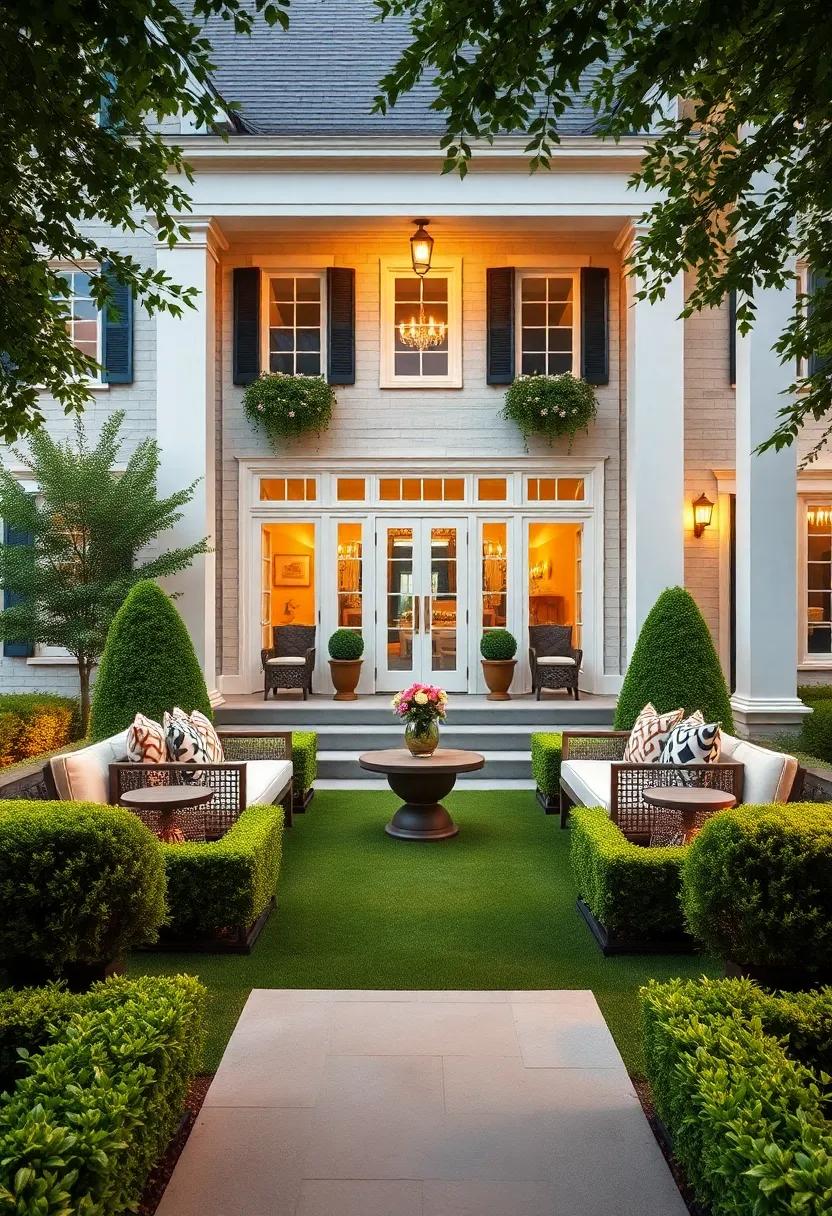
Achieving that hallmark Colonial allure requires more than just plant selection—it’s about precision and balance.Boxwood hedges, when planted at regular intervals along your border, serve as natural scaffolding that defines the space elegantly. their compact growth habit supports clean lines and crisp shapes, allowing the symmetry of your front yard to truly shine. Whether clipped into low walls or sculpted into compact spheres, these evergreens create a structured rhythm that gracefully echoes the architectural harmony of Colonial homes.
Maintain the charm by pairing these hedges with complementary features to enhance the visual flow:
- Uniform height to reinforce orderliness and rhythm.
- Soft gravel or brick pathways running parallel for a further nod to tradition.
- Strategic lighting to highlight their form during evenings,adding depth and curb appeal.
- Seasonal blooms interspersed beyond the hedge for subtle pops of color without disrupting the symmetry.
place identical benches or seating areas on either side of your yard to maintain visual harmony and offer relaxation spots
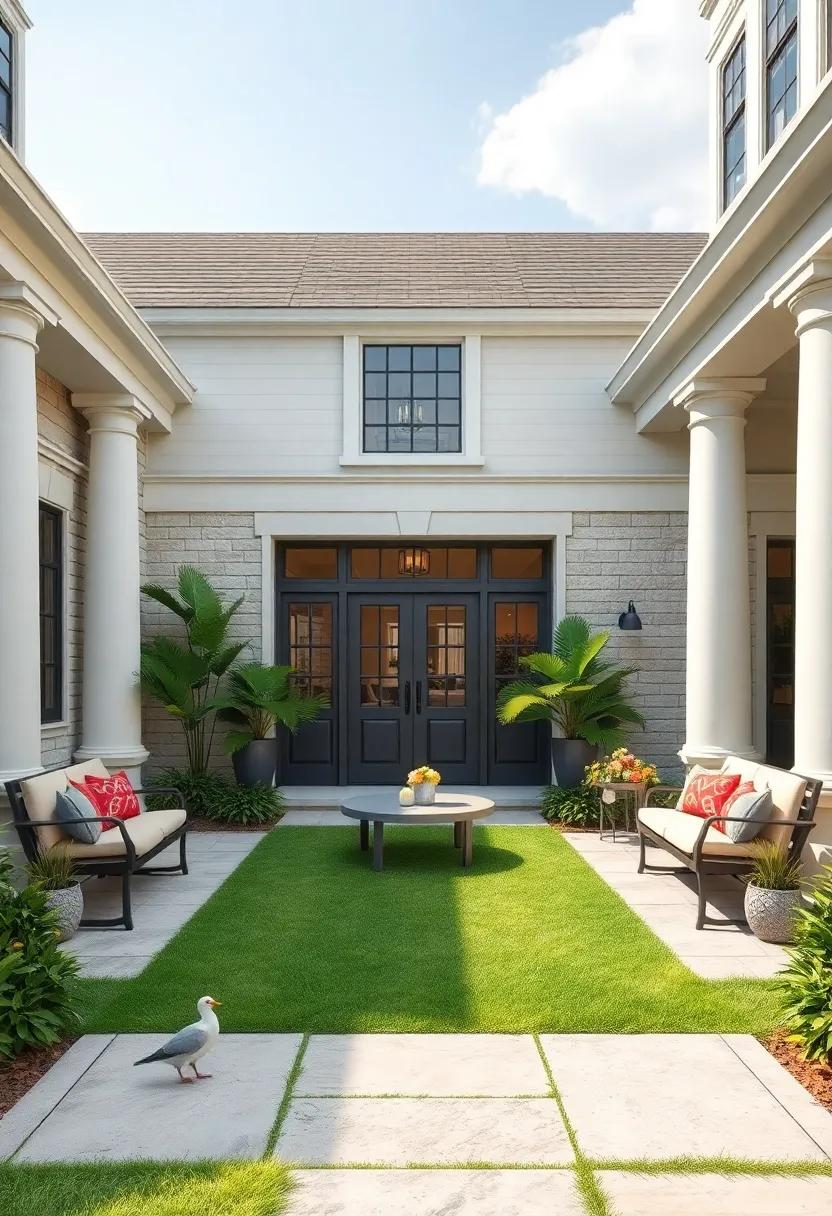
Balance is the backbone of colonial-style aesthetics, and placing matching seating arrangements on both sides of your yard instantly anchors this principle. Choose classic designs like wrought iron benches or wooden slatted seats,and position them symmetrically to frame the space elegantly. Not only does this create an inviting focal point,but it also encourages leisurely moments for residents and guests alike,allowing you to enjoy your garden’s tranquility while enhancing curb appeal.
To amplify the charm, integrate soft cushions or outdoor pillows in muted, traditional colors that complement the overall palette of your front yard. Consider adding small side tables or vintage lanterns beside each bench to elevate comfort and practicality. Here’s a quick guide to help you select the perfect seating elements:
| Material | Style | Maintenance | Comfort Level |
|---|---|---|---|
| Wrought Iron | traditional & Durable | Medium (rust prevention) | Moderate (add cushions) |
| Wood (Cedar/Teak) | Classic & Warm | High (seal annually) | High (naturally comfortable) |
| Stone or Concrete | Timeless & Sturdy | Low | Low (add padded cushions) |
Use matching gates or entry arches to create a cohesive entrance that respects the Colonial design principles
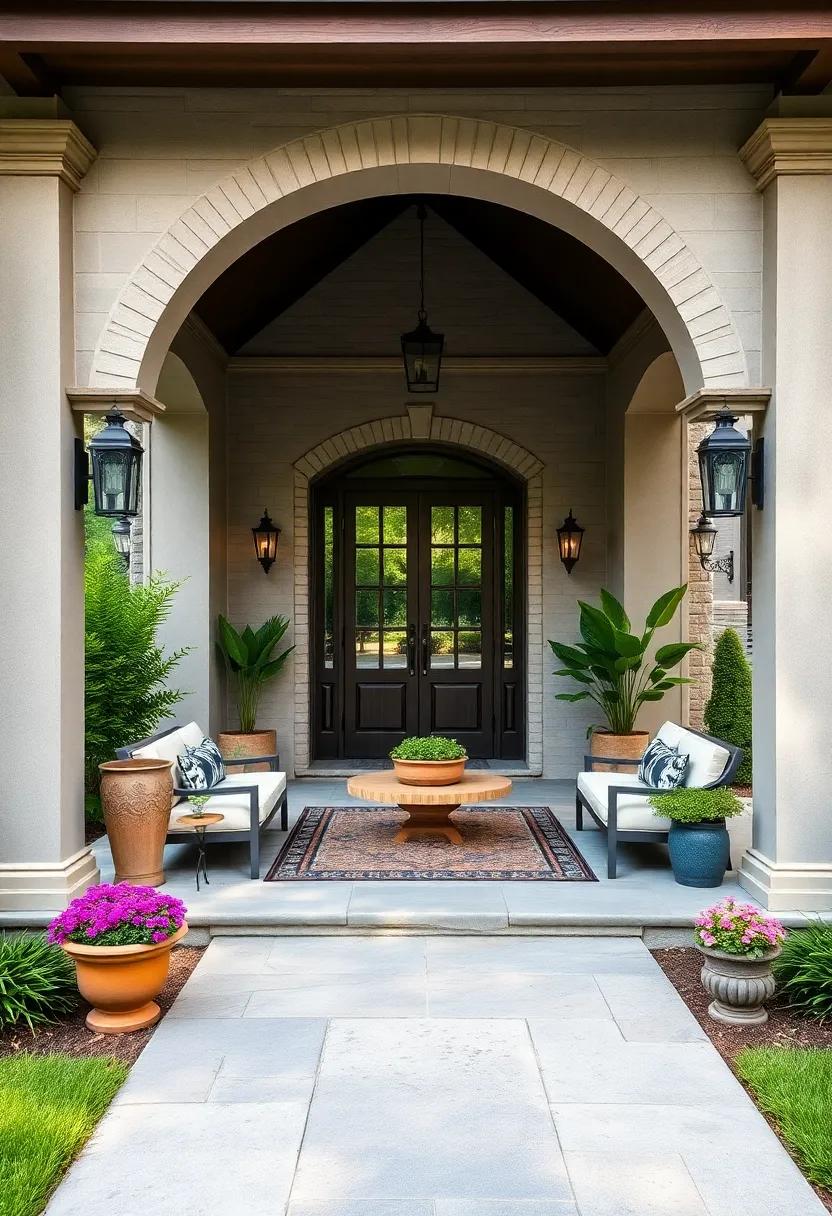
Elevate the welcoming feel of your Colonial front yard by incorporating gates or entry arches that mirror the style of your home’s architecture. Opt for designs featuring classic elements such as simple, symmetrical lines, traditional materials like wrought iron or painted wood, and refined details like finials or subtle lattice work. This approach not only visually anchors the entrance but also reinforces the timeless elegance characteristic of Colonial design, ensuring that your yard’s aesthetic is both inviting and coherent.
To maintain perfect symmetry, consider installing matching gates on either side of a central pathway or paired arches that frame the walkway leading up to the door. these elements create an intentional, balanced framework that draws the eye forward while offering a subtle nod to historic Colonial landscaping. Complement the structures with climbing vines or neat hedges to soften hard lines and add texture, enhancing the entryway’s charm without compromising the clean, orderly look integral to the style.
Plant pairs of flowering trees or shrubs symmetrically around the yard to add height and color without disrupting balance
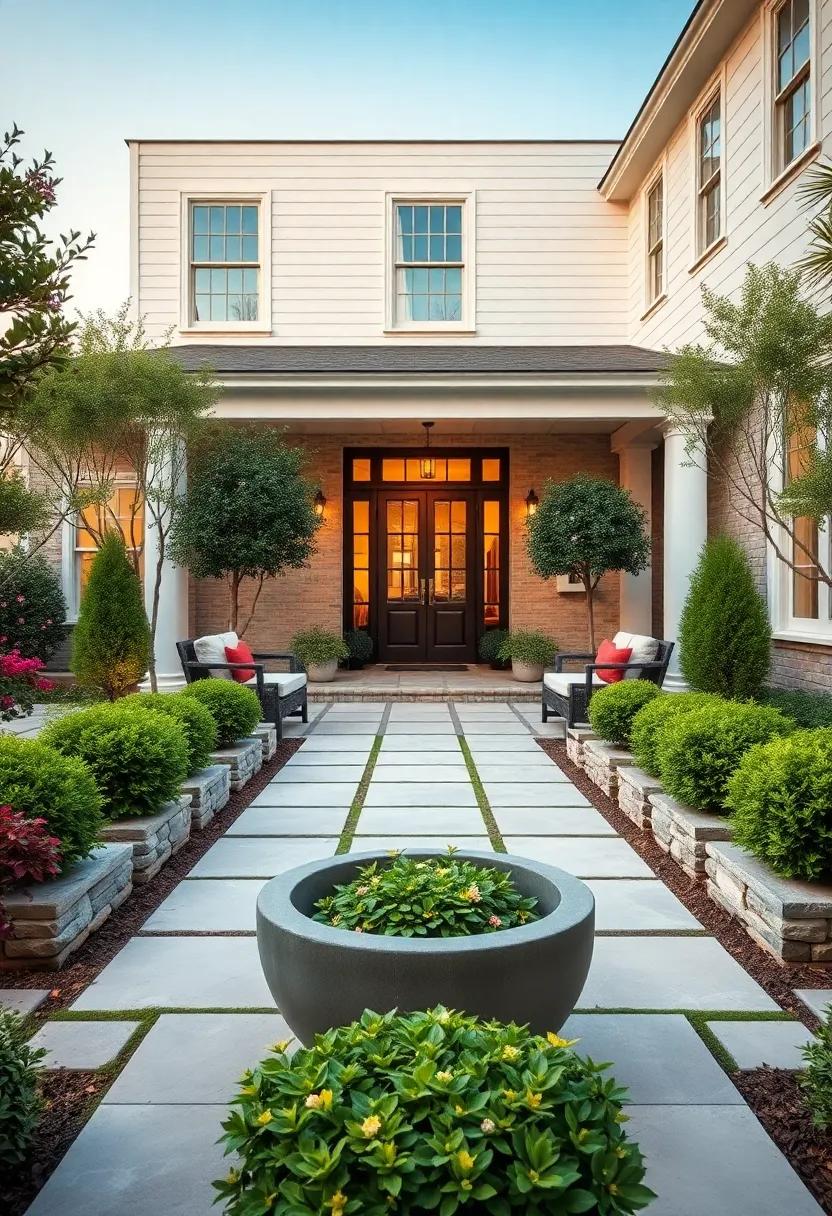
To achieve that iconic Colonial charm, strategically placing flowering trees or shrubs in pairs on either side of your yard works wonders. This approach not only adds vertical interest but also injects vibrant splashes of color that enhance curb appeal without overwhelming the space. Imagine a pair of dogwoods or crepe myrtles flanking your entrance path, their blossoms echoing each other perfectly to craft a balanced and inviting atmosphere.Choose species with similar growth habits and bloom times to ensure consistency in height and color throughout the seasons.
Balance is key,so consider the scale and spacing when selecting your plant pairs. Avoid varieties that outgrow the space or clash with existing structures. For a quick reference, here’s a simple guide to pairings that flourish symmetrically:
| Plant Pair | Height at Maturity | Bloom Color |
|---|---|---|
| Dogwood (Cornus florida) | 15-25 ft | Pink/White |
| Crepe Myrtle (Lagerstroemia) | 15-30 ft | Pink, Purple, White |
| Hydrangea (Hydrangea macrophylla) | 3-6 ft | blue, Pink, White |
| Rhododendron | 4-8 ft | Pink, Red, Purple |
- match pairs in bloom time to maintain ongoing harmony.
- Use evergreen shrubs alongside deciduous trees for year-round structure.
- Regular pruning keeps shapes uniform, reinforcing symmetry.
Keep grass areas trimmed uniformly on both sides to maintain a neat, orderly look synonymous with Colonial charm
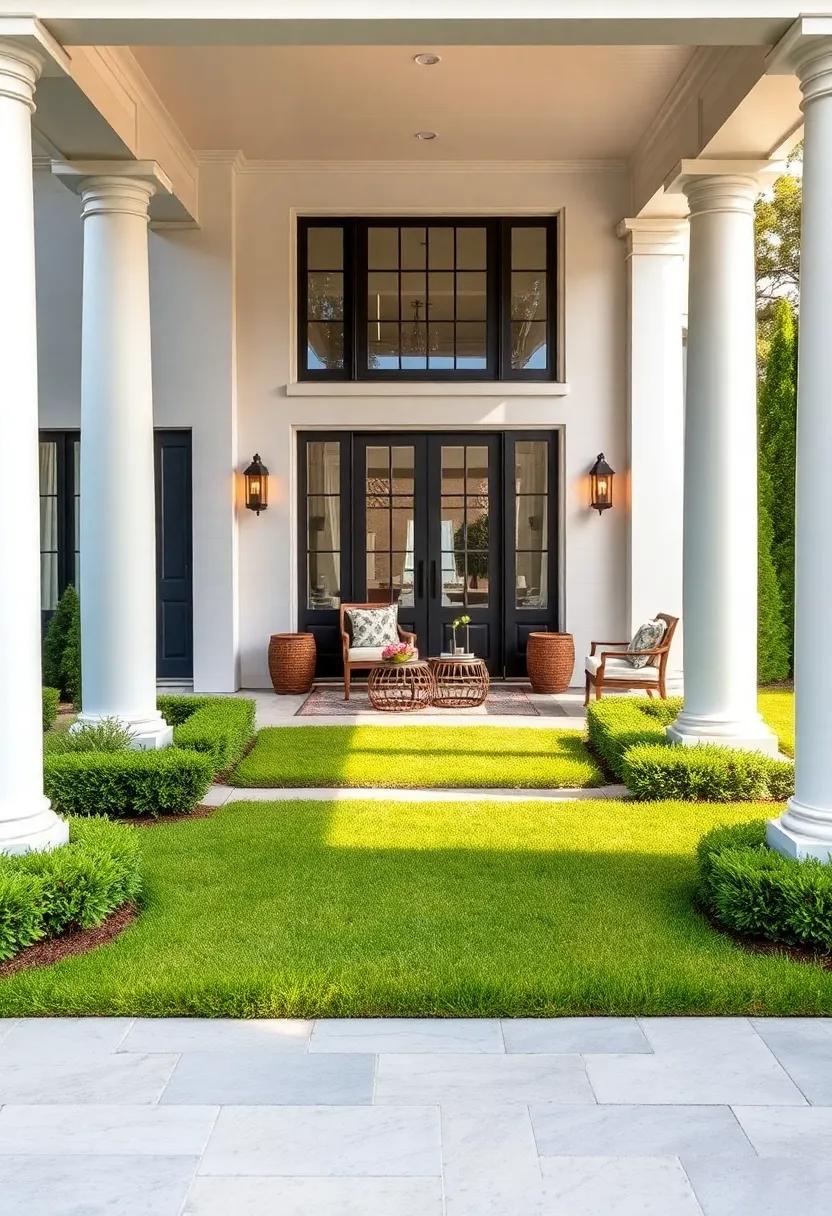
Achieving the classic Colonial aesthetic begins with precision in your lawn care. Uniformly trimmed grass on both sides of pathways or garden beds creates a deliberate, symmetrical canvas that echoes Colonial ideals of balance and order. This meticulous attention to detail enhances visual harmony, allowing other elements such as brick walkways, boxwood hedges, and colonial-style lanterns to stand out without distraction. Utilizing a sharp mower blade and following consistent trimming schedules ensures the grass edges remain crisp and clean, avoiding an untidy, uneven appearance that disrupts the cohesive design.
For a truly polished look, consider implementing these essential practices:
- Trim to the same height: Choose a mowing height that complements your grass type and stick to it on both sides.
- Edge carefully: Use a string trimmer or edging tool along sidewalks and flower beds to define borders sharply.
- Regular maintenance: Mow frequently during growing seasons to prevent uneven patches or overgrowth.
| Task | Frequency | Benefit |
|---|---|---|
| Mowing | Weekly | Keeps grass uniform and healthy |
| Edging | Bi-weekly | Maintains sharp lawn boundaries |
| Lawn aeration | Annually | Promotes strong root growth |
Include an equally spaced row of period-style lantern posts along the driveway or walkway for a nostalgic touch

Positioning a series of classic lantern posts along your driveway or walkway not only enhances safety but also elevates the overall charm of your colonial-style exterior. Opt for lanterns with black or oil-rubbed bronze finishes paired with frosted or clear glass panes to evoke an authentic period feel.Spacing each post evenly ensures a harmonious rhythm that complements the symmetrical design so integral to colonial aesthetics.This consistent spacing also guides visitors naturally towards your entryway, creating an inviting and orderly first impression.
Consider these design tips for the perfect lantern post arrangement:
- Choose lantern styles featuring traditional motifs like finials or tapered tops for ancient accuracy.
- Maintain equal intervals—typically 6 to 8 feet apart—for visual balance and practical illumination.
- Incorporate low-voltage LED bulbs to provide warm, energy-efficient lighting reminiscent of candle glow.
- Match the post height so it aligns proportionally with your home’s exterior elements, such as window sills or porch railings.
Incorporate symmetrical flower beds with identical blooms and colors to enhance the yard’s harmonious layout
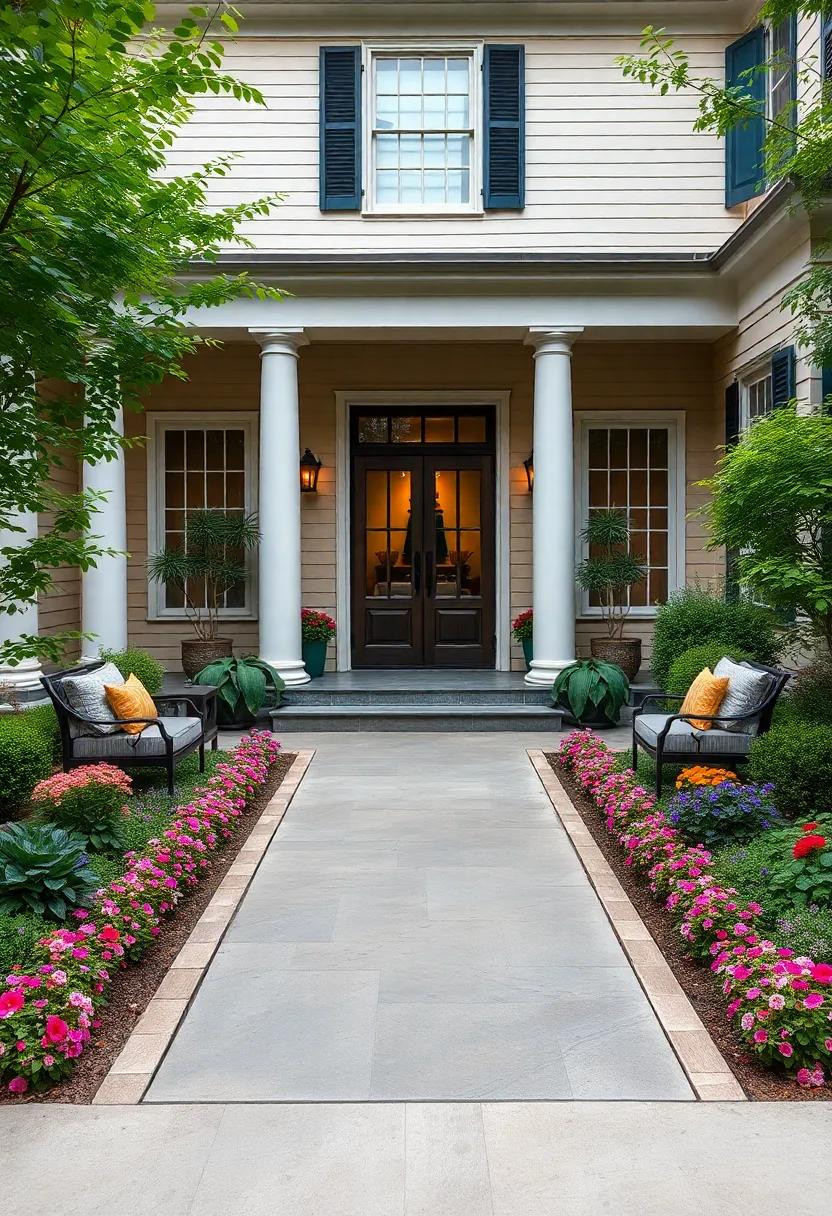
Creating a visually balanced front yard is essential for capturing the essence of colonial-style charm. By planting flower beds that mirror each other with identical blooms and colors, you establish a sense of rhythm and order that naturally pleases the eye. Choose varieties that maintain consistent height and shape, such as hydrangeas, tulips, or boxwood accents, to ensure your flower beds remain structured and refined throughout the seasons.This repetition reinforces the symmetrical design, making the entire landscape feel cohesive and thoughtfully planned.
For added impact, consider incorporating a unified color palette that complements the home’s exterior. Shades of white, soft pinks, or classic reds work beautifully to evoke the period’s elegance. To keep your layout simple yet notable, use the following planting strategy:
| Flower | color | Height |
|---|---|---|
| Boxwood | Green | 2 ft |
| Tulips | White | 1.5 ft |
| Hydrangeas | Soft Pink | 3 ft |
- Plant boxwoods as foundation greenery to frame each bed both front and back.
- Cluster tulips in repeated groups for bursts of springtime color.
- Use hydrangeas as focal points to add volume and softness in late summer.
This mindful approach ensures that the symmetry is more than just visual—it becomes a living, breathing aspect of your home’s personality. Balanced flower beds with matching blooms act as elegant bookends to your yard’s layout, enhancing both curb appeal and timeless sophistication.
Use classic Colonial fencing,such as white picket fences,mirrored on either side for a crisp,defined boundary
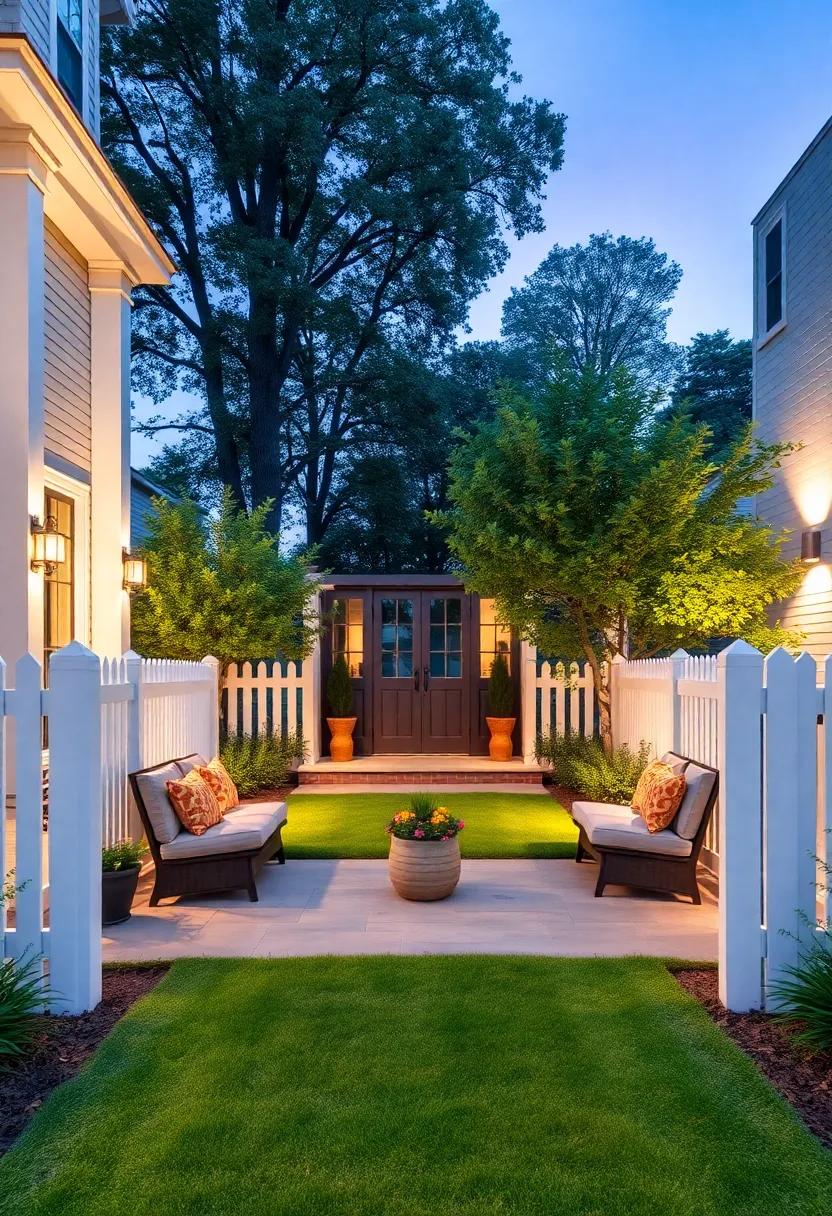
Nothing defines Colonial charm quite like a classic white picket fence. This timeless feature not only sets a crisp,visual boundary but also enhances the symmetrical balance that is the hallmark of Colonial-style yards. By mirroring these fences on either side of your entrance pathway or property line, you create a harmonious frame that naturally guides the eye and emphasizes order. The clean lines and bright white finish promptly evoke a sense of tradition and refinement, perfect for anchoring your front yard’s design.
When selecting and installing your fencing, consider using durable, weather-resistant materials painted in a bright white to maintain that signature Colonial look year-round. Pairing these fences with low-maintenance greenery or boxwood hedges along their base amplifies the structured appeal and introduces soft, natural textures. For added visual interest, incorporate gates or finials that mirror each other perfectly to reinforce symmetry and create a welcoming yet stately first impression.
Hang matching wreaths or decorative elements on porch columns to reinforce symmetry and seasonal celebration
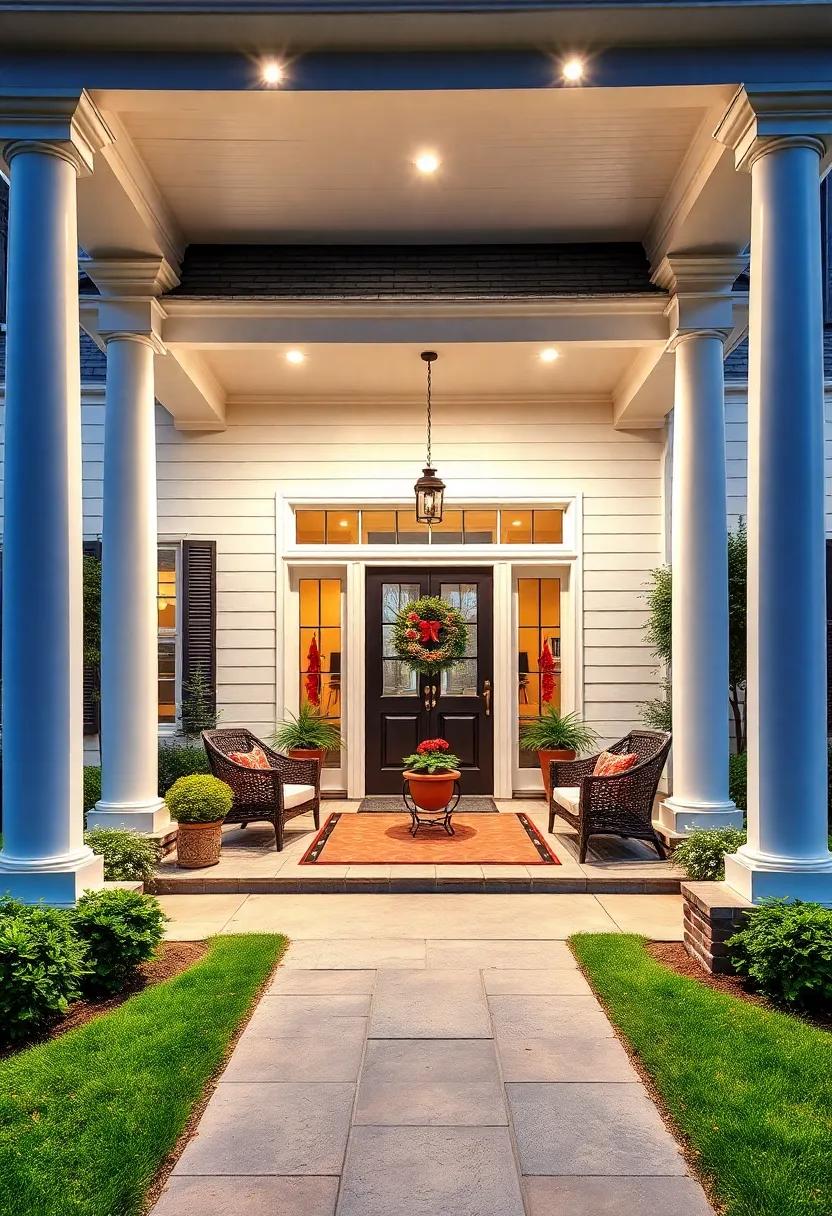
Embrace balance by adorning each porch column with identical wreaths or decorative accents. This thoughtful pairing not only highlights the classic appeal of symmetry but also creates an inviting focal point that celebrates the changing seasons. Whether you opt for lush evergreen wreaths in winter, floral mixes in spring, or vibrant foliage come fall, these matching adornments anchor your porch visually, emphasizing the orderly charm central to Colonial-style landscapes.
To enhance effect, consider incorporating coordinating elements such as ribbon colors, textures, or complementary seasonal ornaments that align with your home’s palette. This attention to detail crafts a harmonious aesthetic and subtly guides the eye along the symmetrical axes of your front yard.Below is a quick reference table to inspire your wreath choices across seasons:
| Season | Wreath Element | Complementary Decor |
|---|---|---|
| Spring | Fresh blossoms (peonies, tulips) | Pastel ribbons |
| Summer | Greenery with berries | Light burlap bows |
| Autumn | Orange leaves & miniature pumpkins | Rust-colored fabric |
| Winter | Evergreens & pine cones | Red velvet ribbons |
Balance large trees by planting complementary smaller trees or bushes directly opposite to avoid visual heaviness
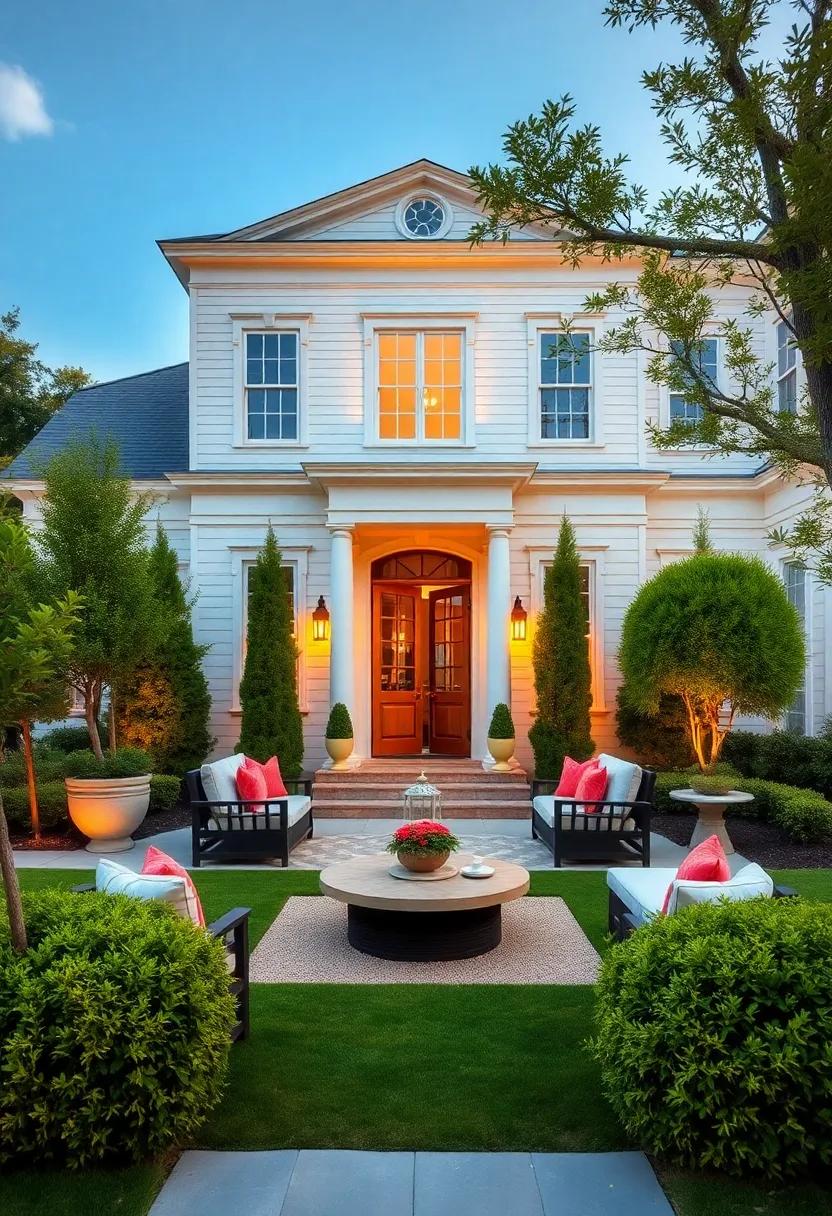
In Colonial-style landscaping, achieving visual harmony is essential to maintaining the characteristic symmetry that defines the look.When you have large trees creating strong visual weight on one side of your yard, placing smaller trees or bushes directly opposite can create a calming balance.Opt for species that complement the height and texture of your larger trees without competing for attention. This thoughtful pairing prevents one side from feeling overwhelming, rather crafting a visually pleasing flow that guides the eye naturally across the space.
Consider these strategic planting tips to enhance your balanced design:
- Choose smaller trees with a delicate canopy to contrast larger, broad-leafed trees.
- Use evergreen bushes to maintain structure and interest year-round.
- Plant in mirrored arrangements for true Colonial symmetry.
- Incorporate flowering shrubs for seasonal bursts of color opposite green foliage.
| Large Tree | Complementary Small tree or Bush | Visual Effect |
|---|---|---|
| Oak | Dogwood | Softens massive foliage with delicate blooms |
| Maple | Azalea | Contrasts bold leaves with vibrant spring color |
| Elm | Boxwood | Balances tall stature with tidy, evergreen form |
Position identical garden statues or urns flanking the pathway or entrance to underscore traditional Colonial elegance
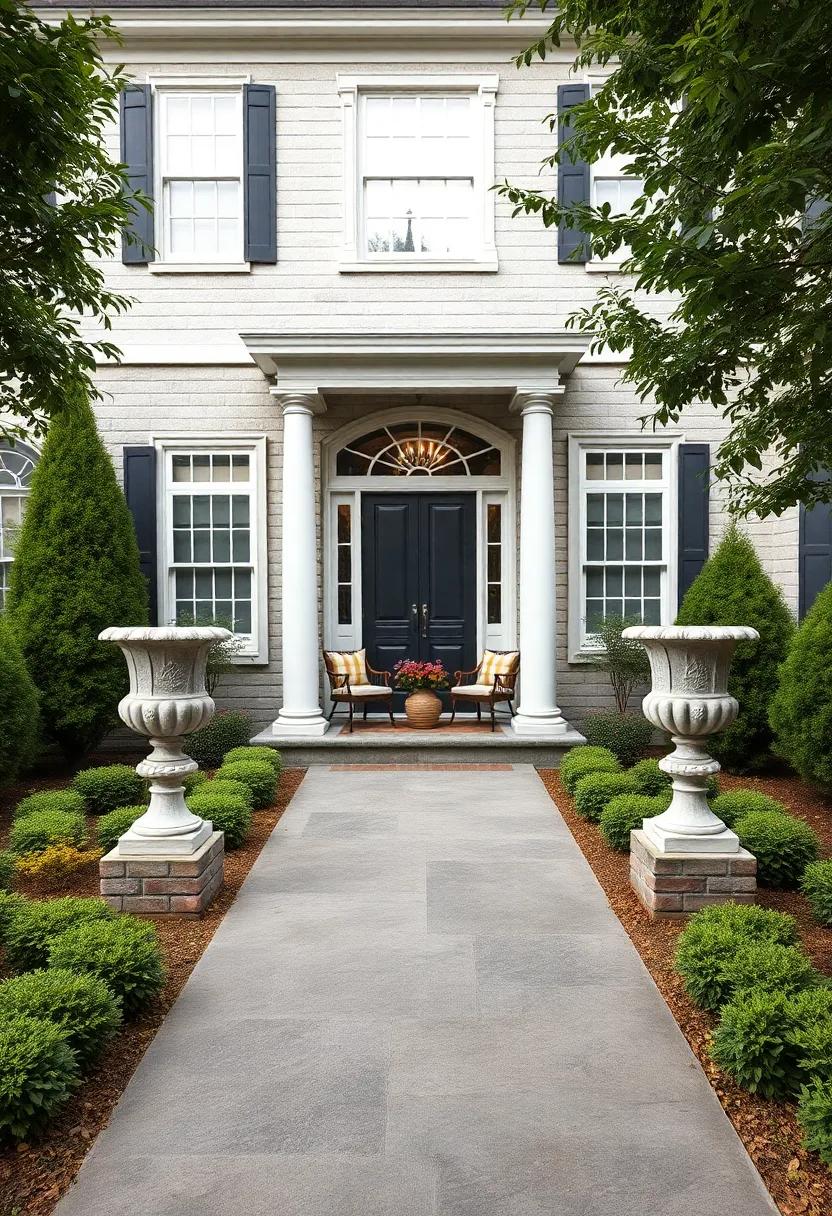
Elevate the sense of order and refinement in your Colonial-style front yard by placing two identical garden statues or urns symmetrically along the pathway or at the entrance.This classic approach amplifies the inherent balance that defines Colonial aesthetics, creating an immediate impression of timeless grace. The statues or urns can feature traditional motifs—such as urns with climbing ivy or statues of cherubs—adding subtle artistic flair without overpowering the architecture. The mirrored placement leads the eye naturally, reinforcing the formal structure and inviting guests into an elegant, thoughtfully curated outdoor space.
For a cohesive look that stands the test of time, opt for materials and finishes that complement your home’s facade.Consider:
- Weathered stone urns that develop character with age
- Classic white-painted statues for a crisp, clean contrast
- Ceramic urns with subtle glaze to introduce gentle color
Position these elements with precision to maintain symmetry, paying close attention to scale and proportion so they harmonize with surrounding greenery and architectural features. This thoughtful pairing not only underscores Colonial tradition but also invites a quiet, dignified beauty to your home’s entrance that resonates season after season.
Maintain perfect lawn edges with repeated patterns to emphasize order and visual rhythm characteristic of the style
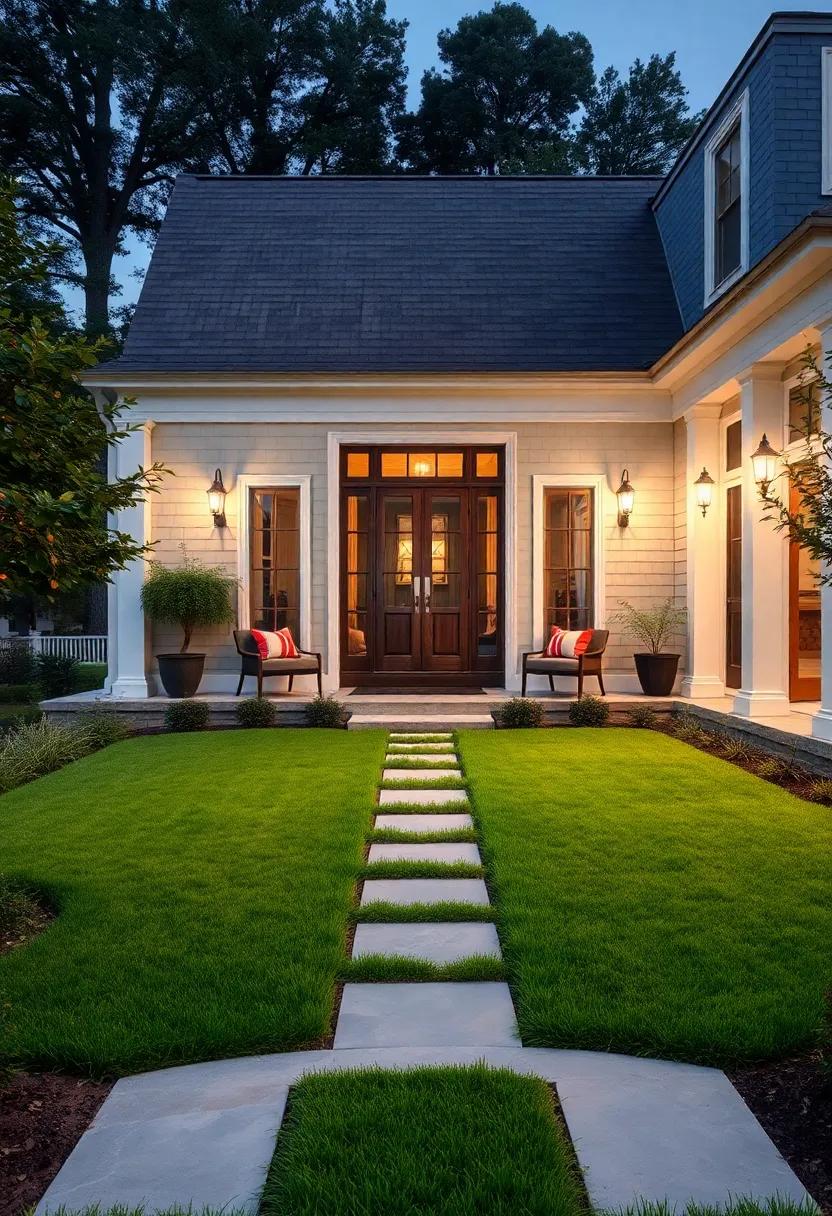
Edges define the structure of your front yard and act as the visual framework for the entire Colonial-style design. To enhance the sense of order and symmetry, embrace the use of repeated geometric patterns along your lawn borders. Whether it’s a series of evenly spaced curves or a crisp zigzag pattern, consistent repetition creates a harmonious rhythm that gently guides the eye across the landscape. Use tools like edging spades or lawn edging materials to carve out these patterns with precision,ensuring each segment mirrors its counterpart perfectly.
Integrating repeated patterns not only sharpens the aesthetic but also organizes the space functionally. Consider grouping elements such as boxwood hedges, gravel paths, or flower beds in mirrored sequences on either side of your walkway or driveway. This strategy reinforces balance while offering subtle texture contrasts to the lush green lawn. Below is a simple guide to match pattern types with ideal lawn edging techniques:
| Pattern Type | Best Edging Material | Visual Effect |
|---|---|---|
| Curved Repeats | Metal or Stone edging | Soft, Inviting Flow |
| Zigzag Lines | Brick or Concrete Pavers | crisp, Bold Rhythm |
| Parallel Lines | plastic or Wood Edging | Clean, Structural Order |
Choose period-appropriate outdoor furniture positioned symmetrically for inviting, balanced relaxation spaces
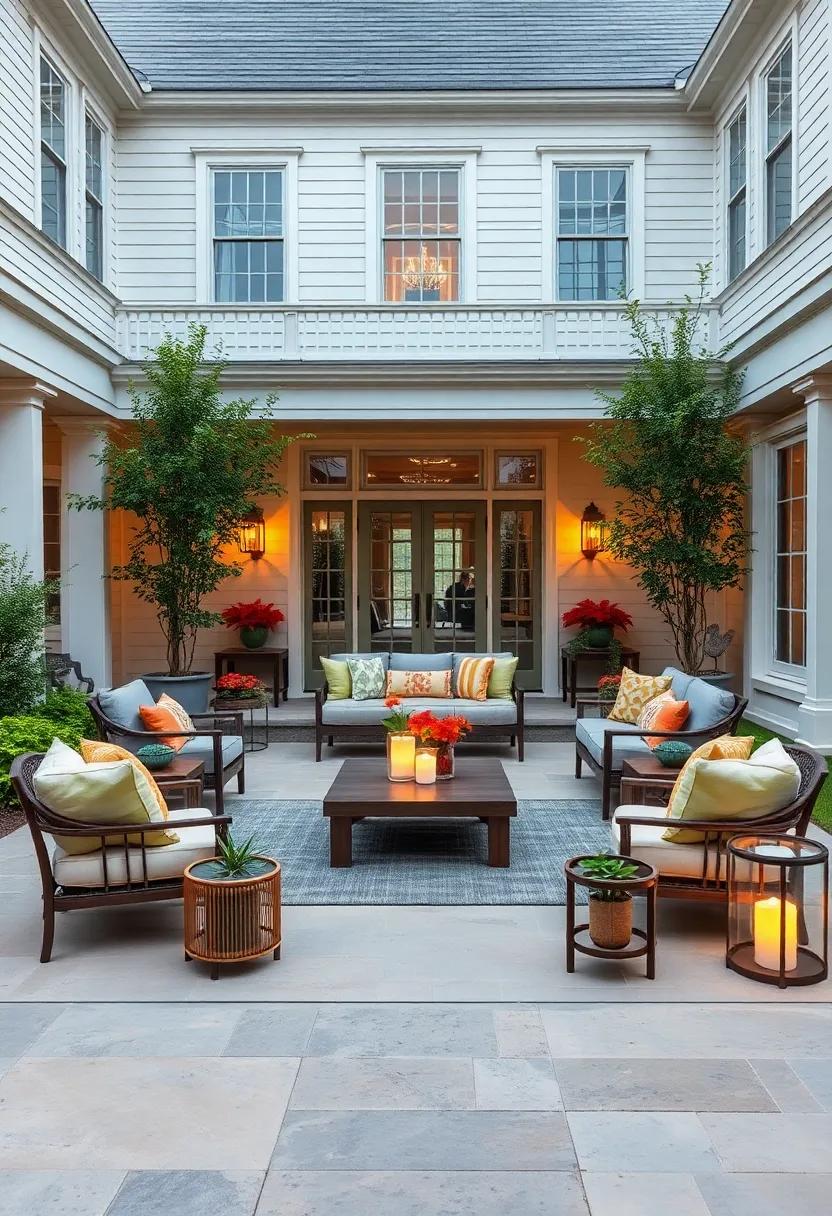
Incorporate outdoor furniture pieces that echo the elegance and simplicity of colonial design, focusing on materials like wrought iron, natural wood, and classic wicker. Select items with subtle curves or straight, clean lines to maintain a refined yet approachable atmosphere.Positioning these pieces in balanced pairs—such as two matching rocking chairs flanking a centered small table—creates a harmonious focal point that invites guests to pause and enjoy the front yard. Choosing accessories like cushions or throws in muted hues or historically inspired patterns further enhances authenticity without overpowering the serene symmetry.
Symmetry in your seating arrangements can be further highlighted by mirroring surrounding elements like planters, lanterns, or side tables, ensuring each side reflects the other. This thoughtful alignment cultivates a sense of order and calm, essential in colonial aesthetics. Consider the following simple layout guide to achieve visual balance:
| Furniture Piece | Material | Placement | Decorative Accent |
|---|---|---|---|
| Rocking Chair | Painted Wood | Left & Right of Entry Walkway | Cushions with Pinstripe Fabric |
| Side Table | Wrought Iron | Centered Between Chairs | Small Potted Boxwood |
| Lantern | Brass | Placed Symmetrically Near Porch Steps | Battery Candles |
Plant neat rows of bulbs or perennials on both sides of the walkway for seasonal color that honors Colonial formality
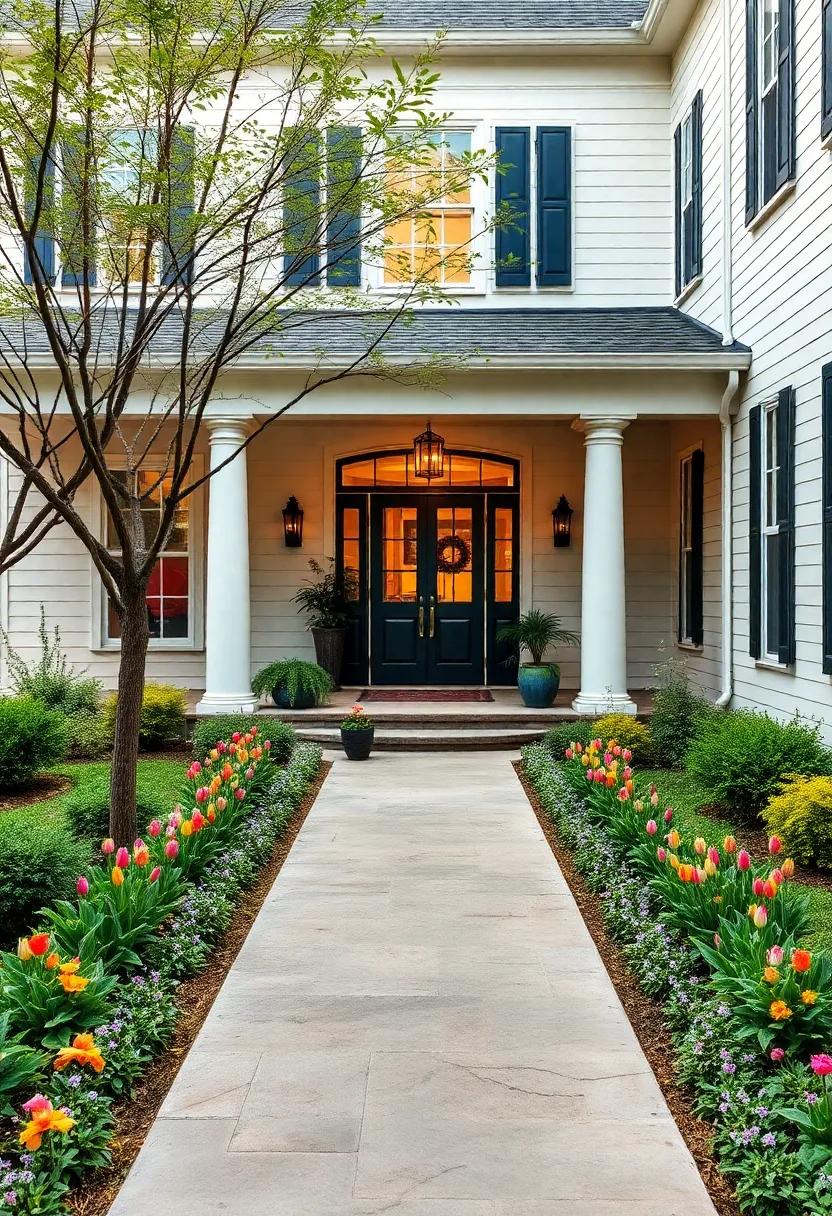
Creating a visually striking pathway that celebrates Colonial elegance starts with thoughtful planting. By arranging bulbs and perennials in tidy, symmetrical rows along the walkway, you frame the entrance with a sense of order and charm. Choose varieties that bloom at different times to ensure a cascade of seasonal color,changing gracefully with the months. Consider tulips and daffodils for spring vibrancy, followed by summer staples like lavender or hyacinths to maintain that structured yet inviting look.
For added impact, mix heights and textures while keeping balance in mind. Low-growing ground covers, such as creeping phlox, can border the walkway closest to the edges, while taller plants sit just behind them. This layering enhances depth, showcasing the strict Colonial insistence on symmetry without losing the appeal of natural variation. Below is a simple guide to pairing bulb and perennial combinations:
| Season | Bulbs | Perennials |
|---|---|---|
| Spring | Tulips, Daffodils | Bleeding Heart, Lungwort |
| Summer | Alliums, Hyacinths | Lavender, Salvia |
| Fall | Autumn Crocus | asters, Sedum |
Use matching window boxes filled with trailing plants under symmetrically placed windows for charm and consistency
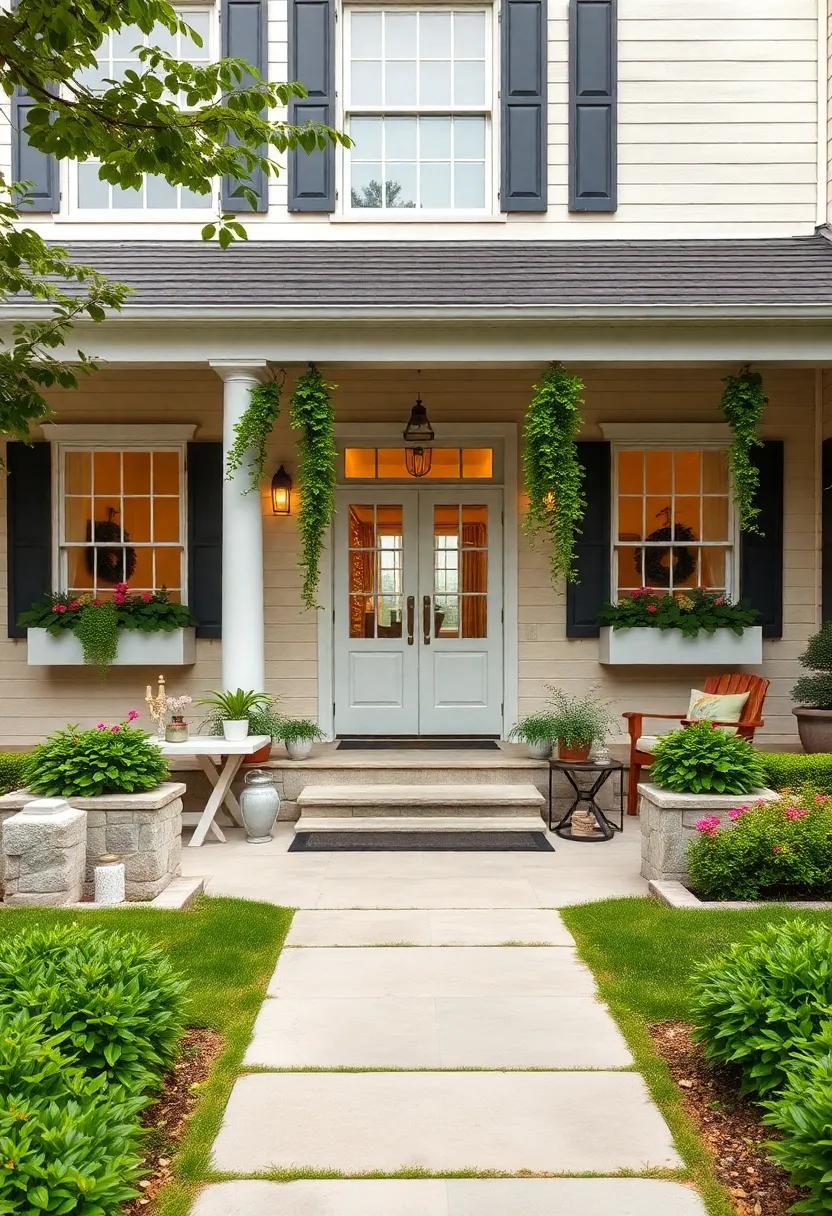
Enhance the architectural grace of your Colonial-style home by placing identical window boxes beneath symmetrically aligned windows. Choosing matching containers ensures visual harmony and instantly adds a touch of charm without overwhelming the classic façade. Opt for trailing plants that elegantly cascade over the edges, such as ivy, creeping jenny, or trailing petunias, to create movement and softness against the sharp lines of the windows.
For effortless upkeep and year-round appeal, consider a balanced mix of evergreens and seasonal blooms that reflect the Colonial palette—think whites, deep reds, and lush greens. this consistent pairing not only emphasizes the symmetrical design but also invites a cohesive rhythm to your front yard’s aesthetic. Below is a quick reference guide to ideal trailing plants suited for window boxes in a Colonial-style setting:
| Plant | Highlights | Season |
|---|---|---|
| Ivy | evergreen, classic look | All year |
| creeping Jenny | Bright chartreuse foliage | Spring–Fall |
| Trailing Petunia | Vibrant blooms, easy to maintain | Summer |
| Sweet Potato Vine | Dramatic trailing leaves | Spring–Fall |
Consider a symmetrical water feature like twin fountains to add softness and balance to the landscape
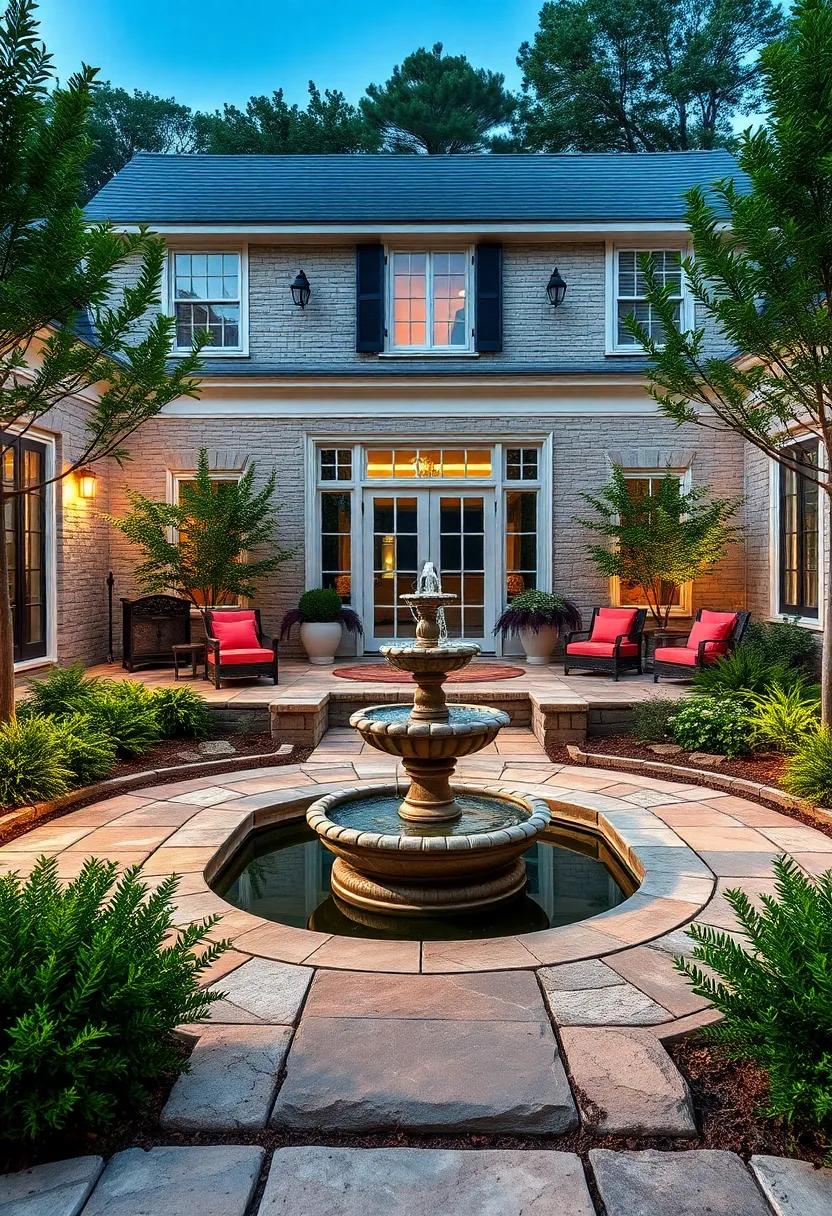
Symmetrical water features, such as twin fountains, serve as elegant focal points that enhance the refined charm of a Colonial-style front yard. Their gentle, mirrored presence introduces a calming rhythm, softening the formality of geometric plantings and straight paths. Positioning them on either side of a walkway or entrance highlights the classic symmetry that defines Colonial landscapes, while the soothing sound of flowing water invites a serene ambiance, welcoming guests with understated grace.
When selecting your twin fountains, consider materials like aged stone, copper, or cast iron for an authentic period touch. Complement their design with matching plantings—such as neatly clipped boxwoods or hydrangea bushes—to reinforce balance and harmony.below is a quick guideline to help you choose the right water feature style for your yard:
| Fountain Style | Material | Best Placement | Colonial Appeal |
|---|---|---|---|
| Tiered Stone | Natural Limestone | Flanking Entry Path | Classic & Timeless |
| Wall-Mounted Copper | Copper | Near Front Porch | Elegant & Rustic |
| Cast Iron urns | Cast Iron | Garden Beds’ Edges | Ornate & Vintage |
Align mailbox placement and design with the yard’s symmetrical elements to avoid disrupting the visual flow
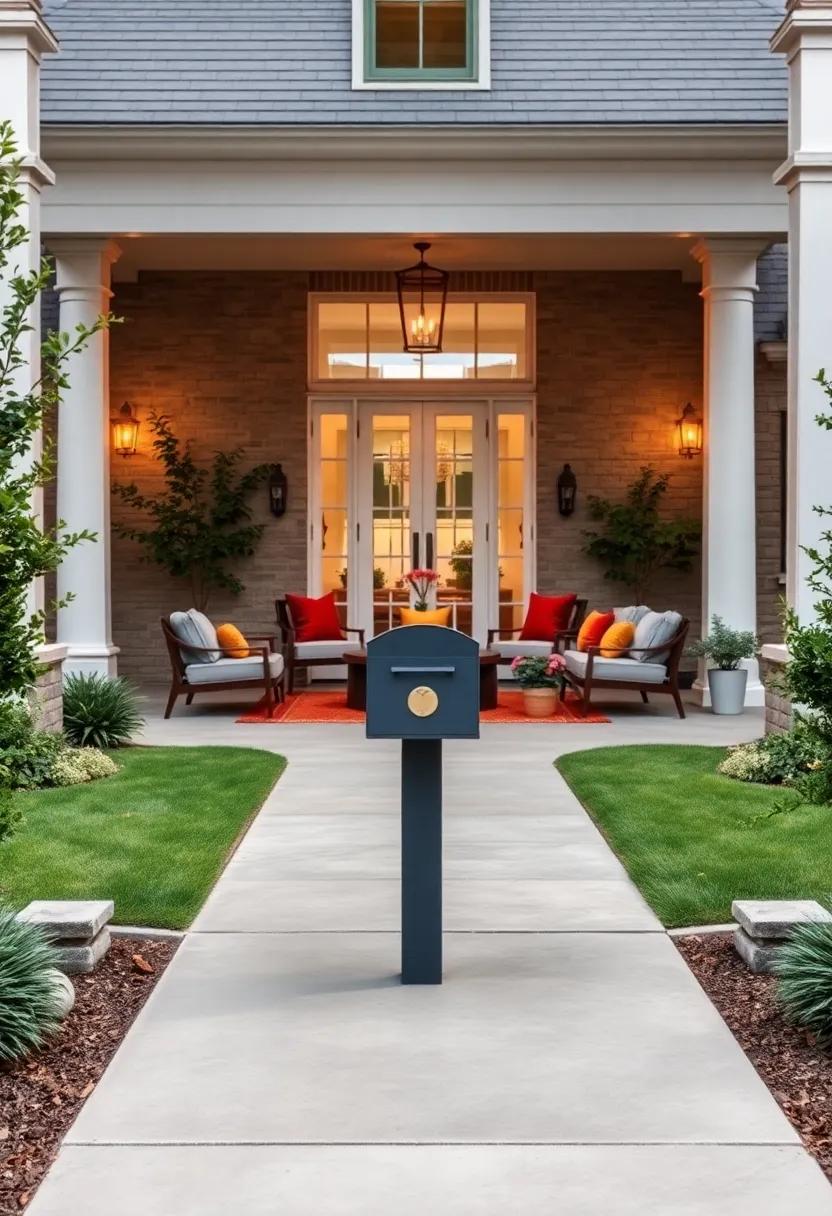
When designing a Colonial-style front yard, the mailbox often serves as a small yet significant focal point. To preserve the yard’s balanced aesthetic, position the mailbox so that it mirrors other key elements, such as walkway leads, light posts, or paired shrubs. This intentional alignment helps maintain the strict symmetry characteristic of Colonial design, ensuring the mailbox blends seamlessly rather than drawing unwanted attention. Opt for classic mailbox styles — think black wrought iron or painted wood — that echo the traditional motifs found elsewhere in the yard.
Key considerations for mailbox placement:
- Place it equidistant from the driveway or path centerline.
- Match height and scale to surrounding landscape features.
- Choose colors and materials consistent with the home’s exterior palette.
- Use symmetrical plantings, like identical flower beds or hedges, to frame the mailbox.
| Element | Suggested Mailbox Placement | Symmetry Tip |
|---|---|---|
| Driveway | Centered along driveway edge | Align with pathway or gate |
| Walkway | Directly opposite walkway midpoint | Flank with matching shrubs |
| Front door | Parallel, at equal distances from steps | Use mirrored lighting |
Reflect your home’s exterior colors with plant selections and garden accessories placed evenly on both sides
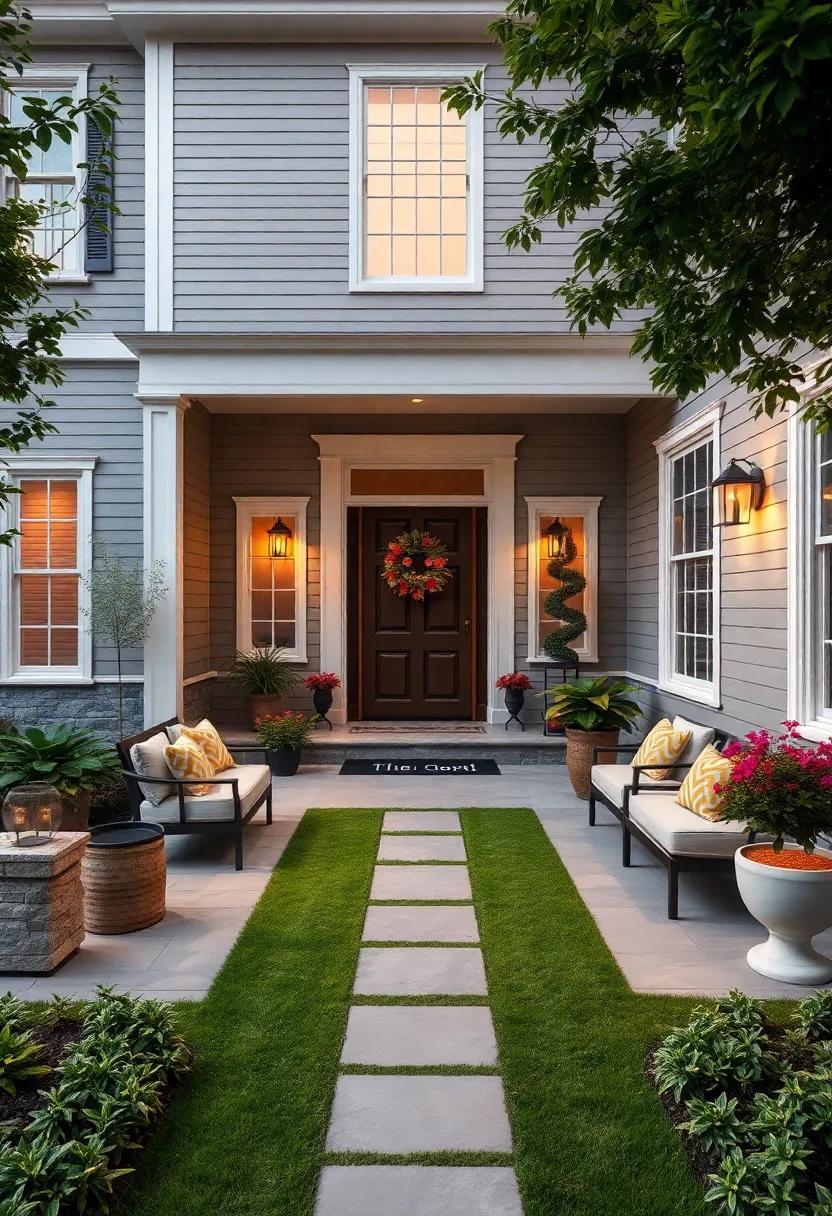
Choosing plants and garden accessories that echo the colors of your home’s exterior creates an inviting sense of unity and balance that is essential to Colonial-style symmetry.As an example, if your home features classic white siding with deep navy shutters, incorporate flowering plants with soft whites, blues, and touches of green to harmonize naturally. Place matching planters on either side of walkways or the front steps, filled with identical blooms and foliage to amplify symmetry. This not only frames the entryway elegantly but also reinforces the iconic balanced look without overpowering the architecture.
Don’t overlook the power of evenly distributing garden décor—such as lanterns, urns, or wrought iron benches—on both sides of walkways or garden beds. These elements act like visual bookends,grounding the space and making it feel thoughtfully curated. A simple way to organize your selections is thru this easy color coordination guide:
| Home Exterior Color | Plant Color Palette | Recommended Accessories |
|---|---|---|
| Classic White | Lavender, Fern Green, Pale Pink | Black Lanterns, White urns |
| Brick Red | Soft Yellows, Cream, Deep Greens | Wrought Iron Benches, Bronze Pots |
| Gray with Blue Trim | Blues, Whites, Silver-green | Stone Planters, Blue Ceramic Vases |
| Navy Blue | White, Purple, Dusty Sage | white Wooden Chairs, Navy-painted Pots |
Ensure all pathways and driveway edges are mirrored and aligned to sharpen the structured, balanced aesthetic
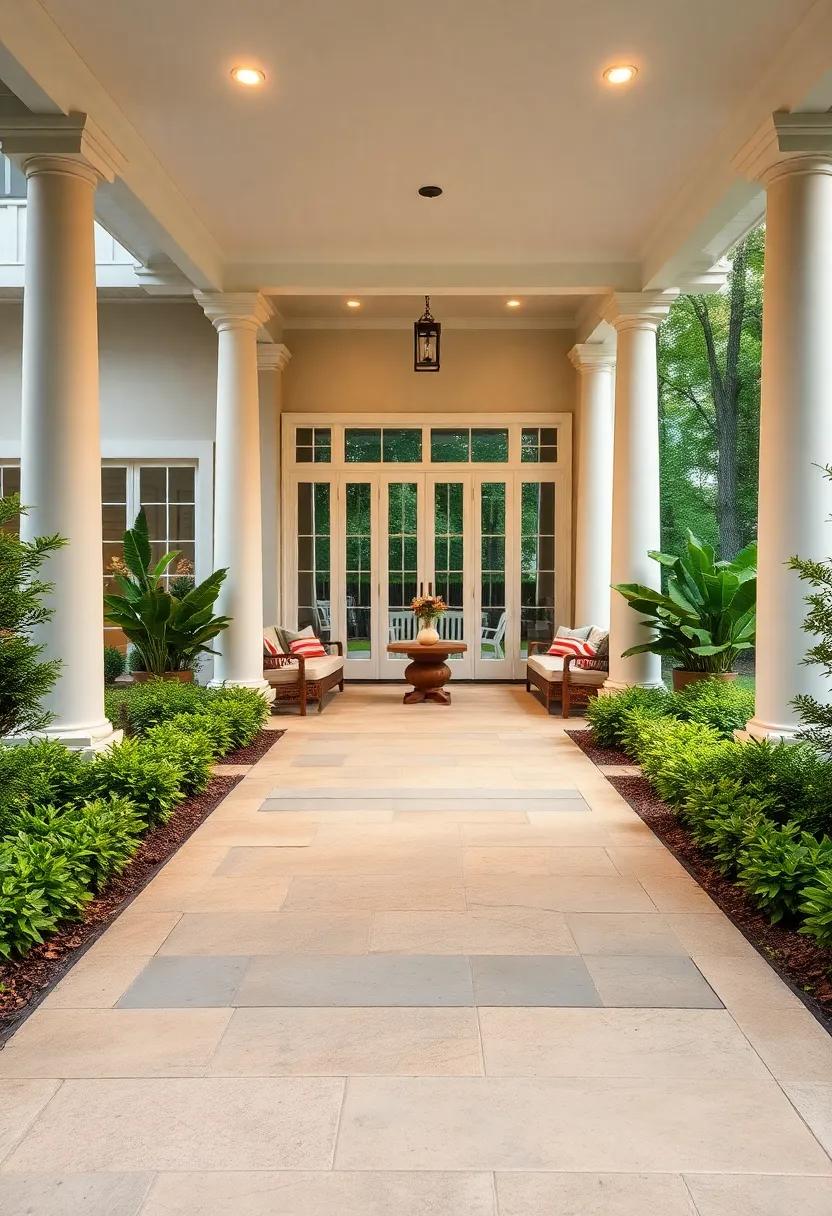
Achieving a flawless colonial-style front yard hinges on the precision of your pathways and driveway edges. Begin by carefully mapping out the routes, ensuring both sides are exact replicas of each other in shape and proportion.This mirrored design not only reinforces the symmetry but also creates a visually pleasing rhythm that guides the eye naturally toward the home’s entrance. pay attention to subtle details like matching the width and curves on each side, and consider using edging materials such as brick, stone, or concrete that complement the colonial aesthetic while clearly defining these boundaries.
Maintenance plays a crucial role in preserving this structured balance. Regularly trim bordering plants and keep the edges clean from debris and overgrowth to prevent disruptions in the symmetrical flow. For added clarity, here’s a simple table outlining ideal pathway widths and edging materials to consider:
| Pathway Width | Edging Material | Visual effect |
|---|---|---|
| 3-4 feet | Brick | Classic warmth & texture |
| 4-5 feet | Concrete | Sleek & clean-lined |
| 3 feet | Natural stone | Rustic charm |
- Use a level or laser guide to confirm symmetry during installation
- Choose low-maintenance edging to keep clean lines year-round
- Incorporate subtle lighting along edges to highlight the symmetry at night
Regularly prune and shape shrubs and trees uniformly to preserve the timeless, neat appearance of a Colonial front yard
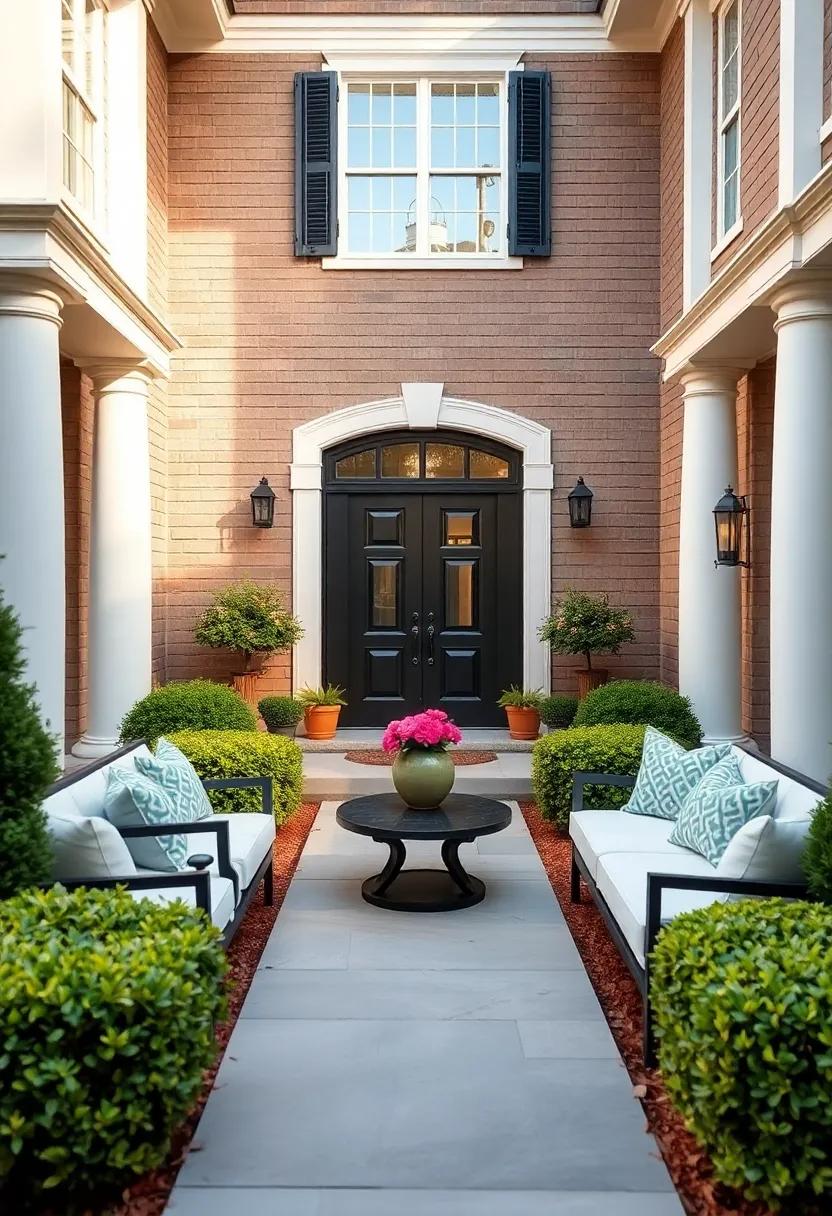
Maintaining the crisp, orderly charm of a Colonial-style front yard hinges on consistent and precise pruning. Uniformly shaping your shrubs and trees not only emphasizes the symmetrical balance but also prevents overgrowth that can disrupt the formal aesthetic. Consider the rhythm of your pruning schedule—early spring is ideal before full bloom,with a light touch in late summer to refine the shape. Always use clean, sharp tools to create smooth cuts, encouraging healthy growth and reducing stress on plants.
Tips for uniform shaping:
- Use string lines or stakes as visual guides to ensure even heights and widths.
- Trim topiary forms slowly to avoid cutting away too much at once.
- Balance rounded shrubs with more structured, conical trees for a dynamic but harmonious visual.
- Regularly remove any dead or crossing branches to keep the look polished.
| Plant Type | Pruning Frequency | Best Season |
|---|---|---|
| Boxwood Shrubs | 4-5 times/year | Spring & Summer |
| Yew Trees | 2 times/year | Early Spring & Late Summer |
| Dogwood Trees | 1 time/year | Late Winter |
key Takeaways
Bringing a Colonial-style symmetrical front yard to life is all about balance, tradition, and thoughtful details that stand the test of time. With these 25 timeless tips, you’re well-equipped to craft a welcoming outdoor space that honors classic elegance while expressing your personal touch. Whether you’re planting the first shrub or adding the finishing lantern, remember that symmetry isn’t just about matching halves—it’s about creating harmony that invites both beauty and tranquility to your home’s doorstep. Here’s to turning your front yard into a charming reflection of Colonial grace that will endure for years to come.
As an Amazon Associate I earn from qualifying purchases.