25 Timeless Tips for Small Space Design in Traditional Interiors You’ll Love
When it comes to designing small spaces, especially within traditional interiors, the challenge lies in balancing charm with functionality. How do you preserve the elegance of classic design while maximizing every inch? That’s where our curated list of 25 timeless tips for small space design comes in.Whether you’re working with a cozy parlor, a petite study, or a compact living area, these carefully crafted ideas will help you make the most of your space without compromising on style. From clever furniture arrangements to classic color palettes and smart storage solutions, this guide offers practical inspiration that honors tradition while embracing smart design. Dive in and discover how to transform your small traditional interiors into inviting, graceful retreats you’ll love for years to come.
Embrace multifunctional furniture to maximize every inch without sacrificing style

Incorporating furniture that effortlessly serves multiple purposes is a brilliant way to conserve space while maintaining the refined charm intrinsic to traditional interiors. Pieces like ottomans with hidden storage, elegant drop-leaf tables, or classic daybeds with built-in drawers not only keep your room uncluttered but also add layers of functional beauty. Opt for richly upholstered items with subtle detailing to stay true to traditional aesthetics without overwhelming the space. This balanced approach ensures every item earns its place,keeping your sanctuary both stylish and practical.
Consider investing in versatile classics that adapt to your lifestyle needs. For instance, a vintage-inspired bench can double as seating and storage, while a sturdy wooden chest with brass accents can discreetly house blankets and cushions. Here’s a quick guide to some multifunctional furniture perfect for traditional spaces:
| Furniture | Function | Traditional Touch |
|---|---|---|
| Storage Ottoman | Seating + Hidden Storage | Tufted velvet, nailhead trim |
| Drop-Leaf Table | Dining surface + space Saver | Carved wood legs, mahogany finish |
| Daybed with drawers | Sleeping + Storage | Turned wood spindles, floral upholstery |
| Storage Bench | Entryway Seating + Shoe Storage | Distressed paint, antique hardware |
Use mirrors strategically to reflect light and create an illusion of spaciousness
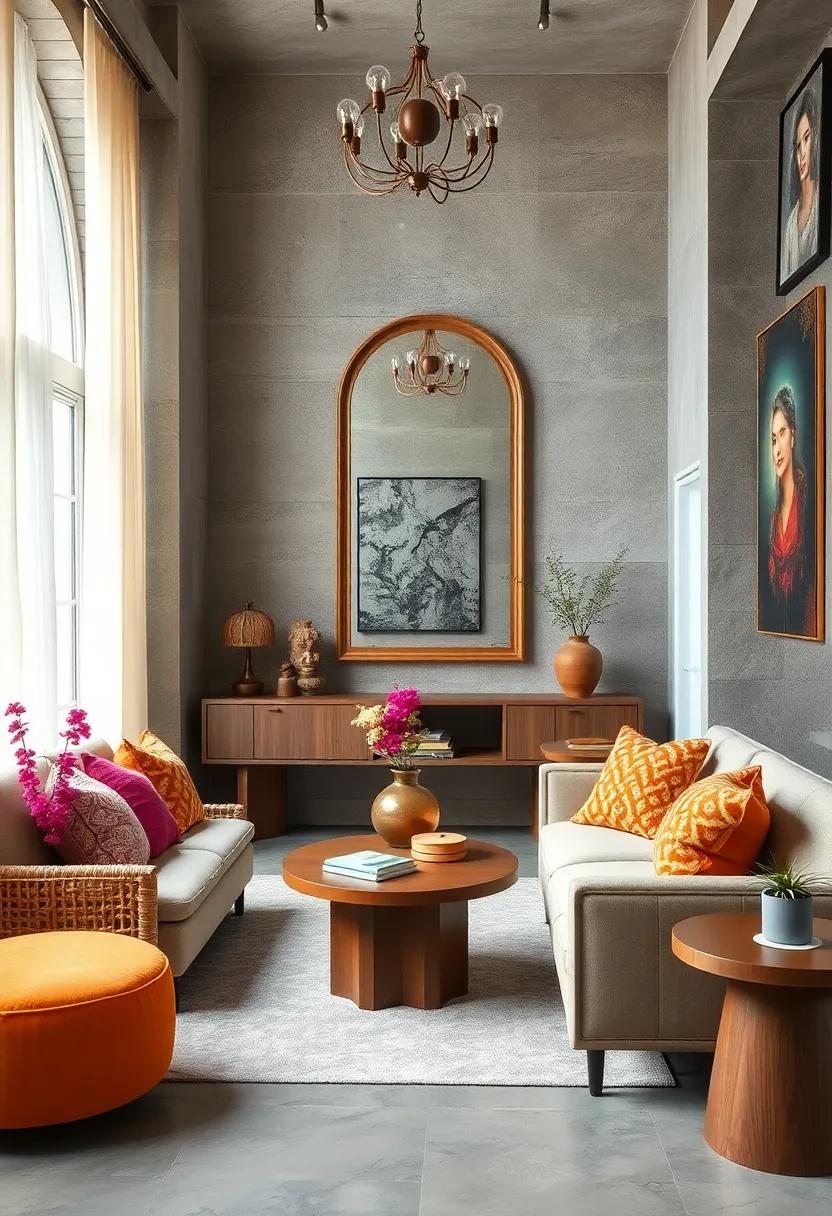
Mirrors are more than just decorative elements in traditional interiors; they’re powerful tools that can enhance both light and space. Placing a large mirror opposite a window or a well-lit area helps to bounce natural daylight deeper into the room, dramatically brightening even the most compact corners. Opt for ornate frames that echo classic styles—think gilded edges or intricate wood carving—to maintain the traditional aesthetic while amplifying illumination.Position smaller mirrors on walls near forgotten nooks to visually expand tight areas, making your small space feel welcoming rather of cramped.
In addition to reflecting light, mirrors can create captivating focal points that draw the eye and lend an impression of depth. consider grouping various mirror styles and sizes in a gallery-style arrangement to add dynamic interest without overcrowding. Here’s a simple guide to mirror placement for small, traditional rooms:
| Location | Effect |
|---|---|
| Opposite a window | Maximizes natural light |
| Above a fireplace mantel | Creates an elegant focal point |
| Behind a console or sideboard | Adds depth and interest |
| Along narrow hallways | Widens passage visually |
- Choose frames that complement your furniture for seamless cohesion.
- Keep mirror placement eye-level for maximum visual impact.
- Pair mirrors with soft ambient lighting to create warmth and softness.
Opt for light, neutral color palettes to keep rooms feeling airy and open
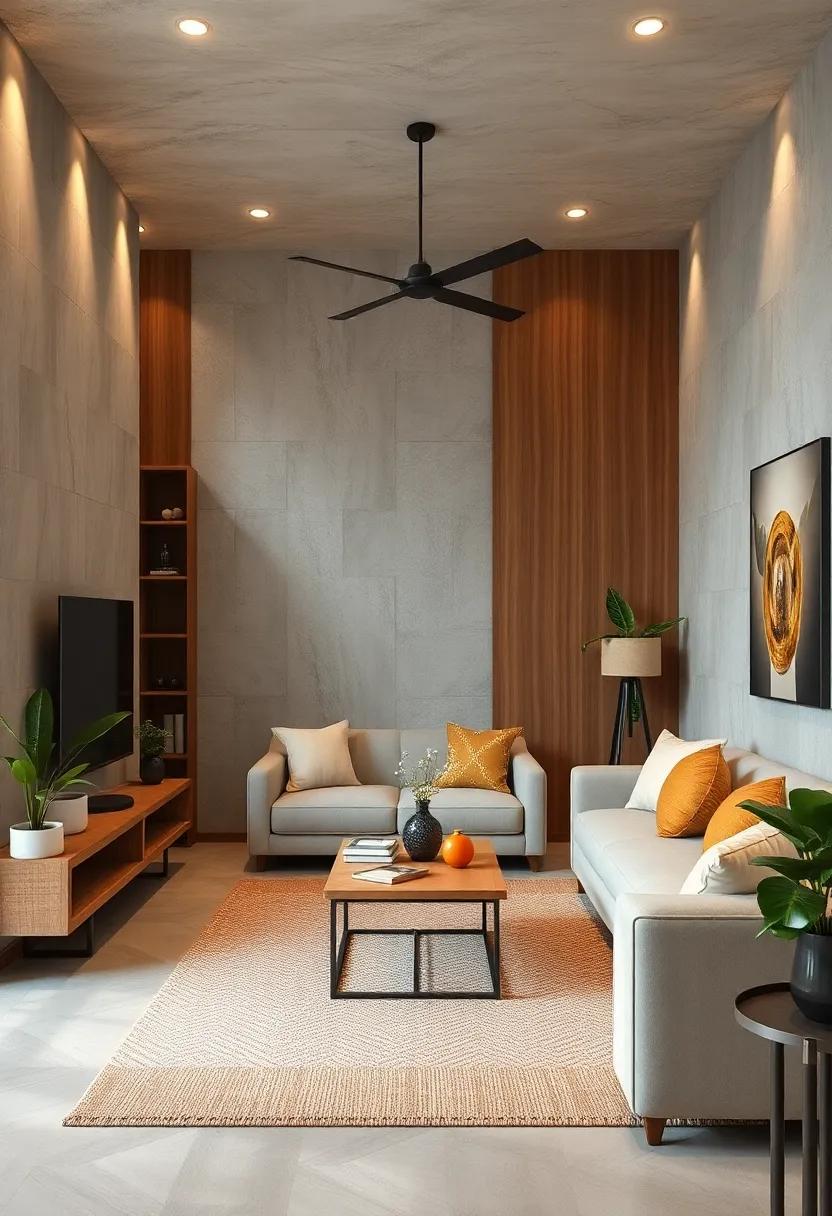
Light, neutral hues serve as the perfect backdrop for small traditional interiors, effortlessly expanding the visual boundaries of a room.Shades like soft creams, warm beiges, gentle grays, and muted whites reflect natural light, making spaces feel fresh and inviting rather than cramped. these colors create a serene canvas that complements classic furnishings without overwhelming the eye, allowing architectural details and cherished antiques to shine subtly within the design.
Incorporate these tones not only on walls but also in textiles, window treatments, and even flooring to maintain a cohesive and airy ambience. To add dimension without disrupting the light palette,consider incorporating textures such as linen,light wood grains,or delicate patterns in soft colors. Here’s a simple guide to blending neutrals in your small space:
| Element | Recommended Neutrals | Textural Suggestions |
|---|---|---|
| Walls | cream, Pale Gray, Off-White | Matte paint, subtle wallpaper patterns |
| furnishings | Beige, Light Taupe | Velvet, soft leather, linen blend |
| Floors & Rugs | Natural Oak, Light Wool Gray | Handwoven rugs, jute fibers |
Incorporate built-in storage solutions that blend seamlessly with traditional design elements
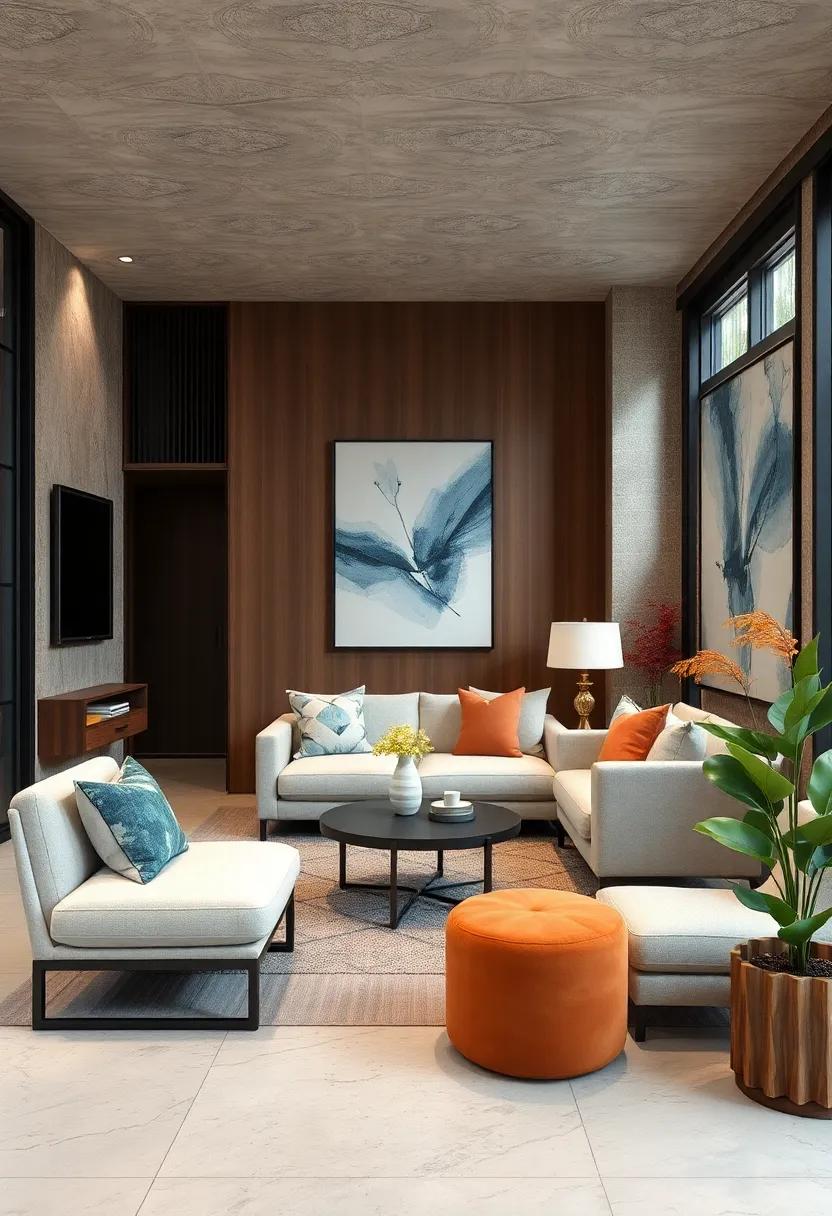
Maximize your small space by integrating storage that feels like part of the room, not an afterthought. Custom-built shelving, window seats with hidden compartments, and wainscoted cabinets can all reflect traditional craftsmanship while offering practical solutions. Opt for materials like rich mahogany or painted wood to keep that timeless vibe intact. The goal is to maintain visual harmony, so these storage choices often mirror architectural details—think crown molding on cabinet doors or classic brass knobs on drawers.
Consider multifunctional pieces that cleverly combine elegance with utility. A built-in bookcase with adjustable shelves can store your favorite novels and display cherished heirlooms without overwhelming the room’s aesthetics. Below is a simple guide to traditional built-in options, balancing charm and function:
| Built-in Option | Traditional Feature | Storage benefit |
|---|---|---|
| Window Seat Bench | Paneled wood with cushion | Concealed under-seat storage |
| Bookcase Cabinet | Crown molding & brass hardware | Adjustable shelving for versatility |
| Wainscoted Sideboard | Raised panel doors | Hidden drawers and shelves |
Select furniture with slender legs to open up floor space and add an elegant touch
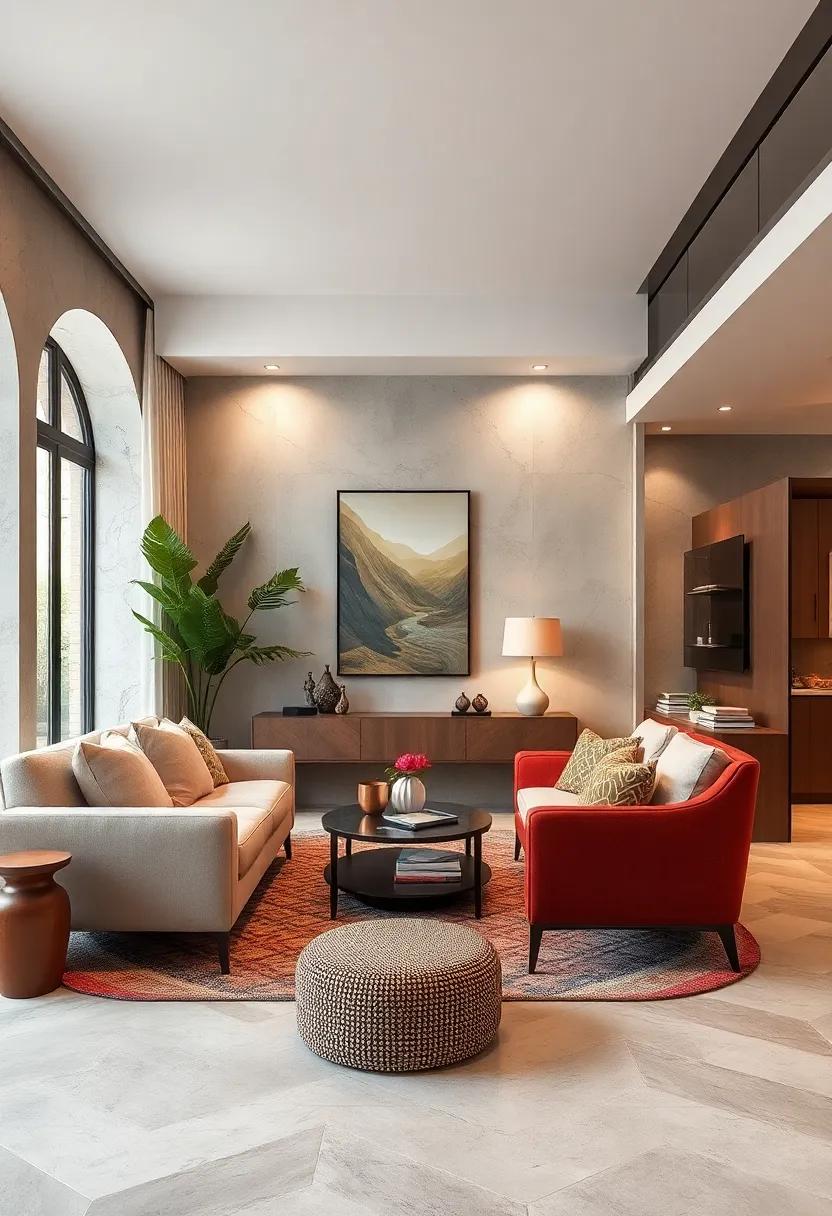
Furniture with slender legs creates an airy, transparent feel by allowing more visible floor area.This simple design choice reduces visual heaviness, making rooms appear larger and more inviting without sacrificing style. Whether it’s a refined armchair, a dainty coffee table, or an ornate sideboard, the delicate silhouette of these pieces complements traditional interiors by blending classic craftsmanship with a fresh, open ambiance. Opt for wood finishes that match your décor palette to maintain harmony while emphasizing the furniture’s graceful legs.
Beyond aesthetics, slender-legged furniture is practical for small spaces — it’s easier to clean underneath and rearrange as needed. consider integrating elements like tapered legs, turned spindles, or subtly carved feet to bring subtle elegance and texture.To help you visualize, here’s a quick comparison of popular leg styles and their impact on small traditional rooms:
| Leg Style | Visual Weight | Best For |
|---|---|---|
| Tapered Legs | Light | Modern-traditional blends, sofas, and dining chairs |
| Turned Spindles | Medium | Accent chairs, occasional tables |
| Delicately Carved Feet | Medium to Light | Console tables, vintage pieces |
Layer soft textiles like rugs, curtains, and cushions to add warmth and texture
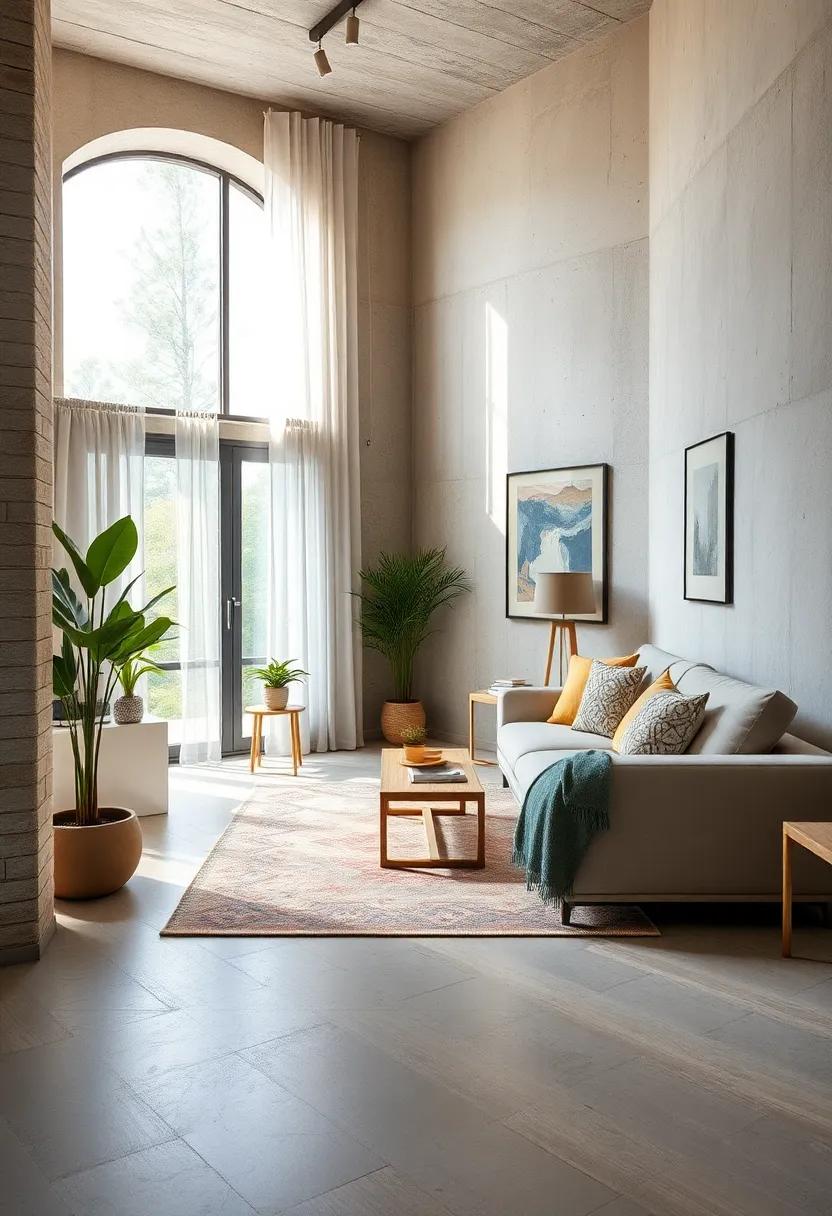
In traditional interiors,the tactile experience of a room plays a significant role in creating a cozy ambiance. Incorporate layers of soft textiles such as plush rugs underfoot, flowing curtains around your windows, and inviting cushions on your seating to bring an irresistible warmth and tactile dimension to compact spaces. These elements not only enhance comfort but also introduce subtle patterns and hues that define character without overwhelming the room’s scale.
Choose fabrics with natural fibers and rich textures like velvet, wool, or linen to complement classic design schemes. Mixing textures—think a chunky knit cushion paired with a smooth silk curtain or a vintage Persian rug—adds visual interest while maintaining harmony. Here’s a quick guide to balance texture and color effectively:
| Textile Type | Texture | Color palette |
|---|---|---|
| Rugs | Woven, patterned | Warm neutrals, deep reds |
| curtains | Soft, flowing | Muted pastels, creams |
| Cushions | Velvety, embroidered | Rich jewel tones, gold accents |
Choose classic patterns such as florals and stripes in moderation to maintain timeless charm
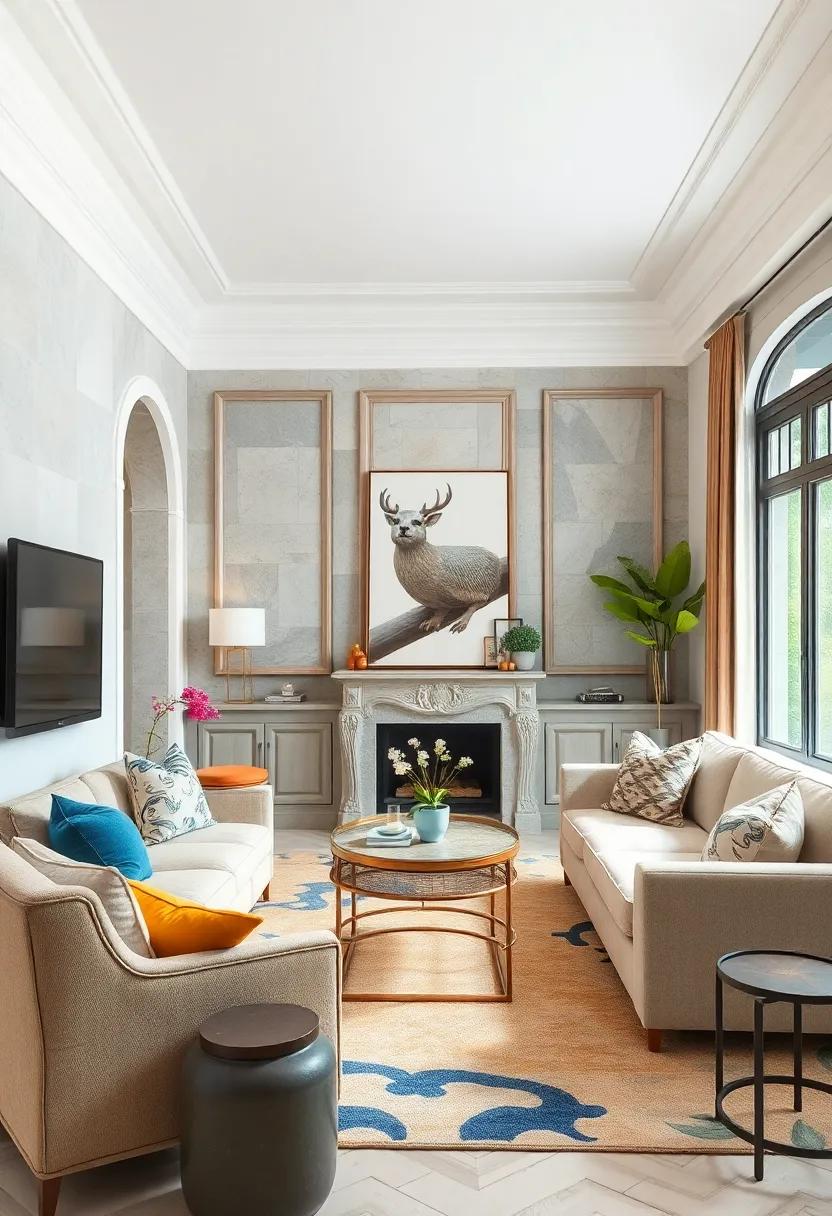
incorporating classic patterns like florals and stripes can instantly evoke the warmth and elegance of traditional interiors, especially in small spaces. However, balance is key.Using these patterns sparingly prevents the room from feeling overwhelming or visually cluttered. As a notable example, a striped accent wall paired with floral cushions or a vintage rug can create focal points that add character while maintaining harmony. Remember, less is more when working with patterns in compact areas—choose pieces that complement rather than compete with each other.
To achieve this delicate balance, consider mixing your patterns with solid, neutral tones and textures. A well-chosen floral lampshade can brighten a corner without dominating the space, while stripes on upholstery or curtains can guide the eye and make the room feel larger. Below is a simple guide to help you mix and match these classic patterns effectively:
| Pattern | Best use | Ideal Pairing |
|---|---|---|
| Floral | Accent cushions, small rugs, lampshades | Solid creams, muted greens, delicate textures |
| Stripes | Upholstery, curtains, feature walls | Soft neutrals, subtle florals, polished woods |
Utilize vertical space with tall bookcases or wall-mounted shelves to declutter surfaces
When floor space is at a premium, thinking vertically can transform your room’s functionality without compromising its classic charm. Tall bookcases and wall-mounted shelves not only draw the eye upward,creating an illusion of higher ceilings,but also serve as elegant storage solutions. Choose wooden bookcases with intricate moldings or vintage finishes to maintain the traditional aesthetic while maximizing storage for your favorite novels, cherished antiques, or decorative ceramics. Incorporating closed cabinets or glass-fronted doors helps keep clutter out of sight while still adding visual interest and texture.
To maintain a balanced look, mix practical storage with artful display by grouping items thoughtfully. Such as:
- Top shelves: Display heirloom pieces or framed family photos for a personal touch.
- Middle shelves: Use for daily essentials like books and decorative baskets.
- Lower shelves: Store larger items or stylish boxes to conceal less attractive belongings.
| Type | Ideal Use | Style Tip |
|---|---|---|
| Tall Bookcase | Books,antiques,heirlooms | Choose rich wood tones with carved detailing |
| Wall-Mounted Shelf | Small decorative items,plants | Mix metal brackets with wooden shelves for contrast |
| Floating Cabinets | Hidden storage for clutter | Opt for painted finishes matching wall color |
Keep window treatments simple and light to maximize natural daylight
To create an airy,open feel in a traditional small space,opt for window treatments that embrace simplicity and allow daylight to flow freely. Think light, sheer fabrics like linen or cotton that soften sunlight without weighing down the room. Avoid heavy drapes or ornate valances that can visually clutter the space and block natural light. Rather, consider neutral tones or soft pastels which subtly enhance traditional décor while maximizing brightness.
Tips for choosing window treatments:
- Use lightweight curtains paired with delicate rods or minimalist hardware.
- Opt for Roman shades or bamboo blinds that filter light but maintain warmth.
- Keep patterns subtle—simple stripes or soft florals work well in traditional settings.
- Install treatments close to the ceiling to create the illusion of height and openness.
| Fabric | Light Effect | Traditional Appeal |
|---|---|---|
| Linen | Soft diffusion | Timeless texture |
| Cotton Voile | Light and airy | Classic elegance |
| Bamboo | Filtered natural light | Earthy warmth |
Incorporate vintage accessories to bring character and authenticity to your space
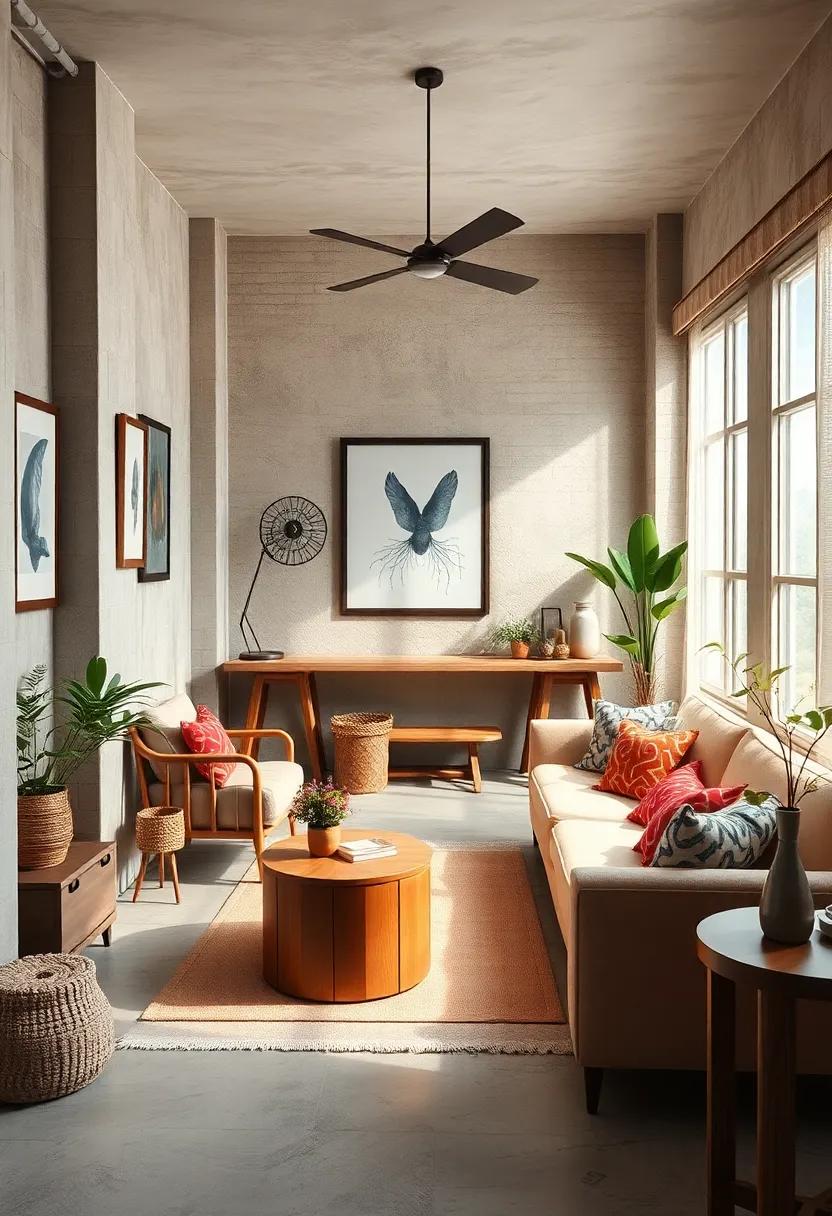
Adding vintage accessories to your traditional interior transforms a small space into a narrative rich with history and charm. Consider incorporating antique mirrors with ornate frames or delicate porcelain figurines that reflect a bygone era, instantly elevating the room’s personality without crowding it. These timeless pieces not only serve as focal points but also work beautifully with classic wooden furniture and textured fabrics,creating an inviting and authentic atmosphere.
To effortlessly blend vintage with function, think about integrating smaller items like old leather-bound books, brass candlesticks, or retro clocks into your decor. Here’s a quick guide to harmonious vintage accents for small spaces:
| Accessory | Material | Best Placement |
|---|---|---|
| Vintage Trunks | Wood/Metal | Corner storage & coffee table |
| Pressed Glass Vases | Glass | Window sills & shelves |
| Brass Key Holders | Brass | Entryway wall |
| Embossed Leather Books | Leather | Side tables & mantelpieces |
Opt for polished wood finishes to add warmth and richness to compact rooms
In compact rooms, the right choice of finishes can dramatically influence the atmosphere, transforming a tight space into a cozy haven. Polished wood finishes achieve this with immediate effect, introducing a natural glow and depth that brighten corners and soften edges. Rich, warm hues like mahogany, cherry, or walnut create a timeless foundation, evoking a sense of tradition while visually expanding the room. The subtle sheen of a well-applied polish reflects light beautifully, making small areas feel both inviting and elegant.
To maximize the impact of polished wood finishes in your small traditional spaces, try incorporating:
- Paneled walls with a glossy wood finish to add texture without overwhelming the room
- Furniture pieces with smooth lacquered surfaces, balancing elegance and practicality
- Wood-trimmed doorways and moldings to create architectural interest
- Flooring in polished hardwoods, paired with lighter rugs for contrast and warmth
| Wood Type | Finish | Best Use |
|---|---|---|
| Mahogany | Glossy | Accent walls, furniture |
| walnut | Matte-Gloss | Flooring, trim |
| Cherry | Satin | Cabinets, doorways |
Create focal points with artwork or statement lighting to draw attention away from size constraints
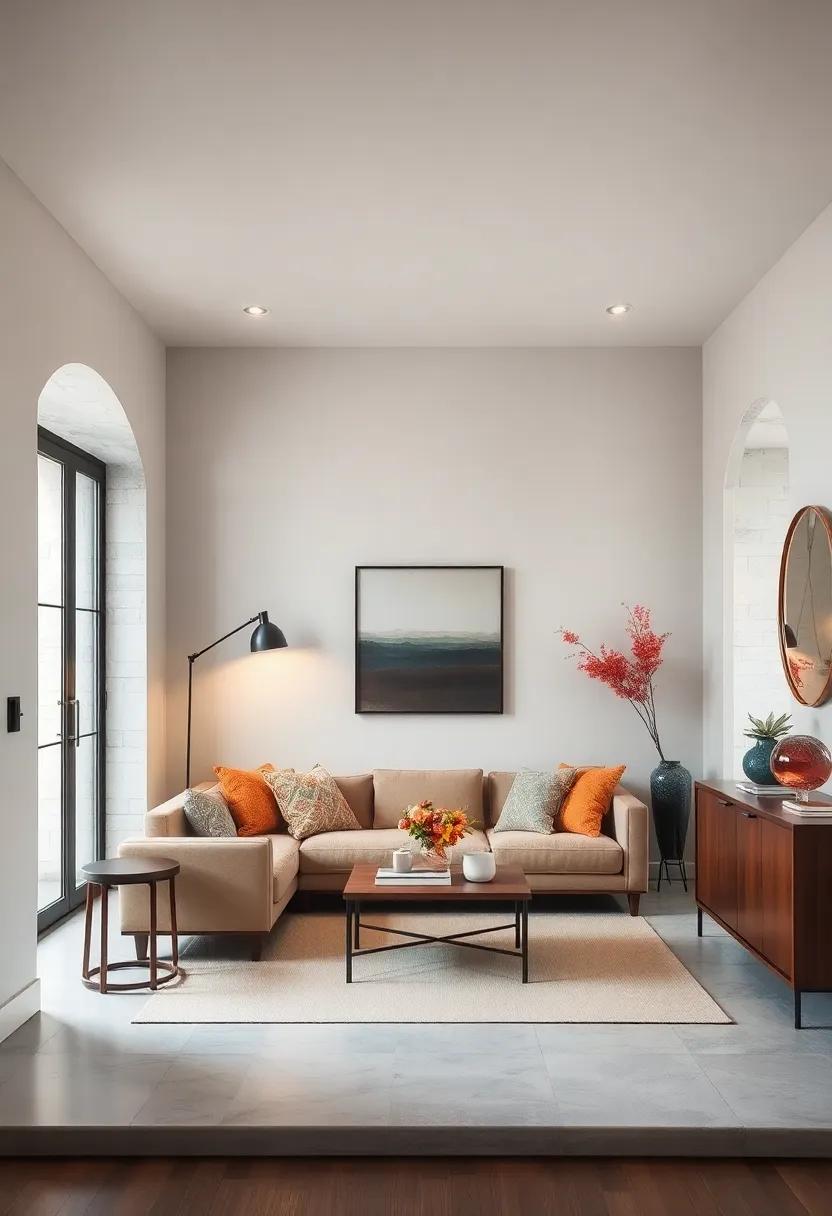
In small traditional interiors, directing the eye towards captivating elements can make your space feel larger and more inviting. Consider placing a bold piece of artwork with vivid colors or intricate details on a prominent wall to instantly create a visual anchor.This not only diverts attention from limited square footage but also adds personality and charm. Alternatively, statement lighting fixtures such as elegant chandeliers, vintage sconces, or oversized pendant lamps can serve as sculptural focal points that elevate the room’s ambiance while drawing the gaze upward—making ceilings appear higher and enhancing the overall spatial experience.
When selecting these focal elements, balance is key. Use a mix of subtle textures and sophisticated finishes that complement your traditional décor. Incorporate elements like:
- Antique gilded frames to showcase classic artwork or mirrors
- Brass or bronze lighting fixtures with intricate craftsmanship
- Layered lighting combining ambient,task,and accent lights
- Richly patterned tapestries or wall hangings as eye-catching backdrops
| Focal Point Type | Effect | Traditional Style Tip |
|---|---|---|
| Artwork | Creates depth and personality | Choose classic themes or landscapes |
| Chandelier | adds height and drama | Opt for crystal or wrought iron designs |
| Wall Sconces | Divides wall space elegantly | Pair with coordinated mirrors |
Use area rugs to define zones within an open floor plan without adding bulk
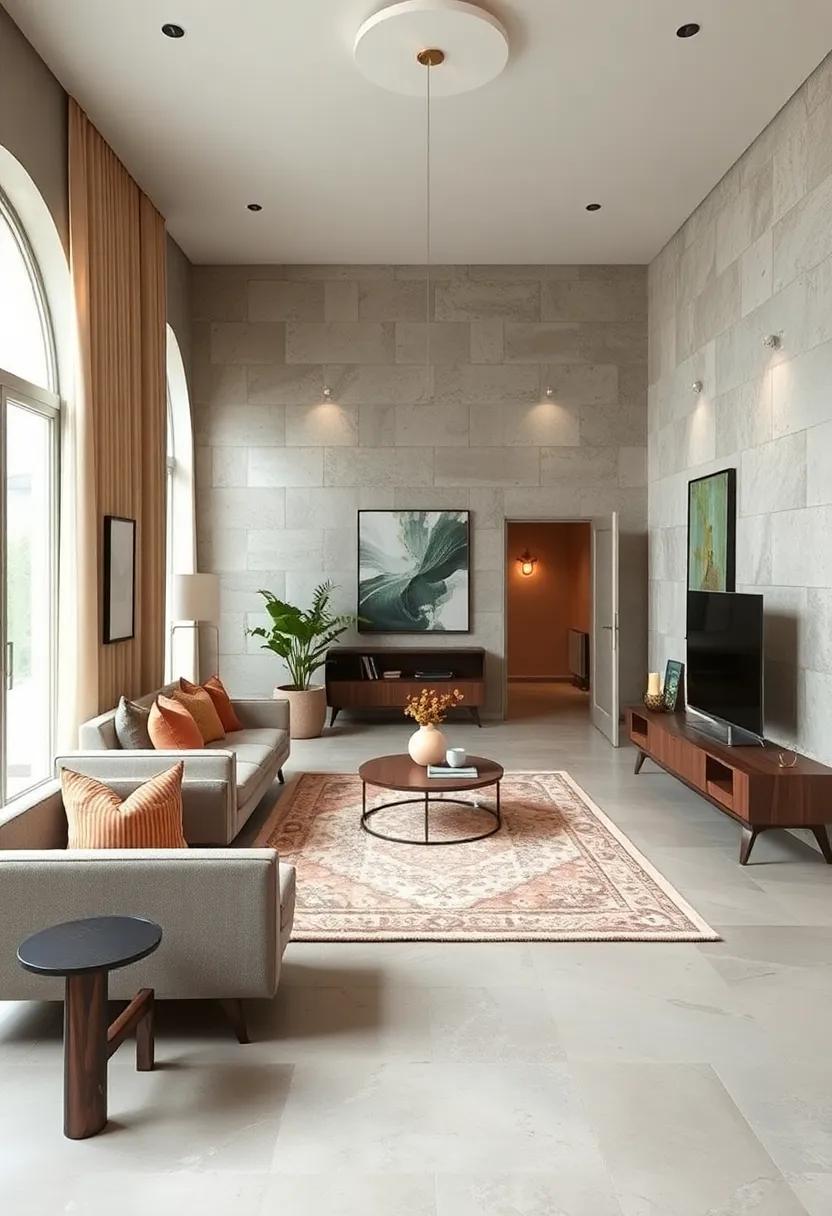
In traditional interiors, balancing openness with intimacy can be a challenge, especially when space is limited. Area rugs serve as an elegant solution by visually anchoring different functional zones—such as seating areas or dining spaces—without the need for bulky partitions or furniture. Opt for rugs with classic patterns or muted tones that complement your décor, ensuring they seamlessly blend with the overall scheme while delineating each area clearly. This subtle yet effective technique fosters a sense of cohesion and order, enhancing flow and usability in your open floor plan.
To maximize impact, consider these design strategies:
- Size Matters: Choose rugs that are appropriately scaled to the furniture they encompass; too small can feel disconnected, too large may visually overwhelm.
- Layer with Texture: Mix different textures to create tactile interest without clutter, like pairing a wool rug with silk cushions.
- Color Coordination: Coordinate rug colors with accent pieces or wall colors for an integrated look that feels intentional and polished.
Choose round or oval furniture pieces to improve flow and reduce sharp edges
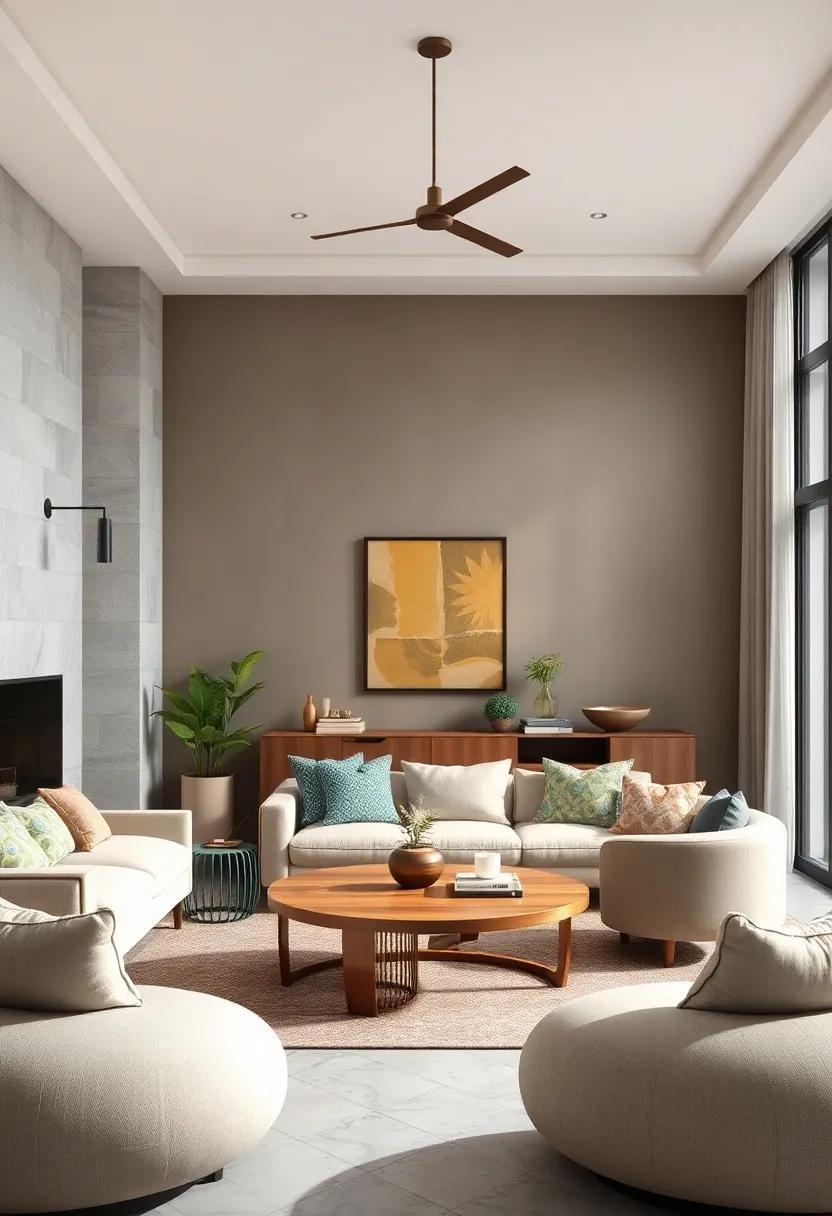
Softening the contours of your small traditional space with rounded or oval furniture pieces not only enhances aesthetic appeal but also encourages a natural, unimpeded flow throughout the room.Curved edges reduce the visual and physical interruption caused by sharp corners, making the area feel more open and inviting.Imagine a plush, oval coffee table or a round-backed armchair that nestles beautifully into a cozy nook—these shapes create harmonious movement, subtly guiding the eye and the body with ease.
Benefits of choosing rounded furniture include:
- Enhanced safety—especially in tight quarters where bumping into sharp edges is a risk.
- Improved traffic flow, avoiding congested or awkward pathways.
- An organic, timeless elegance that complements traditional design’s rich textures and patterns.
| Furniture Type | Ideal Shape | Benefit |
|---|---|---|
| Coffee Table | Oval | Invites easy movement around seating areas |
| Dining Table | Round | Encourages intimate conversation in small spaces |
| Side Chairs | Rounded backs | Add softness and elegance |
| Ottomans | Curved | Flexible use without sharp corners |
Mix delicate antique pieces with modern elements for a balanced traditional look
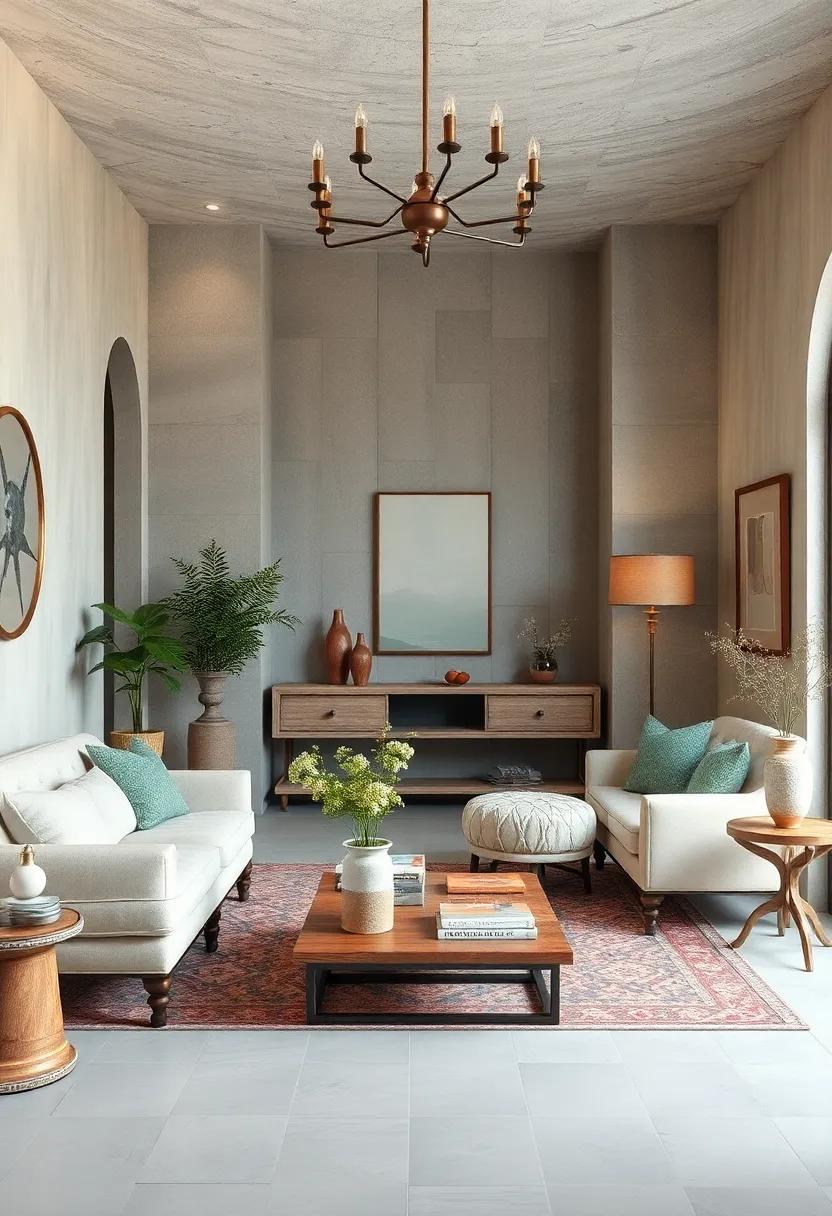
Blending the charm of antique treasures with the sleekness of modern pieces creates a dynamic yet harmonious ambiance in compact traditional spaces.Consider pairing a finely carved vintage armchair with a minimalist metal side table, or showcase an elegant crystal chandelier alongside contemporary wall art. This thoughtful interplay not only preserves the nostalgia of traditional design but also introduces a fresh, airy vibe that prevents the room from feeling cluttered or outdated. Mixing textures and finishes—like the warmth of aged wood against the coolness of glass or chrome—provides depth and interest without sacrificing balance.
- Highlight meaningful antiques as focal points rather than overcrowding the space.
- Choose modern furniture with clean lines to complement ornate antique details.
- Use contemporary lighting to brighten and reinterpret classic motifs.
- Incorporate muted color palettes that allow antique pieces to shine without overwhelming.
| Antique Element | Modern Pairing | Effect |
|---|---|---|
| Victorian Mirror | Geometric Metal Console | Contrast ornate with clean edges |
| Handwoven Persian Rug | Neutral Minimalist Sofa | balance warmth and simplicity |
| Carved Mahogany side Table | Mirrored Lamp | Add sparkle without heaviness |
Keep pathways clear and furniture arrangement purposeful for easy movement
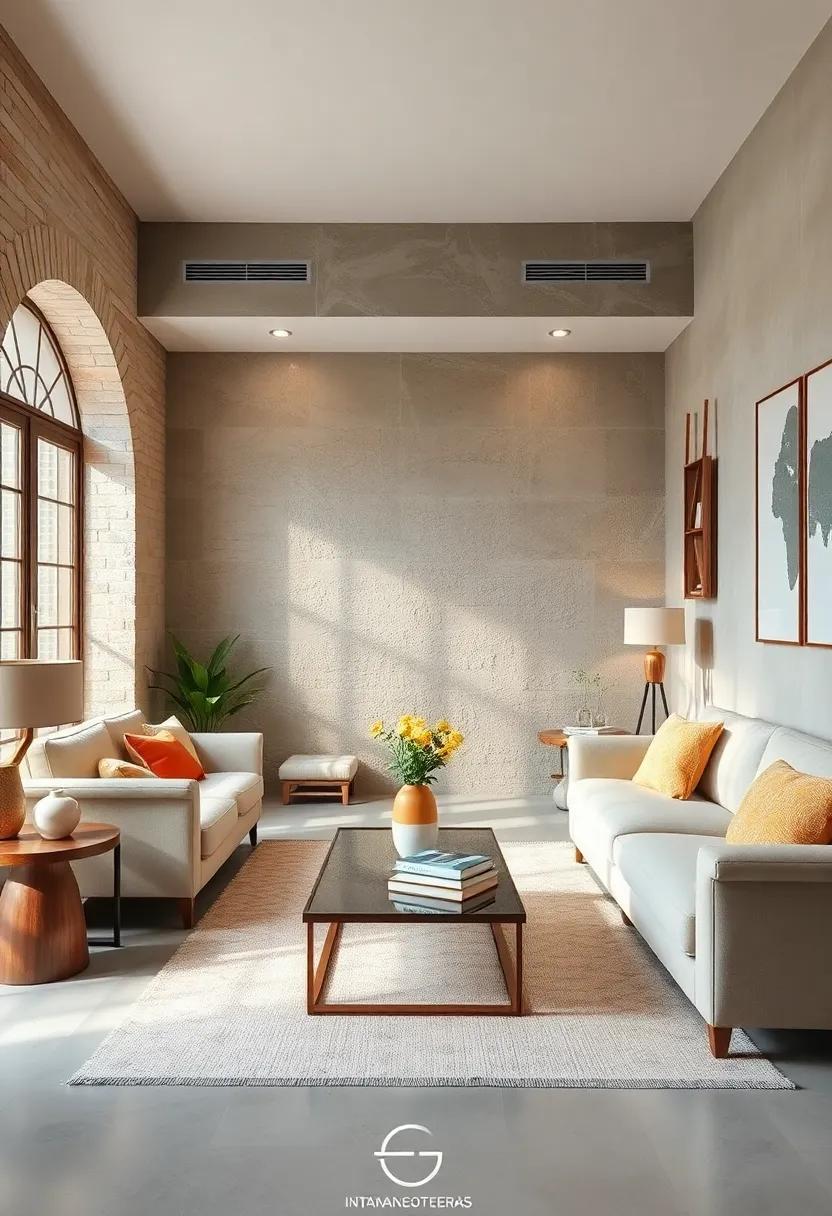
In the realm of traditional interiors, the flow of space holds as much importance as its aesthetic. Ensuring pathways remain free from clutter not only encourages a more inviting atmosphere but also physically opens up the room, making it appear larger and more navigable. Strategically placed furniture that respects natural movement patterns fosters an effortless circulation, preventing cramped or congested feeling. Think about the journey through your space—each step should feel intentional and unhindered, guiding you smoothly from one area to another without backtracking or awkward detours.
When arranging furnishings, prioritize multifunctional pieces that complement the classic vibe yet serve practical purposes. For instance, a well-crafted Ottoman can double as both seating and storage while keeping the area tidy. Consider using subtle zoning methods like rugs or lighting to define areas without erecting barriers. Below is a simple guide to help visualize optimal furniture spacing:
| Area | Clear Pathway Width | Suggested Furniture Distance |
|---|---|---|
| Hallways | 36-42 inches | Keep furniture at least 3 feet away |
| Living Rooms | 30-36 inches | Maintain 2-3 feet between seating |
| dining Areas | 42 inches from table edge | Allow 3 feet for chair movement |
- Opt for slim armchairs or benches to maximize seating without overwhelming pathways.
- Use corner spaces wisely by situating small tables or lamps that don’t obstruct walkways.
- Keep heavy furniture anchored against walls, letting the center breathe and flow freely.
Invest in quality window seats with hidden storage underneath
Maximize every inch of your cozy nook by incorporating a window seat that doubles as hidden storage. These custom-built benches provide a perfect perch to enjoy natural light and scenic views, while cleverly concealing clutter beneath cushioned seats. By choosing quality materials like rich hardwoods and classic upholstery fabrics, you ensure the piece lasts for generations and fits seamlessly into traditional decor.The hidden compartments are ideal for stashing everything from extra throw blankets and seasonal pillows to books and board games, keeping your space neat without sacrificing style.
Benefits at a glance:
- Dual-purpose design: Comfort meets practicality.
- Customizable storage: Adjustable compartments for versatile use.
- Timeless appeal: Elegantly crafted to complement traditional interiors.
- Space-saving solution: Reduces the need for bulky furniture elsewhere.
| Material | Storage Type | Ideal Use |
|---|---|---|
| Solid Oak | Lift-up seat | Blankets & Books |
| Mahogany | Drawers underneath | Board Games & Toys |
| Cherry Wood | Side Cabinets | Photo Albums & keepsakes |
Incorporate subtle moldings and trim to add depth without crowding the space
Subtle moldings and trims serve as an elegant way to introduce architectural interest without overwhelming a small room.Opt for delicate chair rails, slim crown moldings, or understated baseboards that define the space gently. These details create the illusion of height and width by drawing the eye upward and around the room, enhancing spatial perception. Plus, they bring a layer of refinement that aligns perfectly with traditional interiors, offering a hint of nostalgia and craftsmanship without the bulkiness of heavy ornamentation.
When selecting molding styles, prioritize simplicity and proportion. Avoid overly intricate designs that might clutter the room,and instead focus on clean lines or soft curves. Paint trims in a slightly contrasting but neutral hue to subtly highlight them without stealing attention from the overall décor.Here’s a quick guide to molding types ideal for small spaces:
| Molding Type | Effect | Best Use |
|---|---|---|
| Chair Rail | Breaks up wall height | Mid-wall, dining rooms |
| Cove Molding | Smooth wall-ceiling transition | Ceilings, light rooms |
| Baseboard | Frames floor edges neatly | Living rooms, hallways |
Use glass-front cabinets to showcase collections while maintaining openness
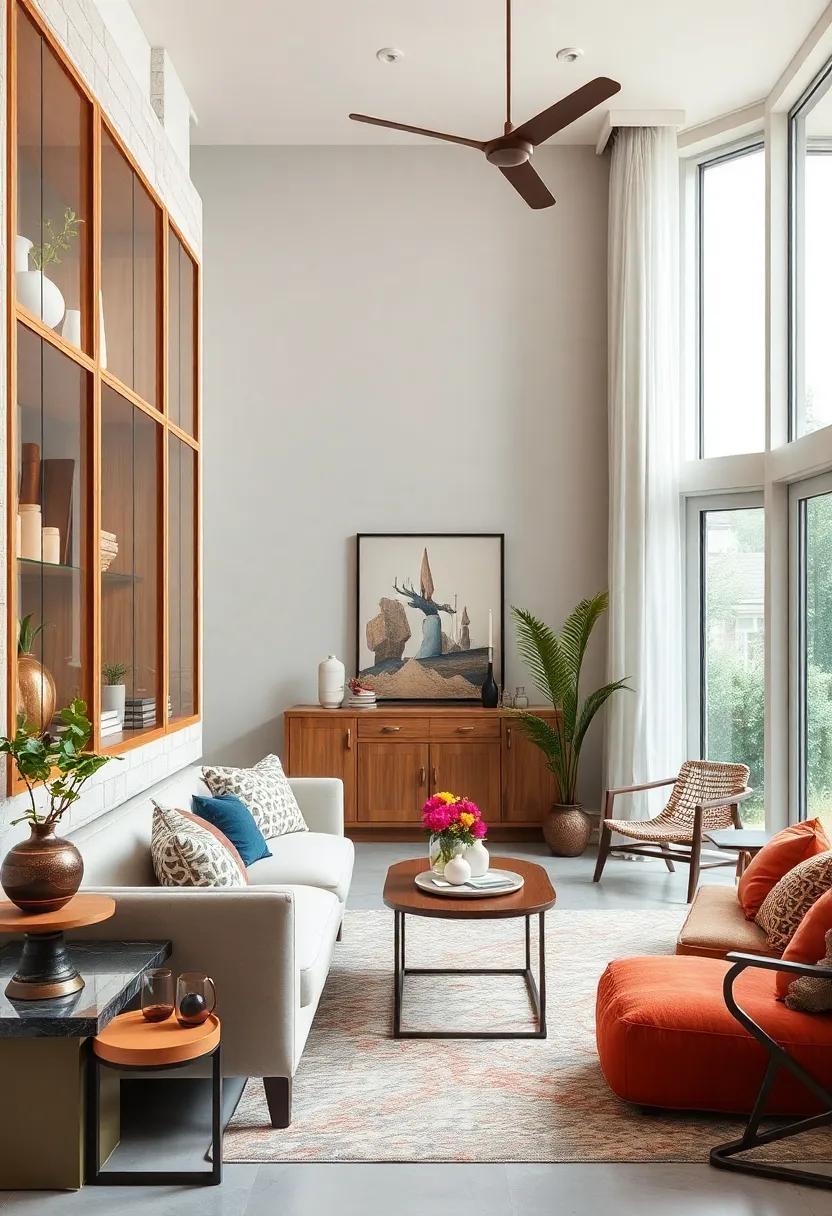
Incorporating glass-front cabinets in your traditional interior instantly adds a sense of airiness to compact spaces. These cabinets visually expand the room, allowing light to flow through while providing a chic display opportunity for your cherished collections. Whether it’s fine china, vintage books, or heirloom glassware, glass-front cabinets create a gallery-like effect that turns everyday storage into an elegant focal point.
To maximize both openness and functionality, consider these ideas:
- Choose cabinets with slim, wooden frames to keep the look light and classic.
- Use soft interior lighting to highlight your collections without overwhelming the space.
- Mix clear and frosted glass panels for added texture and a subtle sense of privacy.
- Arrange items thoughtfully, balancing decorative pieces with practical storage to avoid clutter.
avoid over-accessorizing to maintain a clean, uncluttered traditional ambiance
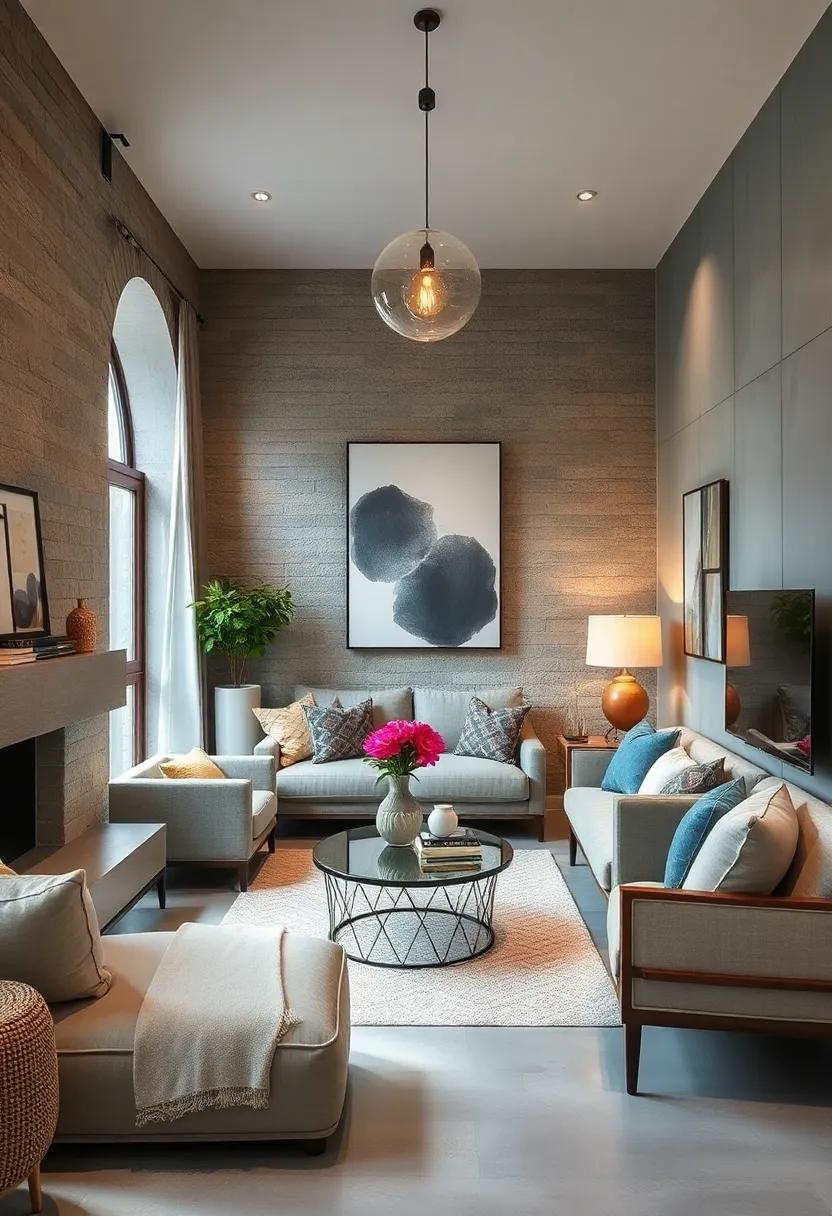
In small traditional interiors, less truly is more when it comes to decor. Every accessory should earn its place by either adding a touch of elegance or serving a functional purpose. Avoid the temptation to clutter shelves, mantels, and tabletops with too many knickknacks or collectibles. Instead, select a handful of meaningful pieces—such as a vintage clock, a classic porcelain vase, or a carefully framed family photograph—that complement the room’s classic charm without overwhelming it.
To keep your space feeling airy and inviting, focus on quality over quantity. Here’s a simple guide to help you curate your accessories thoughtfully:
| Accessory Type | Do | don’t |
|---|---|---|
| Textiles | Use one or two patterned throw pillows or a subtle rug | Stack multiple clashing fabrics with heavy prints |
| Wall Art | choose a few standout pieces with classic frames | Cover every inch with small, competing prints |
| Decorative Objects | Display curated antiques or heirlooms sparingly | place numerous small figurines or trinkets everywhere |
- Balance is key—let each accessory have enough breathing room.
- Neutral palettes and timeless textures help maintain harmony.
- Seasonal swaps can refresh the look without adding clutter.
Highlight craftsmanship details like turned legs or carved woodwork in your furniture choices
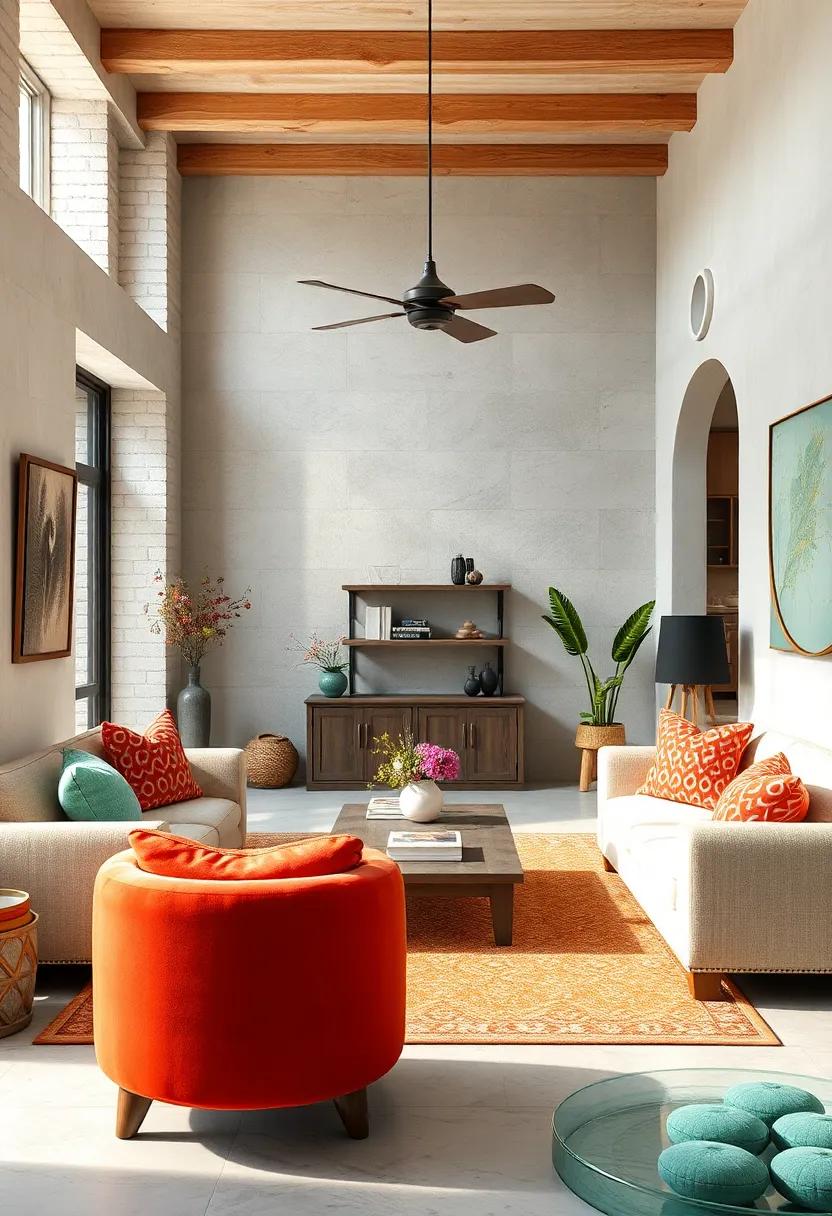
Elevate your small space by selecting furniture that celebrates artisanal craftsmanship. Pieces with turned legs, intricate carved woodwork, or delicate inlays not only add texture and depth but also serve as visual anchors in compact interiors. These handcrafted details draw the eye, turning even modestly sized furnishings into focal points. Think of a petite side table adorned with spiral-turned legs or a classic armchair featuring hand-carved floral motifs—each element brings warmth and character without overwhelming the room.
When integrating these timeless touches, consider balancing ornamentation with simplicity to maintain an open, airy feel. Use a curated mix of styles that highlight craftsmanship without clutter. For example:
| Craftsmanship Detail | Ideal Small Space Use | Styling Tip |
|---|---|---|
| turned Legs | Side tables, stools, console tables | pair with plain upholstery to contrast detail |
| Carved Woodwork | Headboards, cabinet doors, mirror frames | Limit to one statement piece per room |
| Inlaid Patterns | Desks, drawer fronts, chairs | Complement with neutral walls and floors |
Integrate soft, ambient lighting through table lamps and sconces to enhance atmosphere
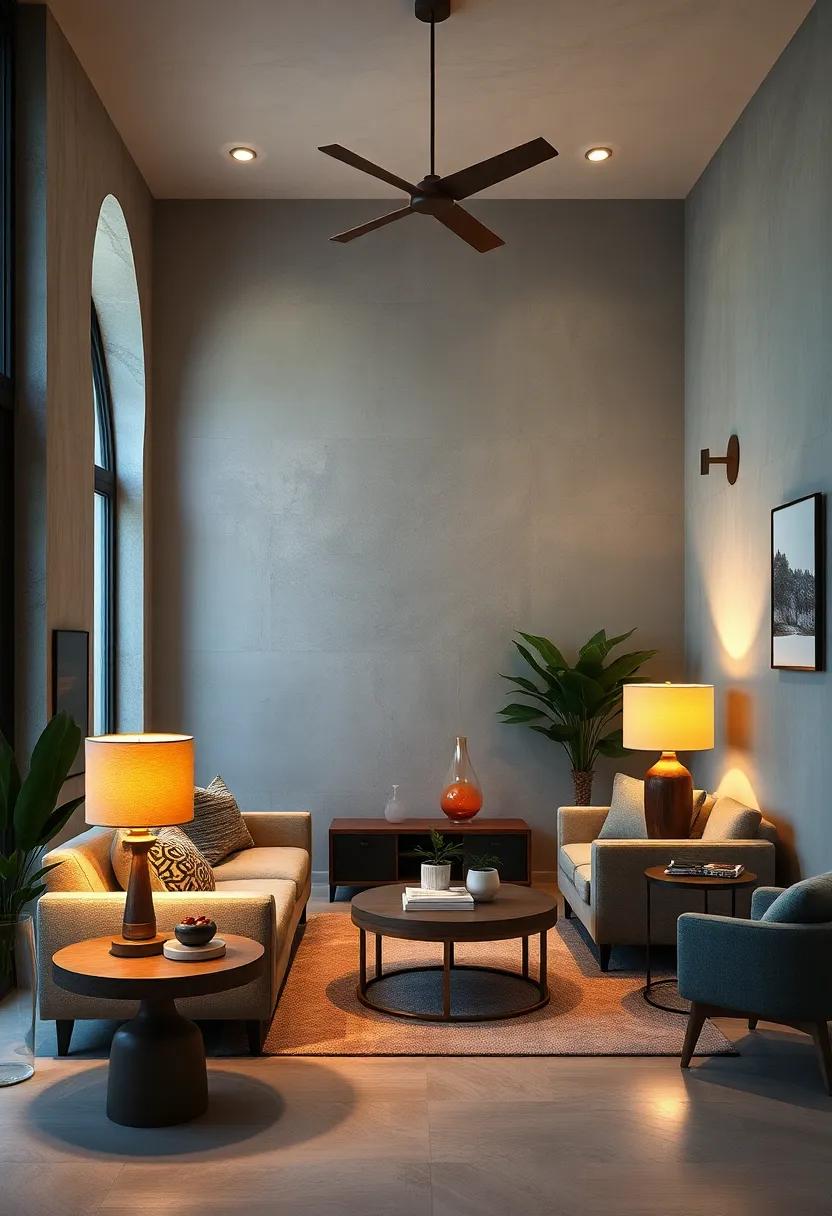
Creating a warm, inviting ambiance in a traditional small space hinges on the strategic use of soft lighting. Table lamps with fabric shades diffuse light gently, eliminating harsh shadows and creating cozy corners perfect for reading or relaxing. Meanwhile, sconces mounted on walls add layers of illumination without sacrificing precious floor space, an essential consideration in compact layouts. Opt for warm-toned bulbs that mimic candlelight to enhance the timeless charm inherent in traditional interiors.
When selecting fixtures,look for designs that double as decorative elements—think ornate brass bases or ceramic details that echo classic motifs. Position lamps beside upholstered chairs or on side tables next to sofas to punctuate seating areas with inviting pools of light. Installing dimmer switches on sconces also allows you to adjust brightness and craft the perfect mood, whether hosting guests or enjoying quiet evenings. integrating these lighting layers seamlessly blends functionality with aesthetic appeal, transforming small rooms into serene retreats filled with character.
Choose curtains that barely touch the floor to prevent a cramped feeling
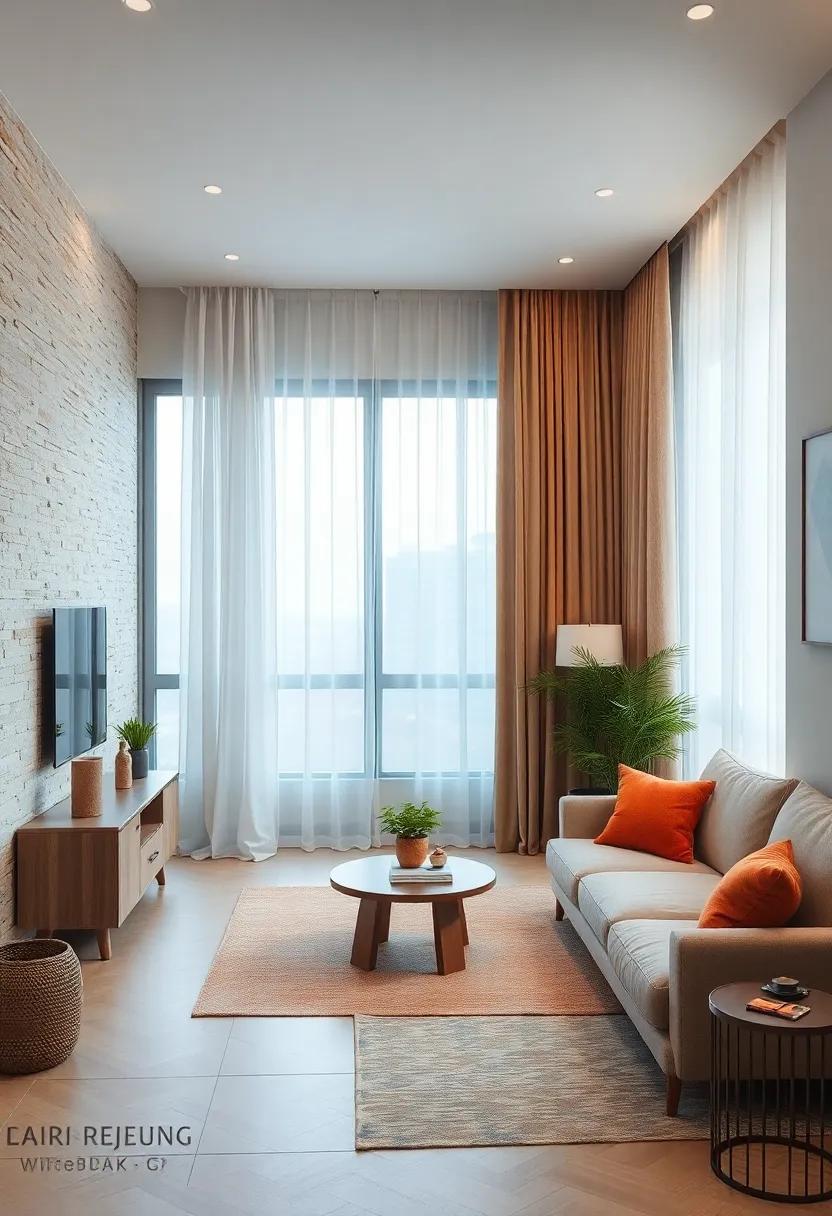
Opting for curtains that just skim the floor creates an elongated, elegant line that visually expands your room. This delicate gap prevents the fabric from pooling or bunching up, which can make a space feel cluttered and cramped. In traditional interiors, where ornamental details and rich textures prevail, maintaining clean, minimal lines with your window treatments is essential to balance the visual weight and keep the atmosphere open and inviting.
When choosing your curtain length, consider the following benefits:
- Enhanced flow: Light moves freely, brightening the room without obstruction.
- Refined silhouette: Curtains appear tailored and purposeful, complementing classic moldings and trims.
- Less maintenance: Fabrics avoid dirt accumulation and fading from constant floor contact.
- Layering opportunity: Combine sheers with heavier drapes without overwhelming limited space.
Select furniture with built-in drawers or compartments for efficient organization
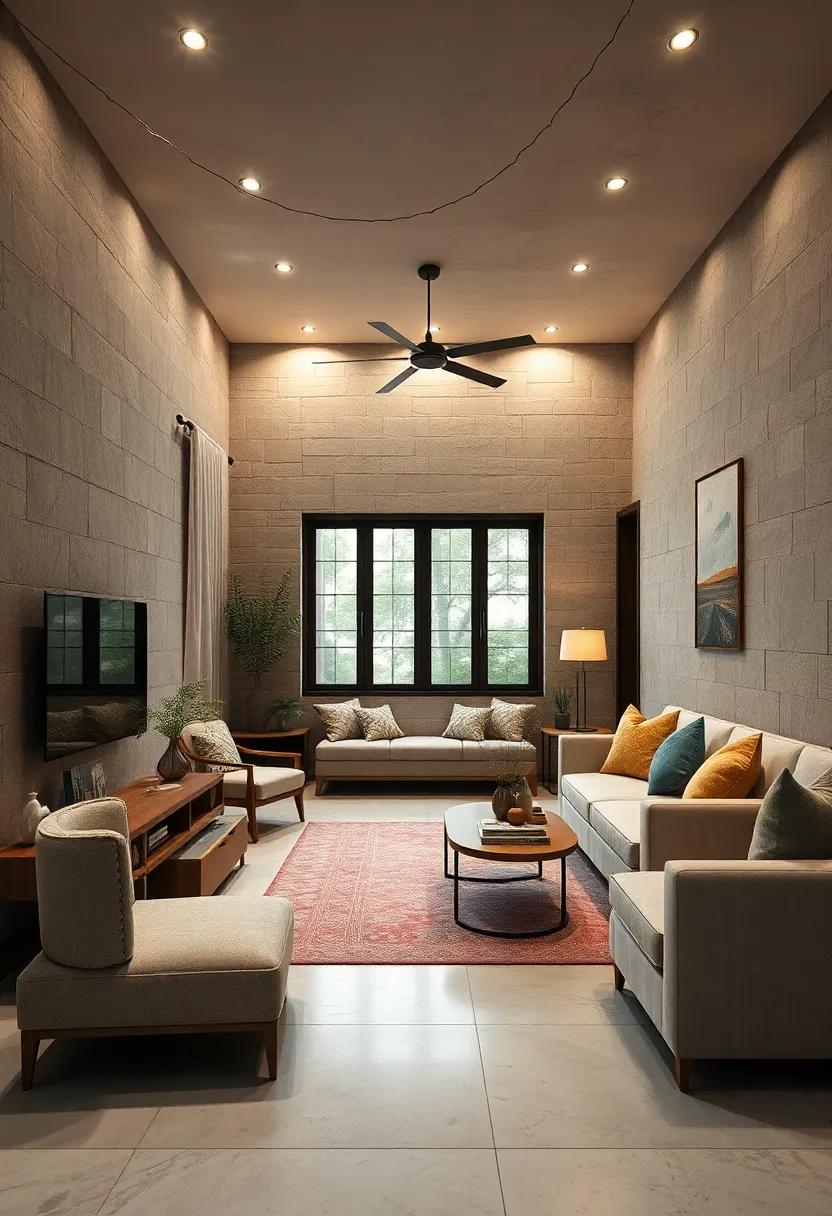
Furniture that doubles as storage is a game-changer for traditional interiors with limited square footage. pieces like beds with drawers underneath, ottomans with hidden compartments, and classic armoires featuring internal shelving allow you to maintain an elegant aesthetic while maximizing every inch of space.By integrating classic craftsmanship with practicality, these multi-functional items keep clutter out of sight, making rooms feel more open and inviting without compromising on style.
When choosing your built-in storage furniture, look for options that blend seamlessly with your traditional décor. Dark woods with ornate detailing or upholstered pieces that align with period motifs add charm and character while enhancing functionality. Below is a quick guide to help you decide which furniture pieces provide the best concealed storage:
| Furniture Type | Storage Features | Traditional Style Benefits |
|---|---|---|
| Storage bench | Lift-up seat compartment | Perfect for entryways, adds warmth with carved legs |
| Chest of Drawers | Multiple spacious drawers | Classic molding enhances room’s richness |
| Side Table with Shelves | Lower shelving + small drawers | Delicate hardware complements vintage vibes |
| Bed Frame with Storage | Drawers under the mattress | Sturdy construction with timeless headboards |
Efficient storage doesn’t mean sacrificing style. Embrace designs that honor traditional aesthetics while solving practical challenges, achieving a space that’s as organized as it is charming.
Balance symmetry and asymmetry to create visual interest without overwhelming the room
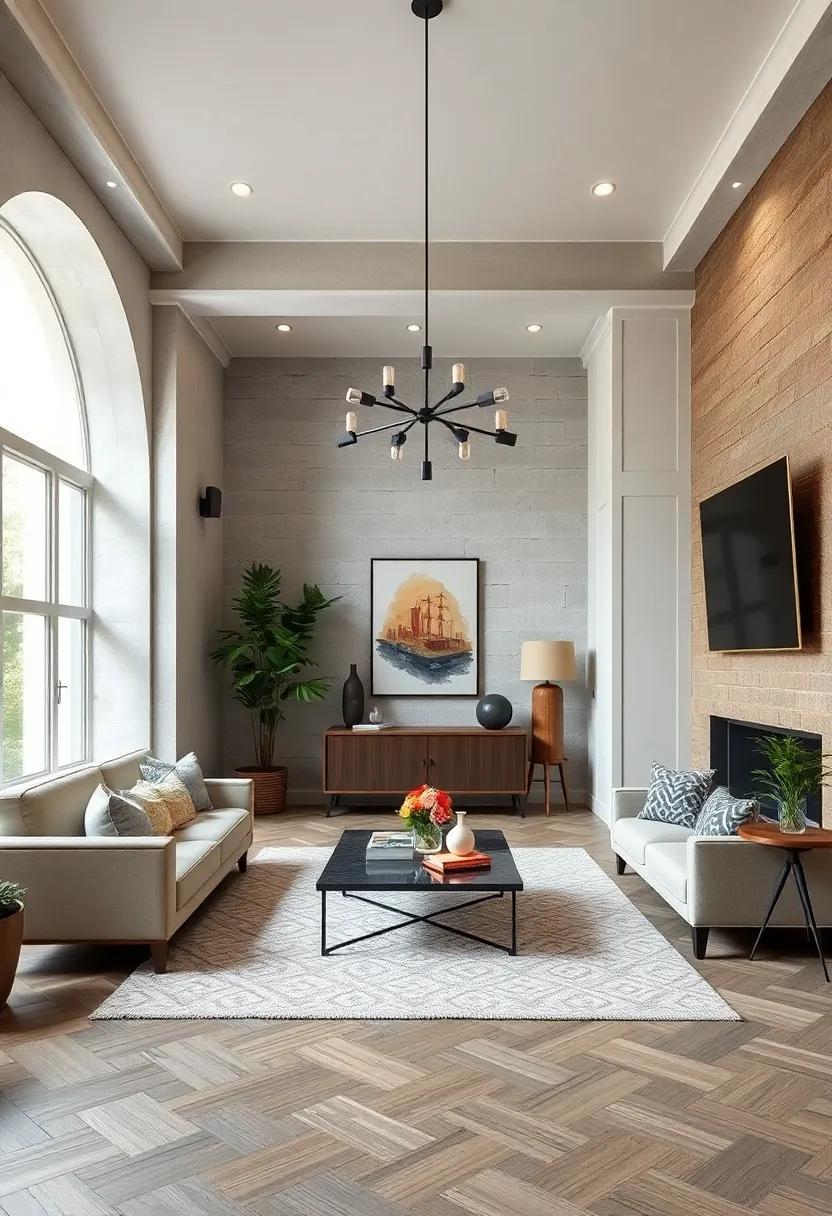
Achieving harmony in a small traditional space is all about the artful dance between symmetry and asymmetry. Symmetry brings order and a calming rhythm, perfect for classic interiors where balance is key. Think matching armchairs flanking a vintage console or twin wall sconces framing an ornate mirror. This approach grounds the room, making it feel intentionally designed and cohesive. Yet, a room composed solely of perfect symmetry can quickly feel rigid or museum-like, especially in compact spaces that crave a touch of personality.
Introduce asymmetry to infuse energy without causing chaos. Pair a grand antique armoire on one side with a cluster of smaller framed artworks on the other, creating a visual conversation that draws the eye. use varied heights, textures, and shapes strategically to build intrigue. A small brass side table offset against a plush velvet sofa or an irregular vase silhouette placed near balanced traditional elements adds depth and spontaneity. This interplay encourages movement, inviting you to linger and explore the space without feeling overwhelmed.
In Summary
there you have it—25 timeless tips to transform your small traditional space into a haven of style and comfort. Whether you’re working with cozy corners or limited square footage, these ideas prove that classic design and smart space planning can coexist beautifully. Embrace the charm of traditional interiors without sacrificing functionality, and watch your small space come alive with personality and grace. Here’s to creating a home that feels both timeless and tailored to you.
As an Amazon Associate I earn from qualifying purchases.