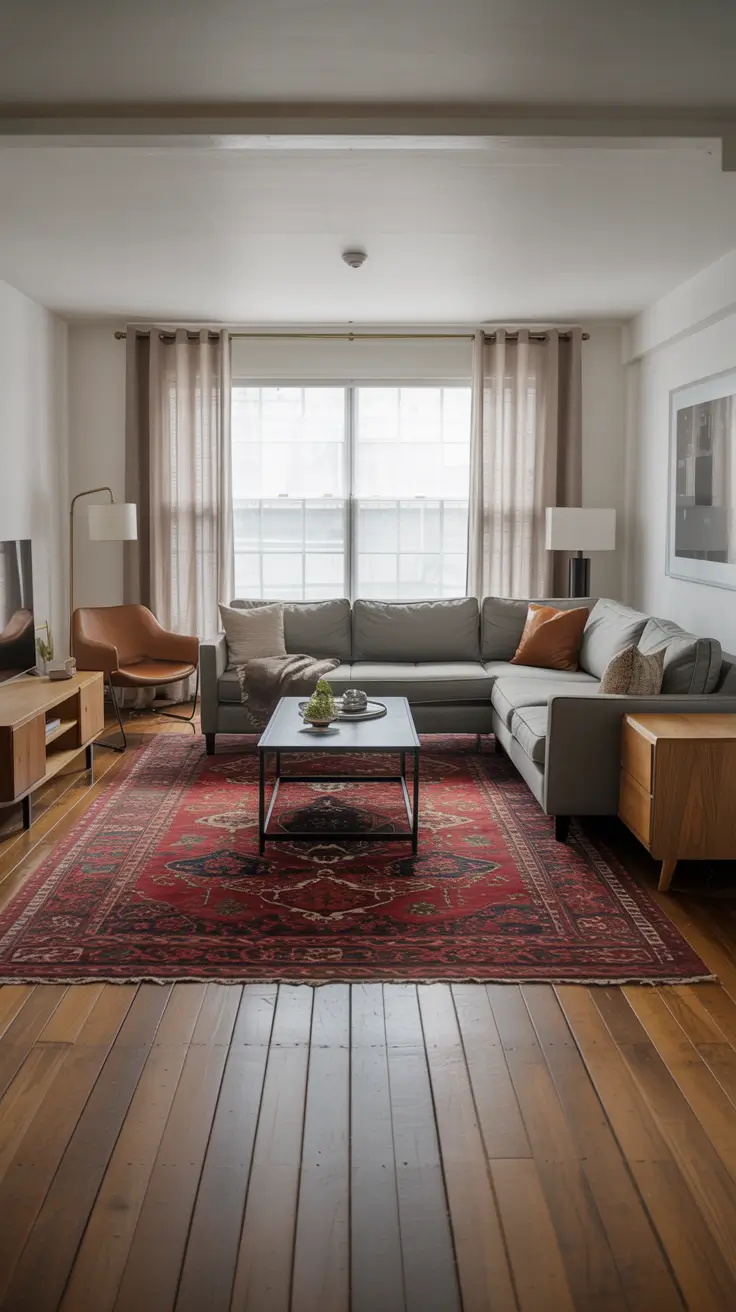
Stylish Living Room Rug Ideas to Transform Every Home
Discovering inspiring ideas for living room rugs that truly complement real-life interiors can transform your space. This comprehensive guide explores innovative concepts for layering rugs, farmhouse-style living room rugs, and practical tips on selecting the right scale, color, durability, and comfort. Whether you live on hardwood or carpet, in a spacious living room or a compact apartment, these insights will help you design with confidence. We’ll also delve into family-friendly patterns, from timeless red Persian rugs to playful checkered designs, ensuring your living area reflects both style and personality.
Innovative Living Room Rug Inspirations
When designing a living room, the first step is to focus on proportion and flow, ensuring the rug anchors the space rather than appearing disconnected. Large area rugs are essential, especially on hardwood floors, as they define zones and add warmth. Color palettes often revolve around the sofa: a green couch invites earthy tones and botanical hues, while gray or beige sofas create a serene, neutral backdrop. Texture plays a vital role in comfort, so pairing a plush wool cut pile with a durable flatweave works well depending on foot traffic. Inspiration boards featuring vintage red Persian rugs alongside modern checkered patterns can help balance tradition with contemporary flair.
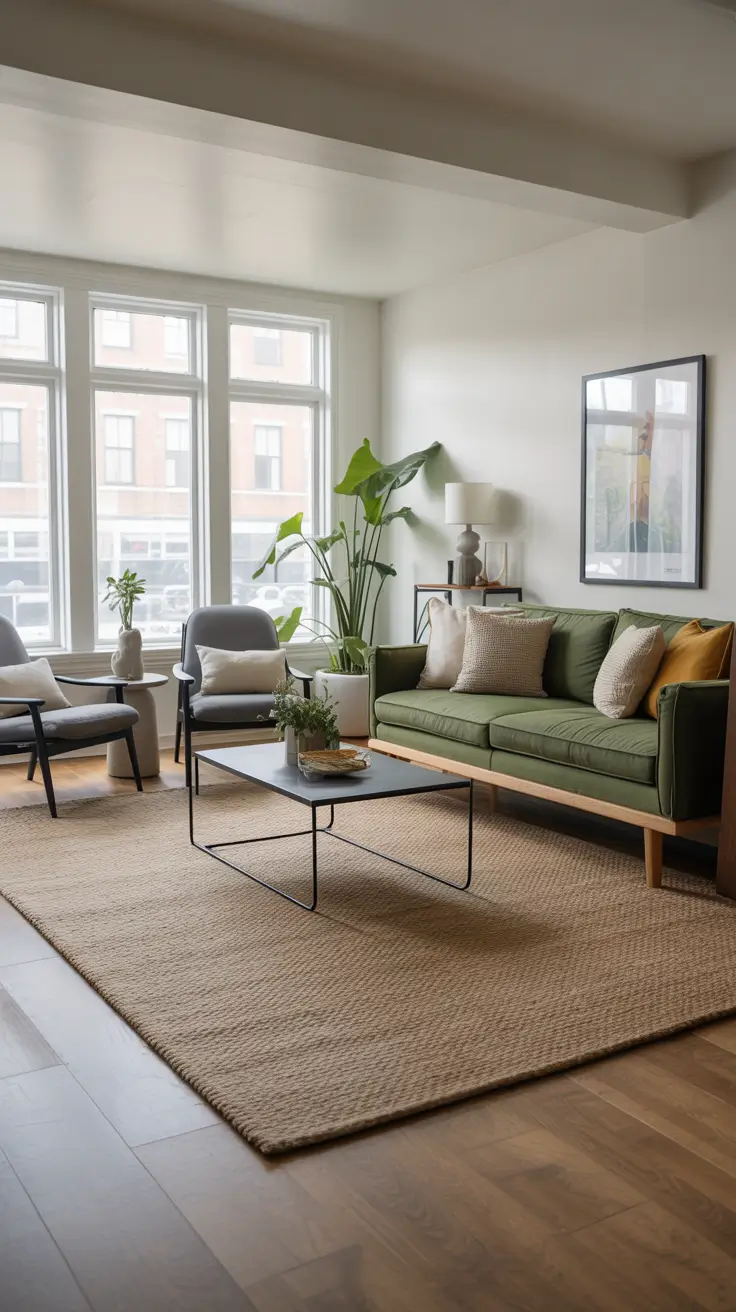
For furniture placement, I recommend positioning the rug under the main seating area—ideally a 9×12 or 10×14 size—with at least the front legs of sofas and chairs resting on it. For example, a brown sofa pairs beautifully with a heathered wool rug, contrasted by a sleek black metal coffee table. If your sofa is red, opt for rugs in off-white, camel, or olive tones to soften the vibrancy. On hardwood floors, always use a natural rubber felt pad beneath rugs to prevent slipping and protect the finish. Complete the look with layered lighting, side tables, and cozy throws, ensuring clear pathways for easy movement.
Mastering Carpet and Rug Selection for Living Rooms
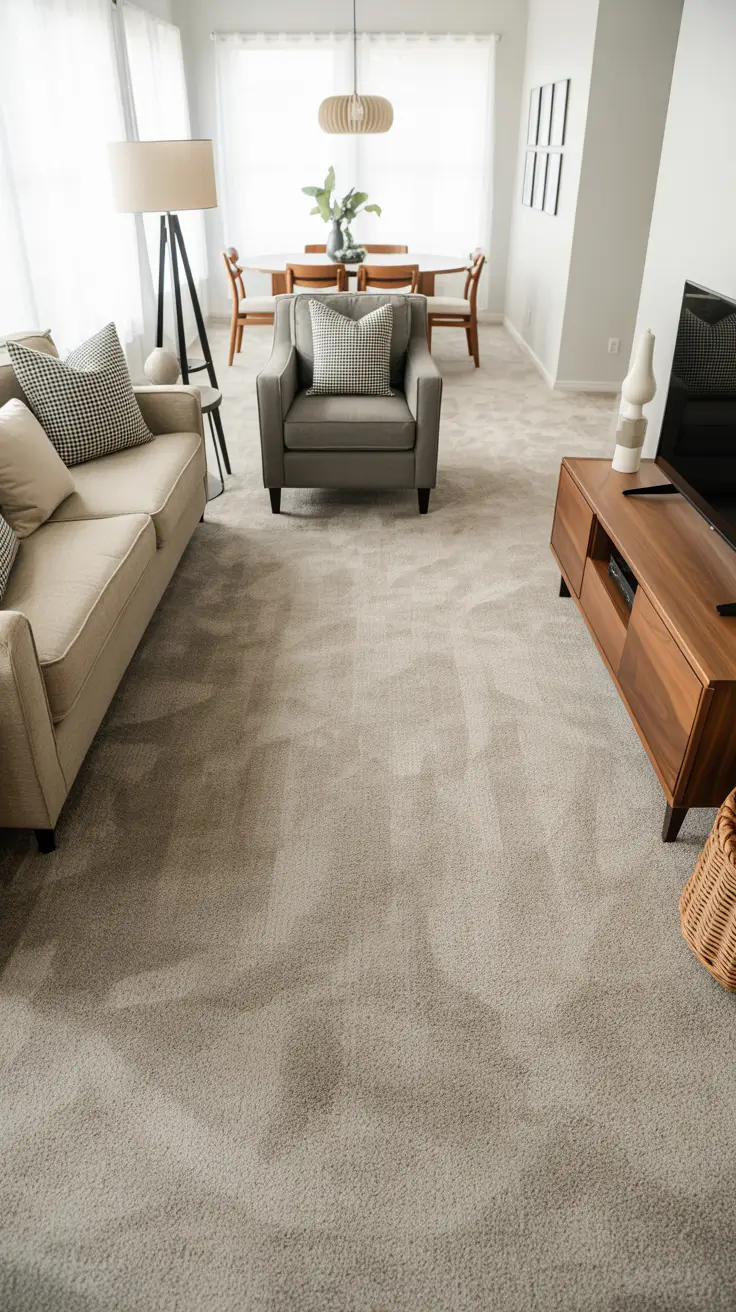
Even in rooms with wall-to-wall carpeting, adding an area rug can introduce contrast, pattern, and a defined seating zone. Choose a low-pile carpet base to avoid uneven surfaces underfoot. For modern interiors, tone-on-tone rugs with subtle patterns exude sophistication without overwhelming the space. Black rugs can be striking in well-lit rooms with light upholstery and wood accents, adding depth and grounding the design. Consider the flow between living, dining, and bedroom areas by coordinating colors to maintain visual harmony throughout your home.
When pairing rugs with furniture, aim for support rather than competition. For instance, a warm gray heathered rug complements a gray sofa and bridges warm wood tones with cool upholstery. Beige sofas benefit from subtle stripes or micro-check patterns that add movement without distraction. Brown leather sectionals look best with large, soft wool-linen rugs that tone down the leather’s sheen. Burgundy sofas pair well with rugs that incorporate burgundy threads but balance with oatmeal or stone hues to avoid overwhelming the room.
Fiber choice is crucial: wool offers resilience and soil resistance, while polypropylene is budget-friendly and stain-resistant for family spaces. Natural fibers like jute and sisal add texture but are best placed where feet don’t rest directly, or layered with softer rugs on top. Always invest in quality rug pads to extend rug life, improve acoustics, and keep edges flat. Coordinating dining seat cushions with rug colors in open-plan homes subtly unifies the space.
Before committing, order sample swatches to observe how colors shift in different lighting throughout the day. Check door clearances for pile height and ensure robot vacuums can navigate smoothly. Plan outlet locations so floor lamps and side tables sit comfortably on the rug without cord hazards.
Creative Ways to Use Two Rugs in One Living Room
In larger living rooms or multifunctional spaces, layering two rugs can define distinct zones without physical barriers. One approach is to place a large neutral rug under the main seating area, complemented by a smaller accent rug in a reading nook or workspace. Alternatively, parallel runners behind a long sofa can guide circulation in narrow layouts. For a playful touch, two round rugs under swivel chairs opposite the sofa create a mirrored effect that adds visual interest.
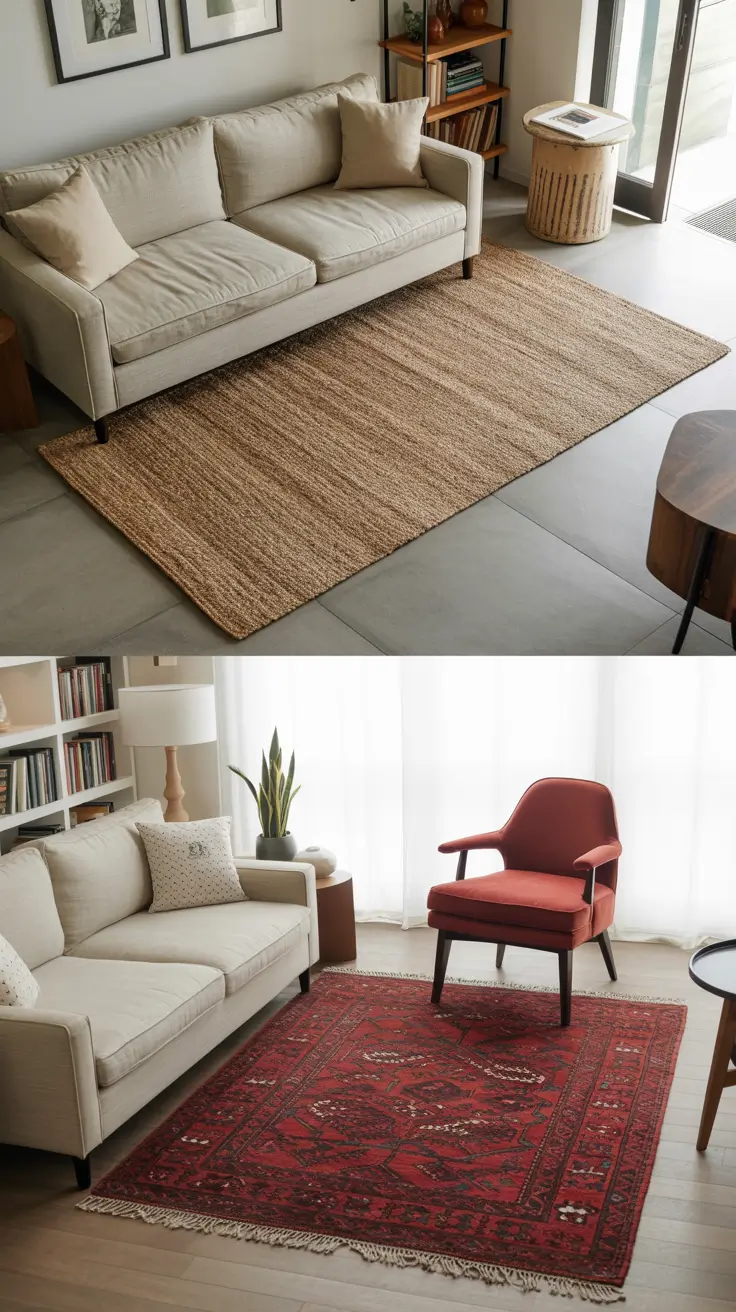
Material-wise, I often start with a flatweave base and layer a low-pile or vintage rug on top for character. A red Persian layered over a wide jute flatweave adds warmth and history, while a black-and-cream checkered accent rug livens up neutral palettes with green or gray sofas. Warm color schemes benefit from terracotta or burgundy striped accent rugs that enrich without overpowering. Mixing shapes, such as placing a cowhide over a rectangular rug, softens edges and invites tactile engagement.
One common pitfall is treating two rugs as competing focal points. Instead, designate one as the lead and the other as support, echoing a color from the main rug in throws or artwork to maintain balance. The secondary rug should be smaller, touching furniture legs but not dominating. In family homes, keep pile heights low to avoid tripping hazards and use thin non-slip pads between layers to prevent shifting. When uncertain, opt for a plain base rug with a patterned topper.
Maintain consistent spacing between rugs to create intentional negative space, align rug edges parallel to furniture for visual order, and ensure traffic paths remain unobstructed.
Layering Rugs for Added Texture and Warmth
Layered rugs add depth, softness, and a curated look, especially in rooms that feel sparse or echoey. Begin with a durable base like sisal or jute to provide texture and coverage on hardwood floors. Top this with a softer wool Moroccan or vintage flatweave rug to enhance comfort and storytelling. This technique works well in modern and neutral interiors, where the base rug acts as flooring and the topper serves as decoration. It’s also a cost-effective way to experiment with color and pattern.
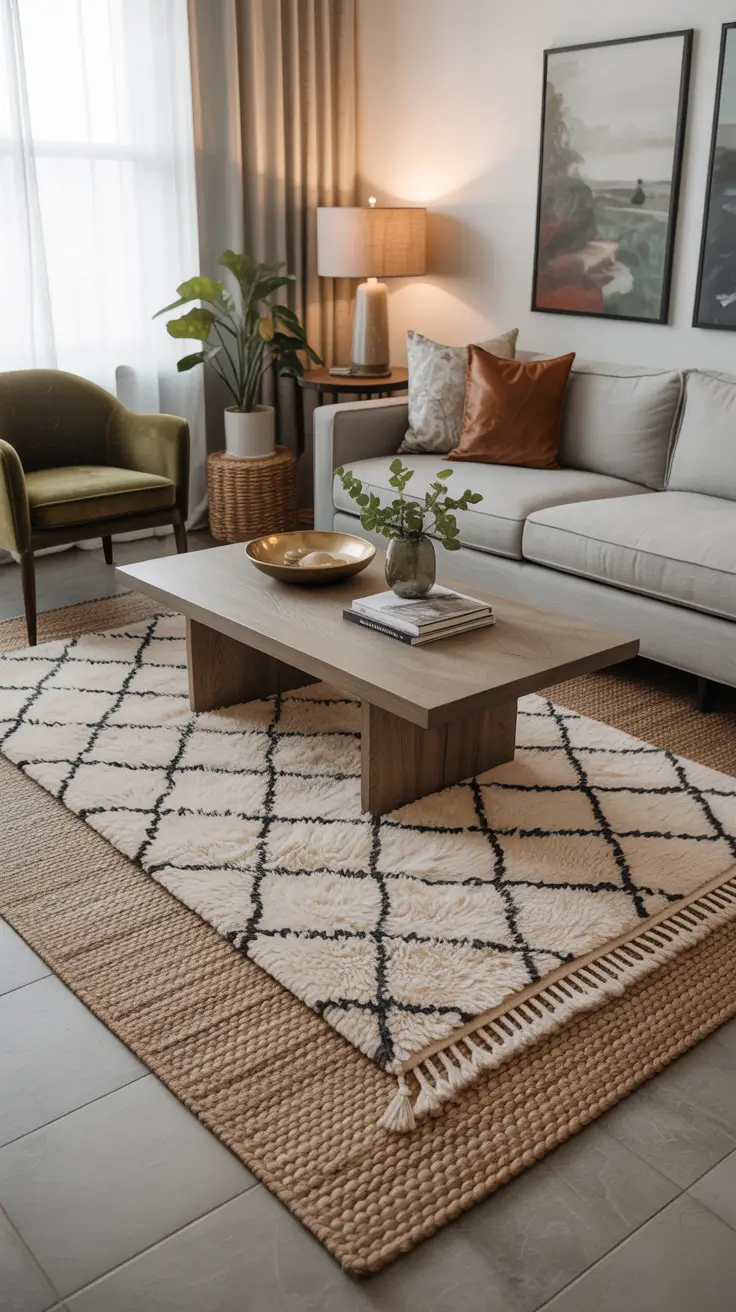
Typically, the base rug is a large 9×12 or 10×14 to anchor all seating, while the top rug might be 5×8 or 6×9, fitting under the coffee table and extending to lounge chairs. For example, a red Persian layered on natural jute instantly enriches the space, while a cream diamond Moroccan on gray sisal complements a gray sofa. When pairing with a red sofa, choose rugs with cinnamon, rust, or olive tones to harmonize. Beige or brown leather sofas look great with indigo or forest accents for subtle contrast.
Layering looks intentional when the top rug reveals at least six inches of the base around all edges, and edges are staggered to avoid a rigid, tiled effect. Keep pile height manageable for vacuuming and door clearance. Use felt pads under the base and thin grids under the top rug to prevent slipping.
To maintain freshness, rotate rugs every six months to ensure even wear, vacuum with the beater bar off on delicate rugs, and spot clean promptly to avoid stains. For homes with pets or children, consider washable top layers to ease cleaning.
Farmhouse Rug Styles for Inviting Living Rooms
Farmhouse interiors thrive on warmth, simplicity, and natural materials that age gracefully. These spaces often feature painted or stained wood, linen slipcovers, and handcrafted accents, so rugs should feel grounded and cozy. Braided wool, flatweave stripes, buffalo check, or micro herringbone patterns nod to tradition without feeling kitschy. On hardwood floors, textured rugs provide traction and softness without compromising rustic charm, creating a welcoming atmosphere for gatherings.
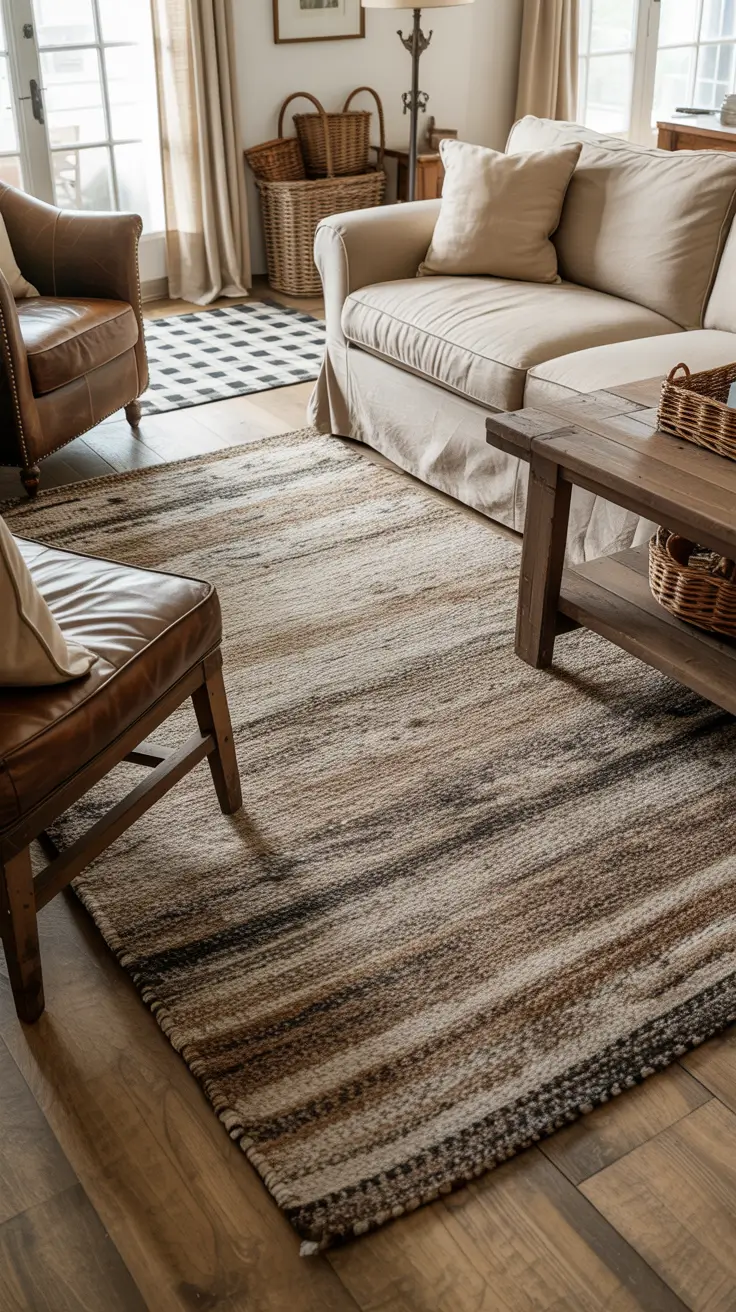
Furniture choices often include beige or brown leather sofas paired with spool chairs or slipcovered swivel seats. Large oak or pine coffee tables sit comfortably on heathered wool rugs that mask footprints and crumbs. Patterned overlays like worn red Persian or black-and-white checks on jute add history and graphic interest. Black accents work well in farmhouse settings if balanced with creamy palettes and ample daylight. Iron floor lamps, woven baskets, and vintage ladders for throws complete the look.
Farmhouse style succeeds by blending old and new elements without mimicking a theme. Stick to a palette of oatmeal, coal, olive, and soft clay, relying on texture for warmth. For durability, choose wool or high-quality indoor-outdoor flatweaves that withstand muddy boots. Coordinate dining runners with living room rugs to unify open spaces. Large rugs help reduce echo in rooms with high ceilings by bringing seating closer together.
Seasonal rug swaps can refresh the space—lighter cotton or indoor-outdoor rugs in warm months, heavier wool in cooler seasons. Sheepskin throws add cozy layers in winter and can be removed in summer for ventilation. A simple gallery ledge allows art rotation, keeping the rug as a constant anchor.
Defining Spacious Living Rooms with Large Rugs
In expansive living areas, rug placement is key to avoiding a disjointed feel. Start by fitting the rug to the seating arrangement rather than the room’s walls. Large rugs that accommodate the front legs of all seating pieces create a cohesive conversation zone and clear circulation paths. Visualize traffic flow and place a rectangular rug accordingly to soften the space. On carpeted floors, dense loop or cut pile rugs add polish, while flatweaves keep the room cool in warmer months.
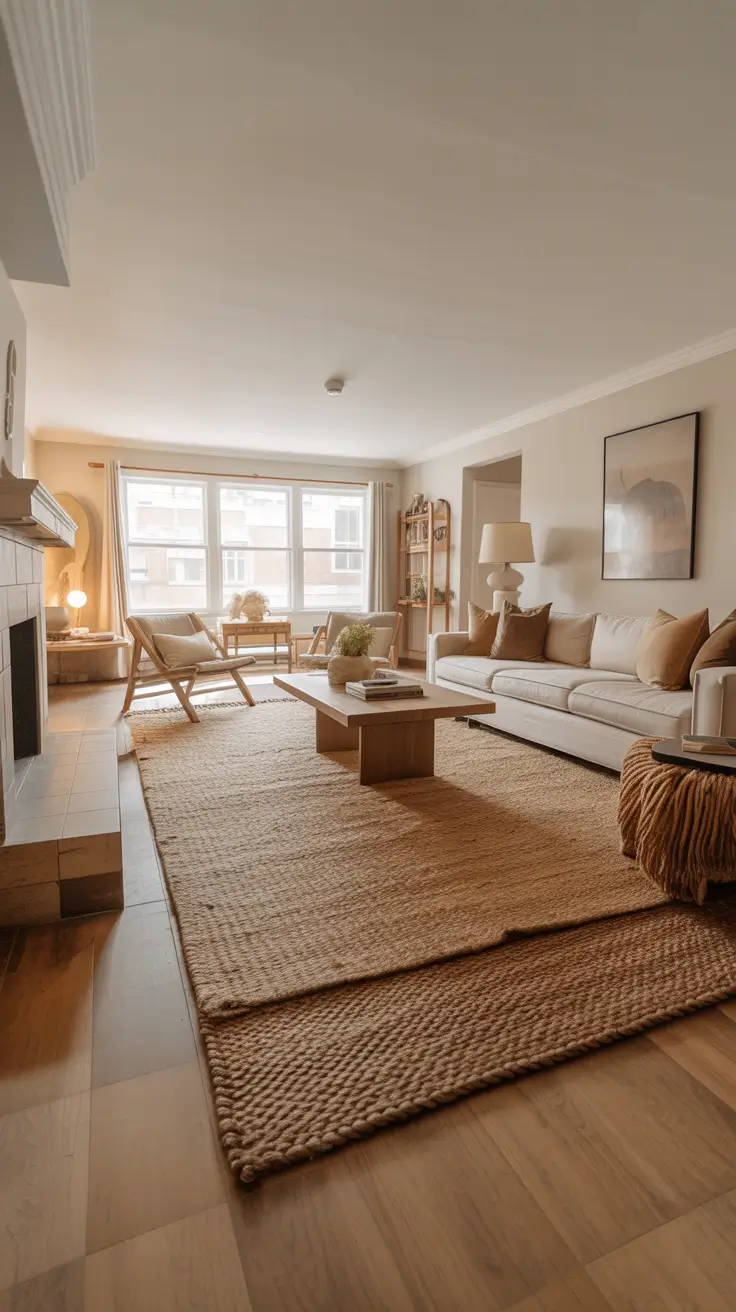
When anchoring furniture, ensure the rug extends 8 to 12 inches beyond the front legs of sofas and chairs to enhance proportion. Opt for performance fibers in family homes for durability, and low-shed wool blends for formal settings. Layered lighting, side tables, and consoles help distribute visual weight so the rug isn’t solely responsible for defining the space. Rounded corners and nesting tables improve safety without sacrificing style.
For very large rooms, consider one oversized rug covering multiple seating areas instead of several smaller rugs to avoid a fragmented look and stretch your budget. Keep patterns subtle on large rugs, relying on texture for interest. Add drama through pillows, artwork, or drapery while maintaining a calm rug foundation. Plan vacuum paths and swivel chair clearances in advance to prevent surprises.
A versatile layering idea is a natural jute base topped with a plush wool rug, combining texture and softness. Braided oval or chunky weaves complement farmhouse aesthetics without feeling overly thematic. For homes hosting frequent gatherings, stain-resistant finishes simplify maintenance. Always check door clearances to avoid binding on thick rug edges.
Color Coordination for Red Sofa Living Rooms
A red sofa commands attention, so the surrounding rug palette should complement rather than compete. Warm-to-cool tones like stone, camel, and charcoal create a balanced backdrop. Traditional red Persian rugs echo sofa hues while introducing navy, saffron, and ivory for contrast. For wine-toned sofas, burgundy rugs with lighter contrasts keep the focus on seating. In open-plan layouts, repeating accent colors across living and dining areas maintains visual flow.
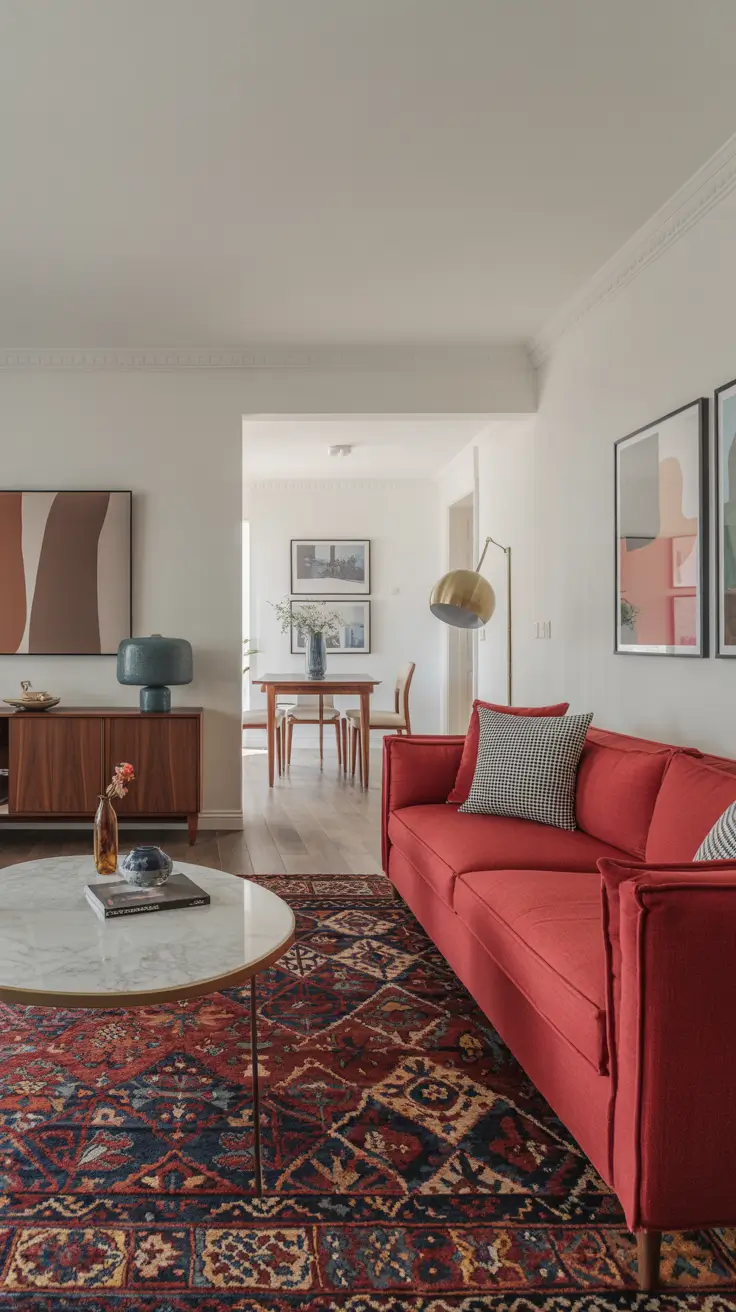
Material and pattern choices shape the mood: hand-knotted wool with a vintage wash pairs elegantly with saturated upholstery, while flatweave micro-geometric repeats modernize classic roll-arm sofas. In edgy apartments, small-scale checkered or grid rugs under sleek furniture maintain a low black-to-ivory ratio. Leather chairs or walnut credenzas nearby can be tied in with rugs featuring brown tones, offering options for mixed seating arrangements.
Apply the 60-30-10 color rule: 60% neutral base in rugs and walls, 30% sofa and throws, and 10% accent colors like teal, olive, or brass. For hesitant clients, desaturated rugs allow the sofa to stand out without overwhelming. Cool metals and linen fabrics soften red’s intensity, while artwork completes the palette.
Test rug swatches in various lighting to account for red’s color shifts. Don’t overlook secondary seating; rugs should harmonize with all furniture. Preview accent colors like deep green pillows to ensure cohesion with future sofa changes. Maintain consistent pattern scale for visual restfulness. Small condos can benefit from multiple rugs, such as a dining nook rug complementing the main living area.
Hardwood Floor Rug Strategies
Hardwood floors are a beautiful foundation, and the right rug protects the surface while highlighting the wood grain. Start with a breathable rug pad to cushion and prevent finish damage—essential for living room rugs on hardwood. Layering textures, such as a sisal or jute base topped with a lighter wool rug, adds warmth and visual interest, fitting well with shaker-style or farmhouse interiors.
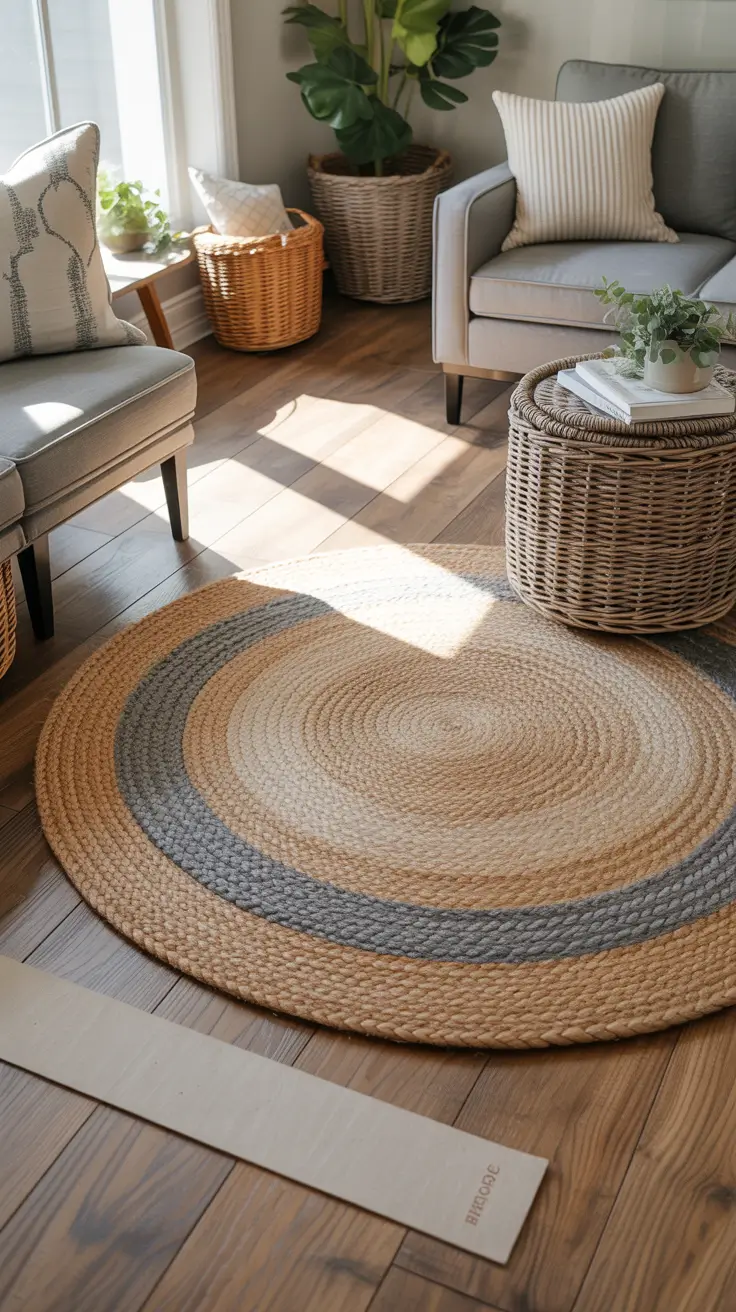
Use felt pads under large rugs and felt-rubber combos in slippery areas, avoiding PVC pads that can harm finishes. Boucle or low-pile wool mats prevent furniture from sliding, while flatweaves showcase the wood’s beauty. Pair gray sofas with oatmeal or heathered rugs, and break monotony with beige couches. Stain-resistant synthetics offer light colors without worry.
Natural rubber-backed pads provide grip without suffocating the floor, a recommendation echoed by US flooring experts. Consider door swings and hearth edges when layering rugs, and use reversible flatweaves for rental-friendly solutions. Coordinate rug colors with cabinetry for seamless open-concept designs. Add greenery, leather accents, and woven baskets to complete the tactile narrative.
For homes with children or high traffic, washable rug toppers and runners near entrances help maintain cleanliness. Removable rug tape and low-profile pads facilitate easy movement and protect floors, ideal for first apartments or dorms. Maintain continuity in adjacent bedrooms with rugs of similar texture but varying pile heights. Always test samples to ensure no color transfer on your specific floor finish.
Striking Black Rug Concepts for Living Rooms
Black rugs make a bold statement, grounding tall rooms and adding contrast in light-filled spaces. Use texture to avoid flatness—tone-on-tone geometrics or charcoal heathered patterns exude elegance without harshness. Black-and-ivory checkered rugs offer crispness without overwhelming the eye.
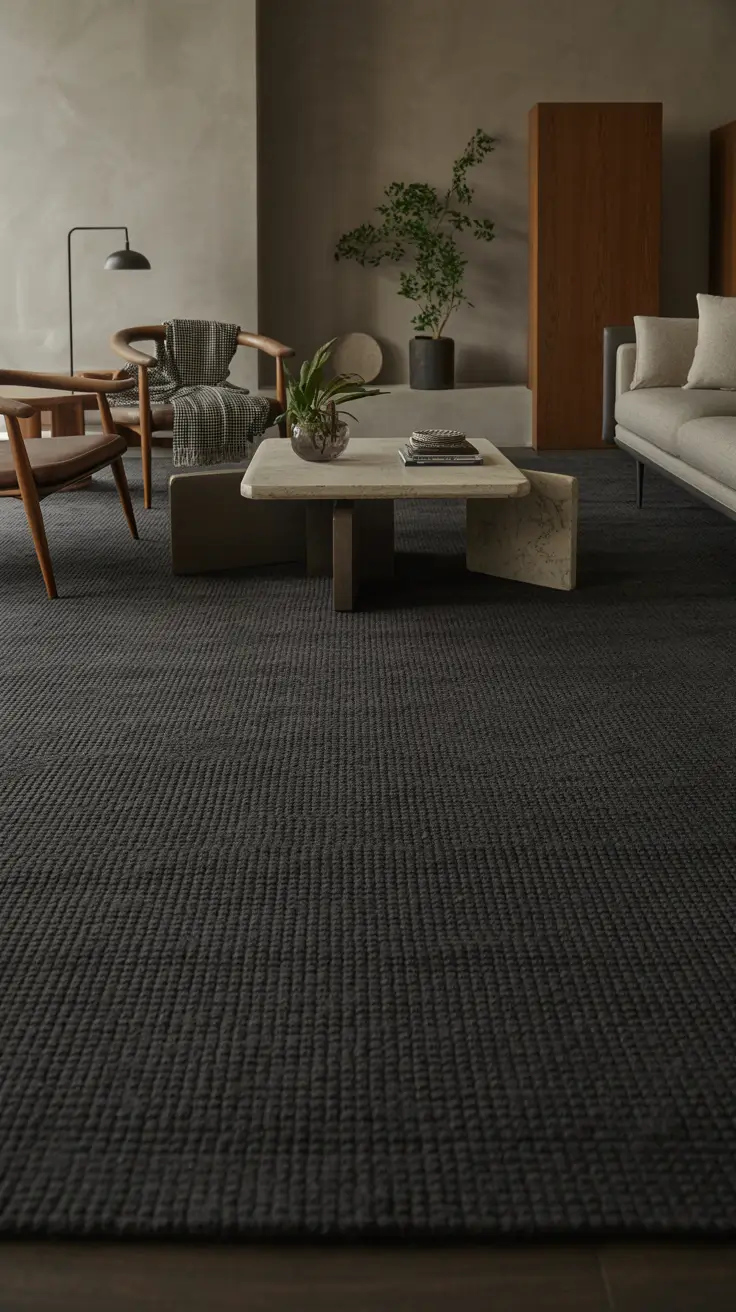
Balance tactile surfaces and finishes: soft wool cut piles for seating areas, viscose-wool blends for subtle sheen, and durable indoor-outdoor polypropylene for high-traffic media zones. Pair with matte black metal lamps, oak or walnut accents to soften the scheme. Black rugs reveal lint easily, so schedule regular robot vacuuming. Melange patterns help conceal pet hair.
When art and pillows feature bold patterns, keep rugs subdued to avoid visual overload. In Scandinavian-inspired spaces, graphic black rugs add personality while maintaining elegance. Introduce warm metals and pops of color like mossy greens to soften contrasts. Small-scale motifs or grids add subtle funkiness. For flexible family spaces, use nesting side tables to keep the black rug area clear. Ensure wide walkways to prevent the dark tones from crowding the room.
Contemporary Living Room Rug Designs
Modern interiors thrive on clarity and geometry. Choose rugs with abstract, micro-grid, or color-block patterns to define space. In open plans, align rug dimensions with sofa depth and dining table width to unify zones and maintain relaxed sightlines. Muted natural floors allow art and millwork to shine, creating a polished yet inviting atmosphere.
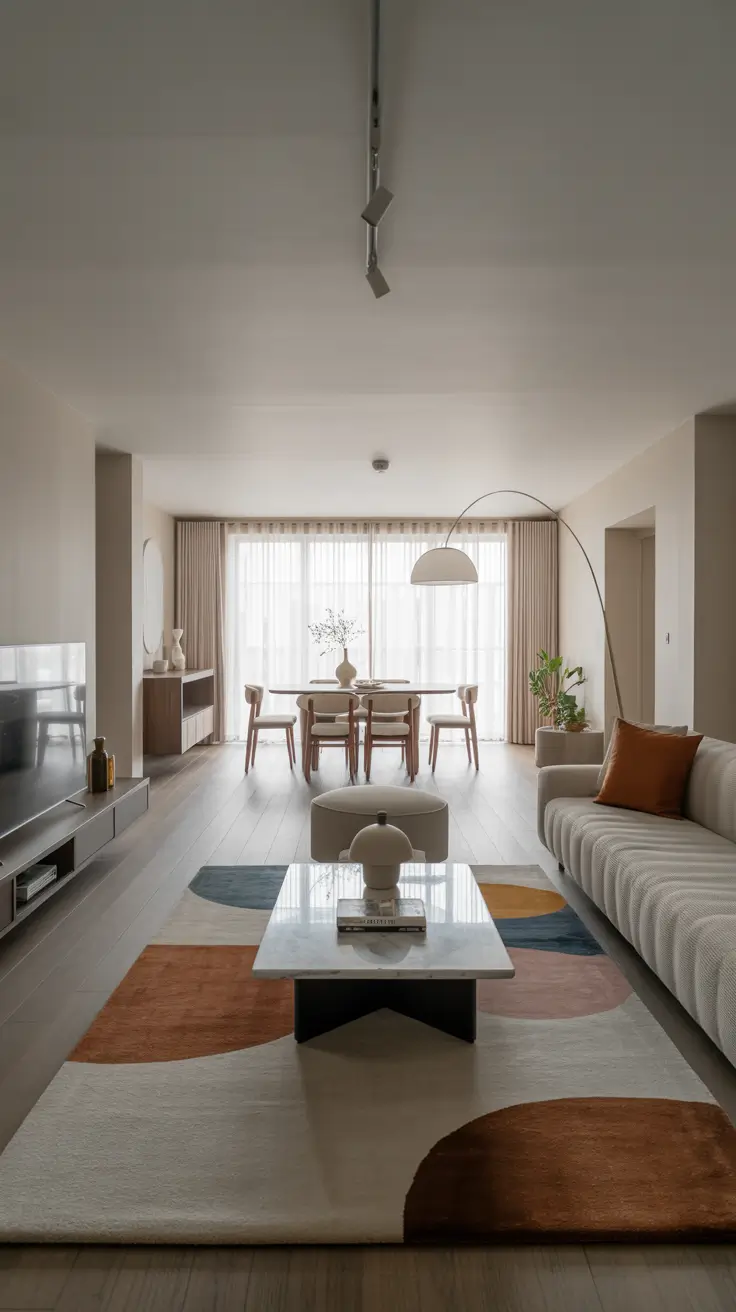
Furniture should echo the rug’s simplicity: low-profile sofas, wood or stone coffee tables with soft edges, and slim media consoles. Add vertical rhythm with arc floor lamps and minimal accessories. Layer a small soft rug over a broad flatweave for texture without clutter. For multi-use homes, hidden storage keeps rugs clean and spaces flexible.
Modern doesn’t mean cold—combine straight lines with warm textures like wool piles for acoustic comfort. Ensure front legs of seating touch the rug to avoid floating furniture. Use color sparingly for long-term versatility. Complete the look with plants, books, and sculptural objects for personality.
Add runners or small mats in traffic areas for comfort and future zoning. Reversible rugs offer seasonal flexibility. Repeat rug textures or tones in adjacent rooms for cohesion. Keep the mix simple to let rugs be subtle stars and minimize maintenance.
Stylish Rug Pairings for Burgundy Sofas
A burgundy sofa serves as a rich focal point. Soften its intensity with large area rugs in soft gray or stone beige wool blends. In wide rooms, runners behind the sofa create visual pathways leading to coffee tables, ideal for layering two rugs. Always use felt pads under rugs on hardwood for safety and flatness.
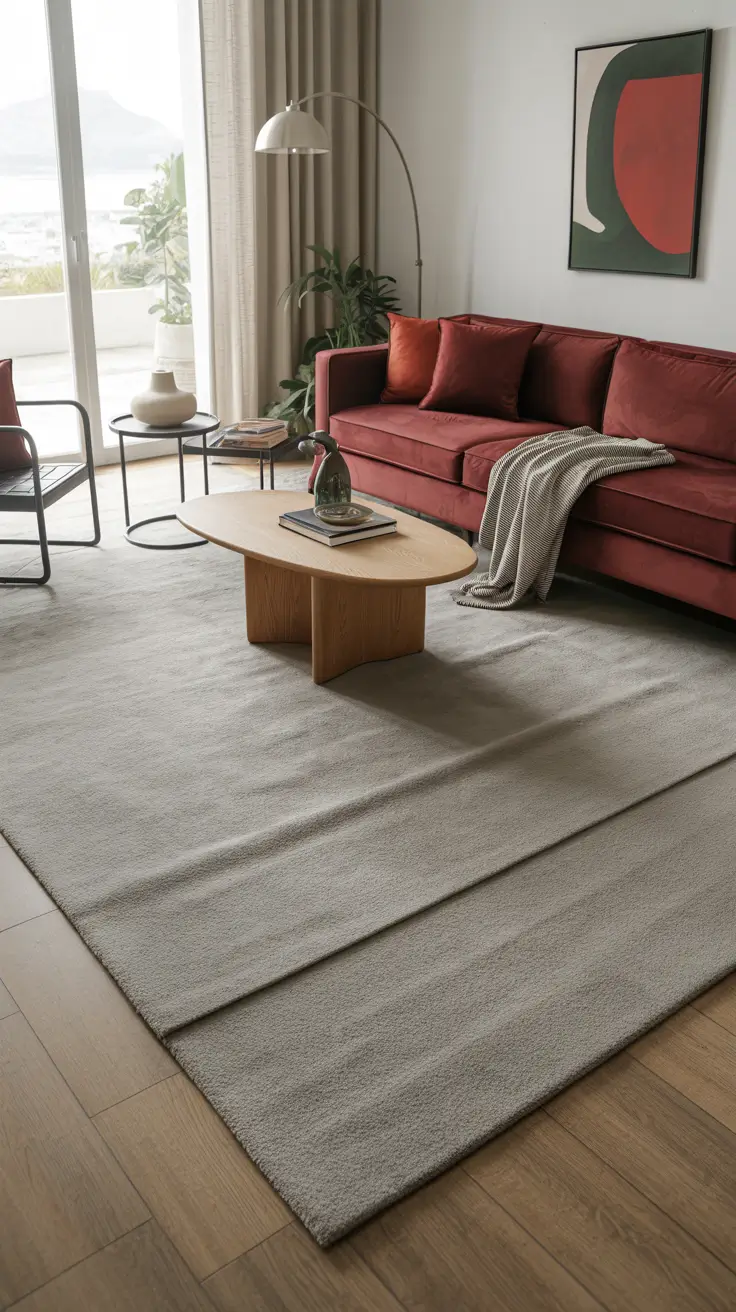
Pair with clean-lined oak coffee tables, black metal side tables, and slim arc floor lamps. Choose light gray and ivory check or micro-grid rugs to add crispness without clashing. Incorporate rust, beige, and charcoal pillows, and abstract art with red and green accents to tie the palette together. Off-white textured curtains soften daylight without yellowing.
Avoid rugs that are too small or patterns that conflict with the sofa. Layer a small vintage kilim for texture. Oversized rugs visually expand floors, a trick effective in family rooms and contemporary apartments. For bold touches, solid plush black rugs add luxury without heaviness. Use subtle borders or tone-on-tone designs for drama.
Complete with large plants in black planters, linen throws with Persian-inspired patterns, dark wood trays on coffee tables, and additional floor lamps to brighten corners. Manage cords discreetly to maintain a neat layered look.
Warm Rug Ideas for Brown Sofas
Brown sofas, whether rustic or polished, pair well with heathered oatmeal rugs that brighten the palette and create a cozy atmosphere. Large, tightly woven rugs handle high traffic well, making crumbs easy to clean. In open layouts, multiple rugs can define spaces, especially in smaller rooms. Use natural rubber pads under rugs on hardwood to protect floors and prevent curling.
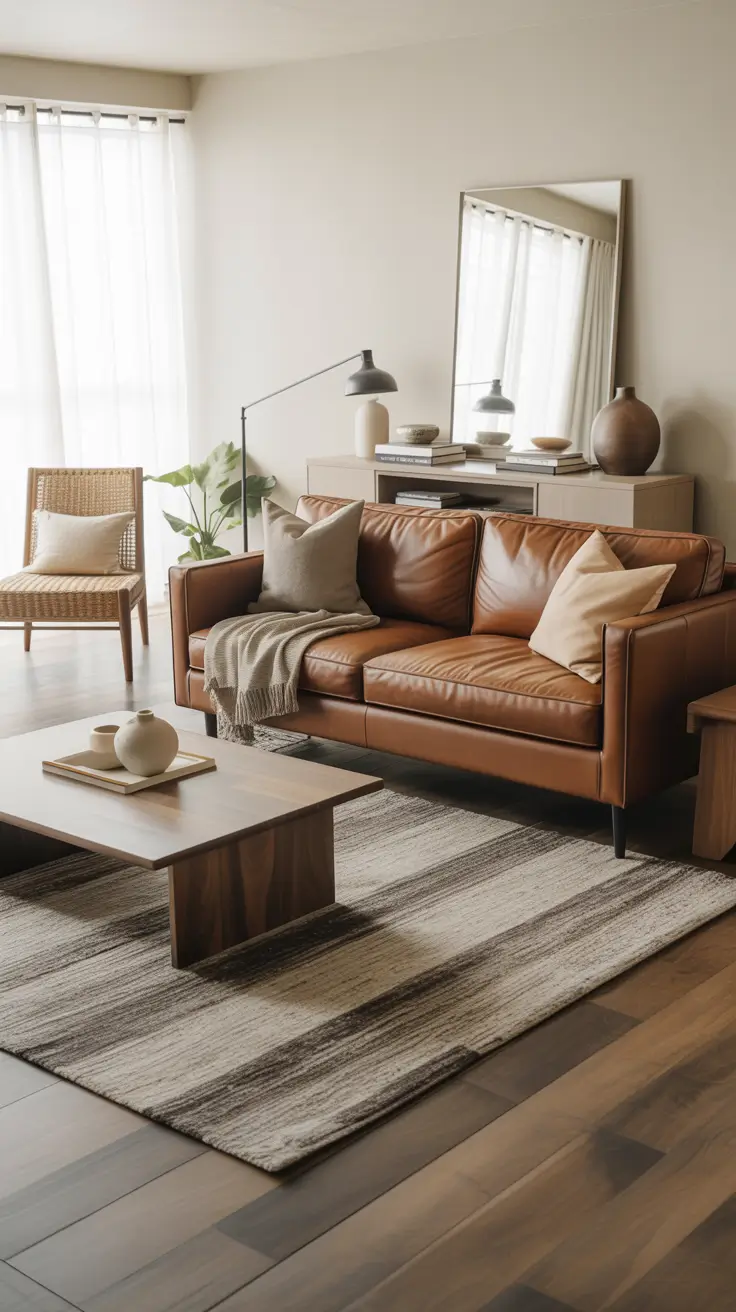
Arrange furniture clusters with walnut coffee tables, woven side chairs, and matte black reading lamps. Off-white media consoles and framed mirrors reflect light onto rugs. Subtle stripes or herringbone patterns add interest without overwhelming brown tones. Gray and beige accents bridge living and adjoining bedrooms for cohesive palettes. Complete with clay vases and landscape art.
Avoid overly dark or red rugs that compete with brown. Limit dominant colors to two or three plus an accent to prevent visual clutter. Introduce checkered patterns in muted tones for a playful touch. Renters can refresh existing carpets with large flatweaves for contrast and definition. In small apartments or dorms, low-pile washable rugs simplify maintenance.
Add narrow runners behind floating sofas to protect floors and visually divide spaces. Replace round coffee tables with compact options for easier movement. Use small rugs under reading chairs to reduce noise and create layered zones. Store throws in lidded baskets near sofas to keep rugs central and tidy.
Farmhouse Rug Trends for Cozy Charm
Farmhouse style blends relaxed textures with contemporary updates for a fresh yet timeless look. Imagine wide plank floors, white walls, and subtle shiplap paired with large jute blend rugs. Layer smaller wool rugs for softness and comfort. Position rugs to align with fireplaces for balanced sightlines. Stick to neutral shades with accents of black, olive, and terracotta.
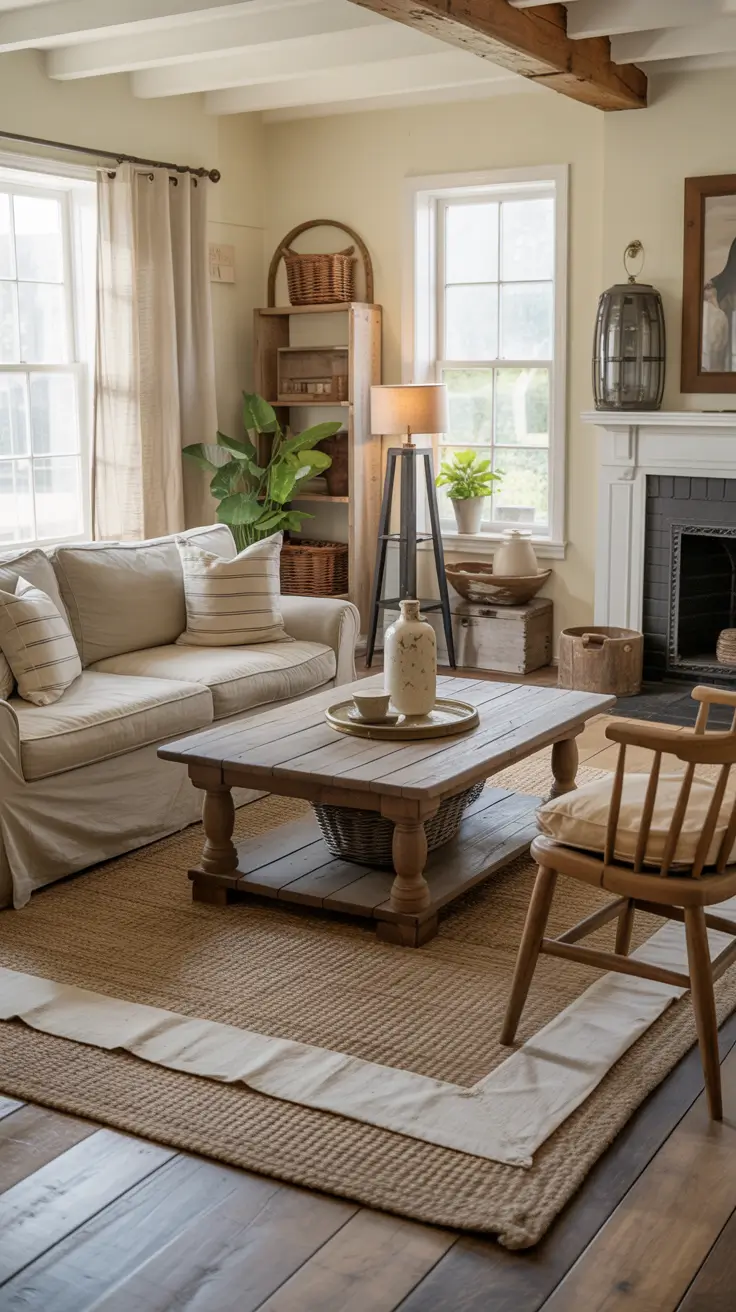
Furnish with slipcovered beige sofas, spindle-back chairs, and weathered wood coffee tables. Black metal lantern-style lighting adds contrast and ties to hardware. Patterns like faded stripes, windowpane checks, or small florals complement red Persian rugs for accent. Use baskets, crates, and oversized clocks for storage and rhythm. Unbleached linen curtains soften light without clashing.
Include natural fibers in rug stacks, with felt pads for cushioning and washable wool blends for easy upkeep. Use black stripes or borders on rugs to maintain airiness, enhanced by charcoal checkered layers for boldness. Extend these textiles into family rooms and bedrooms for continuity.
Place small landing rugs near entrances to protect larger rugs from moisture. Slim consoles with baskets help organize toys and laundry. Add sheepskin throws on reading chairs for warmth, and wall sconces to highlight textures at night.
Green Sofa Rug Pairings for Natural Elegance
Green sofas, especially forest or olive tones, pair beautifully with light neutral rugs featuring subtle flecks for understated color. On hardwood, warm ivory rugs complement green better than stark white. Tone-on-tone or diamond grid patterns create calm, contemporary vibes. For bolder rooms, Persian-inspired rugs with muted reds and blues add depth and cohesion.
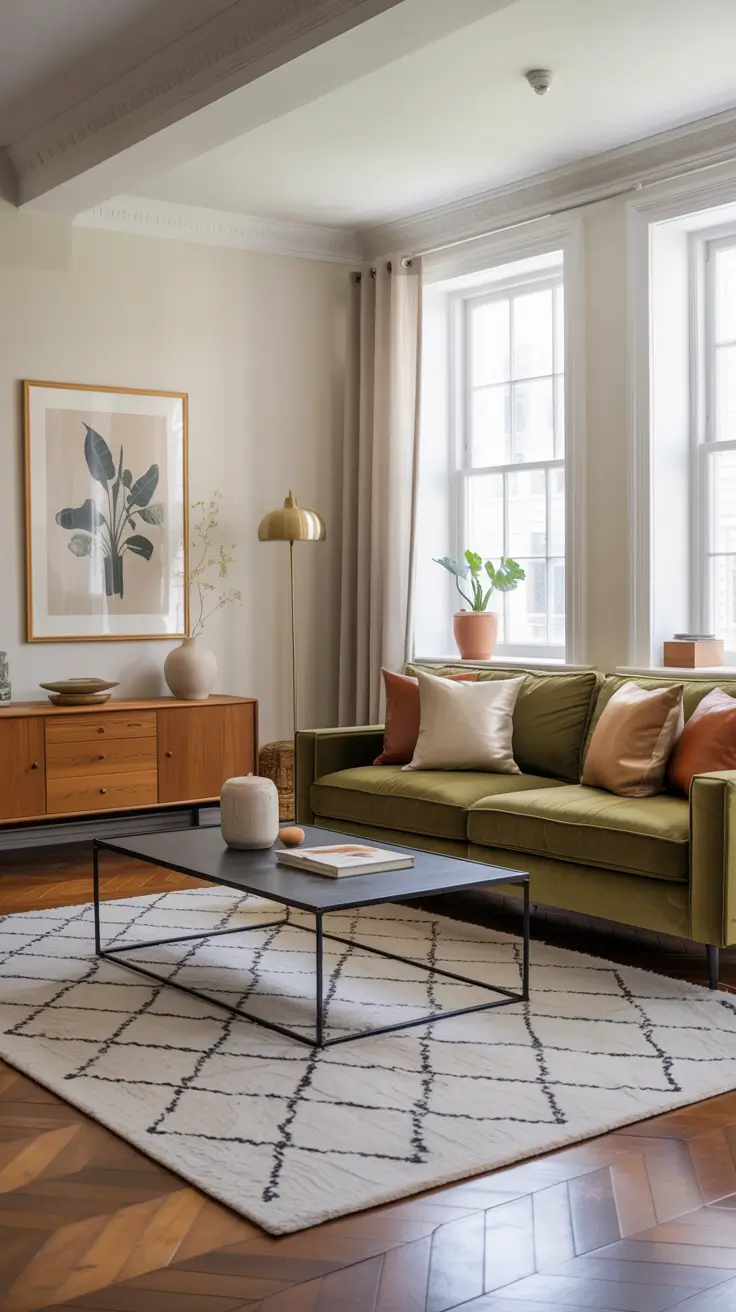
Furnish with black metal coffee tables, natural oak sideboards, and brass floor lamps for warmth. Botanical artwork echoes sofa colors, while terracotta planters ground corners. Repeat rug patterns in adjacent beige seating areas for flow. Mix linen, boucle, and leather pillows for tactile variety. Keep reading corners cozy with magazine stacks and braided baskets.
Green pairs well with red Persian accents for a classic palette. For complex layouts, overlay flatweaves of similar tones to mimic custom rugs. Ensure front legs of seating rest on rugs to unify spaces. Use small rugs near consoles or pianos to soften acoustics. Washable dotted rugs add color and practicality in dorms or budget-conscious homes.
Add runners along long rectangular rooms and glass or stone side tables to showcase rugs. Introduce sculptural lamps or checkered pillows for texture without clutter. Dimmer switches help reveal rug patterns at night.
Timeless Red Persian Rug Ideas
Red Persian rugs bring heritage and richness to living rooms. Keep surrounding decor simple to avoid visual clutter and enhance room height. These rugs shine on hardwood floors with light walls and natural daylight. Pair with beige, gray, or deep green sofas for balance. In small rooms, opt for smaller-scale patterns or medallions to maintain flow. Use bold medallions in hallways with subtle red accents for classic appeal.
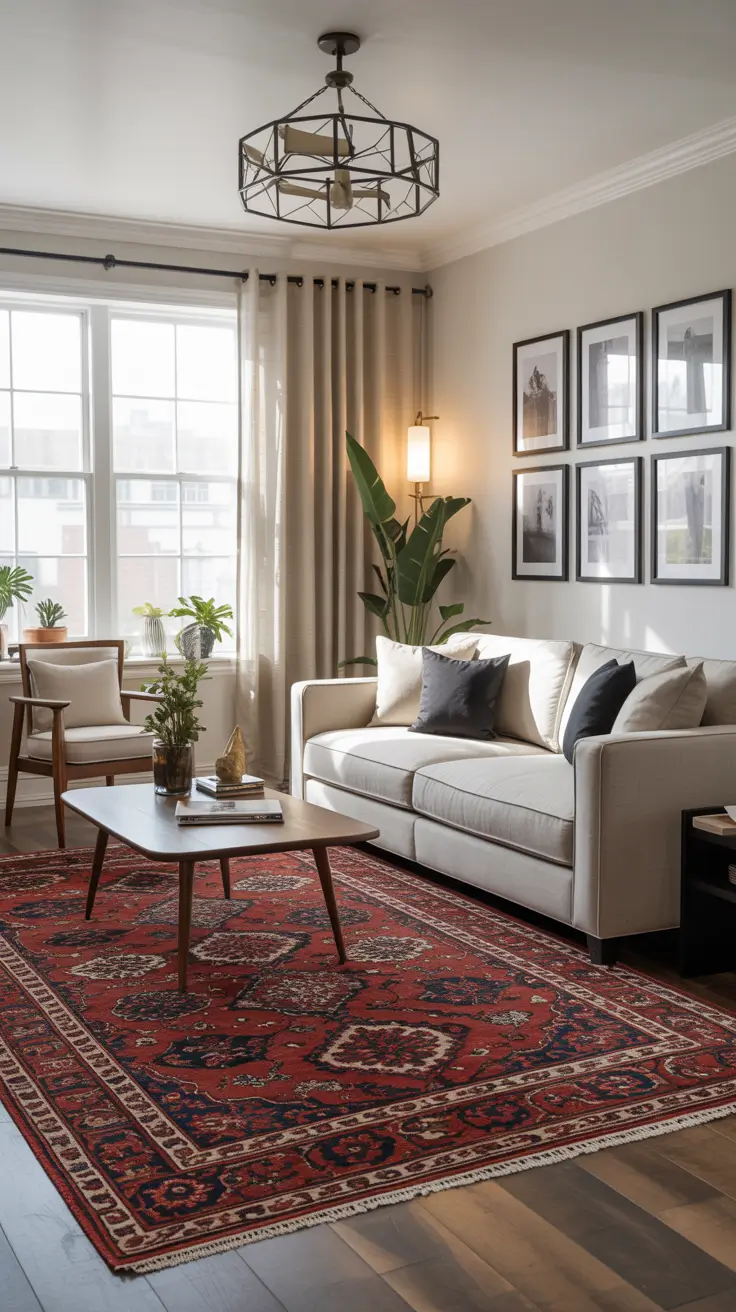
Furnish with clean-lined beige or custom gray sofas, slender wood coffee tables, and brass or black accents. For red or burgundy sofas, use rugs with slightly varied red shades for layered depth. Leather or boucle chairs should remain pattern-free. Frame the scene with off-white linen curtains and black-and-white photo galleries. Plants add life and highlight green hues in the rug.
Leave a small wood floor border around rugs to frame them sharply. Layer Persian rugs over larger jute bases if needed. This approach honors heirlooms while meeting modern needs. Black rugs can serve as secondary accents to balance red tones.
Add benches or piano stools with striped fabrics echoing rug colors. Use discreet cable clips to keep cords tidy. Repeat rug colors in dining chairs for seamless transitions. Place green glass or ceramic trays on coffee tables to reference secondary rug hues without adding pattern.
Gray Sofa Rug Inspirations for Versatile Style
Gray sofas act as adaptable anchors. Decide whether to create a warm, grounded space or a cool, contemporary one. Pair mid-gray sectionals with hand-knotted red Persian or low-pile burgundy vintage rugs for richness. For a calmer look, choose large oatmeal woven wool rugs with subtle heathering. Always use natural rubber pads under rugs on hardwood for grip and comfort. Layer flatweaves beneath accent rugs to add dimension.
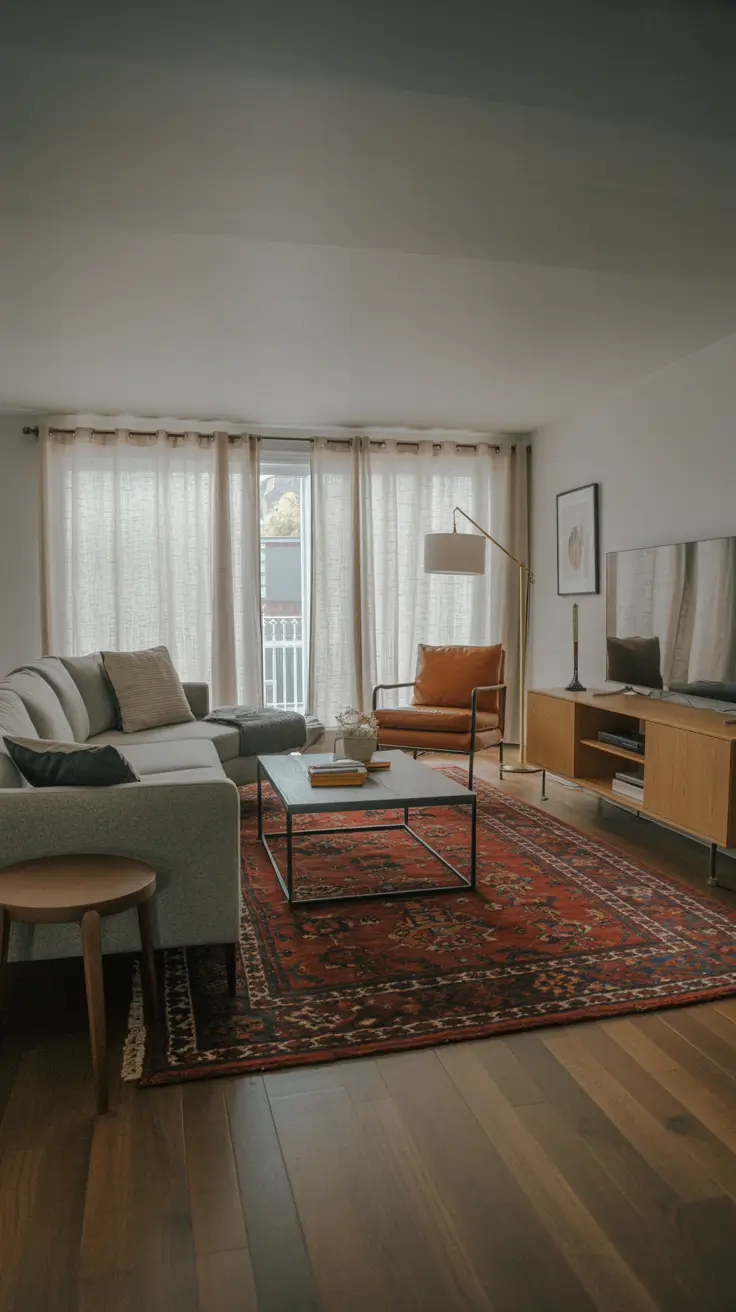
Accessorize with beige and charcoal throws matching rug flecks, black coffee tables, and sleek oak media consoles for farmhouse touches. Cognac leather accent chairs and traditional red Persian rugs add warmth. Linen curtains soften vertical lines, and matte floor lamps create cozy lighting pools.
Follow the rule of placing front legs of seating on rugs to avoid floating furniture. Larger rugs open up spaces visually. For family rooms, choose wool blends that resist dirt and stains. In apartments, machine-washable flatweaves ease maintenance. Repeat rug colors in pillows and art for cohesion.
Add small side mats near sofas for texture variety. Use fabric ottomans to absorb sound in echo-prone rooms. Balance warm brown couches with neutral or soft green rugs to maintain harmony.
Playful Checkered Rug Designs
Checkered rugs offer bold yet versatile patterns suitable for both funky and elegant interiors. Medium-scale cream and gray checks suit modern living rooms, while high-contrast black-and-white checks add drama. On hardwood, checkered rugs break up long planks and add rhythm, perfect for photography. When other room elements have strong patterns, opt for micro-checks that read as texture rather than bold motifs.
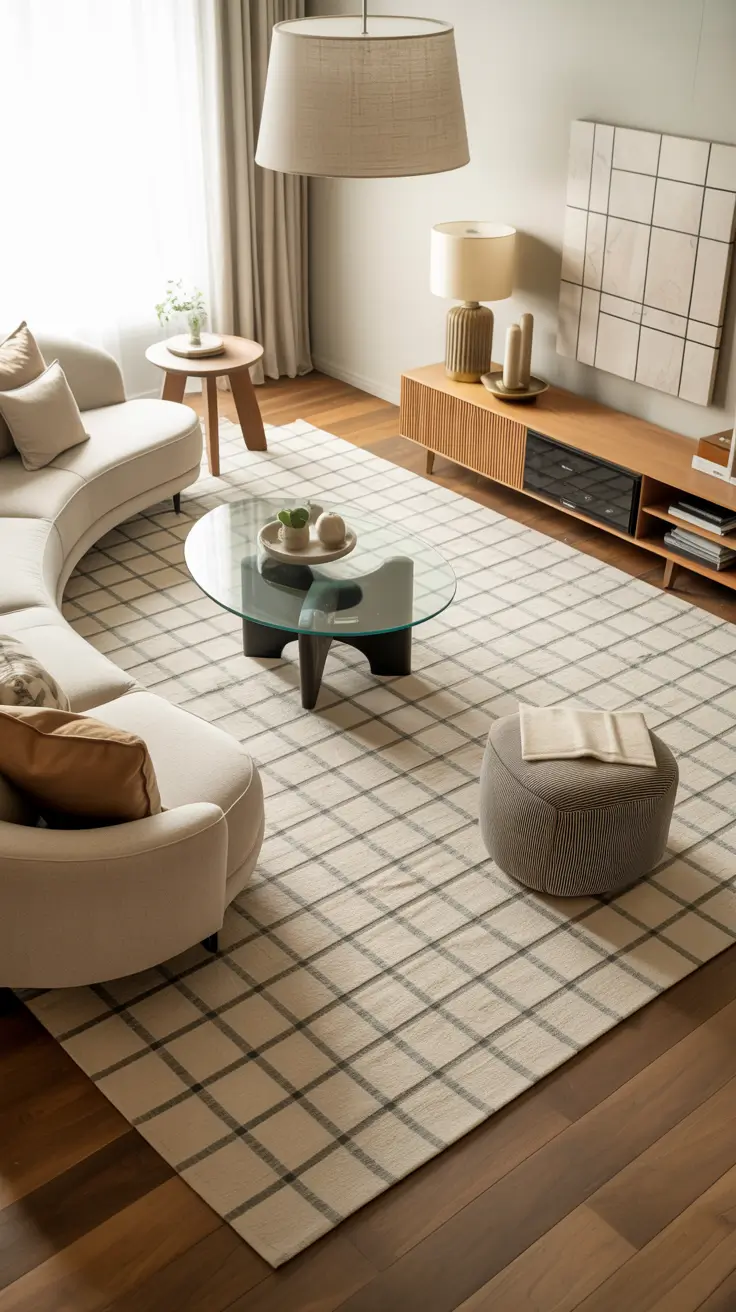
Balance geometric rugs with rounded furniture and glass coffee tables to keep patterns visible. Use leggy side tables and simple ceiling lights to avoid visual clutter. Oak or walnut media cabinets complement the floor and rug.
Checkered rugs also work well for zoning, such as a small tonal check in a reading corner paired with a larger neutral rug in the main seating area. Salt-and-pepper checks conceal dust and pet hair effectively. Recycled polyester flatweaves with rug pads offer easy cleaning for families. Repeat patterns in dining areas with grid-back chairs for cohesion.
Add pops of color like green pillows or royal blue lamps to modernize the look. Pair cream-heavy checks with beige sofas or charcoal-heavy checks with gray sofas. Avoid repeating check patterns too closely to prevent visual overload.
Gray Sofa and Rug Ideas for a Modern Vibe
For a sleek modern aesthetic, choose rugs with clear lines and sophisticated weaves. Low-pile New Zealand wool in warm greige complements gray sofas without feeling cold. Subtle broken stripes add movement without distraction. Use large rugs (9×12 or bigger) to ground seating, especially in open-plan apartments. Incorporate gentle black accents for a deliberate palette.
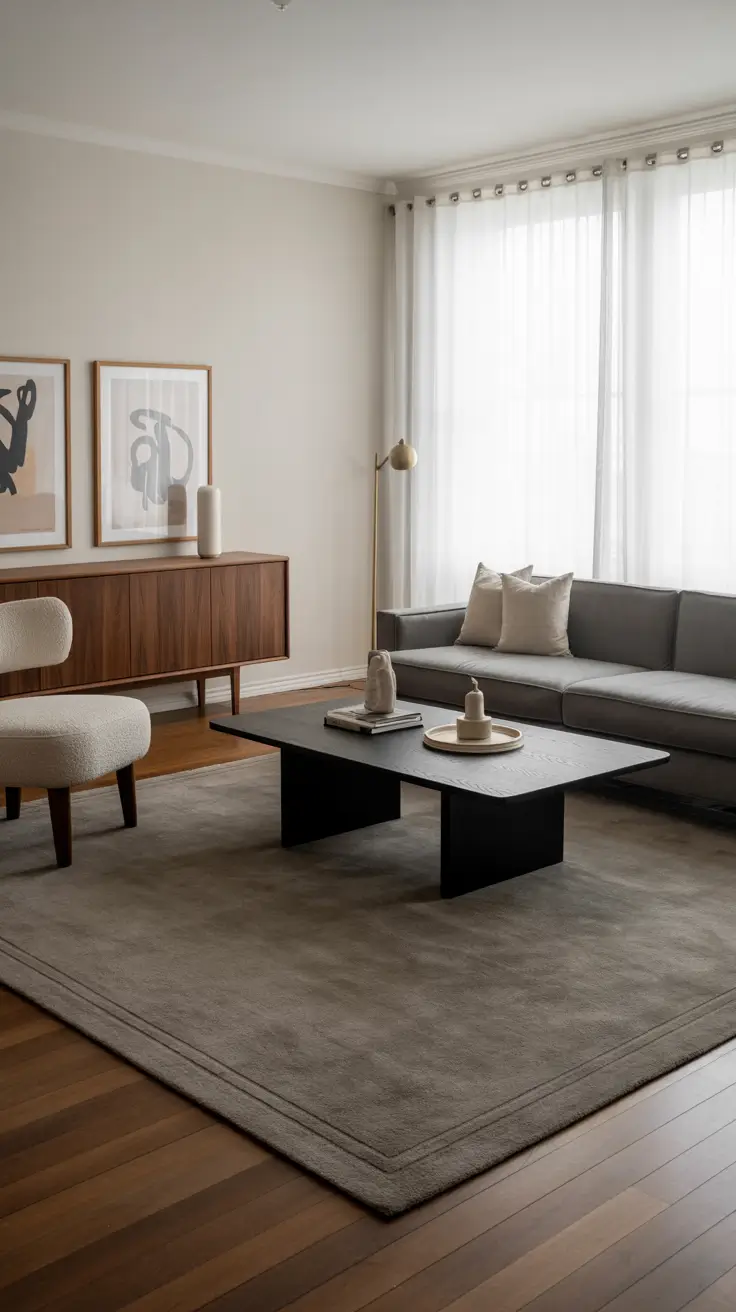
Choose furniture that echoes the rug’s understated luxury: small black oak coffee tables, boucle accent chairs, and walnut credenzas. White curtains diffuse daylight softly. Minimalist art repeats rug tones for cohesion.
Avoid rugs that are too small or overly cool in tone. Larger rugs consolidate seating groups visually. Add thin borders or contrasting edges to define rug layouts. Use chair mats to protect rugs in workstations without disrupting design.
Layer textures with small sheepskins or kilims near reading chairs. Coordinate rug undertones across rooms for seamless transitions. On carpeted floors, overlay flatweaves to define seating areas and add modern flair.
Transforming Living Rooms with Large Area Rugs
Large area rugs are powerful tools for redefining living rooms without structural changes. They minimize visual breaks in flooring and clearly mark walkways. For seating groups, 8×10 rugs work well, with 9×12 or 10×14 sizes for larger rooms. Broad rugs reduce echo and soften traffic lanes on hardwood floors.
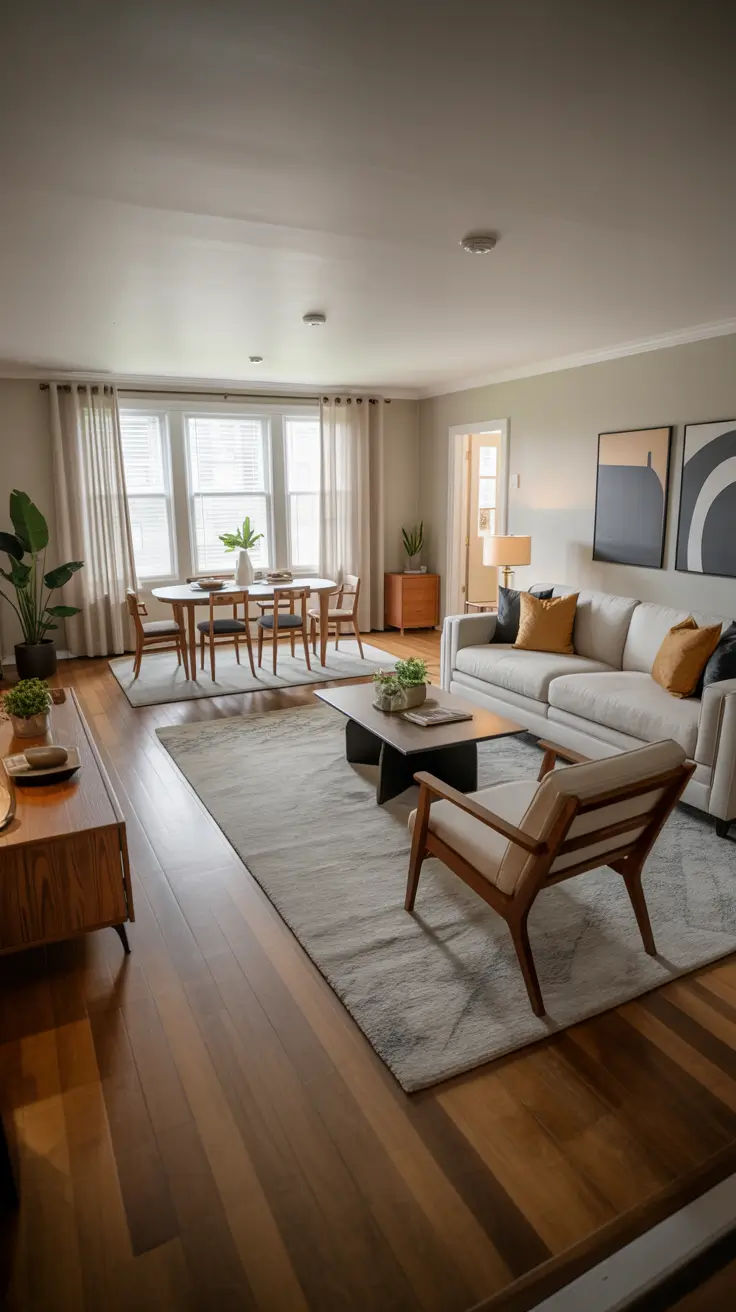
Place front legs of all seating on the rug for unity. Coffee tables should be about two-thirds the sofa length for balance. In combined living-dining spaces, allow 24 inches beyond dining tables for chair movement. Use runners along traffic paths to connect rooms.
Large rugs reduce visual clutter and simplify styling. When budgets are tight, consider bound broadloom cut to size for custom dimensions. Low-loop rugs resist pet marks and are easy to clean.
Add subtle patterns or borders to avoid empty-looking large rugs. Soft checks or herringbone patterns add movement without dominating. Match rug tones to cushion fabrics for harmony. Use two texturally different rugs to separate media and reading areas without chaos.
Creating Cozy Living Rooms with Plush Rugs
Comfort begins with thick, soft rugs that invite lounging. Thick wool cut piles or plush low shags layered over flatweaves provide warmth and stability. Warm colors like rust, camel, olive, and burgundy complement wood tones and create inviting atmospheres. Neutral cream heathered rugs with subtle diamonds keep spaces airy yet cozy.
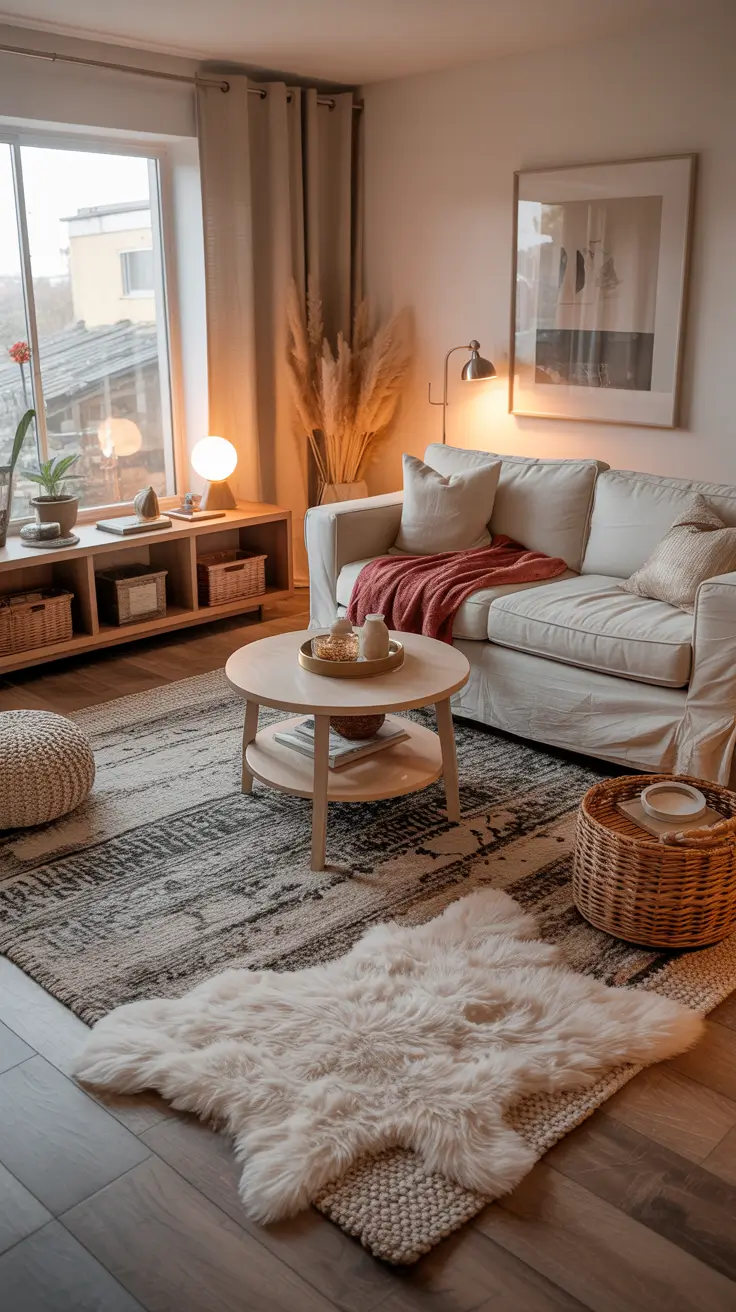
Pair with deep sofas in relaxed linen slipcovers, round wooden coffee tables to avoid bumps, and knit poufs for flexible seating. Use low closed cabinets for storage and woven baskets for blankets and games. Keep layers purposeful with minimal accessories.
Layered rugs add literal and visual warmth. Angle small vintage kilims over larger solids for history without clutter. Medium-tone rugs hide pet hair better than extremes. Washable rugs ease maintenance. Add red Persian or burgundy runners for romantic accents without clashing.
Address echo with fabric wall hangings or heavy drapes matching rug colors. In dorms or small spaces, use smaller plush rugs for comfort and proper furniture alignment. Add green sofa accents or checkered pillows for personality. Finish with candles on heatproof trays for soft ambiance.
Compact Dorm Living Room Rug Solutions
In small dorms or first apartments, low-pile rugs define seating and reduce sound reflection. Sizes like 5×7 or 6×9 fit under loveseats and coffee tables without blocking pathways. Woven flatweaves are durable, portable, and budget-friendly. Use two rugs—a small entry mat and a larger area rug—for smooth transitions.
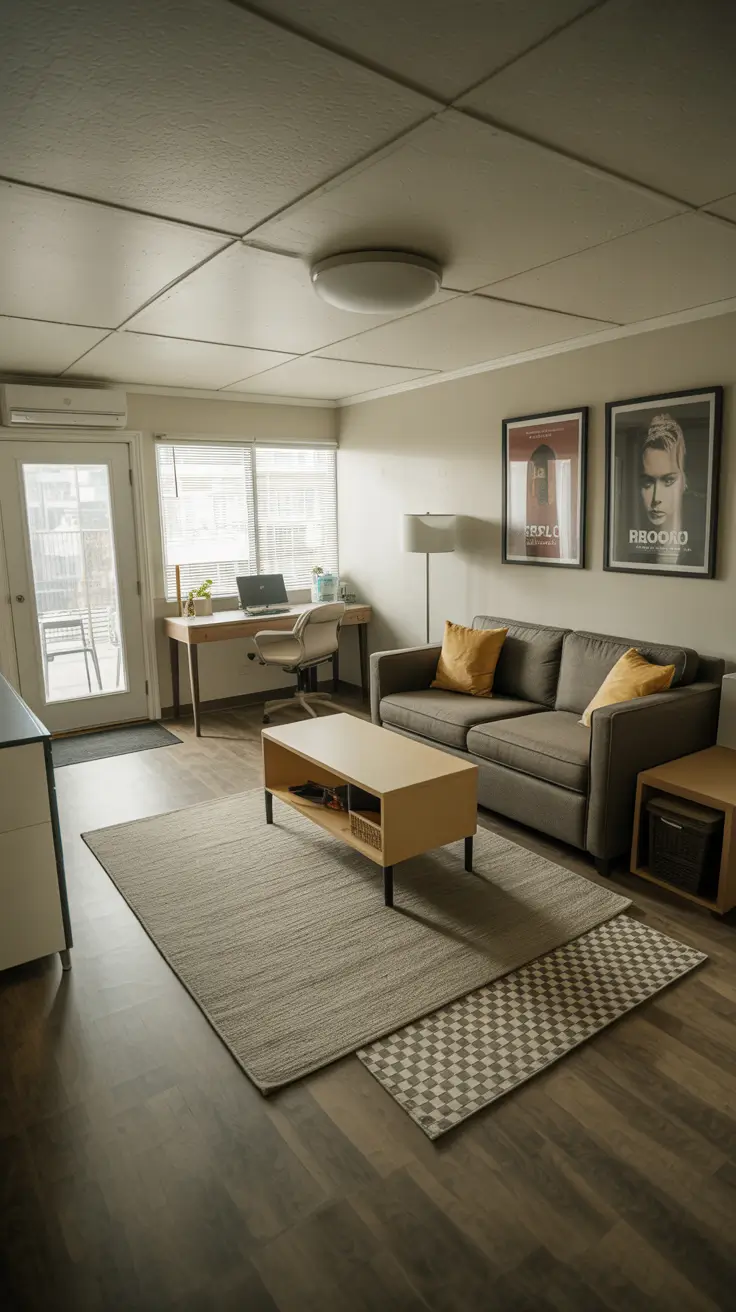
Furnish with slim sofas or futons, skinny coffee tables with storage, and portable accent chairs. Choose solid cotton or checkered rugs for color without overwhelming detail. Maintain neutral foundations to balance bold posters or bedding. Use felt pads on hardwood for comfort and rug stability. Place washable runners near kitchenettes to trap crumbs.
Layer rugs by placing smaller patterned pieces over larger jute or sisal bases to visually expand space. Repeat colors in sofa, rug, and art for cohesion. Incorporate over-sofa bookshelves, compact floor lamps, and storage ottomans. Swap busy checkered rugs for neutral tweed styles when needed. Washable rugs simplify dorm life, and small entry mats extend rug longevity.
Neutral Rug Ideas for Beige Sofas
Beige sofas benefit from rugs that add depth without monotony. Large area rugs in oatmeal, stone, or warm gray with soft textures create serene yet inviting spaces. Contrast rugs on hardwood floors prevent sofas from blending into the floor. Wool blends or performance fibers offer durability and visual interest, perfect for family living.
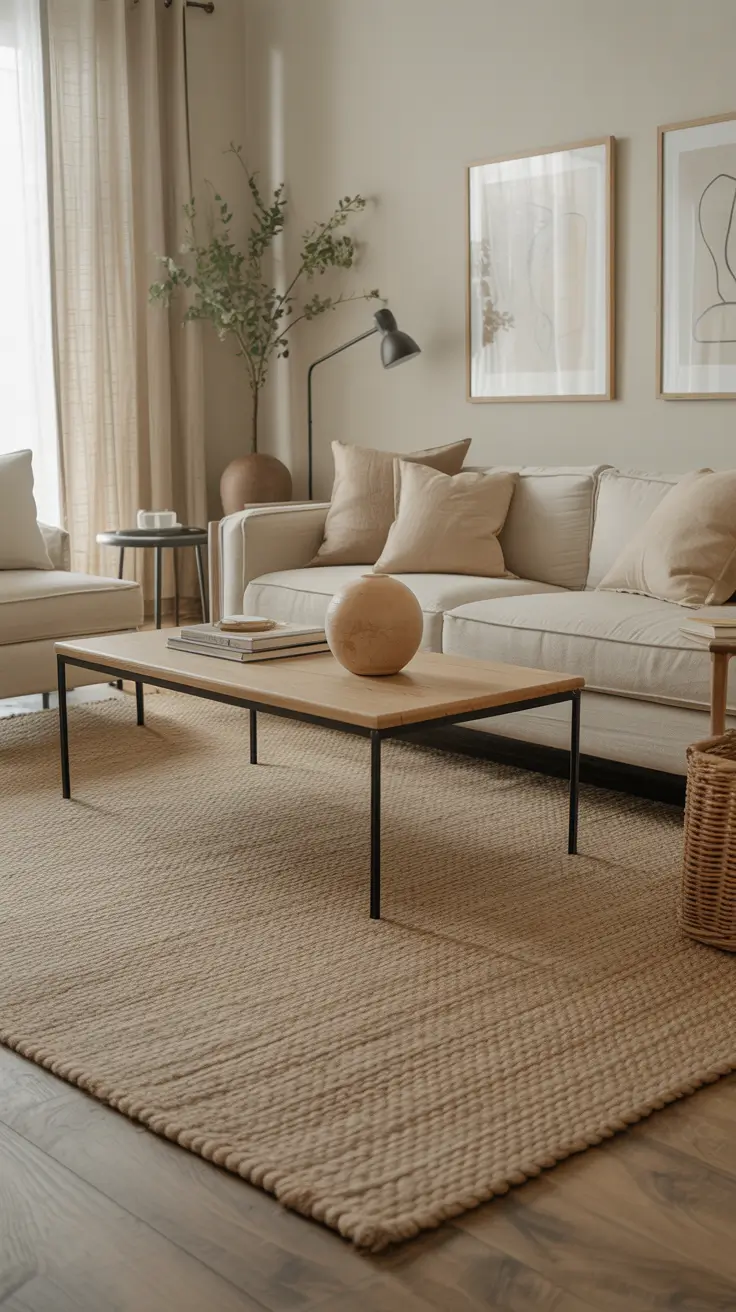
Pair with light oak coffee tables, matte black metal side tables for contrast, and linen drapes to soften light. Incorporate black accents through lamps or frames, echoed in fine-stripe or bordered rugs. Layer narrow patterned wool toppers over sisal bases for subtle geometry. Ensure furniture front legs rest on rugs for cohesive zones.
Add saturated accents like dark green vases, navy throws, or terracotta pots to enliven neutrals. Use three-tone schemes—foundation, contrast, accent—to guide color repetition. Gray and beige sofas serve as flexible anchors. Incorporate handwoven rugs, knitted throws, and woven baskets for warmth and texture.
For families or pets, choose stain-resistant performance rugs to maintain serenity. Repeat rug colors in dining areas for seamless flow. These touches prevent neutral rooms from feeling dull.
Seamless Laundry Room Rug Integration
Design laundry areas as extensions of living spaces by continuing color palettes and textures. Use rugged low-pile or micro-check runners to complete the look and prevent grit from spreading. Coordinate laundry rugs with living room patterns like red Persian or checkered designs for cohesive transitions.
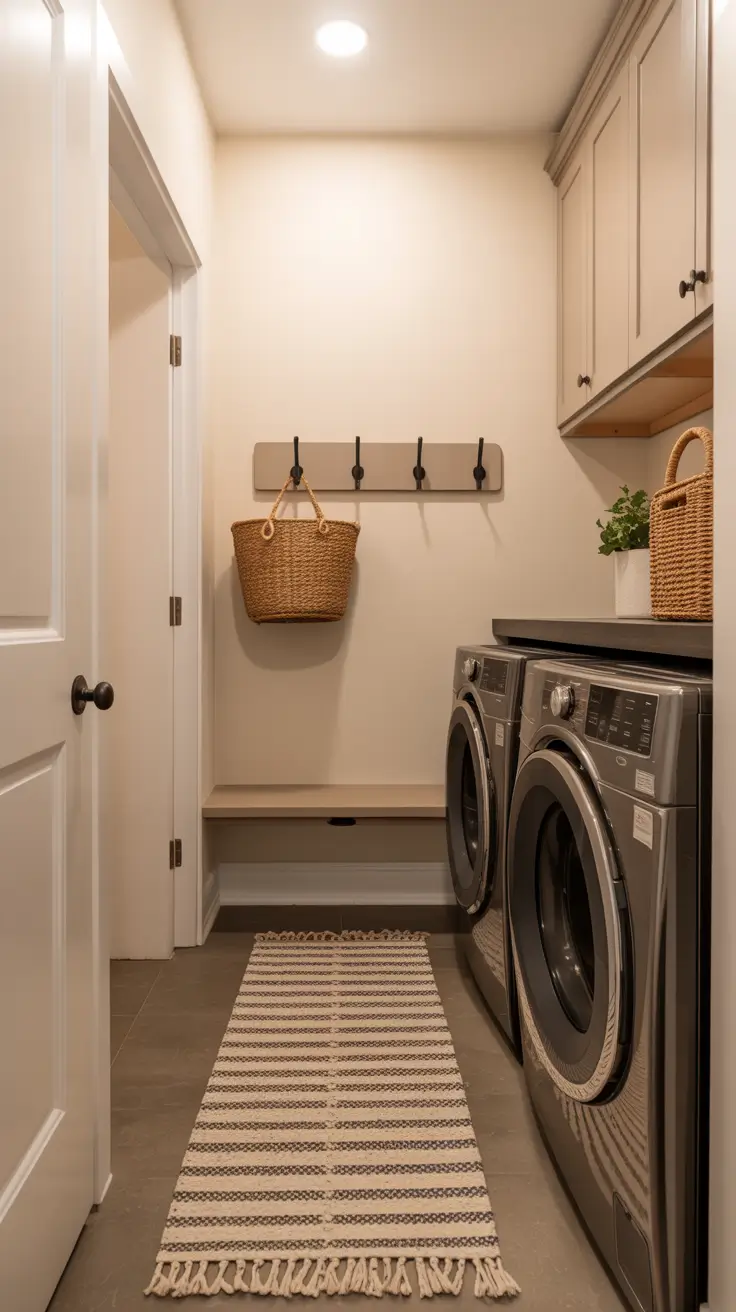
Function dominates laundry furnishings—sink bases, storage towers, folding surfaces—guiding rug size. Washable runners in front of machines and small doormats inside doors enhance cleanliness. Use sticky pads for easy removal during cleaning. In small homes, decorate laundry hallways with mini galleries, hooks, and slim benches to relate spaces.
Medium stripes conceal lint better than solids and complement white appliances. Repeat finishes like black hardware or natural wood in rugs for unity. Warm LED lighting prevents clinical whites, enhancing neutral rug palettes. These details elevate utilitarian spaces into integrated parts of the home.
Add second washable mats near back doors and use unique baskets for lost socks to reduce clutter. Align laundry runners with living room palettes for smooth flow.
Dynamic Living Rooms with Multiple Rugs
Use multiple rugs to delineate activity zones in large or open-plan living areas without walls. Anchor the main seating with a large rug and define secondary spaces like reading nooks or piano areas with complementary smaller rugs. Maintain color or texture threads to avoid chaos, ideal for families and frequent hosts.
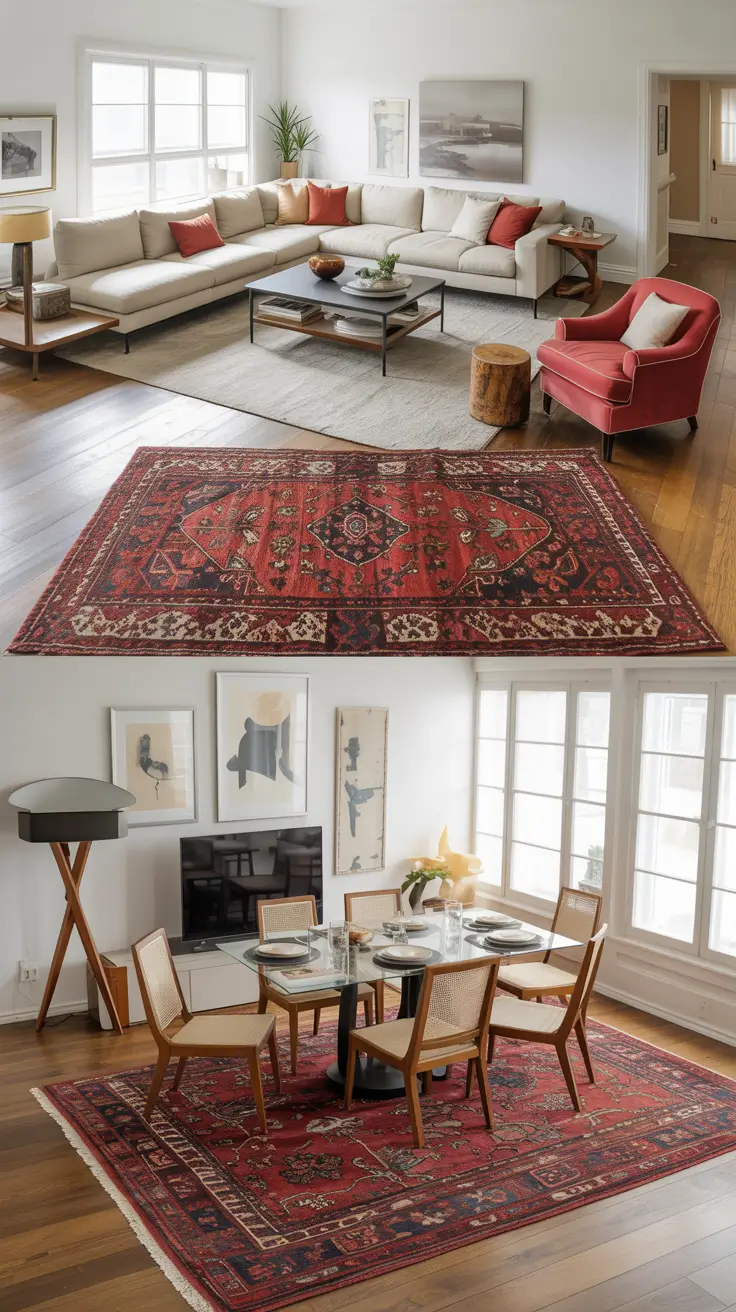
Ensure primary rugs are large enough for front legs of sofas and chairs. Secondary rugs can feature smaller geometric or vintage Persian patterns that echo colors in art or throws. Combine green sofa corners with patterned accents and textured neutrals under brown couches for visual interest. Use quality pads to prevent movement and protect hardwood floors. Differences in pile height should be subtle.
Layer rugs by using a quiet base and a storytelling top layer. Frame fireplaces with natural jute bases topped with patterned wool rugs. Balance warm and cool colors, repeating hues three times across rugs, pillows, and artwork to create rhythm. Extend this approach to dining areas with matching rugs for smooth transitions.
Add third rugs under dining tables matching mid-tones of living rugs to unify spaces. Ensure chairs remain on dining rugs for comfort. Use taller kilims in reading corners to echo burgundy sofas. These details keep the entire space intentional and harmonious.
Family-Friendly Living Room Rug Solutions
For family rooms, prioritize durability and ease of cleaning alongside comfort and style. Choose performance fibers or tightly woven wool blends to withstand traffic, snacks, and play. Large rugs that fit all major furniture pieces prevent toys from slipping under edges. Textured neutrals with heathering conceal wear and maintain classic appeal. Use cushioned pads on wood floors for comfortable play areas.
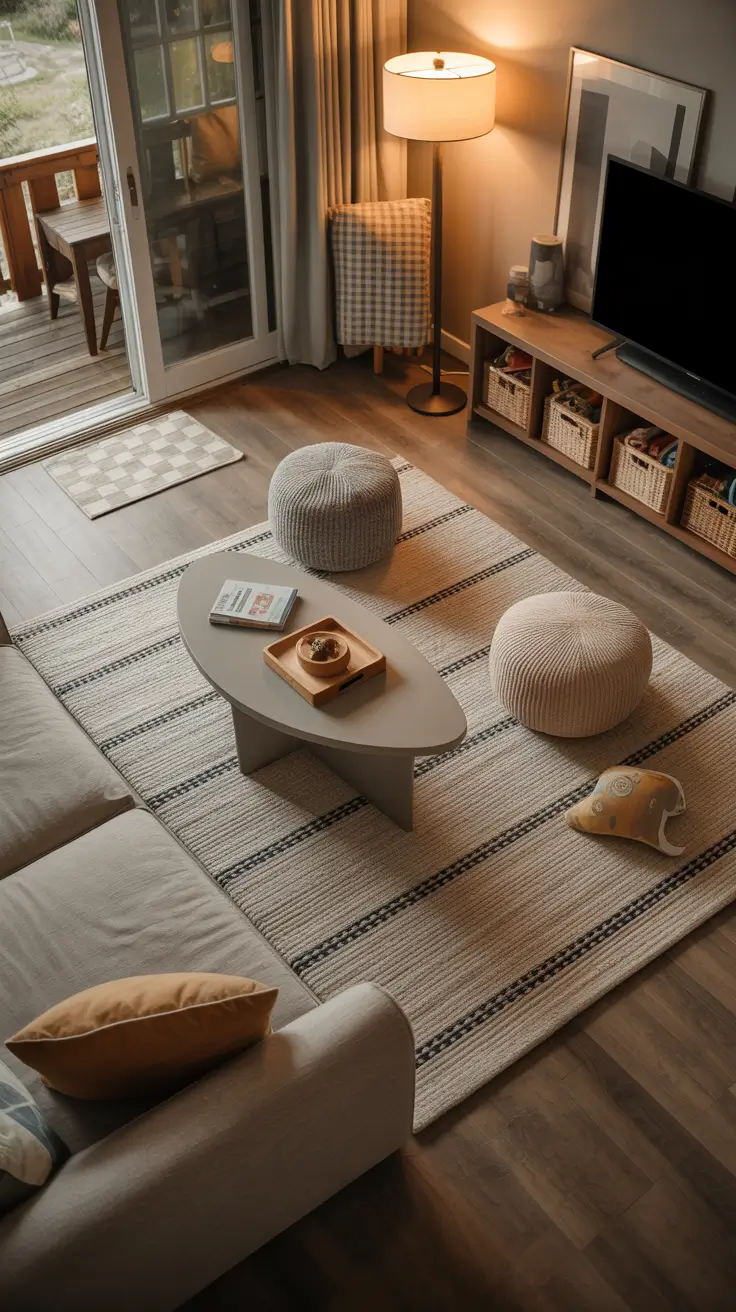
Opt for minimalistic, durable furniture with rounded edges and storage. Round coffee tables, deep sectionals, and poufs offer flexible seating. Lightweight rugs prevent heaviness with brown sofas, while black rugs can be used as smaller accents near game tables. Incorporate check or diamond patterns for modern yet family-friendly vibes. Use side tables with lip edges to keep crayons and small items contained.
Divide family rooms into zones: main TV seating anchored by a large rug, secondary reading or homework areas with smaller rugs, and washable mats near patio doors to trap dirt. Washable rugs are highly recommended for high-traffic homes. For red sofa color schemes, choose rugs with muted red specks to avoid monotony and maintain a jovial yet serene atmosphere.
Add low bins under consoles, stable floor lamps, and thin patterned toppers for seasonal warmth. Coordinate dining rugs with living room patterns for unified entertaining spaces. Layer flatweaves over carpets to define areas and sharpen appearances. These strategies simplify daily comfort and maintenance.
Open Space Living Room Rug Inspirations
In large rooms, prioritize scale and zoning to avoid overwhelming spaciousness. Use foundation rugs (9×12 or 10×14) to separate living and dining areas without walls, leaving floor reveals and clear pathways. Flatweave wool or textured jute rugs offer durability and subtle weaves that complement furniture silhouettes. Large rugs also reduce echo in high-ceilinged rooms, fostering intimate conversations.
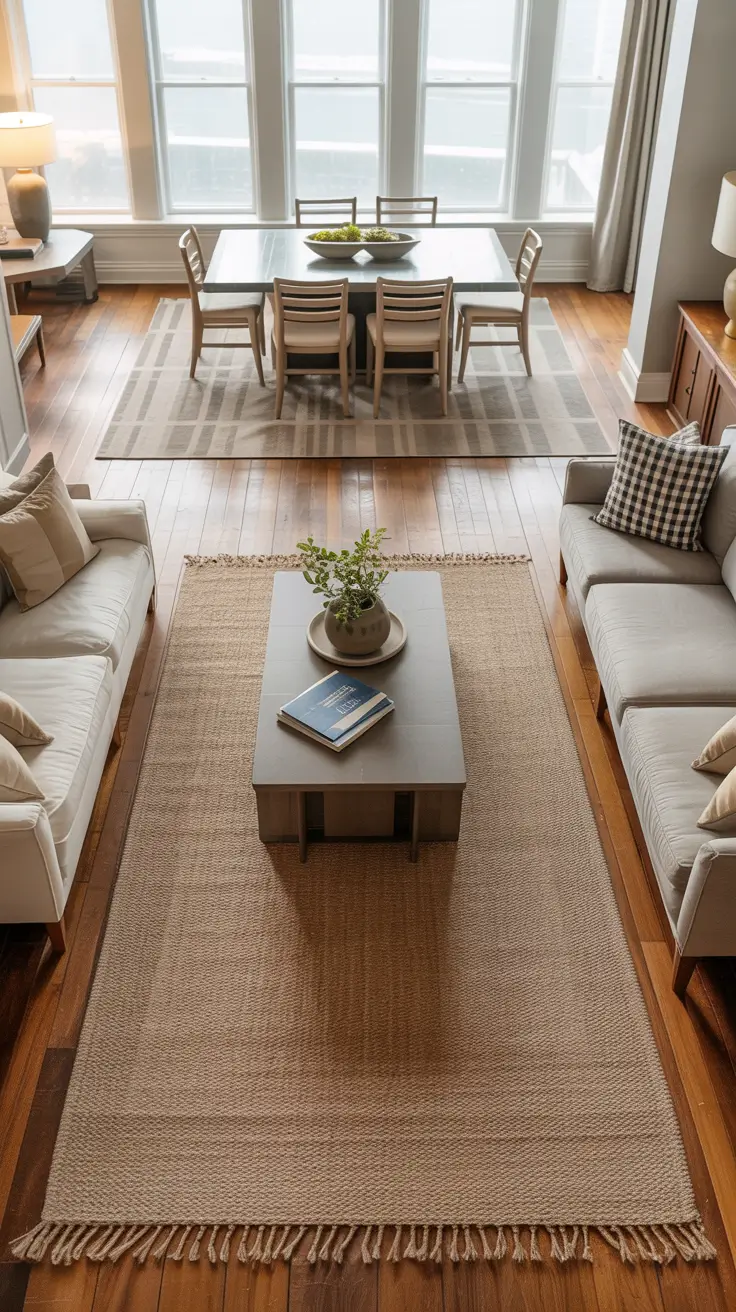
Design layouts with rugs covering seating groups, including sofas, chairs, coffee tables, and side tables. Use secondary rugs under dining tables with compact designs to hide crumbs. Add graphic energy with checkered rugs in neutral tones. Use felt pads to keep rugs flat and protect hardwood, especially in homes with children or pets.
Designers often emphasize that large rugs make rooms appear bigger. Clients who hesitate on size often find the next size up completes the space better. For bold patterns, balance with neutral walls, pillows, and art. Add complementary runners to guide traffic between living, dining, and bedrooms. Use washable runners near laundry or entrances to protect main rugs. Heavier woven wool rugs absorb sound better than flatweaves in echo-prone spaces.
Sleek Modern Living Room Rugs
Maintain modern simplicity with tight palettes where form and texture take center stage. Black flooring works well with light seating and ample sunlight. Low charcoal pile rugs under gray or beige sofas add depth without visual noise. Pair with matte black fixtures and brushed steel for a sharp look. Graphite floors with emerald accents complement green sofas while preserving crispness. Rugs should frame negative space and complement geometric furniture.
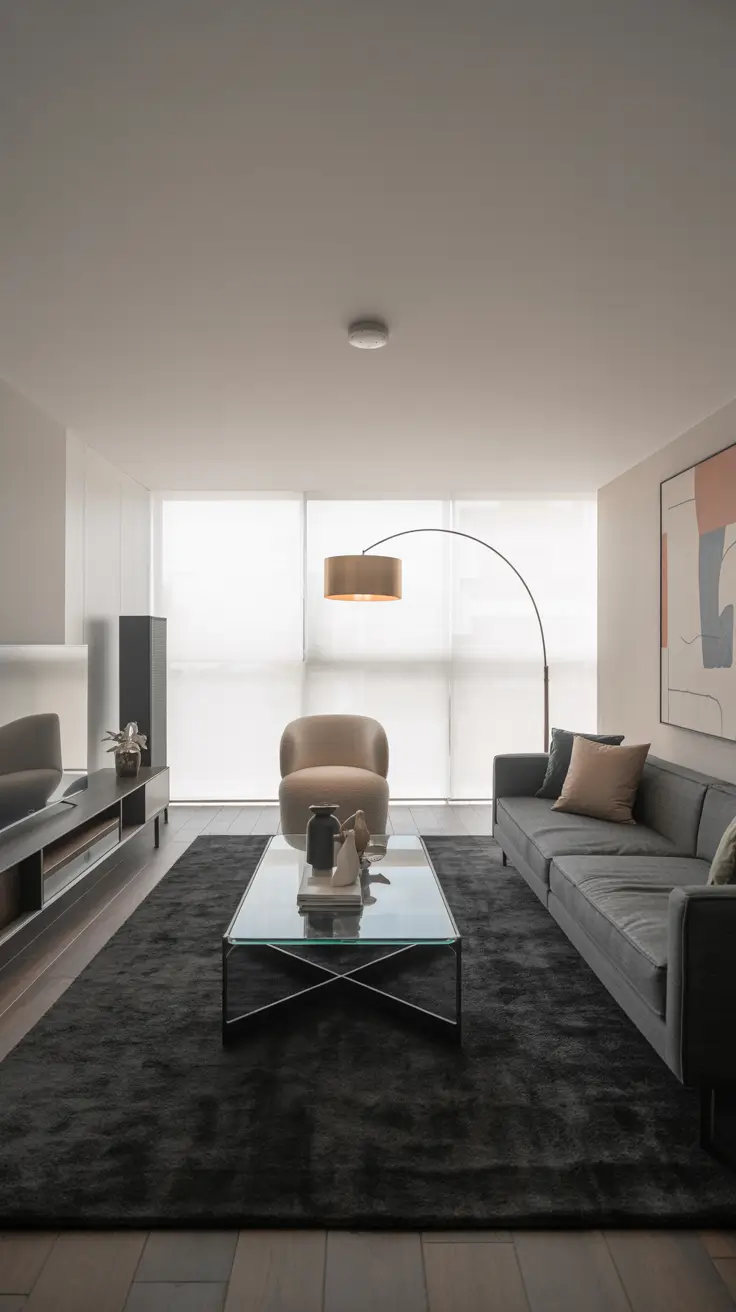
Choose low-profile sofas on slim legs, glass or stone coffee tables, and linear media consoles for clean sightlines. Lighting includes narrow arc lamps and sconces to highlight rug textures. Use micro-abstract or tone-on-tone geometric patterns for subtle interest. Banded borders create sharp edges under modular sectionals. Small-scale black-and-bone checkered rugs add refreshing contrast without overpowering.
Black rugs require regular maintenance to manage lint and fading. Use robot vacuums weekly and opt for low to medium pile for smooth furniture movement. Thin felt pads prevent seam telegraphing under minimalist rugs. Add sculptural side tables and woven trays to keep remotes organized and maintain clean aesthetics. Washable mats near laundry closets protect main rugs and support practical design.
Minimalist Neutral Living Room Rugs
Neutral living embraces stratification and gentle contrast for year-round comfort. Sand, oatmeal, and ivory rugs with subtle heathering pair beautifully with oak, linen, and aged brass accents. In small to medium rooms, light rugs bounce daylight and soften footprints, especially near white walls and pale furnishings. Tweedy loops resist pet wear better than plain ivory while maintaining brightness. On wood floors, neutrals highlight grain beauty.
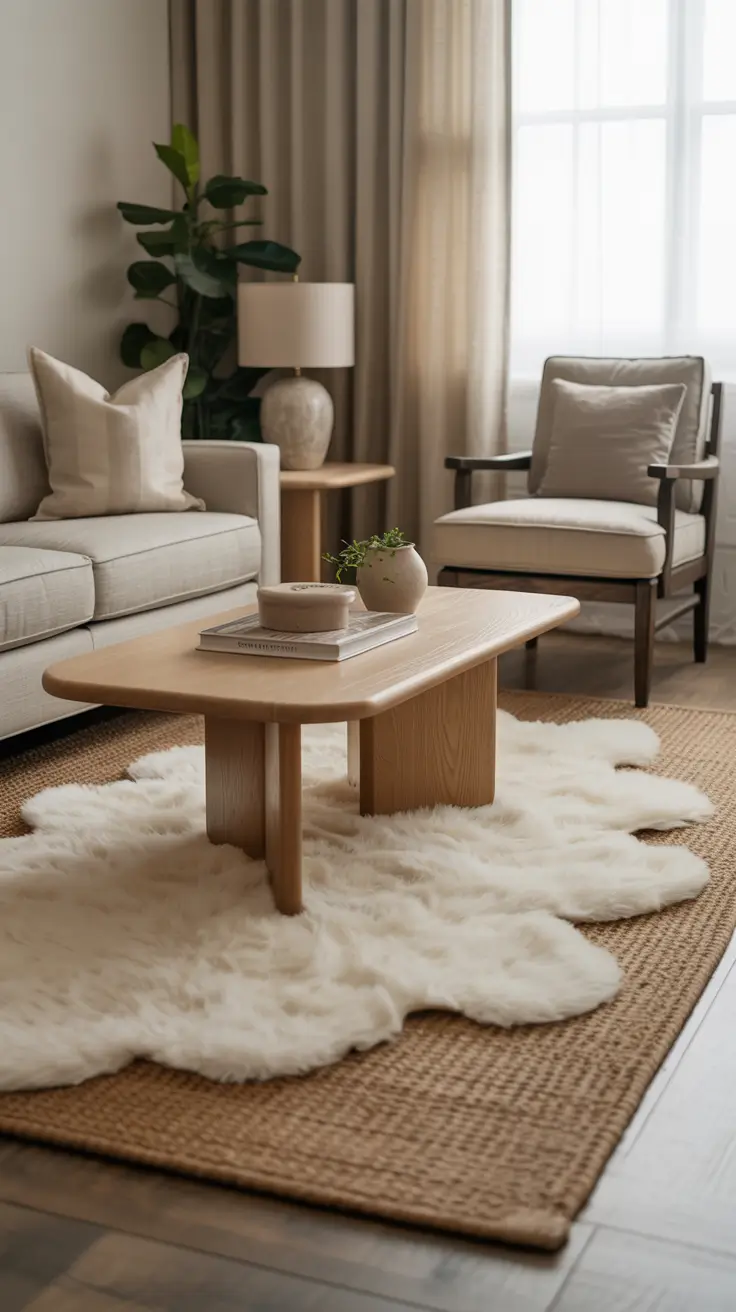
Start with textured boucle or canvas accent chairs, beige or gray sofas, and repeat rug layering with jute bases topped by plush wool carpets. Separate reading corners and main seating with two rugs for spatial definition. Finish with plants, linen shades, and plaster lamps for tactile warmth.
Neutrals work best with managed sheen and low contrast, mixing at least three textures for visual interest. Layer flatweaves under micro-shags for plushness without clutter. For families, low-profile performance rugs keep play areas clean while maintaining unity.
Add hand-knotted details like broken lines or fringes for movement. In family homes, use low-pile performance rugs in play zones to balance cleanliness and comfort.
Soft and Cozy Carpet Living Room Ideas
For instant softness, wall-to-wall carpeting offers hotel-like comfort, especially in cooler climates. It provides a forgiving surface for floor activities and can be enhanced with area rugs to define seating. Mid-tone taupe or smoky gray cut-and-loop patterns maintain openness while managing traffic.
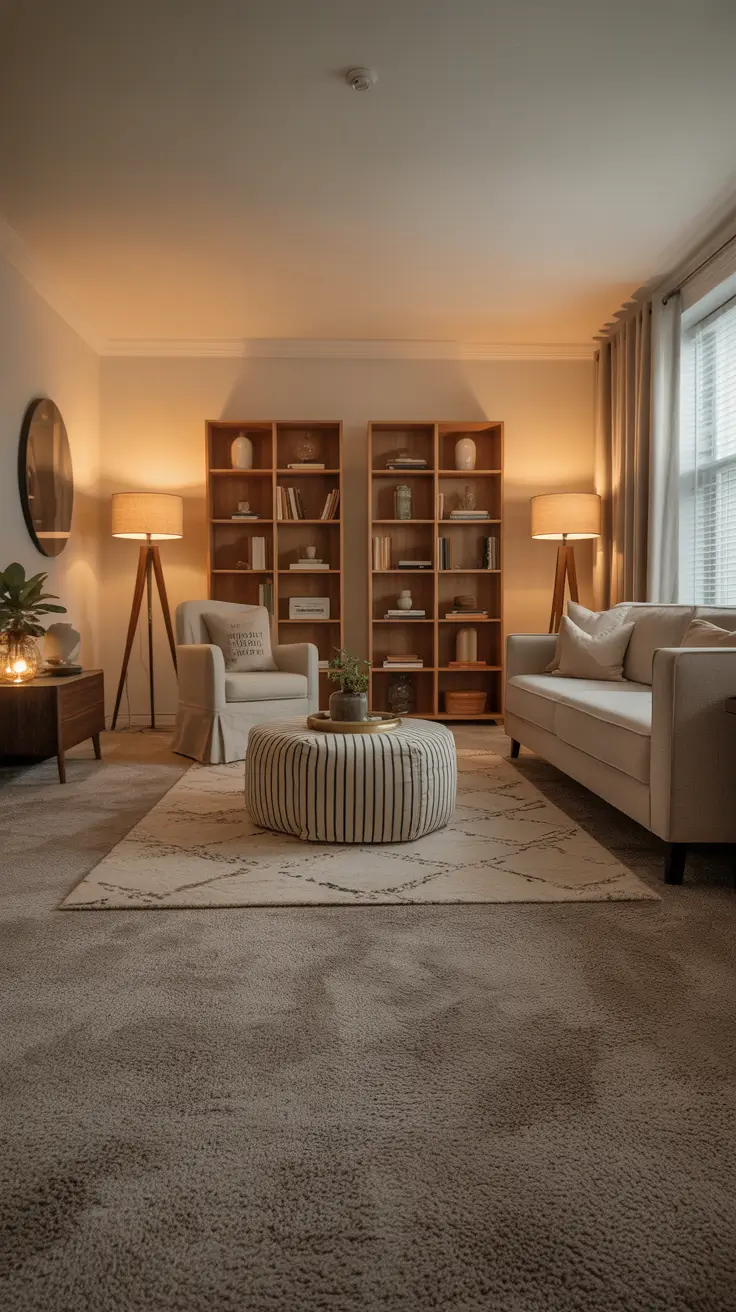
Anchor conversation zones with medium area rugs and use round coffee tables for easy movement. Solid media consoles and tall bookcases add structure. Drum-shaded floor lamps soften light, and heavy linen curtains complete the cocoon. Modular side tables accommodate multi-use spaces.
Follow Carpet and Rug Institute guidelines: solution-dyed nylon balances durability and cleaning ease, wool conceals dirt and adds comfort. Medium pile is preferable for vacuuming and furniture stability. Layer patterned rugs over carpet to add personality without overwhelming.
Add vintage red Persian or checkered layers for interest, grounding with gray or beige sofas. For entertaining, consider darker bordered overlays near bar areas to manage spills gracefully.
Area Rug Inspirations Across Styles
Area rugs bridge modern, farmhouse, and transitional styles. Classic combinations include red Persian rugs with brown leather chairs and linen drapes for patina. Color-focused rooms use red sofa palettes grounded by smoky blue or charcoal fields to highlight seating without visual chaos. Burgundy sofas pair with desaturated blush or warm taupe rugs, while green sofas thrive on natural jute or cream wool with subtle stripes.
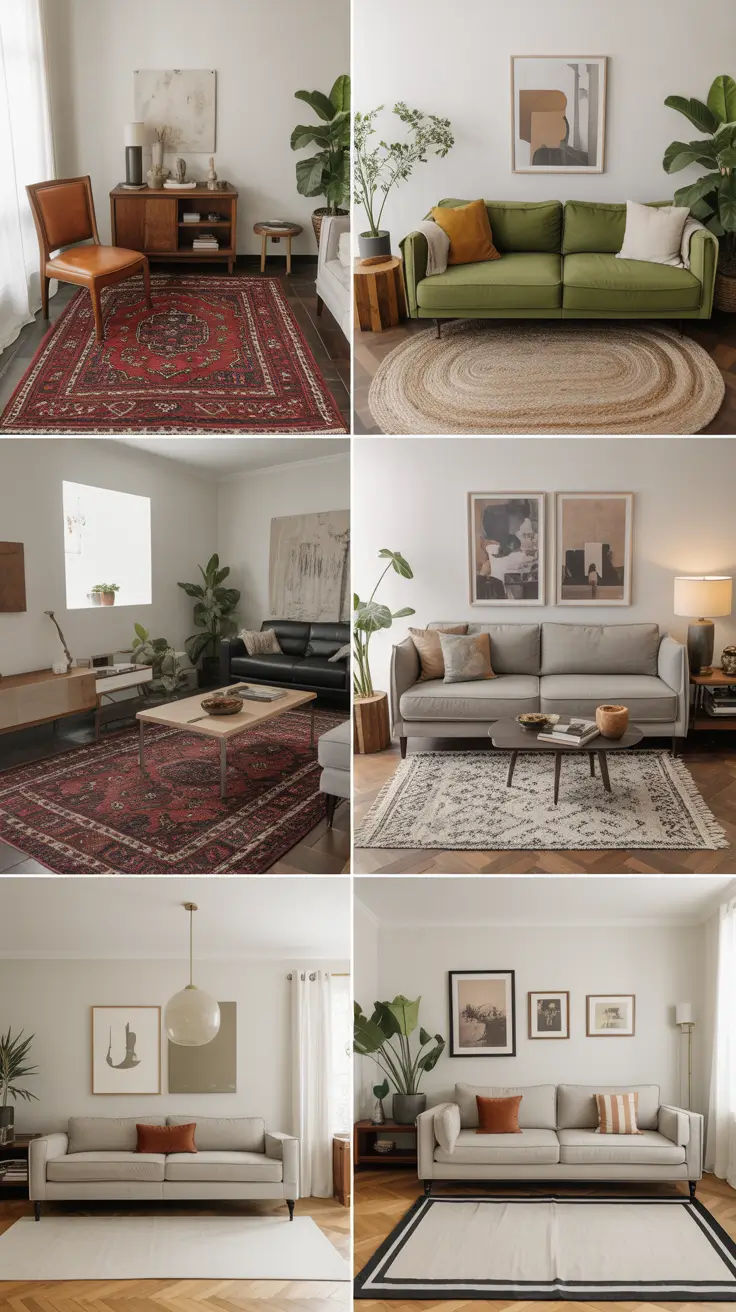
Inventory furniture and select rugs matching mass and color. Brown leather sofas harmonize with blue-gray or olive undertones, while gray sofas prefer warmer ivory tones. Beige sofas contrast well with black rugs and light wood coffee tables. For eclectic homes, micro-checkered or abstract brushstroke rugs add subtle stimulation without overpowering.
Test rug colors in natural and artificial light to account for shifts, especially reds and greens. Rotate rugs seasonally to prevent uneven fading. Incorporate washable secondary rugs near patio doors and use medium-thickness pads in family areas for comfort. Coordinate dining rugs with living room designs for seamless flow. Small mats near laundry entrances extend rug life and maintain circulation.
Funky Rug Ideas to Express Personality
Inject personality with playful rugs that anchor the room’s narrative. In sleek contemporary spaces, use checkered flatweaves under low coffee tables, paired with red Persian or graphic tufted rugs near reading chairs. Bold seating pairs well with rugs that reflect or contrast sofa colors, such as red sofa living room color combos. Black rugs add drama in light rooms with layered lighting. Combine burgundy sofas with kilim motifs and brass accents for warm, tailored looks.
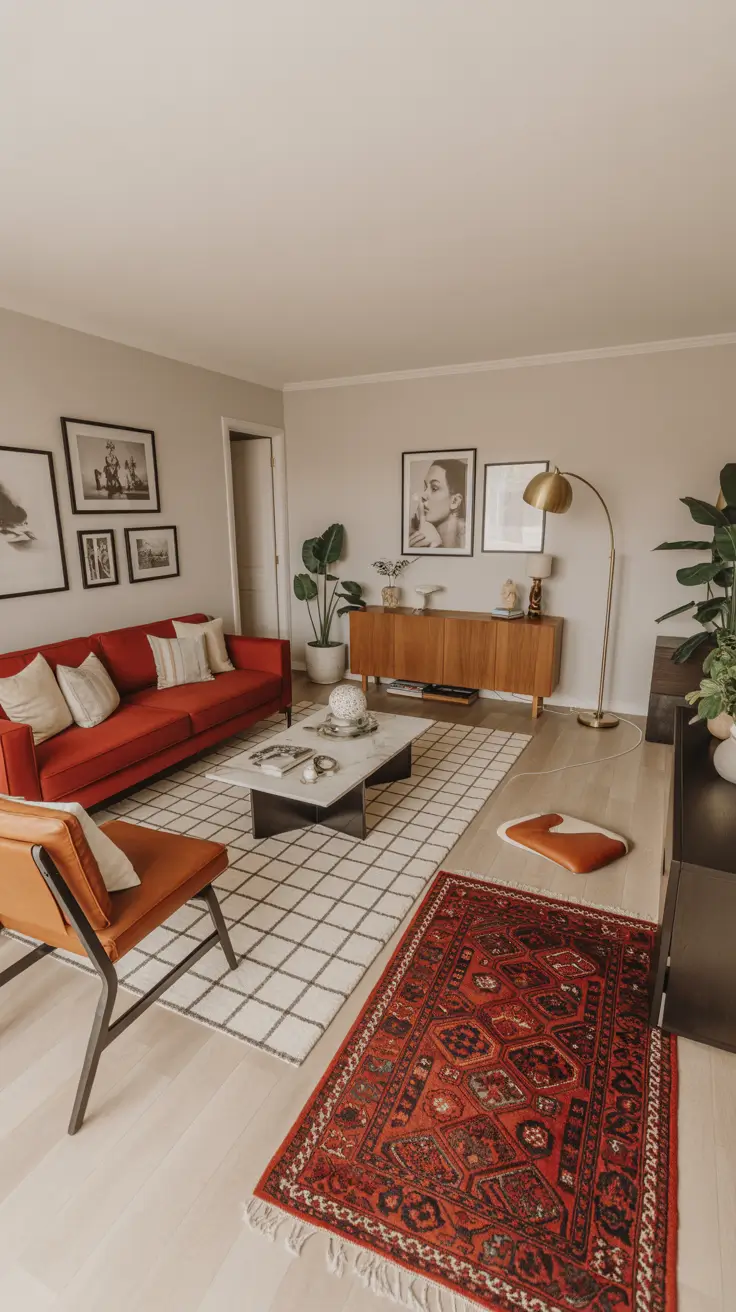
Arrange furniture with tomato red or deep burgundy sofas, camel leather armless chairs, and slender oak consoles. Use large checkered or micro-stripe rugs as main pieces, with smaller accent mats near plants. Brass swing-arm lamps, smoked glass coffee tables, and black-and-white art create rhythm without clashing. Cinnamon and rust pillows complement brown sofas, while teal and paprika accents enliven gray sofas. Beige sofas soften the palette with ribbed throws and boucle ottomans. Clay, blush, and olive rugs suit green sofas organically.
Scale and placement are critical—ensure front feet of seating rest on rugs to enclose areas. Repeat living rug colors in quieter dining rugs to unify spaces without mimicry. Mix patterns by scale, avoiding high piles under swivel chairs for smooth movement and minimal shedding. Washable low-pile rugs help maintain cleanliness in homes with children or outdoor traffic.
Add sculptural floor lamps and unexpected accents like cobalt ceramic stools to echo rug colors. Use off-white linen curtains to soften palettes and allow funky rugs to shine. Mobile plant stands aid cleaning and maintain sharp rug edges. In large rooms, scale rugs accordingly or add additional seating to balance personality throughout.
Layered Rugs for Dimension and Style
Layering rugs adds warmth and depth without major renovations. Start with natural jute or sisal bases to stabilize furniture on slick floors, topped with lighter wool or cotton rugs carrying color and pattern. This approach suits neutral living rooms where subtle tone and texture differences transform spaces from bare to welcoming. Layered rugs also define open-plan living and dining areas. Flatweaves over carpeted floors create sharp seating islands.
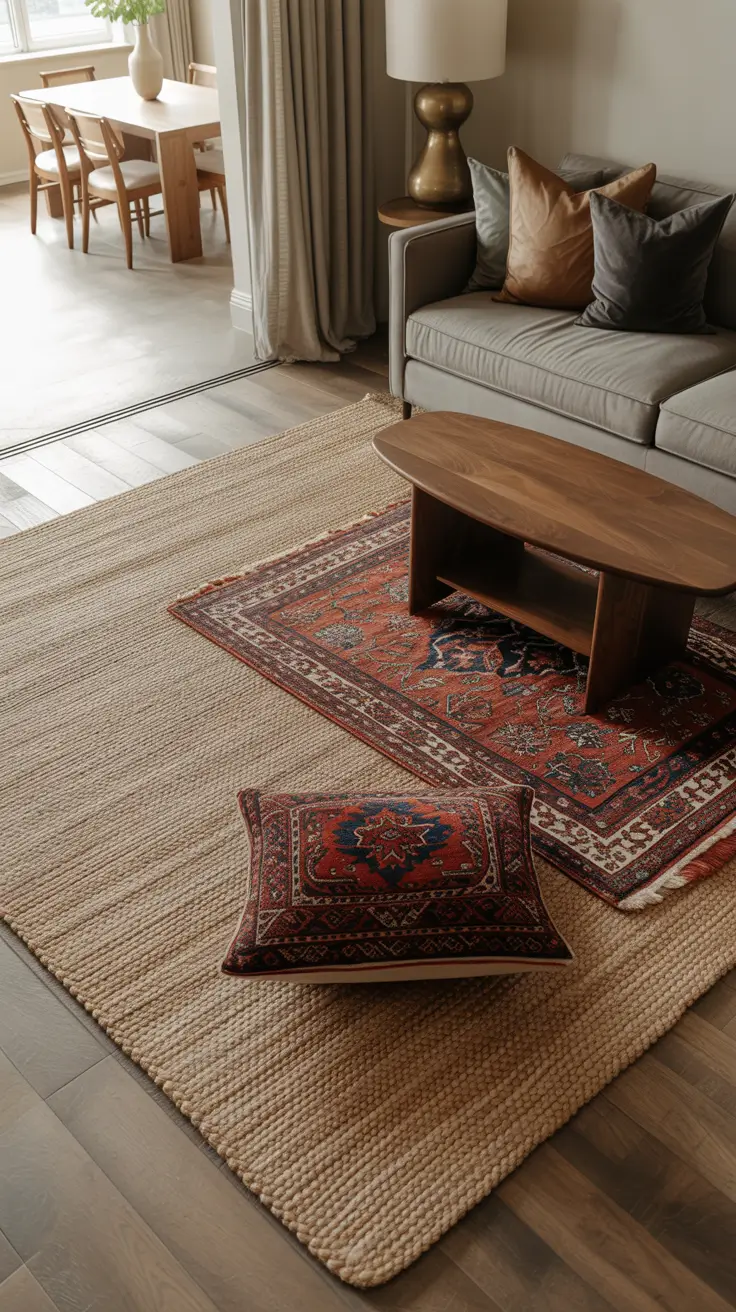
Keep layers clean and balanced: jute bases slightly larger than top rugs create neat borders. Choose top rugs with Persian medallions, modern stripes, or micro-grids aligned with lifestyle preferences. Use blues and terracotta to complement brown sofas, and charcoal and oatmeal for gray sofas. Light sage stripes soothe beige sofa schemes. Complete with pillows, walnut coffee tables, and linen curtains that don’t compete.
Ensure pile height differences don’t create tripping hazards and use grippy pads beneath layers. Repeat a single color in rugs, throws, and artwork for harmony. For pet-friendly homes, low-shed wool blends and flatweaves are practical. Choose patterns that hide crumbs for multi-use spaces. Extend layering concepts to bedrooms for cohesive design. This method suits modern living with family life demands.
Add thin ottoman benches partially covering top rugs for unified surfaces. Test angled small accent mats over main rugs for casual touches. Continue jute bases under dining tables with matching wood chairs and float low consoles to showcase rug frames.
As an Amazon Associate I earn from qualifying purchases.