Sturdy Closet Fashion Wardrobe – how it fits your space
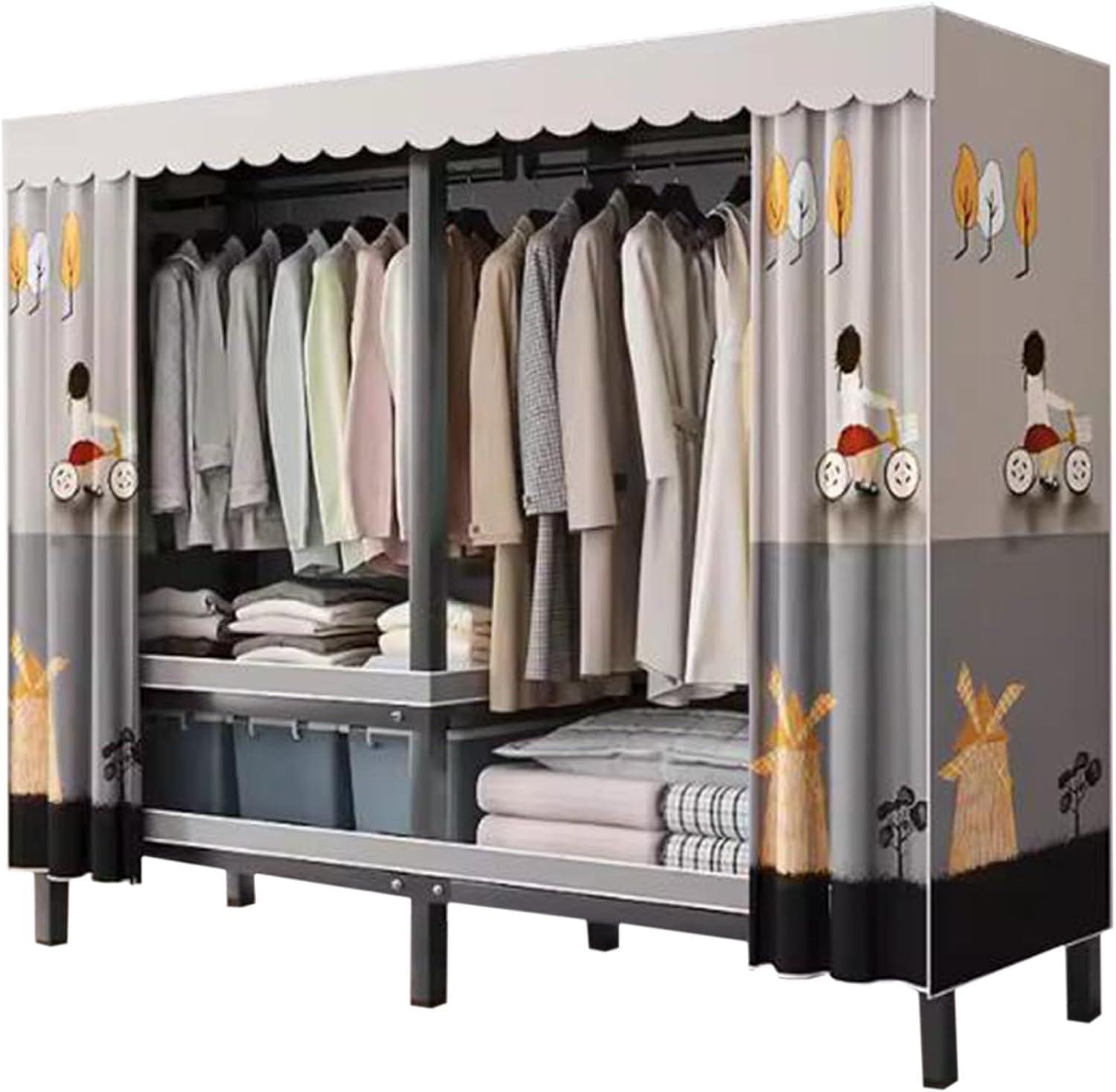
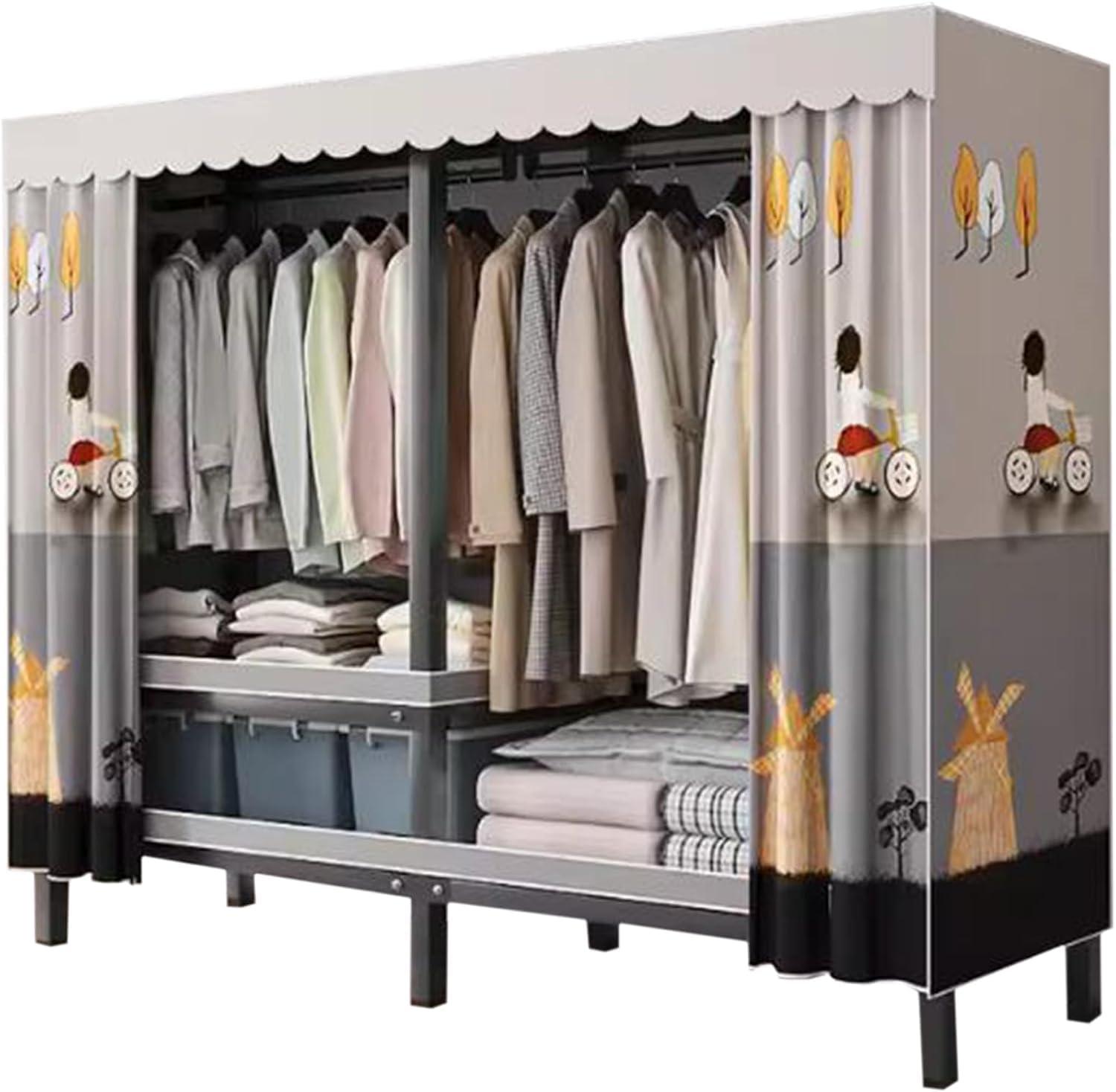
A soft tug on the zip and the fabric peels back, thick and slightly textured under your fingers. You unpack the Sturdy Closet Fashion Wardrobe — the full marketplace title is a mouthful, so you end up calling it the folding wardrobe — and it sits with a surprisingly steady, upright stance. From across the room its dark-grey frame reads visually hefty; the square metal tubes give the piece a clear structural rhythm instead of dissolving into the background. Up close the metal is cool and frosted, and the cover stretches taut enough that the top can hold a folded quilt without looking like it will cave.Open or closed, it feels like a practical, present piece in everyday life rather than something merely temporary.
On first sight and unboxing: what arrives and how it looks to you
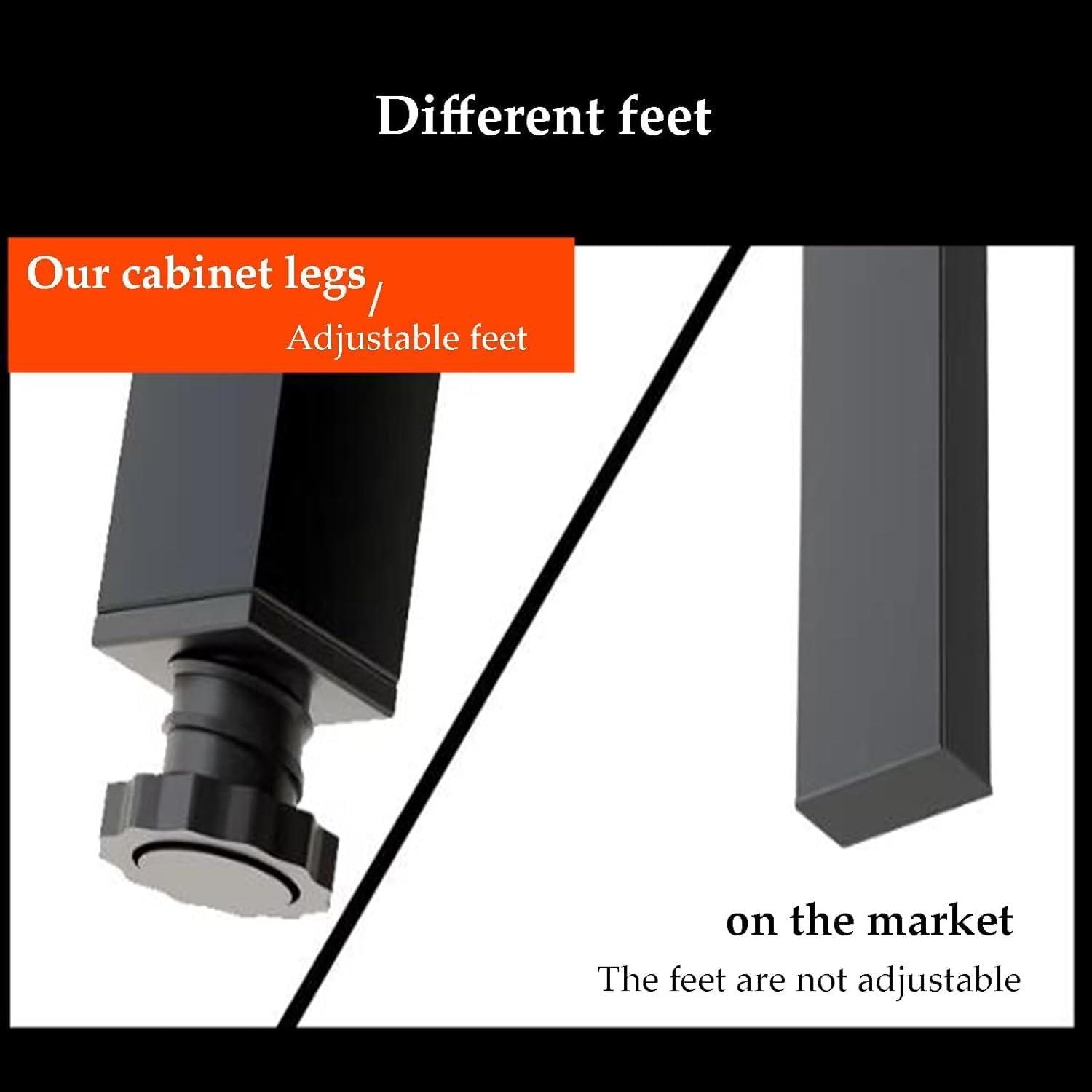
You lift the rectangular box from the door and, before cutting tape, you already get a sense of the scale — it’s long and flat rather than bulky. Once open, the first things you see are a folded metal frame wrapped in thin plastic and a rolled fabric cover tucked beside it. The color you chose is obvious at a glance; the fabric shows its hue through the protective wrap, and the frame’s powder-coated finish reads as a uniform matte tone rather than shiny metal. There’s a faint factory smell when you peel back the plastic, and the fabric has a few compression creases that your fingers naturally smooth out.
Spread out on the floor, the components are easy to identify by touch as well as sight. The frame pieces are already connected into broad sections rather than a pile of loose tubes, and small bags hold plastic connectors, a few fasteners, and a zipper strip.The instruction sheet is a single folded page with diagrams; you flip it open and unconsciously align parts the way those drawings suggest. When you drape the cover over the assembled frame the fit looks snug where the corners meet, and the front zipper sits along its seam with a visible cloth flap behind it. As you tug gently at a seam or adjust a corner, the cover settles and the frame gives a brief, soft click where joints lock — a lived-in moment that leaves small, temporary creases and the urge to smooth them down by hand.
| Item | Quantity | How it looks out of the box |
|---|---|---|
| Folded metal frame | 1 large section | Powder-coated, matte finish; mostly assembled into broad sections |
| Fabric cover | 1 | Rolled, slightly creased from packing; color visible through wrap |
| Accessory bags | 1–2 | Small plastic bags with connectors and fasteners; labeled or plain |
| Instructions | 1 sheet | Folded diagram sheet; basic illustrations and part list |
How it fits into a room: proportions, finish and the visual weight you notice

Seen in a room, the piece reads as a vertical, linear presence rather than a bulky box. The metal frame gives it a straight‑lined silhouette that climbs the wall, while the cloth covering softens those lines so the overall shape settles into the background instead of cutting across the room. Shorter, lower variants sit more like a furniture lane under a window or along a hallway; taller versions approach the ceiling and tend to change how the eye travels up the wall. From a few steps away the depth is modest, but up close the folded fabric, seams and zipper tracks introduce texture that breaks up what would otherwise be a flat plane.
The finish plays a large part in how heavy it appears.Metal components with a frosted surface scatter light and reduce glare, wich can make the structure seem less assertive than a glossed cabinet. Matte fabric covers absorb light and visually shrink the negative space behind hanging garments, so a loaded unit can read as denser than an empty one. Small, habitual interactions—smoothing a sagging panel, tucking a zipper back into place, nudging the unit slightly after brushing past it—also alter the perceived neatness and thus the visual weight over time.In dim lighting the whole assembly tends to feel more substantial; in radiant, even light the frame’s lines and the cover’s color balance out and it recedes more easily into the room.
| Finish / Color | Typical visual effect |
|---|---|
| Dark gray | Reads heavier, anchors a corner or wall |
| light gray / white-gray | Neutral and mid‑weight; blends with pale walls |
| Beige / light brown | Warmer, softer presence that can feel lighter |
| Blue‑purple / green / patterned | Distracts from mass through color or pattern, breaking up a monolithic look |
Materials and construction you can feel: fabric, frame joints and airflow through the cover
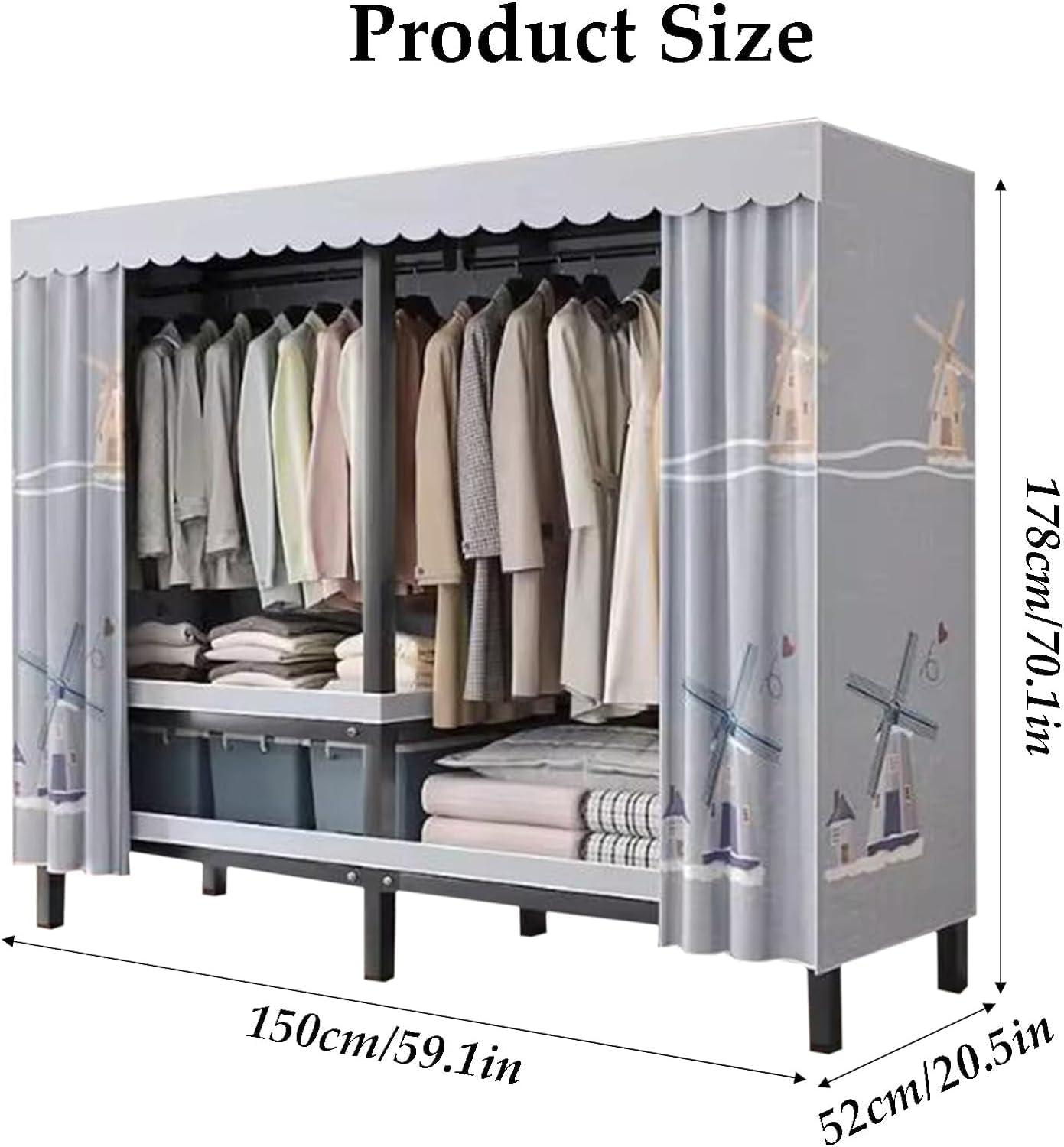
When you run your hand over the cover, the fabric feels noticeably thick and a little coarse — not smooth like a wardrobe curtain, but with enough body that it holds shape when you pinch or fold it. Undoing the zipper and rolling the front panel up reveals soft, layered folds; the material gathers with a faint rustle and sits against the frame rather than draping limp. You’ll find yourself smoothing seams or tugging excess fabric into place from time to time, and pressing gently on the top surface shows how the cloth yields before the underlying frame takes the load.
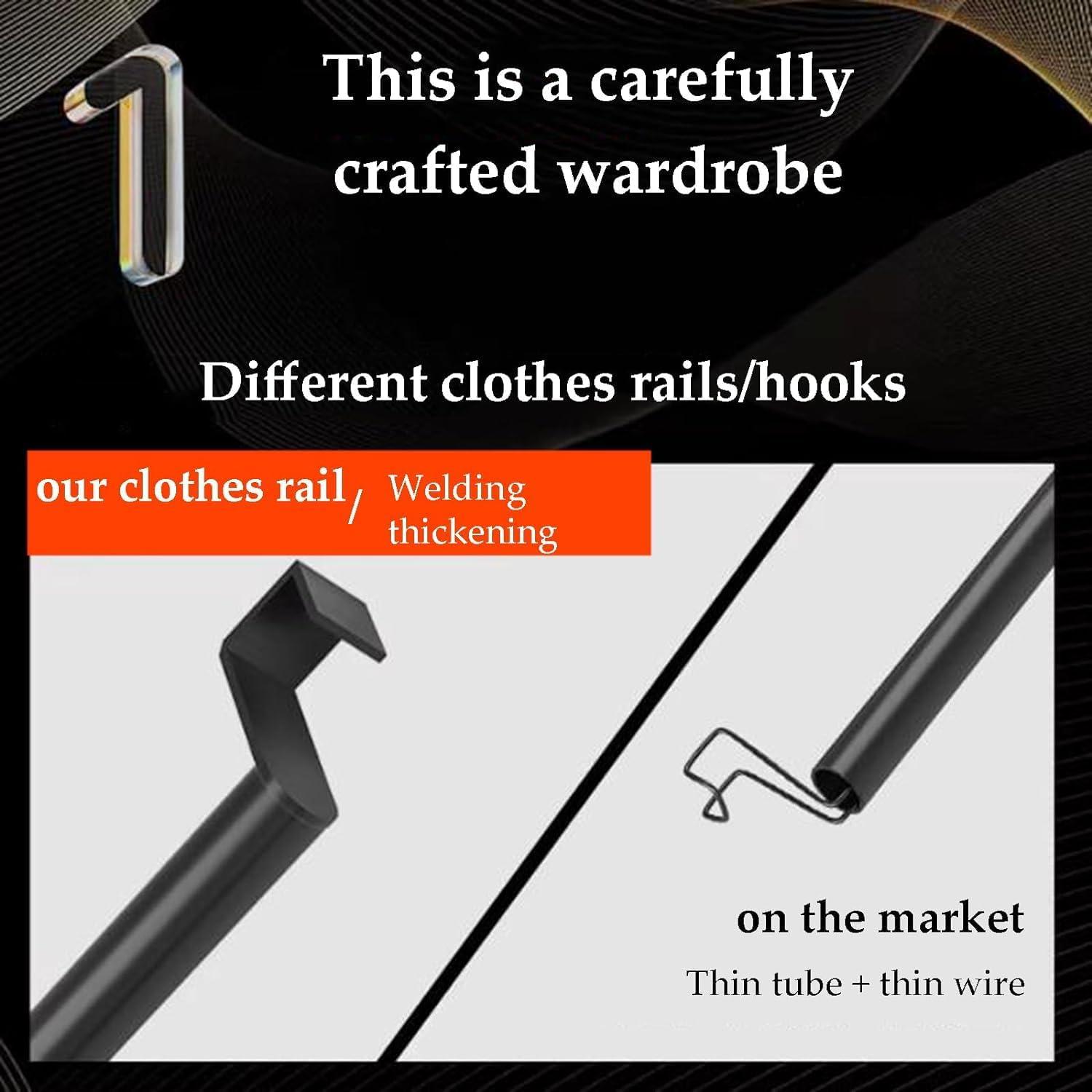
At the frame joints your fingers pick up a different set of sensations: metal tubes meeting with a compact, mechanical click, occasional slight play where pieces seat together, and the cooler, harder feel of powder-coated steel under the fabric. Folding or unfolding the unit makes these connections announce themselves — a small snap as a pin slides home, a brief resistance as two tubes align — and you may adjust parts with a little nudging until they settle. moving the wardrobe a short distance lets you notice where connections are tighter or where a loose joint allows a whisper of movement.
Air moves through the cover in ways you notice only with use. With the front zipped closed the interior feels more still and the fabric gives mild ventilation through its weave and any tiny gaps at seams; clothes sit in a quieter,less drafty pocket. Open the front or roll the panel up and the flow changes immediatly — a brisk exchange of air that eases any dampness and lets the garments relax into a less compact stack. Placing bulky items against the cover or packing shelves tightly reduces that exchange; leaving the door ajar or rolled up briefly alters the smell and temperature inside.
| Part | How it feels in use |
|---|---|
| Cover fabric | Thick, slightly textured, gathers into layered folds when rolled |
| Zipper & flap | Plastic/metal glide with a soft rustle; flap cushions the closure |
| Frame joints | Cool, hard metal; clicks and small play as tubes seat together |
| Airflow | Limited when zipped, noticeably freer when panels are opened or rolled up |
Installation free handling and daily use: how you set it up, move it and reach your garments
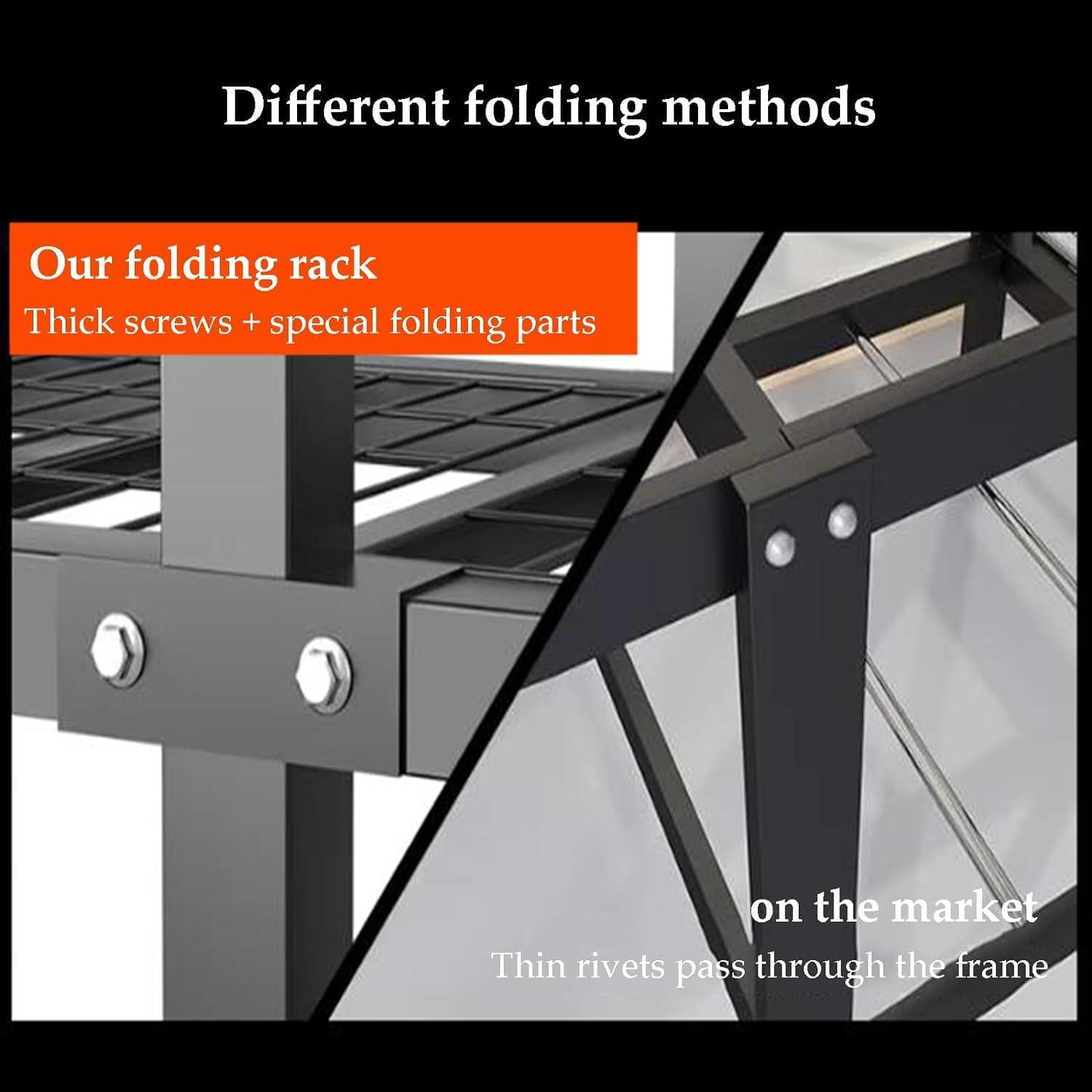
You unpack the boxed pieces and work with a handful of metal tubes that slot together. The sections nest and slide into place with a series of audible clicks; as you line up each square tube you push until it seats, then pull the fabric sleeve over the assembled frame and close the front zipper. The fabric tends to ride slightly as you pull it down, so you smooth seams and zips with your hands as the cover settles. Putting folded items on the top surface often involves a brief readjustment of the cover so the front stays taut.
Moving the unit around the room is a two‑person action if you carry it boxed, and often a one‑person tilt-and-lift when assembled. There are no built-in casters; you grip the upper crossbar, tip the wardrobe slightly and shuffle it a short distance. On hard floors the base can scrape or slide; on carpet it grabs more and requires a firmer lift. When you reach for clothing, the main hanging rail falls roughly at arm height for a standing adult and is easy to access without bending. Items stored on the top shelf require you to raise your hand or step up on a low stool, while the lower pockets and bins sit within easy reach as you bend slightly forward. Small adjustments—smoothing the fabric, nudging a pole back into its socket after loading heavier items—become part of the routine as you use it day to day.
| Task | Typical action you take |
|---|---|
| Initial setup | Slot tubes together, pull cover over frame, zip and smooth fabric |
| Relocating in the room | Tilt by the top bar and lift; short shuffles rather than rolling |
| Accessing garments | Reach the hanging rail while standing; step up for top shelf items |
A week with it in your routine: where your shirts, dresses and extras live day to day
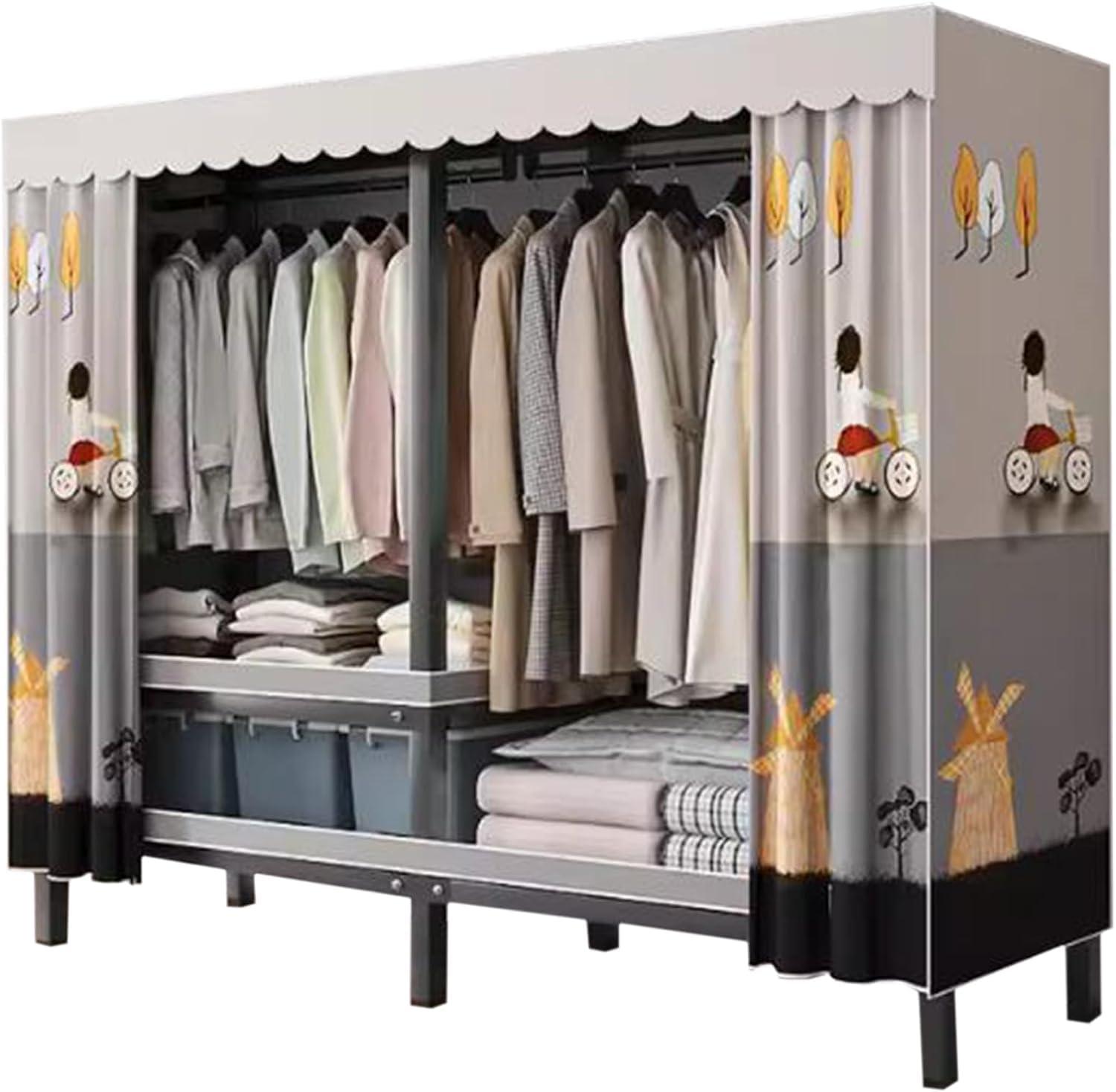
Across a seven‑day stretch you interact with this closet in small, repeatable ways.Mornings usually start with you sliding the fabric cover open and plucking a shirt from the front of the top rail; the remaining shirts shift a hair along their hangers and the cover settles back when you let go. dresses hang a little more to the side or on the longer rail, and when you lift one out they swing and brush the inside of the cover for a moment. Midweek you may fold a heavy sweater onto the top panel or a shelf; those folded piles compress slightly over a few days and you find yourself smoothing them before pulling something out.
Extras live in the corners of that routine.Scarves and belts are most often kept in small baskets on the lower shelf or draped over a rail, where they shift when you reach past them; a suitcase or spare blanket placed on the very top nudges items beneath and can make the hanging row move a little when it’s lifted. Zipping and unzipping the cover becomes part of the motion—your hand goes for the zipper, the cloth exhales, and the contents momentarily rearrange themselves. In most cases you’ll notice items settle and need a rapid resettle after a couple of days’ use, and heavier pieces tend to push lighter ones toward the front of the rails.
| Item | Where it usually lives day to day |
|---|---|
| Shirts | Top hanging rail, front-facing for easy reach |
| Dresses | Longer rail or side of the hanging area, swing slightly when removed |
| Extras (scarves, belts, small bags) | Lower shelf or small baskets; shift when accessing nearby items |
Where it lines up with your expectations and where it runs into limits in everyday life

In everyday use, the piece often behaves much as expected: hanging garments sit with reasonable separation, folded stacks on the upper surface keep their shape, and the fabric cover opens and closes without much fuss.Routine interactions — sliding a sleeve across a hanger, zipping the cover, shifting a suitcase onto the top — tend to feel straightforward, and the frame rarely needs steadying during normal loading. Small,unconscious adjustments happen: a crease smoothed here,a zipper nudged back on track,a shelf nudged into alignment after moving a heavy box.
That said,everyday life exposes a few practical limits. When weight is concentrated to one side or items are shifted quickly, the structure can register a slight flex and a perceptible lean; on uneven floors that tendency is more noticeable.The fabric cover can collect lint and shows creasing where it folds, and repeated packing or moving makes those folds more permanent over time. accessing items pushed toward the rear requires rebalancing front items,and connections that feel firm at first can loosen subtly after frequent folding and transport. These behaviors are common patterns rather than sudden failures, and they tend to appear with routine wear and rearranging.
View full specifications,sizes and color options
Care and small adjustments you can make as your wardrobe and seasons change
As the seasons turn and the mix of garments in your closet changes, small, habitual adjustments keep the unit functioning smoothly. When you swap bulky coats for lighter shirts you’ll likely find the fabric cover wrinkled or the zipper a bit sticky; smoothing the cover by hand and running the zipper up and down a few times usually settles things.If you shift heavy items onto the top shelf for short-term storage, the whole piece can feel slightly off-kilter — nudging it back into position or redistributing weight toward the lower bars often restores a steadier stance.
You’ll notice dust collecting where clothes don’t reach and small creases where items rub against one another. A quick pass with a soft cloth or a handheld vacuum around the bars and seams removes dust and keeps odors from setting in when garments are stored for months. During humid spells you may want to unzip and let the interior air out for an hour or two; in drier seasons, compressing folded sweaters into a single shelf spot tends to keep them from slumping. Pay attention to the connections where the frame pieces meet — after moving the unit or rearranging a lot of items, those joints can feel a little loose and simply pressing them back together with your palms or re-seating a panel will usually improve the fit.
| Season | Small adjustments to try |
|---|---|
| Spring | Air out the interior, rotate hangers from heavy to light, smooth the cover |
| Summer | Reduce stacked weight on top shelves, wipe down bars, unzip for ventilation |
| Fall | Reinforce top shelf supports before adding coats, check zipper tracks |
| Winter | Evenly distribute heavier garments, push frame feet into place if it leans |
Over time you may develop small habits — smoothing fabric lids after putting things away, nudging the frame when it leans, or re-hanging items to reduce creasing. these low-effort moves tend to keep the unit behaving as was to be expected without major intervention.
How It Lives in the Space
Over time you notice how it settles into the room’s rhythms — the way you reach for a shirt in the morning, the quiet glide of things being moved, the small pauses that mark routine use. The Sturdy Closet Fashion Wardrobe Home Folding Clothes Floor Standing Wardrobe Clothing Rack Installation-Free Closet Armoires takes on the little marks of everyday life, softening at the edges and collecting the minor scuffs that come with regular household rhythms. As the room is used it finds a steady place in your circulation, offering simple comfort in the act of dressing and storing without demanding attention. It stays.
As an Amazon Associate I earn from qualifying purchases.