Cloud Coffee Table: how it fits your small living space
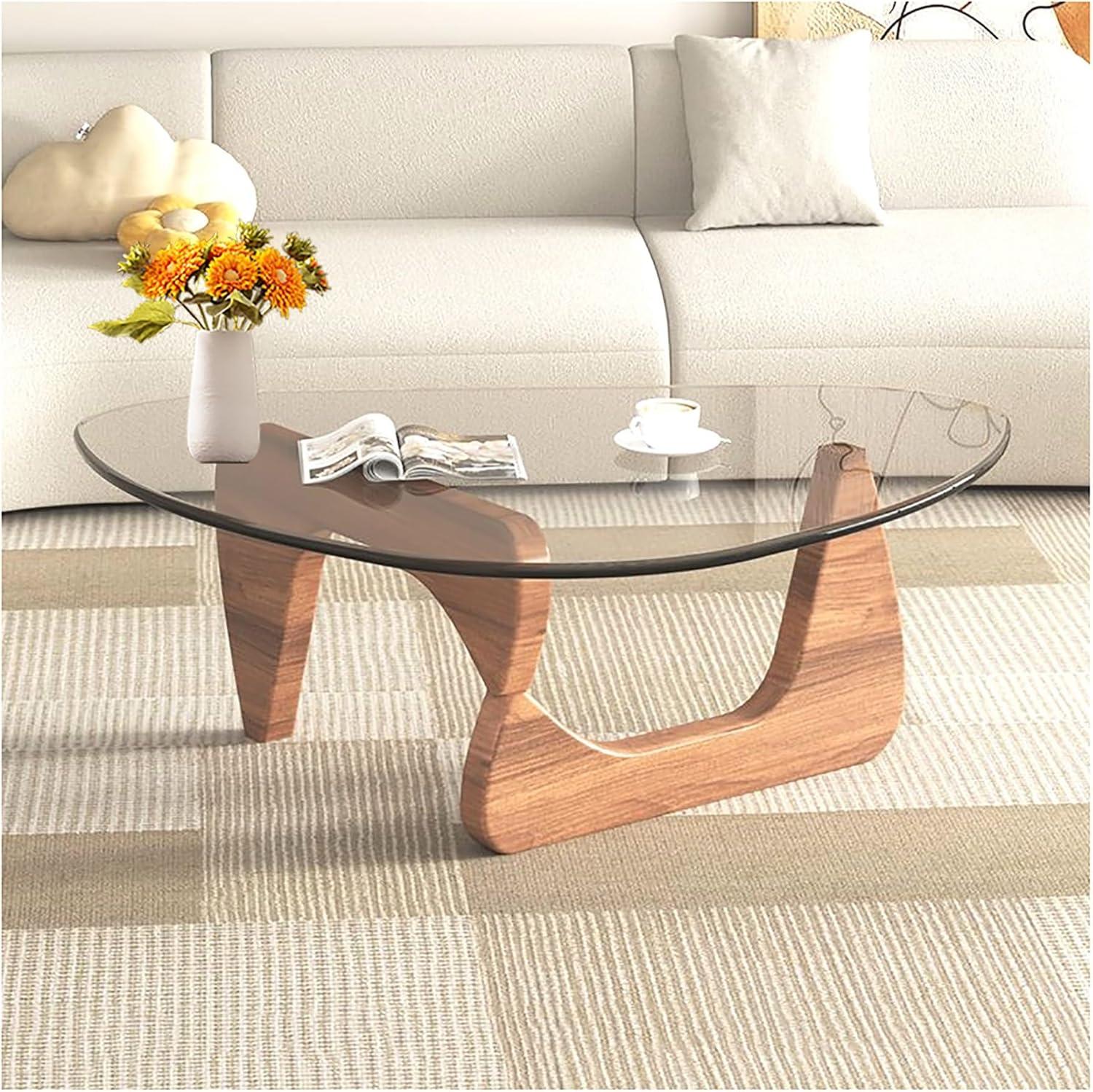
You notice how morning light pools along the tabletop,the irregular water‑drop silhouette catching reflections like a shallow puddle.The Cloud coffee table’s tempered glass feels cool and solid when you rest a hand on it, its buffed, rounded edges offering a soft, safe finish rather than a sharp bite. From a short distance the top reads almost weightless, but the chunky, three‑centimetre wooden legs give it a steady, grounded presence that changes the room’s balance. Up close, the surface shows faint, everyday smudges and the slight give of tempered glass—small, honest details that make it feel used and at home.
What catches your eye first in the brown cloudlike tempered glass coffee table
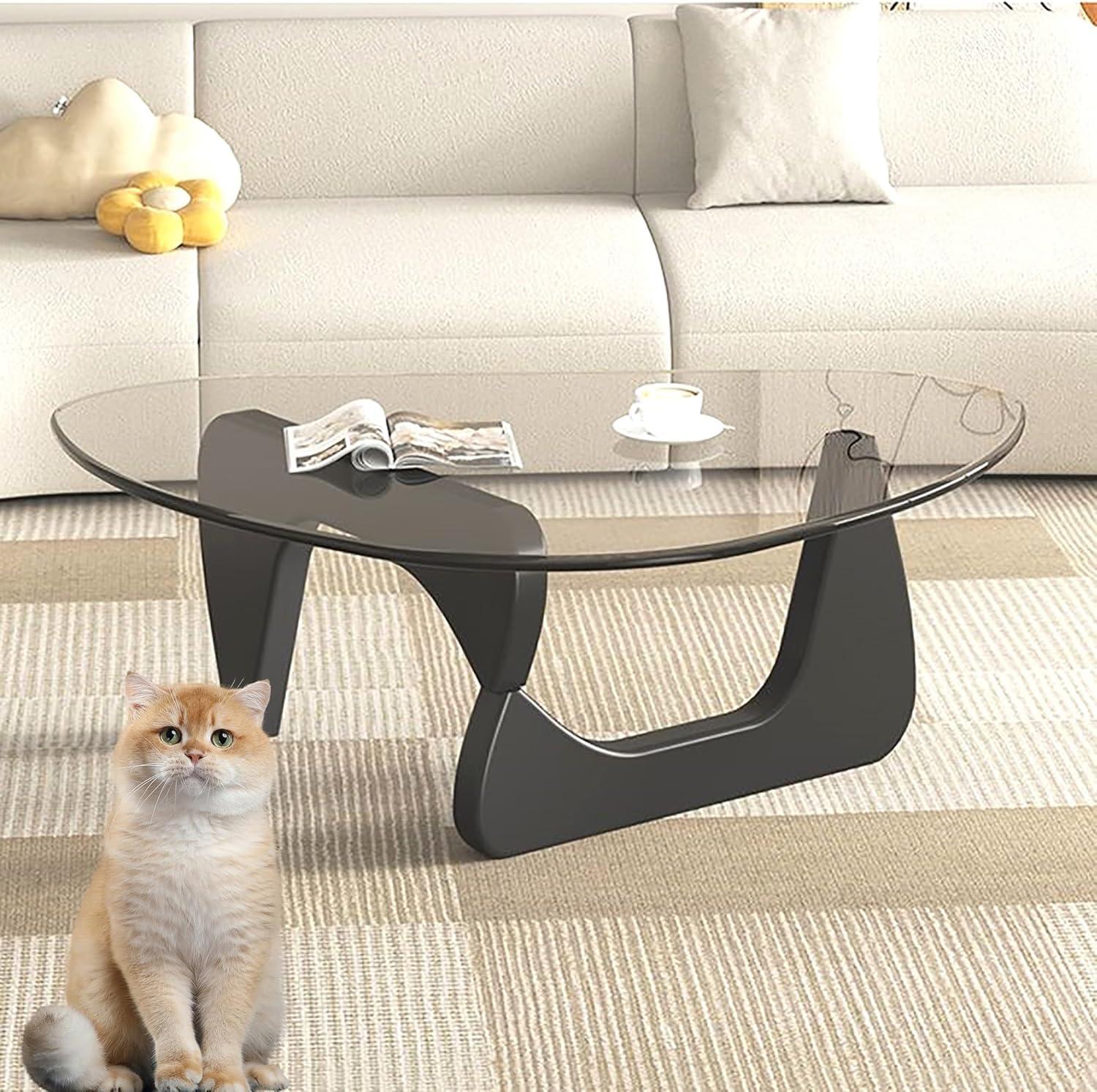
You first notice the soft, irregular outline more than anything else — that gentle, water-drop contour pulls your eye along its edge instead of to a single focal point. The brown tint in the glass gives the shape a warm veil; depending on the light it can read as a deep amber glow or a muted, almost translucent shadow. As you shift your position, reflections slide across the surface and the contour seems to breathe, making the table feel both light and deliberately shaped.
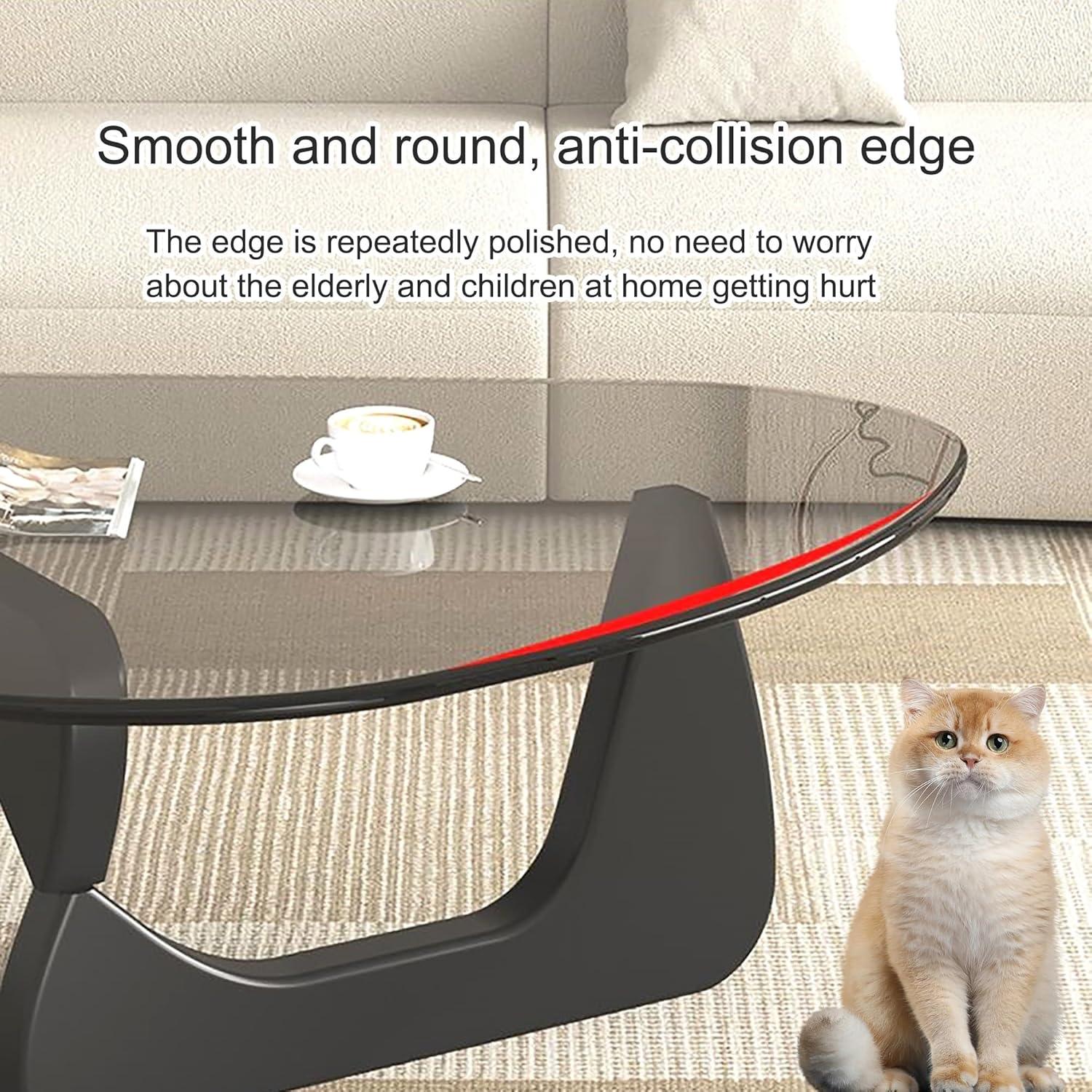
The polished rim and the way the glass catches ambient light also draw attention. From closer up you can see the glass edge as a thin, glossy line; from a distance it becomes a smooth silhouette against the floor. Fingerprints and small dust specks tend to show on that sheen, so the surface’s clarity becomes part of what you notice during everyday use. Meanwhile, the contrast between the glossy top and the matte solidity beneath anchors your gaze — the top wants to float, the base reminds you of its presence.
| visual element | What you notice first |
|---|---|
| Irregular outline | Your eye follows the cloudlike curve rather than a centered point |
| Brown-tinted glass | Warmth in changing light; shifts from amber to a soft shadow |
| Polished edge and surface | Glossy reflections and visible marks that move with use |
How the irregular water drops silhouette and offbeat curves shape your room’s feel
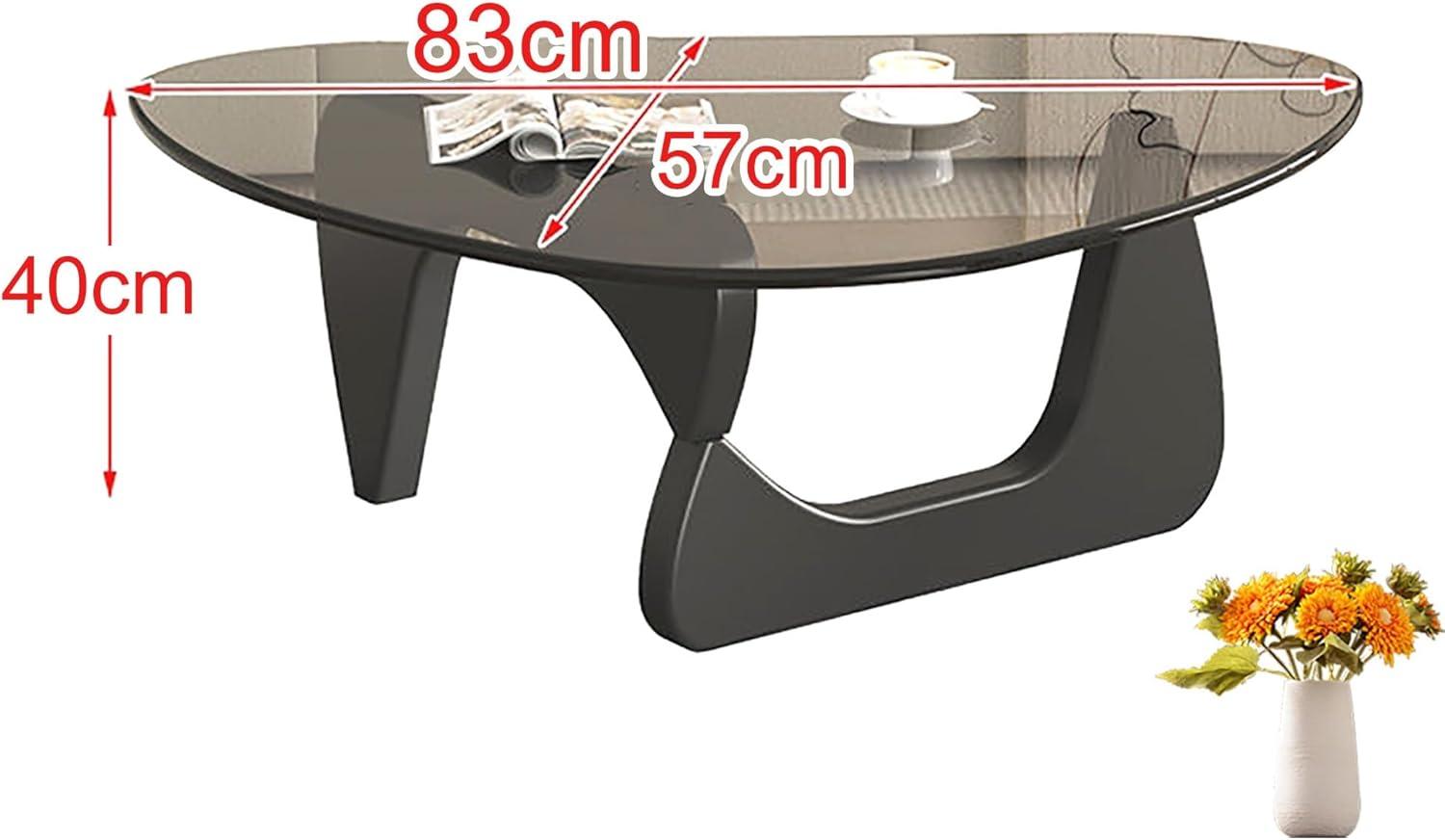
The irregular water‑drop silhouette reads like an interrupting shape in a room built of right angles. As you move around it, the eye follows the offbeat curves rather than marching along straight lines; reflections shift across the surface, producing brief flashes and shadowed hollows that change with daylight and lamp light. From one angle the table sits almost like a soft punctuation between sofa and armchair, from another it opens up a narrow corridor where furniture lines once met. That shifting presence quietly reorients sightlines and circulation without calling attention to itself.
In everyday use this form prompts small, unplanned habits: you might nudge a cushion to make room against the rounded edge, slide a magazine into a crescent gap, or set a mug where a curve feels steady. Simultaneously occurring the lack of straight edges means rectangular items don’t always sit flush, so trays and stacks land a little askew unless you settle them by feel. These behaviors tend to make interactions with the table more situational — moments of smoothing fabric, angling a coaster, noticing how light pools along a rim — rather than strictly regimented placement.for some households the result can feel more relaxed and flowing; in other moments it simply introduces a different kind of spatial logic into the room.
What the tempered glass top, supporting frame and finish reveal to you about its materials
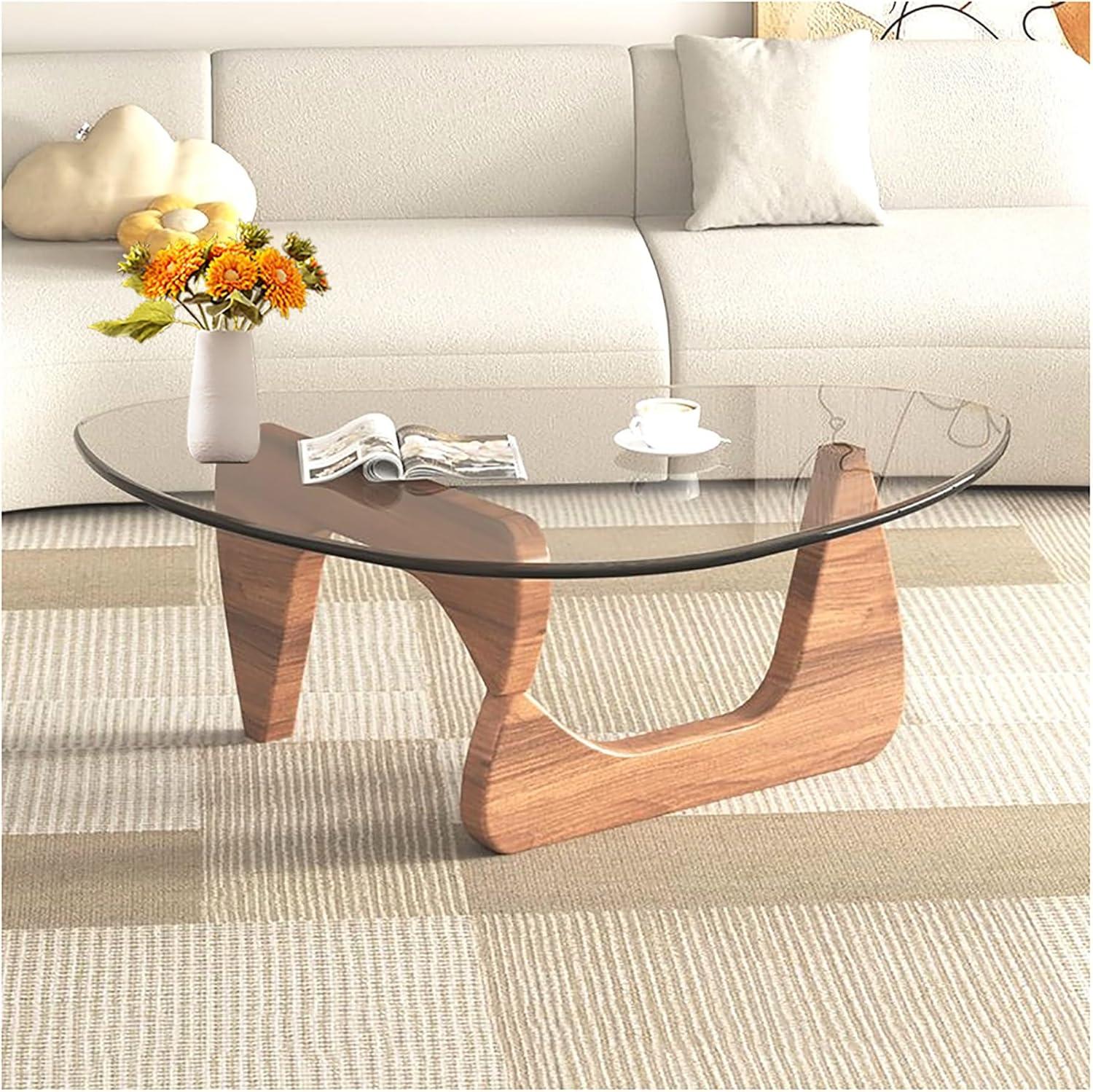
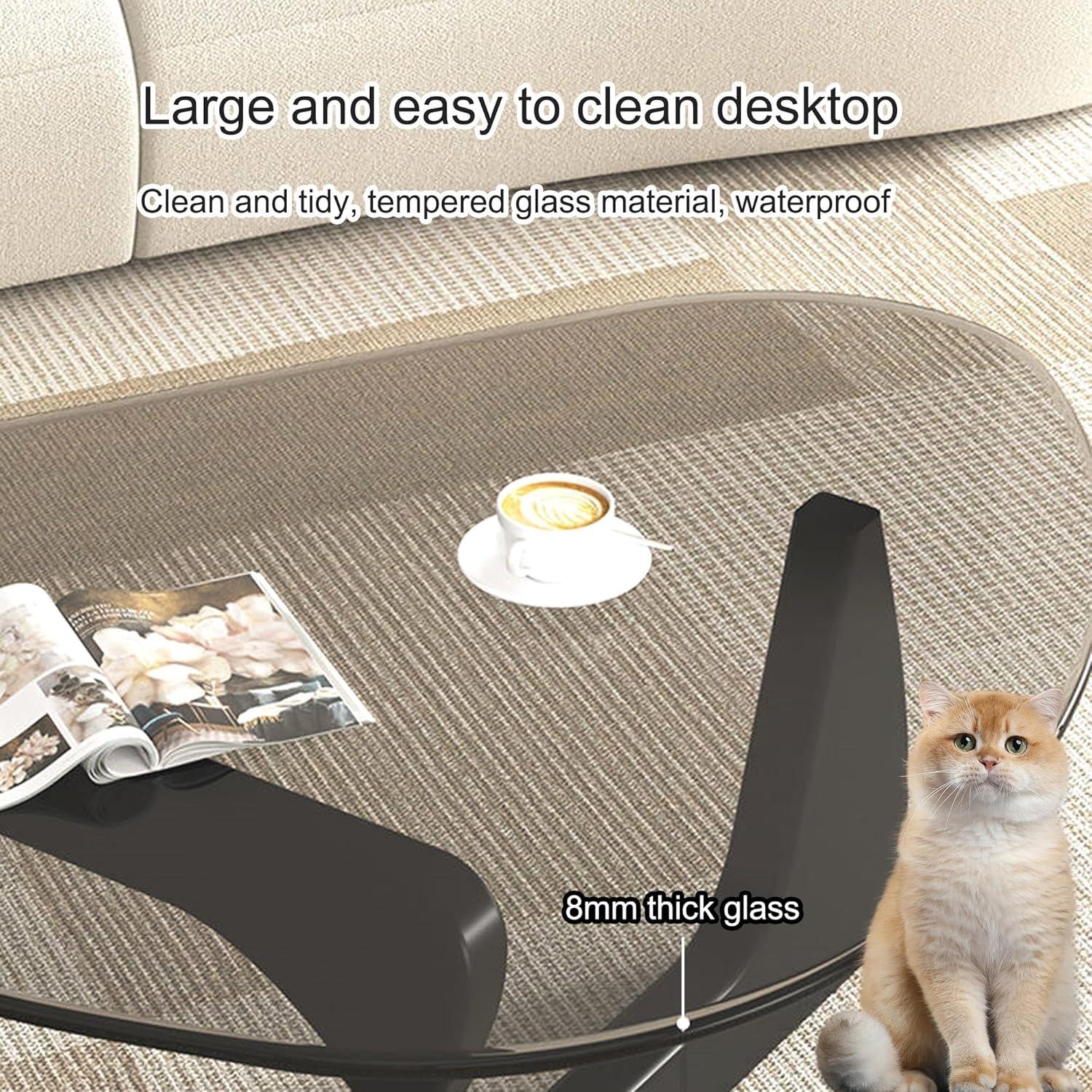
You’ll notice the tempered glass first by how it interacts with light and touch. In luminous rooms it throws a soft, shallow reflection rather than a sharp mirror; under low light it reads more translucent, letting the shape show without appearing heavy. Run a fingertip along the edge and the polishing is evident — the curve has a blunt, cozy feel more than a razor-sharp one, and a quick tap produces a muted, solid tone that suggests the surface is rigid rather than hollow. Smudges and circular marks from cups are easy to spot in certain angles of light, and you’ll find yourself brushing them away in passing rather than inspecting the top closely to find the flaw.
the supporting frame and finish tell a different, more tactile story when you move or settle items on the table. The legs and crosspieces register as pleasantly substantial under gentle pressure; the joinery tends to feel tight, with little play at normal leaning or nudging, and the wood grain shows through the stain so you can see where the surface received extra brushing or sanding during manufacture. The finish has a low to medium sheen that masks tiny abrasions at arm’s reach but makes dust and water marks visible from certain angles. When you shift the table slightly across a floor, the base can give a soft scrape rather than a high, brittle sound — an indication of density and a finish that’s not glass-smooth.
| What you observe | What it suggests about materials |
|---|---|
| Muted, solid tap on the glass | Tempered, rigid construction rather than a thin, flexible sheet |
| Rounded, polished edges | Intentional edge finishing for safety and wear resistance |
| Visible wood grain through the stain | Real or veneered wood with a finish that preserves texture |
| Sheen that hides minor scratches but shows dust | A satin or semi-matte topcoat that balances concealment and visibility |
How its unusual footprint and proportions occupy your balcony or living room corner
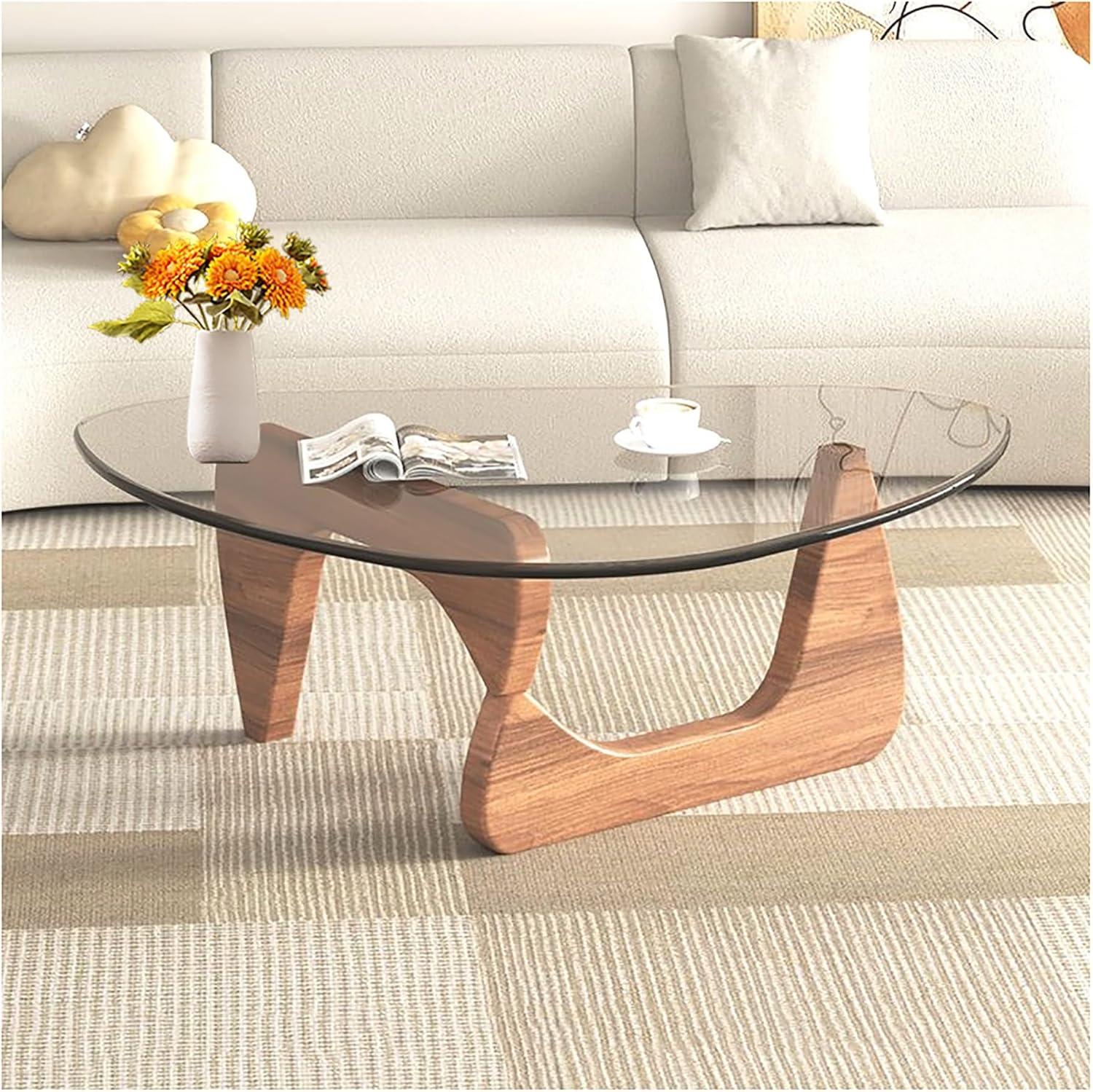
The table’s irregular,water-drop outline interrupts the straight lines of a balcony railing or a sofa corner in a way that’s instantly noticeable. One lobe tends to extend farther into open space while the opposite side hugs the edge, so the piece rarely reads as a uniform block; it creates pockets of cleared floor and small, oddly shaped negative spaces that catch a stray magazine or the end of a throw blanket.As the edges are rounded and the silhouette is soft, the object reads visually lighter than a rectangular surface of similar footprint, yet it still projects unevenly into pathways — people walking past will frequently enough skirt around the wider curve rather than pass straight by.
In everyday use the proportions shape routine movements: cushions get nudged when the wider end sits close to a sofa, and small items sometimes disappear into the shallower recess behind the narrower tip. Rotating or nudging the table even slightly changes how much of a doorway or balcony threshold it blocks, so placement often evolves after a few days of living with it. In most cases that shifting of position is subtle, and the irregular footprint tends to create a layered, staggered feeling in a corner rather than a single, predictable edge. View full specifications and size options
Everyday uses you might put it to in your space: tea, plants, a laptop and casual staging
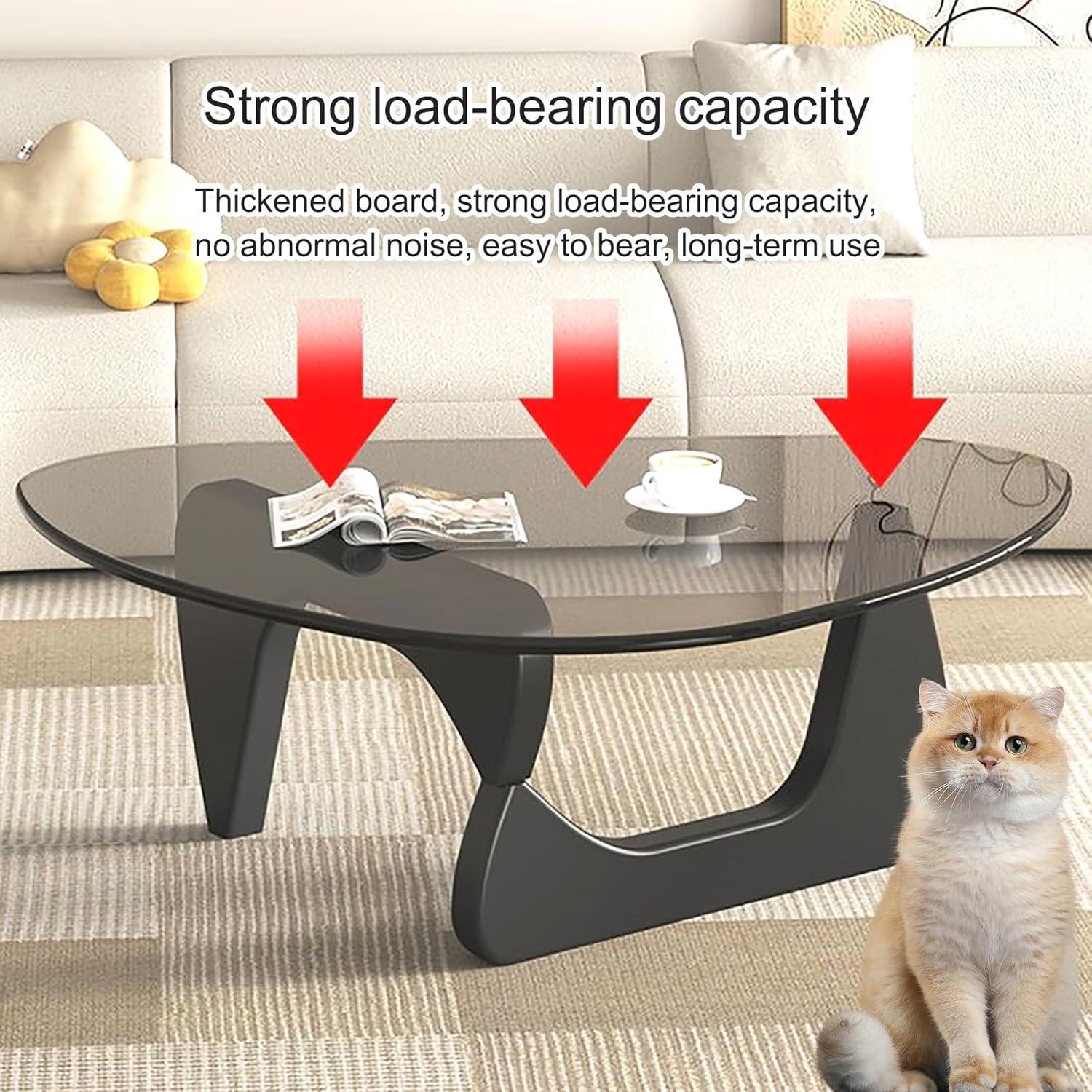
When you set a cup of tea down, it lands on a wide, smooth surface that makes the act of stirring or resting a saucer feel casual — sometimes so casual that you absentmindedly nudge the cup to make room for the remote. Steam and a cooling mug introduce brief, lived moments: you often reach for whatever coaster is at hand rather than thinking about the tabletop itself. A light ring or a quick wipe can interrupt the calm; fingerprints and water spots show up more visibly than dust, and that tends to shape how often the surface is cleared.
Placing a cluster of small potted plants changes the table into a low, shifting vignette. Leaves hang over the edge and the occasional drip from watering creates small, momentary smears that usually get wiped by the next pass through the room. A laptop fits comfortably for short bursts of work — resting on it feels stable and steady — though bright window light can introduce reflections that make the screen more readable at certain angles than others. For casual staging, the table becomes a hub of transient objects: a folded magazine, a phone, a candle; these items slide into place and are moved again without fuss, so the surface often reads as lived-in rather than pristine.
| Common item | Observed behavior |
|---|---|
| Tea/coffee | Easy to set down; rings and steam leave visible marks that are usually wiped soon after |
| Potted plants | Creates a casual cluster; occasional water marks from watering |
| Laptop | Stable for short use; reflections depend on light angle |
| Casual staging (magazines, remotes) | Becomes a rotating, everyday display of small items that are frequently moved |
How the table measures up for your space: suitability, expectations versus everyday limitations
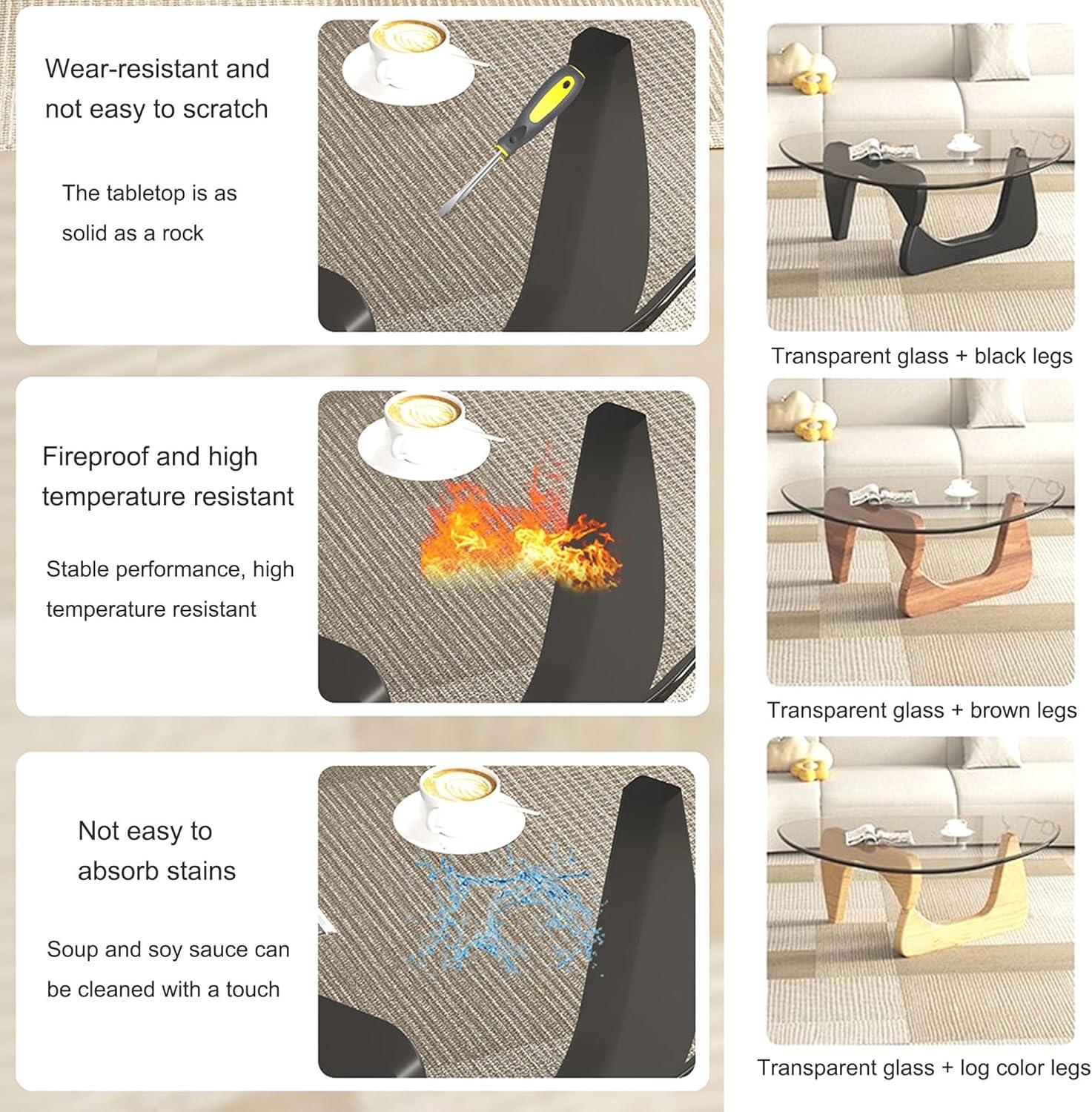
Measured against everyday use, the piece tends to deliver on compactness while trading off usable flat surface. The irregular, water‑drop top creates pockets of clear tabletop and shallow edges where cups and a phone sit comfortably, and other spots where larger plates or a laptop need conscious placement. The polished, rounded rim reads as gentle to the hand and removes the snagging moment that straight corners produce, but the asymmetry means alignment with a straight‑back sofa or a narrow balcony rail can leave awkward gaps rather than a flush fit.
The combination of a heavy glass top and a broad wooden base generally gives a steady presence on level flooring; in many homes the table feels anchored rather than skittish. On uneven floors or thin rugs, a slight rocking can appear when weight is concentrated at one end, and moving the piece by hand often reveals more mass than visual cues suggest. Surface behavior is equally mixed: the tempered glass wipes clean easily yet shows fingerprints and streaks quickly, and placing very hot items directly on the glass can leave transient marks or heat‑related stress — an effect noticed in routine use rather than as immediate failure.
| Expectation | Everyday reality |
|---|---|
| Compact footprint fits into tight seating arrangements | Often fits, though the irregular outline can create awkward spacing next to straight furniture |
| Stable surface for drinks and small items | Generally stable on level floors; concentrated weight at an edge can produce slight wobble |
| Low‑maintenance tempered glass | Easy to wipe clean but prone to visible fingerprints and streaks in daily use |
Daily rhythms around the table tend to reveal small habits: items are nudged toward the center to avoid overhang, surfaces are quickly wiped after fingerprints show, and the table is usually left in place rather than shifted often because of its heft. These behaviors align with the table’s design language and practical limits more than with idealized, showroom expectations.
View full specifications and available options
Unboxing, assembly and the way the brown tempered glass catches your light over time
when the box arrives you’ll notice the packaging does most of the work for you: dense foam and a protective film around the tabletop, smaller bags for screws and an instruction sheet tucked to one side. Unwrapping is straightforward — the glass is heavy enough that you instinctively steady it as you lift,and the base pieces are laid out so you can line things up without hunting for parts. The hardware is simple and mostly ready to hand; you’ll find a hex key in the bag, and the felt pads or bumpers are separate so you can stick them on after the table is upright. As you unpack, you’ll probably smooth away the factory fingerprints on the film and set the sheets aside so they don’t smear the surface during assembly.
| Box contents | Typical condition on arrival |
|---|---|
| Tempered glass top | Wrapped in foam and film |
| Base components and legs | Stacked, pre-drilled where needed |
| Small hardware pack | Screws, washers, hex key in a sealed bag |
| Instruction sheet | Folded, illustrated steps |
The assembly itself tends to be a brief, hands-on task: align, hand-thread the fasteners, then tighten incrementally so the pieces draw together evenly. You’ll find yourself nudging the legs or base to get the table sitting level and pressing a felt pad into place to protect the floor. Once the top is set, you’ll likely pause to wipe away smudges and fingerprints where your hands rested during the lift; this is also when you notice how the edges catch the light differently depending on the angle you approach from.
over the first days and weeks the brown glass changes its visual role in the room as light shifts. Morning sun tends to warm the tint and bring out amber highlights, while cooler midday light makes reflections crisper and more mirror-like. At glancing angles small dust motes and streaks become more visible, and you’ll find yourself smoothing the surface out of habit after someone moves a cup or leans on the edge.the irregular,water-drop silhouette means highlights slide across the tabletop when you walk past; what reads as a soft glow from one spot can break into a sharper gleam an hour later. With routine cleaning the surface keeps those layered reflections, though fine wiping marks and occasional micro-sheen from frequent polishing can alter how evenly the light plays across it — a subtle, everyday evolution rather than an abrupt change.
Its Place in Everyday Living
You notice, after a few weeks, how the Cloud coffee table, Modern Tea Table, cute Tempered Glass End Table, Modern irregular Water drops shape Coffee Table, funky coffee Table for Balcony, Irregular Indoor Tea Table for Living Room (brown, 8″) quiets itself into the room’s movements rather than reshaping them. In daily routines its odd outline nudges where cups are set and how knees tuck under the sofa, and the glass gathers the small marks and smudges that make it feel lived with. As the room is used it shows a gentle comfort in how it responds to being leaned on, moved, or ignored in equal measure. Over time it simply stays.
As an Amazon Associate I earn from qualifying purchases.