Custom Large Coffee Table (40×80) — anchors your room
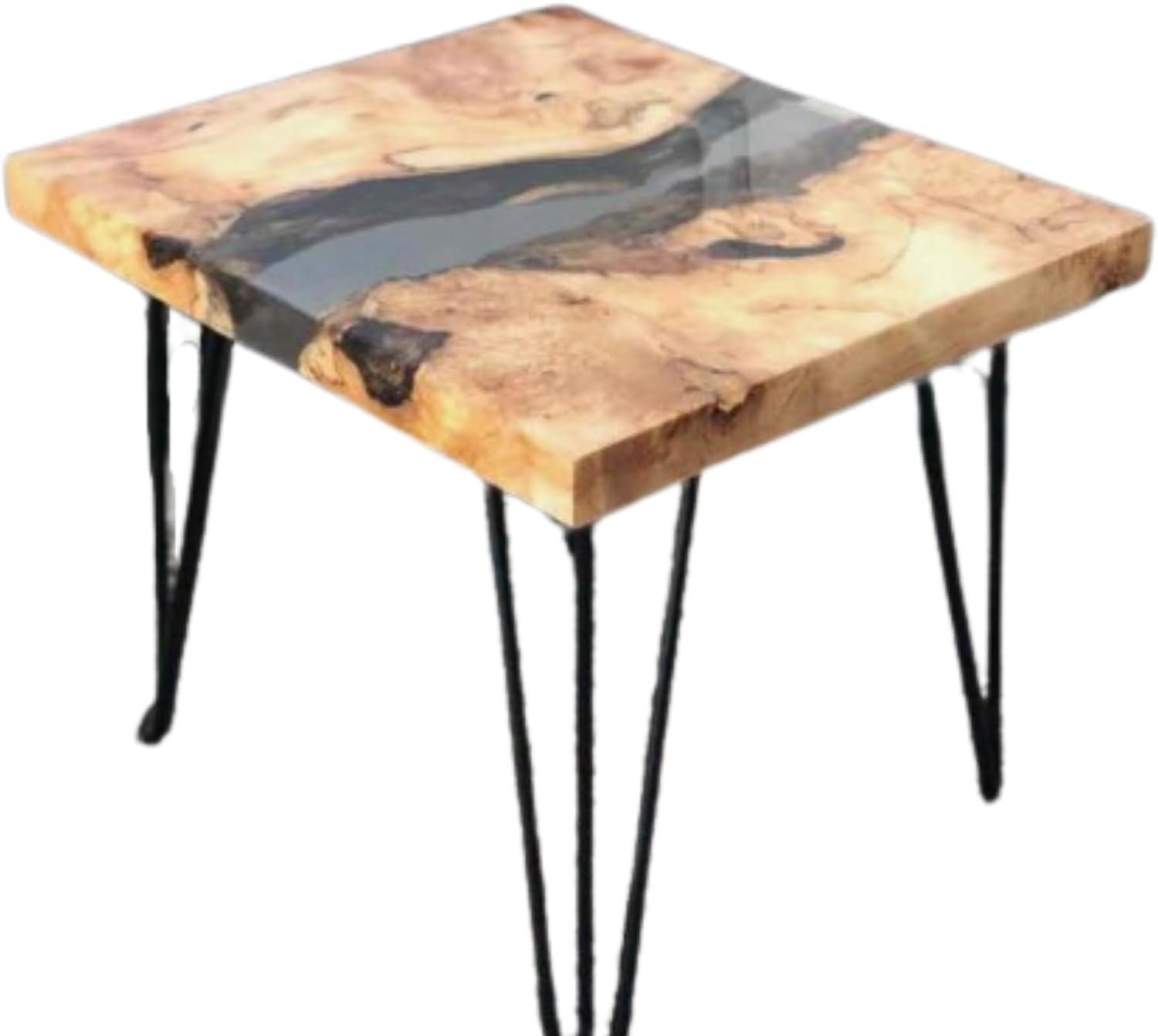
Sunlight catches and slides along the glossy resin like a slow ribbon across the room, and the piece — Home Decor’s Custom Large Coffee Table (the 40×80 waterfall epoxy table) — reads less like an online listing and more like something that’s lived here for weeks. Up close your palm notices the cool, glassy plane of resin and the faint texture where color swirls meet solid wood; from a few steps back its broad, low silhouette quietly shifts the room’s balance. The epoxy’s vivid streaks pull your eye across the surface while the timber edges and stout legs give the whole thing a surprising visual heft,so it feels both sculptural and simply present in an ordinary afternoon.
Your first look in the room: scale, colors, and the waterfall silhouette
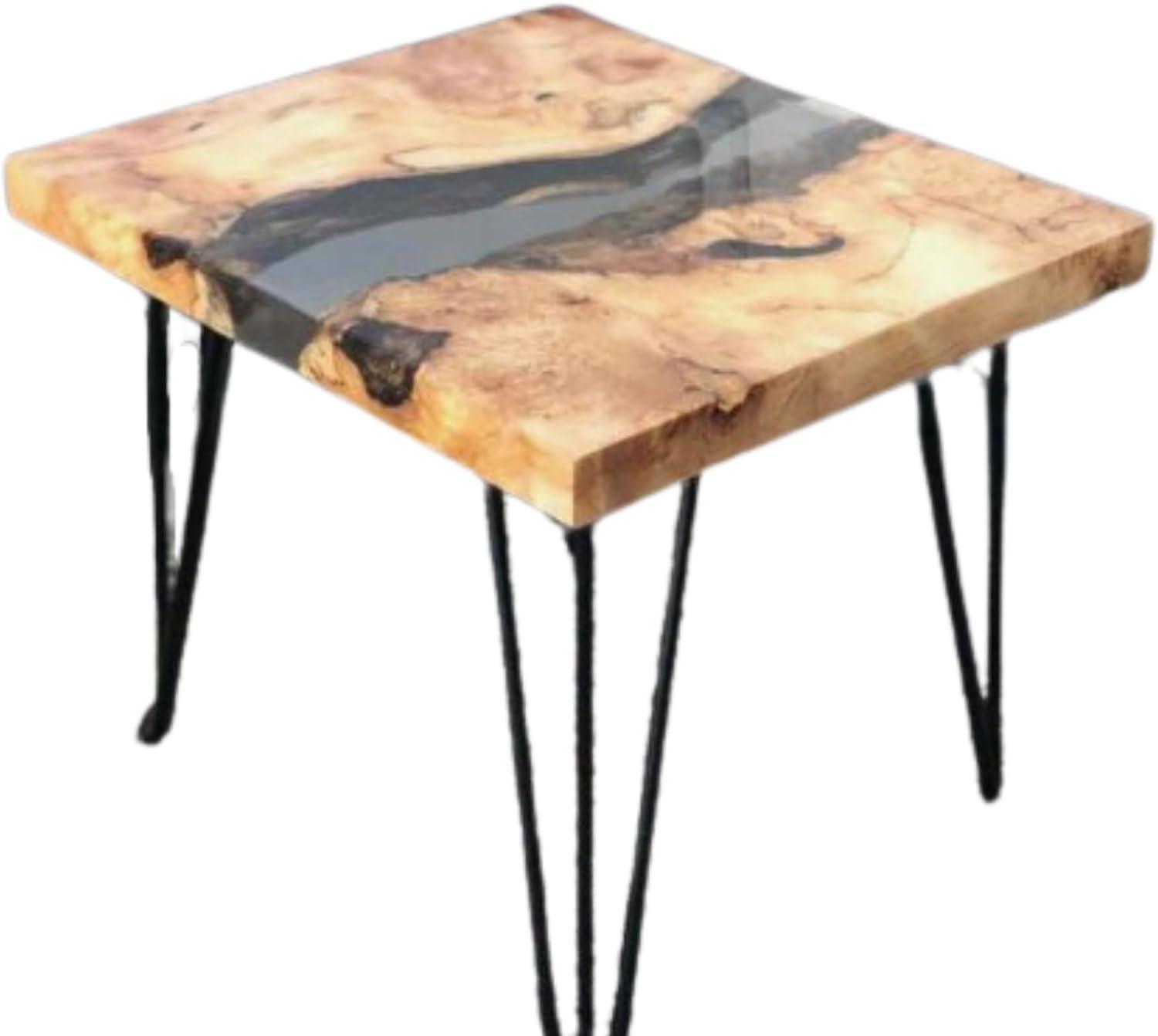
When you step into the room, the table first registers as a long, horizontal element that helps define a seating zone. From where you stand it can read as a boundary — the eye follows its length before settling on other objects — and the space beneath often looks deceptively airy because the surface seems to float. You find yourself shifting cushions or angling a magazine without thinking, reactions that reveal how much of the room the piece occupies and how it changes your path through the space.
The colors inside the resin shift as you move: saturated streaks look deeper at low angles, while overhead light makes the glossy surface glow and mirror nearby tones. Small inclusions and layered pigments catch and scatter light, so a hue that appears cool in the morning can warm slightly under evening lamps.the waterfall silhouette — where the resin flows over the edge and descends the side — breaks the boxy geometry, creating a soft vertical plane that throws a thin, moving shadow as daylight shifts. Up close you notice fingerprints or dust more readily on the glossy face and how reflections ripple with movement, details that alter the first impression over minutes rather than seconds.
The materials at hand: solid wood grain, bright epoxy rivers, and how the edges are finished
When you approach the surface, the first thing that meets your eye is the contrast between the matte warmth of the wood and the glossy streaks of epoxy that cut through it. The grain runs in irregular bands, sometimes interrupted by knots or small voids, and those interruptions are where the epoxy rivers settle into the cavities. From different angles the epoxy shifts — a narrow line at one glance, a broader, luminous vein at another — and under bright light the colors read as layered depths rather than a single flat hue.
Put your hand down and the tactile differences become obvious. The wood feels slightly warmer and more absorbent under your palm; the epoxy replies with a cool, glass-like smoothness. Edges that follow the wood’s natural contours tend to be sanded and rounded so your fingers glide rather than catch, while the interface where resin meets timber can show a faint join line or a subtle feathering of finish where the two materials meet. The high-gloss resin will reflect light and pick up fingerprints more readily than the wood, which in turn can show small variations in sheen where hands or objects have rested over time. Occasionally you’ll notice tiny entrapped bubbles or specks in the resin — not uniformly present, but visible if you tilt the top and let the light skim across it.
| Material | Visual cues | Feel under hand |
|---|---|---|
| Solid wood grain | Visible bands, knots, color variation | Warm, slightly textured |
| Epoxy rivers | Glossy, depth-shifting streaks, occasional micro-bubbles | Cool, glass-smooth, shows fingerprints |
Legs, clearance, and proportions that determine where it sits in your home
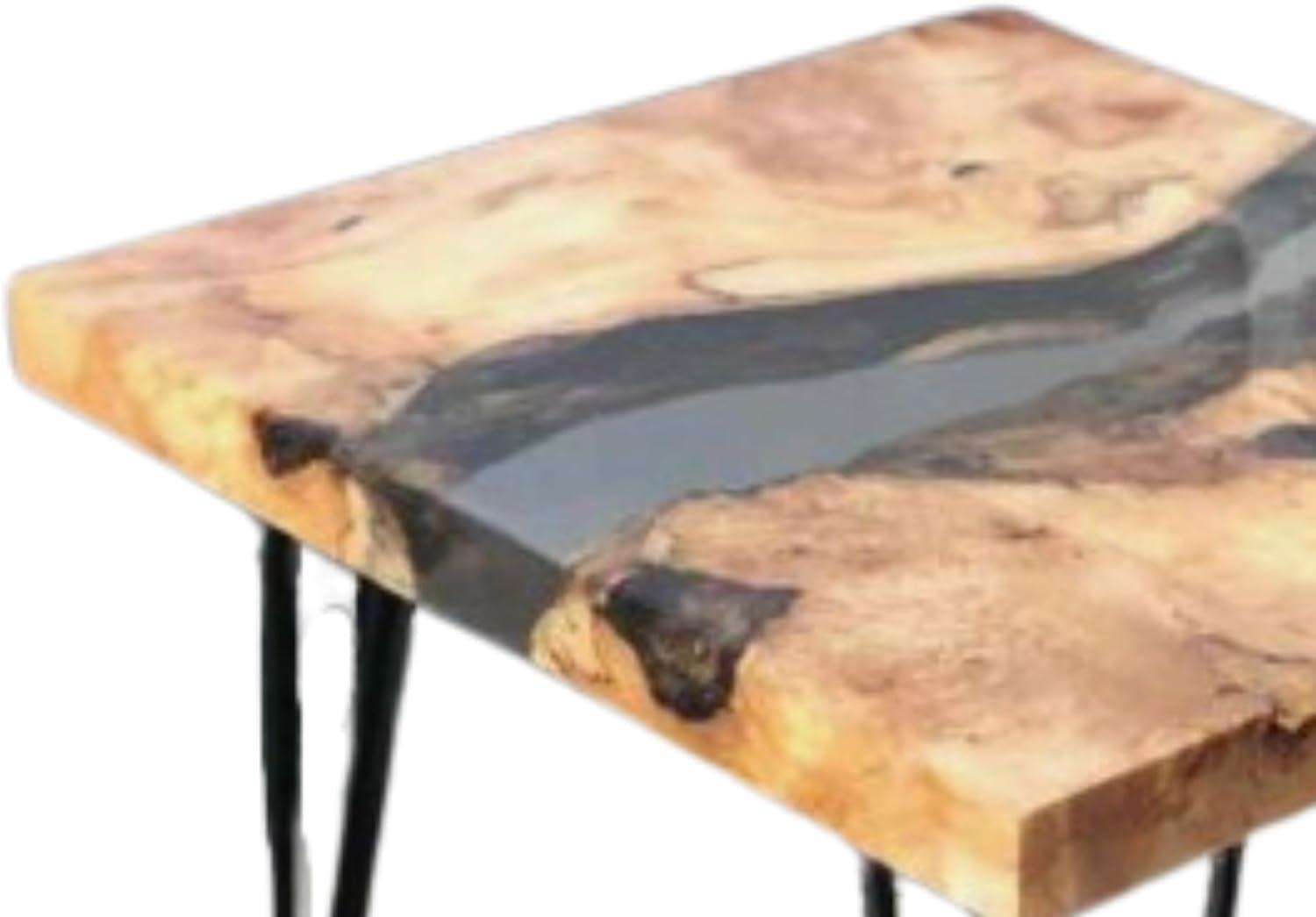
When you approach the table, the most immediate practical detail is how the legs lift the slab and frame the empty space beneath. The set of legs sits at about 19 inches
Measured against room layouts and common seating heights, this height and the table’s long, rectangular footprint tend to influence placement more than a squat, round coffee table would. This relationship is reflected in how circulation flows around it and how close you usually pull up a chair or reach across the surface. The table’s proportions can feel expansive along a sofa axis and somewhat dominant in compact, square rooms; in many homes, regular tasks—vacuuming beneath it, sliding a small cart underneath, or positioning a footrest—are informed by that mid-level clearance rather than the top’s patterns or finish. In everyday use, the table reads like an active piece of furniture rather than a static object. Mornings frequently enough find mugs, newspapers and a laptop clustered across the resin expanse; the glossy surface makes spilled drops bead briefly before being wiped away, though smudges and fingerprints tend to show up along paths of frequent contact. habits form around it — coasters get nudged into place, cushions are shifted to reach across the top, and the occasional fast swipe with a cloth becomes part of the routine. When pressed into service as a colorful desk, the surface alters the feel of ordinary tasks. A mouse can feel slightly different on polished resin compared with fabric or matte wood; cables are routed around the waterfall edges and small items like pens or chargers may slide if not checked. Heat from a laptop is noticeable against the finish in longer sessions, and papers rest flat without catching on grain, which can make spreading out documents easier than on textured tops. As a family dining surface the table performs as a gathering plane: serving bowls are set down, plates are nudged during passing, and hands brush the edge more frequently enough than with narrower tops. The wide, continuous top accommodates multiple dishes without frequent reshuffling, though glossy areas reflect overhead lights and can create occasional glare across a plate or a glass. For some households, placemats and coasters become part of the casual choreography of meals. Small, repeated actions shape how the table lives in a room: cushions get nudged to reach across it, items are habitually centered to avoid edge slips, and quick wipes become the default response to visible marks. Over time these patterns reveal minor trade-offs — the ease of wiping versus the need to manage glare and fingerprints — as part of its day-to-day presence. View full specifications and available sizes and colors When placed in a room, the table reads as a long, steady presence rather than a piece that floats; its surface and edges tend to divide circulation paths in a way that becomes obvious once people start moving around with drinks and plates. In many living and dining arrangements a narrow strip of floor remains between seating and the tabletop, so cushions get nudged, chairs are shifted slightly off-center, and people unconsciously step a fraction farther back to clear knees. Doors and appliance drawers nearby show whether the layout can tolerate that steady presence: sometimes they open without issue,other times they require a small adjustment in how chairs are pulled out. The functional give-and-take is visible in everyday use. Clearing crumbs or sweeping beneath the table usually prompts a light relocation of the rug or a brief lift of one leg; carrying the table to another room is seldom a one-person task and tends to involve pausing to angle it through door frames. Surfaces catch the most traffic where people set down mugs or rest arms, so the area around the middle sees the most repeated interaction, while the far ends remain comparatively untouched in most households. These are patterns rather than strict rules,and they emerge as the room settles into its routine. View full specifications, size, and color options When the delivery arrives, the package reads as a single, bulky rectangle. You peel back layers of foam and corrugated inserts to reveal the finished surface swaddled in protective film; small bags of hardware and a separate parcel with the legs are usually tucked into cavities or taped to the underside. There can be a faint resin scent at first, and the top feels cool and glass-like under the film. As you lift pieces out, the tabletop gives a steady, solid impression — it resists the little tilts and nudges that happen while you manoeuvre it into position. Putting it together tends to feel straightforward but hands-on. You line up the mounting points, work the bolts into place, and catch yourself squinting to get the legs perfectly square; once the fasteners take, the table calms into a steady stance. Even after assembly it’s common to reach for the edges and give the surface a quick palm-sweep — that habitual motion flattens any tiny shifts and reveals whether the table sits level on the floor. The finish shows fingerprints briefly but these usually buff away with a soft cloth. Moving the piece around after it’s assembled shows its presence: it’s more deliberate than a stackable item, and the bulk can make doorways and tight turns feel fussy. Legs removed, the tabletop is easier to pivot; with legs on, it tends to need two hands (or two people) to lift cleanly. When placed in its spot,the tabletop will settle into everyday use — occasional repositioning,sliding a coaster under a mug,or nudging it a few inches is fairly typical and leaves faint,quickly remedied marks rather than lasting wear. Living with the Custom Large Coffee Table, Waterfall Epoxy Table feels less like an event and more like a slow folding into daily life; you notice it most in the small rhythms of the room rather than on the first day. as the weeks pass you use the surface for morning coffee, scattered mail, the occasional laptop, and you learn how chairs and knees find their spots around it. The glossy river picks up faint marks and the wood softens into the pattern of ordinary use, so its presence becomes quietly familiar in regular household rhythms. After a while it stays. As an Amazon Associate I earn from qualifying purchases.
Feature
Typical observation
Leg height (~19 in)
Creates mid-level clearance useful for low storage and legroom
Long, narrow proportions (40×80 footprint)
Tends to define a traffic axis and anchor seating along its long side
Day to day in your life: using it as a coffee table, a colorful desk, or a family dining surface
Use case
Common daily interactions
Observed behavior
Coffee table
Mugs, books, remote controls
Spills bead; fingerprints collect along high-touch zones
Colorful desk
Laptop, mouse, charging cables
Mouse glide differs; cables routed around edges; heat transfer from electronics noticeable
Dining surface
multiple dishes, passing platters, leaning elbows
Accommodates group setting; glossy finish can reflect light across the table
How the table measures against your expectations and the real limits of your space
Situation
Observed outcome
Passing behind seating
Feet occasionally brush the base; movement narrows into a single path
Pulling chairs
Chairs need a slight offset; rugs may bunch under rear legs
Cleaning and moving
Requires brief rug adjustment or two people to reposition
What assembly, care, and moving look like once it arrives at your door
What you’ll find
How it typically appears
tabletop
Wrapped in film,seated in foam cradles,smooth finish visible once unwrapped
Legs
Packaged separately,with predrilled mounting points and protective corners
Hardware & instructions
small plastic bag with bolts/washers and a printed sheet or card spotted with diagrams
How the Set Settles Into the Room