Sunlit Nook Softened by Roundhill Biony Tan Fabric Dining Chairs
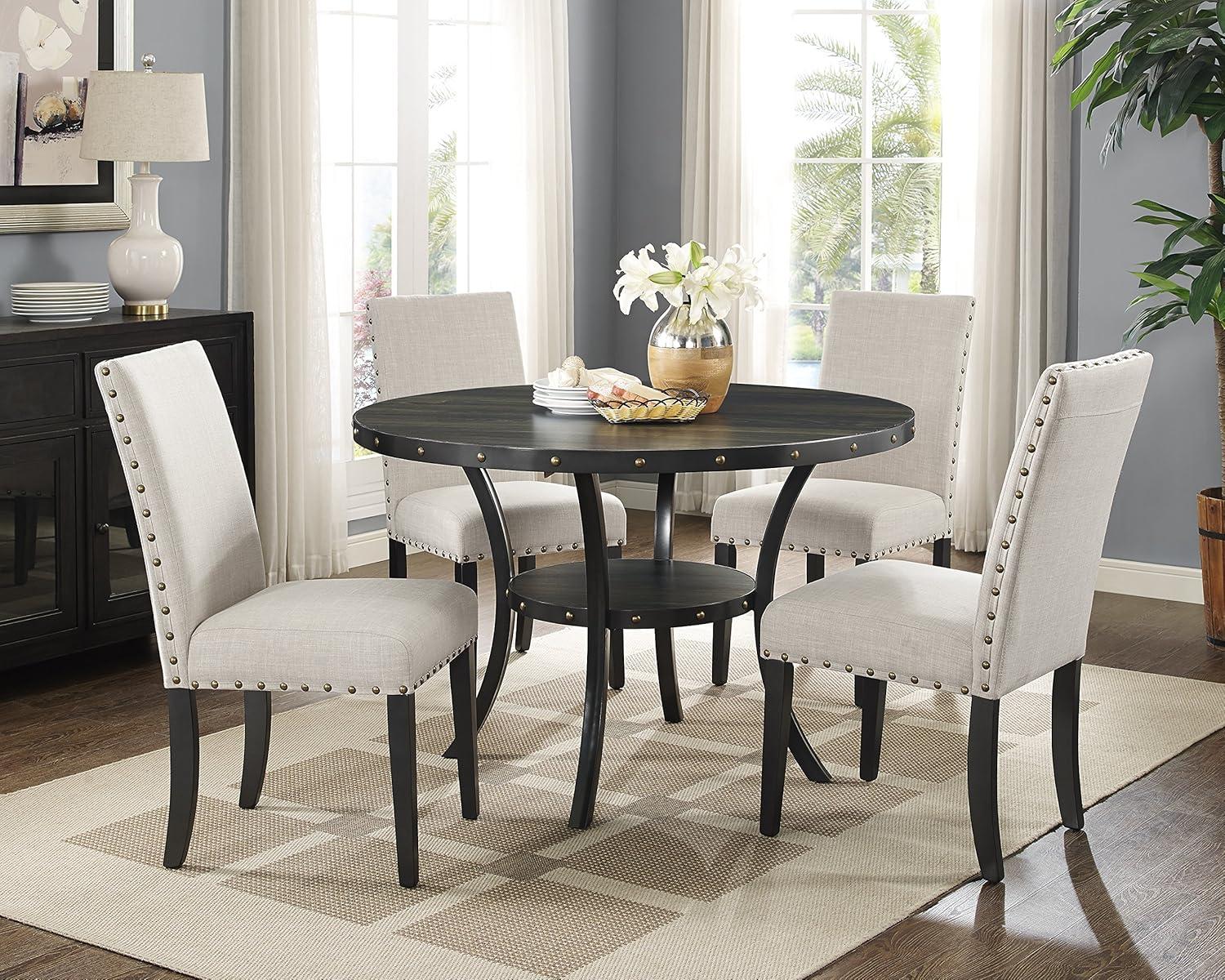
Afternoon light lifts the warm,slubby tan of Roundhill Furniture’s Biony dining chairs,and the brass nailhead trim catches the eye in a casual,unflashy way. You brush the fabric and feel a subtle linen-cotton texture under your hand; the back is tall enough to lean into without feeling oversized. On their dark hardwood legs the chairs have a steady visual weight—noticeable, but not bulky—and they sit around your table with a compact, familiar presence. The immediate impression is quietly practical: woven warmth, a soft line of metal, and a solid chair that settles into everyday use.
What arrives in the box and a quick snapshot of the pair for your dining nook
In the box: when you cut open the shipping carton the two chairs arrive partly disassembled and carefully wrapped. foam and plastic cushions protect the upholstery and nailhead trim, and the legs come bundled in labeled bags. A single hardware pouch holds the screws and a small Allen wrench, with an instruction sheet folded on top. Parts are loose enough that you’ll spread them across a table for the quick assembly step, and the protective padding tends to keep metal-on-fabric contact to a minimum during unpacking.
| Typical pack contents | Quantity |
|---|---|
| Seat + back assemblies | 2 |
| Legs | 8 |
| Hardware pack (screws, washers) | 1 |
| Allen wrench and small tool | 1 |
| Instruction sheet | 1 |
Quick snapshot of the pair in your dining nook: set side by side the two chairs read as a compact, coordinated pair.The tan fabric shifts a touch with room light, and the brass nailheads catch quick glints as you pass. When you sit, the seat cushion gives a modest amount and then settles; you’ll find yourself smoothing the fabric and nudging seams into place after moving around. The legs sit squarely on flat floors but can show a tiny wobble on uneven surfaces, and the spacer left when you tuck them under a table varies by table height. Up close,the upholstery grain and trim details become more apparent; from a few steps back the pair presents a neat,symmetrical silhouette that fills a small nook without dominating it.
How they settle into your room the moment you set them around a table
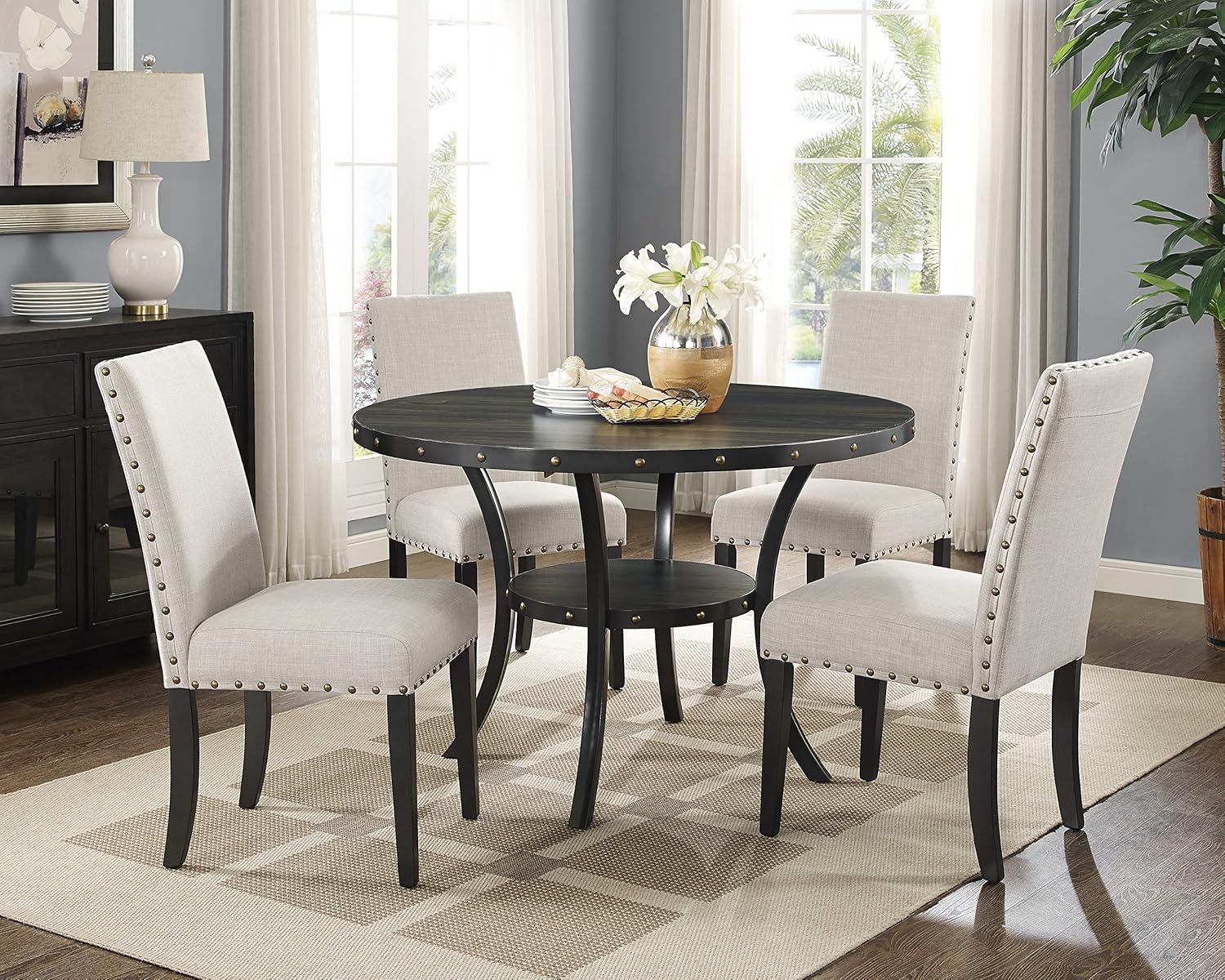
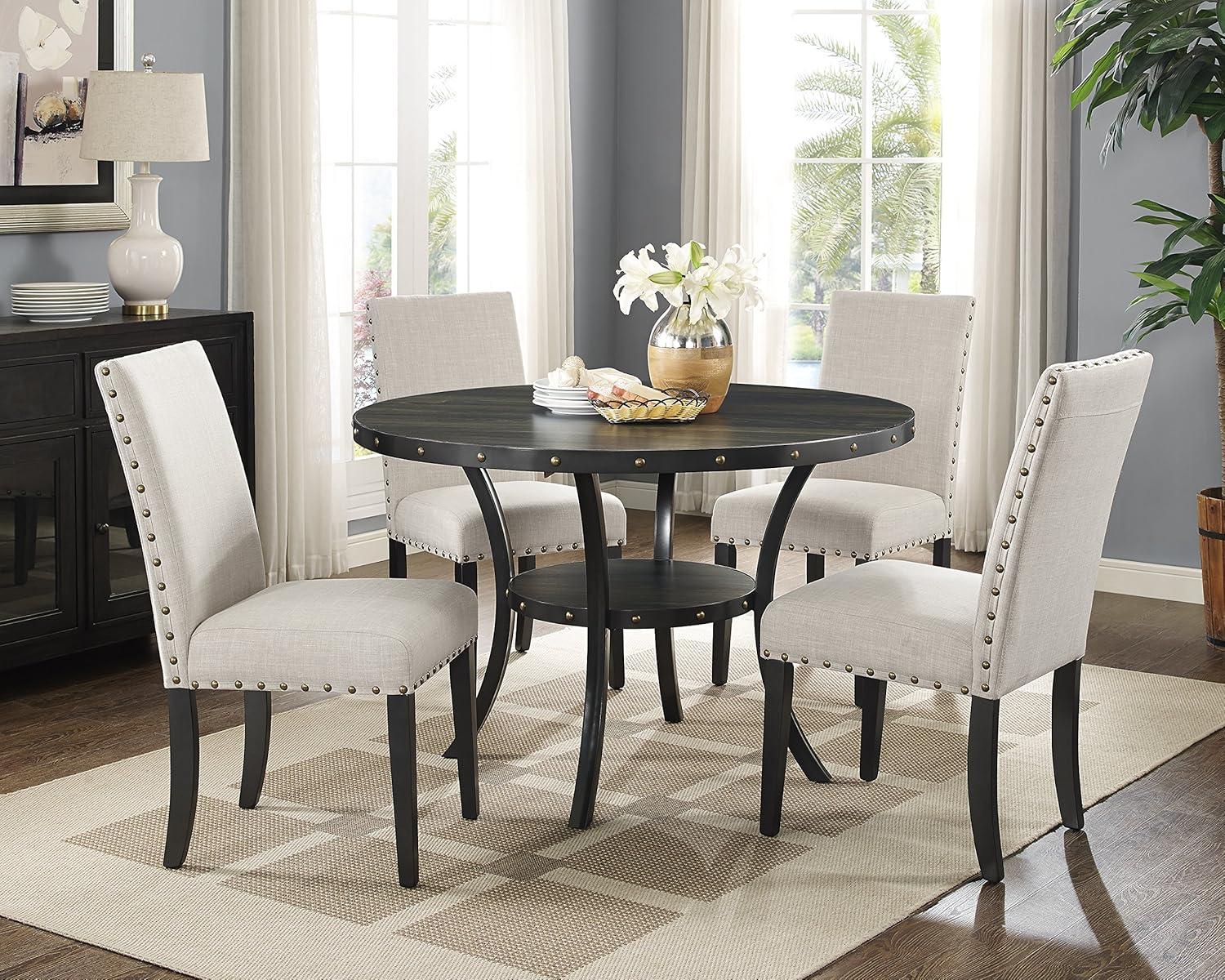
When placed around a table they assert a clear presence without shouting. The upholstered backs break up long sightlines and the brass nailhead trim picks up overhead and window light in short flashes, so the group reads as a set rather than as individual seats. The dark wooden legs produce a steady visual base; from a few steps away the arrangement forms a compact rhythm of soft seats and slender supports that frames the table rather than overwhelming it.
In use their behavior feels familiar and incremental. Cushions flatten a little where people sit, seams are smoothed back into place by the motion of sliding in and out, and the cloth develops small creases along the arms and back over the first few uses.Chairs tend to tuck under the tabletop with a small shimmy rather than dropping perfectly flush; in most cases a gentle nudge lines them up.After a meal the set often reads more lived-in—slightly skewed angles, one chair a touch forward—so the immediate impression is of furniture that settles into the room through movement as much as through placement.
| Moment | Typical observation |
|---|---|
| Immediately after arranging | Unified silhouette, trim catching light, compact negative space under the table |
| During a meal | Softening of the upholstery where occupied, small shifts in alignment as chairs are moved |
| After chairs are pushed in | Mostly tidy outline with occasional minor gaps and uneven tuck-ins |
The silhouette, nailhead trim and warm tones that define their look on your table
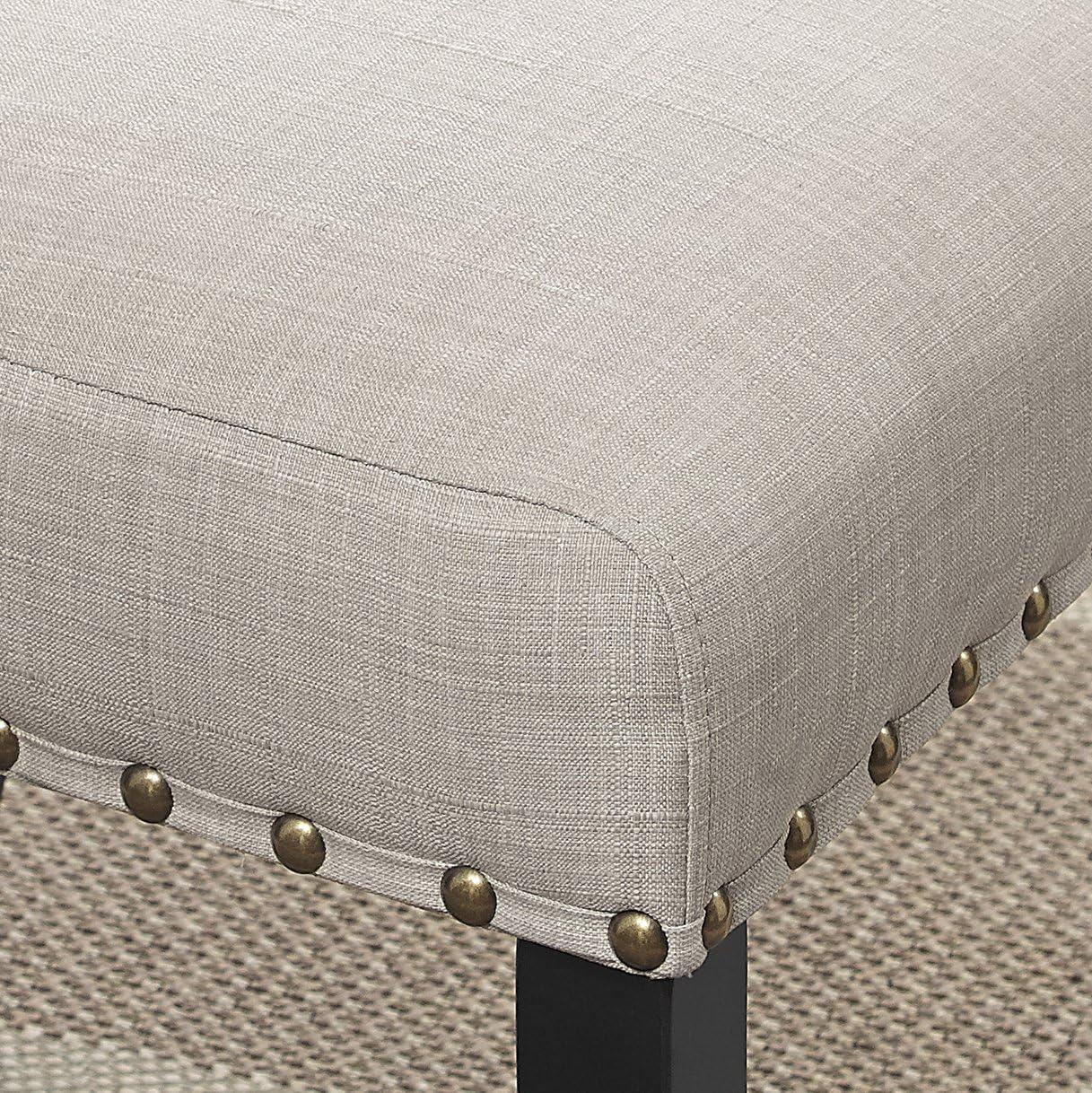
When you pull one up to the table, the chair reads as a compact, slightly tapered presence: the back rises with a gentle curve that frames your shoulders and the seat keeps a low, horizontal line that tucks neatly beneath the tabletop. As you sit and shift, the seams and padding settle in — you may find yourself smoothing the seat or nudging the back into place — and those small movements change how the profile meets the table edge, sometimes appearing more streamlined, sometimes a touch fuller from the side.
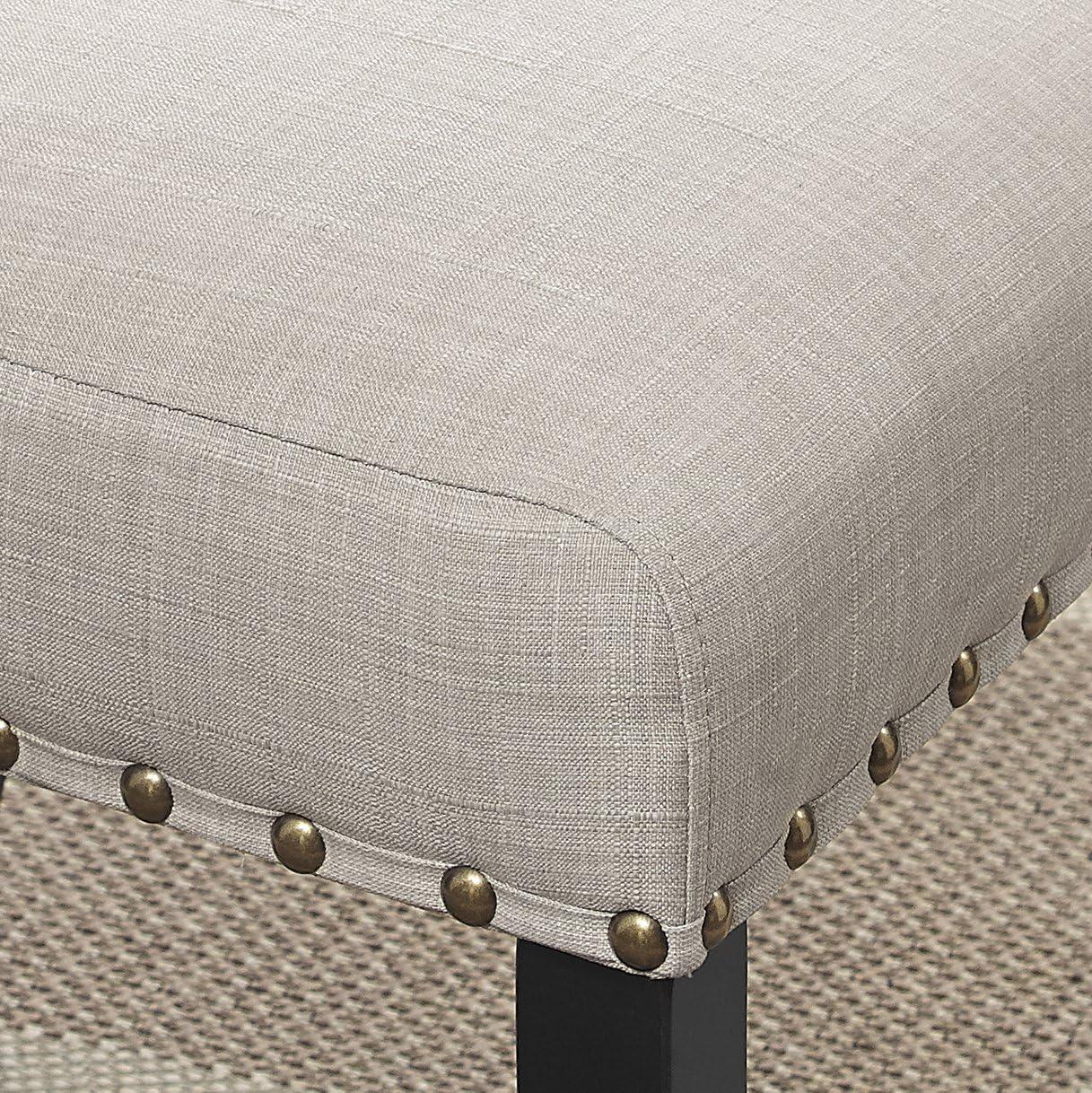
The brass-accented edging and the tan-to-brown color range shape the chair’s character at eye level. The nailhead trim creates a rhythm along the perimeter that catches incidental light as you pass dishes or lift a glass; it can read as a steady pin-dot highlight or sparkle more noticeably under brighter bulbs. The warm tones of the upholstery and darker leg finish move subtly through the day, shifting from soft and muted in diffuse daylight to richer, deeper notes as evening light takes over. Over time, the metal studs may show tiny smudges from handling and the fabric can develop the faint directional wear that comes from repeated smoothing and settling — small, lived-in changes that alter the way the silhouette and accents register at the table.
| time of day | How they read on your table |
|---|---|
| Morning / soft daylight | Warm neutrals appear muted; trim blends into the outline |
| Midday / bright light | Contrast between seat and legs sharpens; nailheads catch highlights |
| Evening / lamp light | Tones deepen and the trim can glint against darker surroundings |
Fabric, frame and measurements that describe their footprint in your dining area
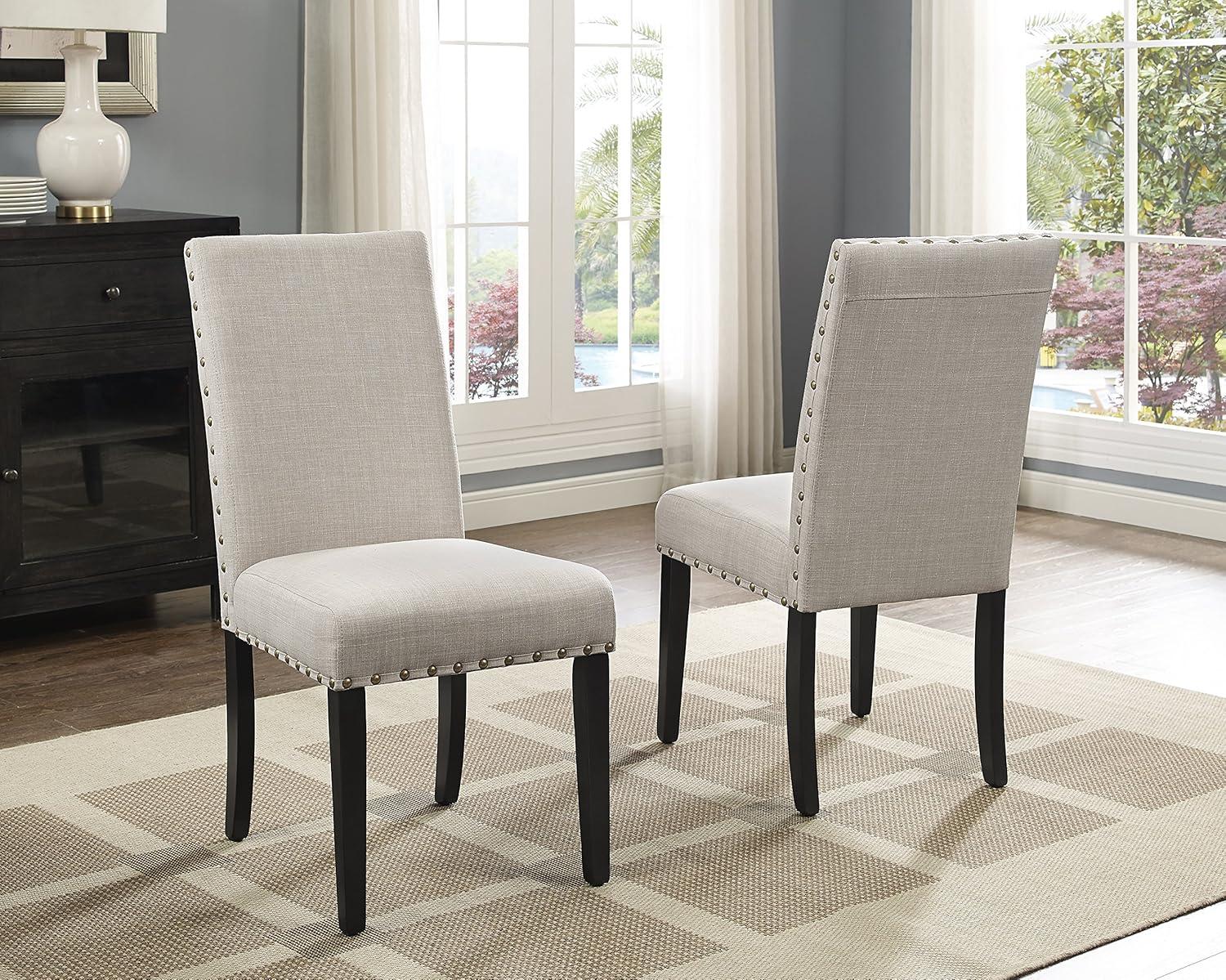
Up close, the upholstery shows itself as a textured linen-cotton weave that creases a little where your weight meets the seat. When you sit and shift, the fabric gives a soft, short-lived rebound and the seams trace the shape of your movements — you may find yourself smoothing the back or nudging a cushion into place out of habit. The brass nailhead trim catches light at different angles as you turn, and small pull lines can appear along the edges during repeated use. The seat surface sits low enough that getting comfortable involves a slight tuck of your hips; the back has enough height to meet the base of your shoulder blades for many people,and the fabric on the back shows the same tendency to settle into faint lines with time.
the hardwood frame sits on four straight legs that create a compact base; when moved across a floor the legs keep the chair tracking in an upright line and the frame can feel rigid once the assembly fasteners are snugged.In practice each chair claims a modest rectangle of floor space — it doesn’t splay out much beyond the visible leg footprint, though the back adds vertical presence behind the table. The measurements below describe that usable footprint as it appears once the chair is set in place:
| Measurement | Dimension |
|---|---|
| Overall (W × D × H) | 18.25″ × 24.75″ × 38″ |
| Seat (W × D) | 18.25″ × 18″ |
| Seat height (floor to seat) | 19.25″ |
| Back (W × H) | 16.25″ × 24.25″ |
Seat depth,padding and the way your body sits when you take a seat
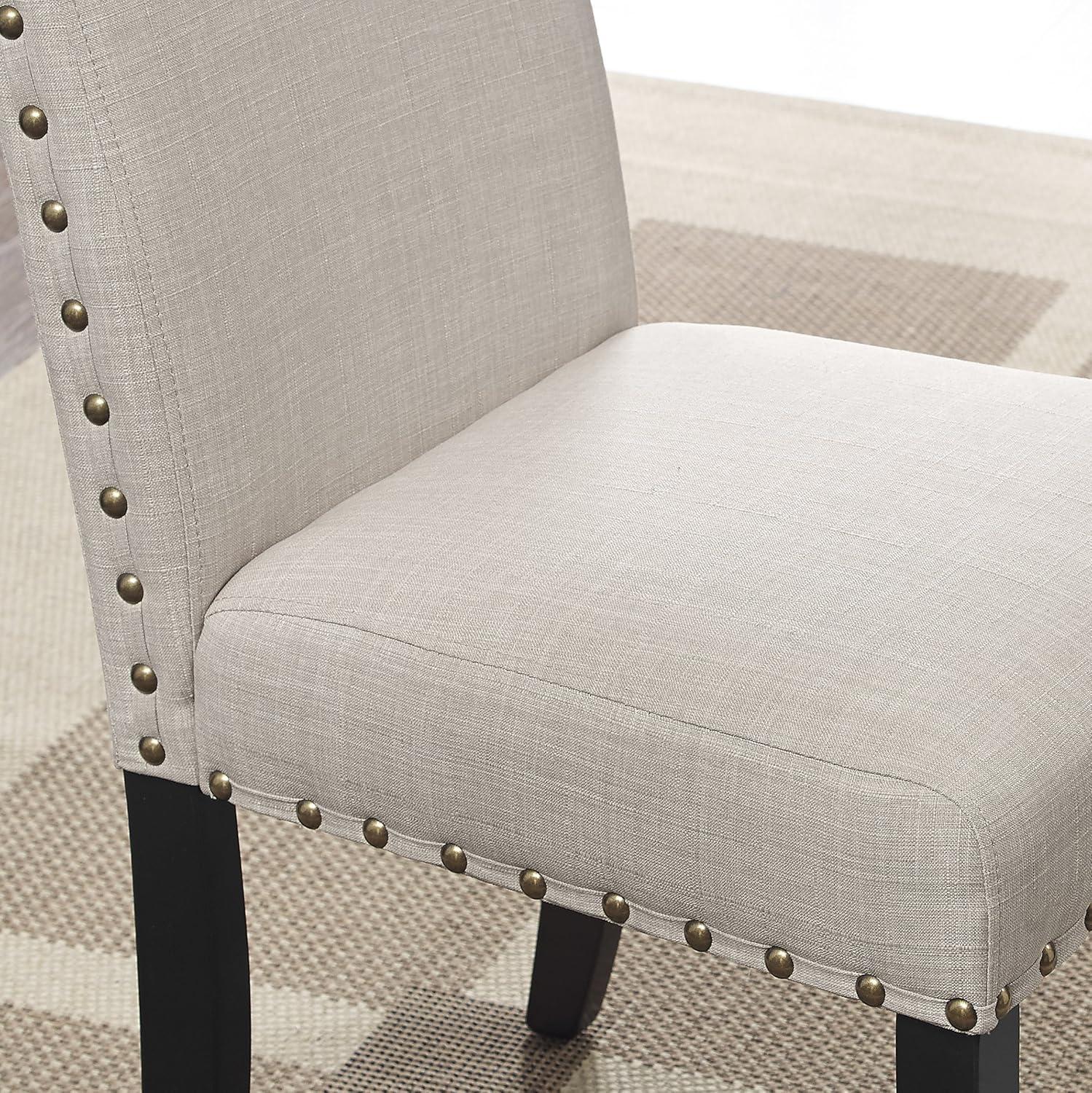
When you lower yourself into the chair, the seat gives a noticeable first impression of depth: it lets your thighs settle in without feeling swallowed. The surface cushions compress under your weight and then hold a gentle contour beneath your hips, so your knees usually end up near the seat’s front edge rather than tucked back. As you shift,the fabric and padding respond in small,familiar ways — smoothing a crease here,pushing a seam there — and you instinctively slide slightly rearward if you lean into the backrest.
The padding starts with a moderate, slightly springy resistance and tends to soften a bit the longer you sit. Immediate pressure is taken by the center area while the outer edges feel firmer, which can steer small adjustments in how you position your legs.Over an hour or so the cushion shows gradual compression and the way your weight settles becomes more pronounced; you might notice the seat holding the shape of common shifts until it rebounds when you stand. These are the typical, lived reactions you’ll observe each time you take a seat, rather than fixed changes from one use to the next.
How these chairs align with your expectations for your space and the practical limits you might encounter
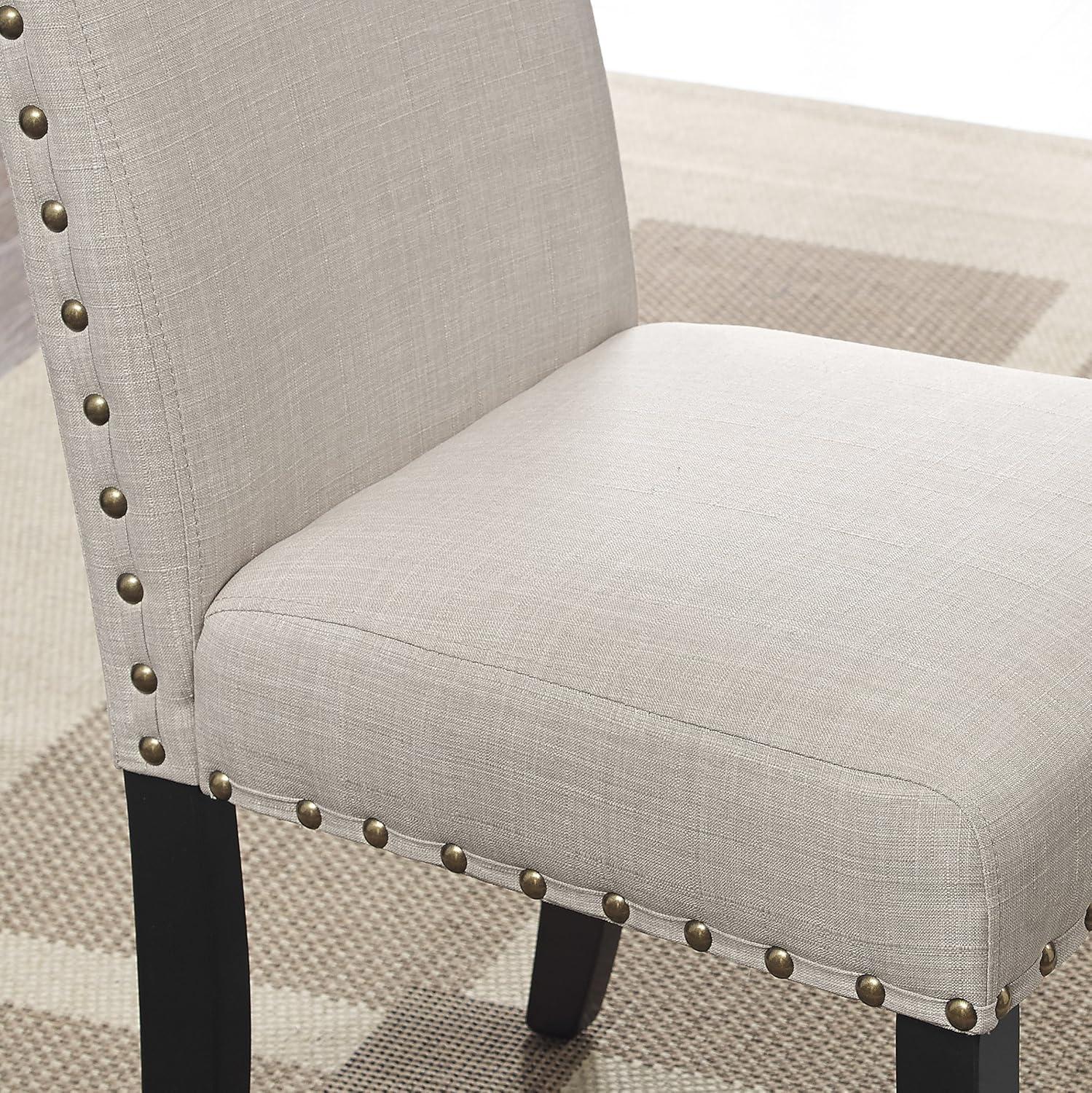
They sit with a noticeable, regular presence at a table — not sprawling, not fragile. When slid in, the backs usually clear the apron but frequently enough leave a small visible gap between chair top and tabletop; when pulled out, the legs occupy a predictable clearance that affects traffic flow around a dining set. fabrics and trims register use in familiar ways: cushions are smoothed down and seams shifted after several sits, and the brass-colored nailhead trim can catch briefly on napkins or sleeves as chairs are moved close together.
Practical limits show up in everyday motions. Moving one chair across a hard floor tends to produce a soft scrape and a slight scuff over time unless pads are added; on carpet the chairs settle rather than glide, which changes how easily they’re repositioned.Assembly tightness and how the legs are angled can alter wobble and stability, so initial adjustments frequently enough determine long-term behavior. in tighter layouts they take up a steady footprint that affects how many can be placed side-by-side and how freely people pass behind them — chairs shift other chairs when nudged, rather than being tucked out of the way.
| Situation | typical observation |
|---|---|
| Pushing under a table | Leaves a small gap; backrests remain visible |
| Moving across hard floors | Soft scraping sound; potential for light marks |
| daily use | Cushions and upholstery are smoothed and adjusted by regular occupants |
View full specifications and color options
Daily handling observations including maintenance and how they behave in ordinary use in your home
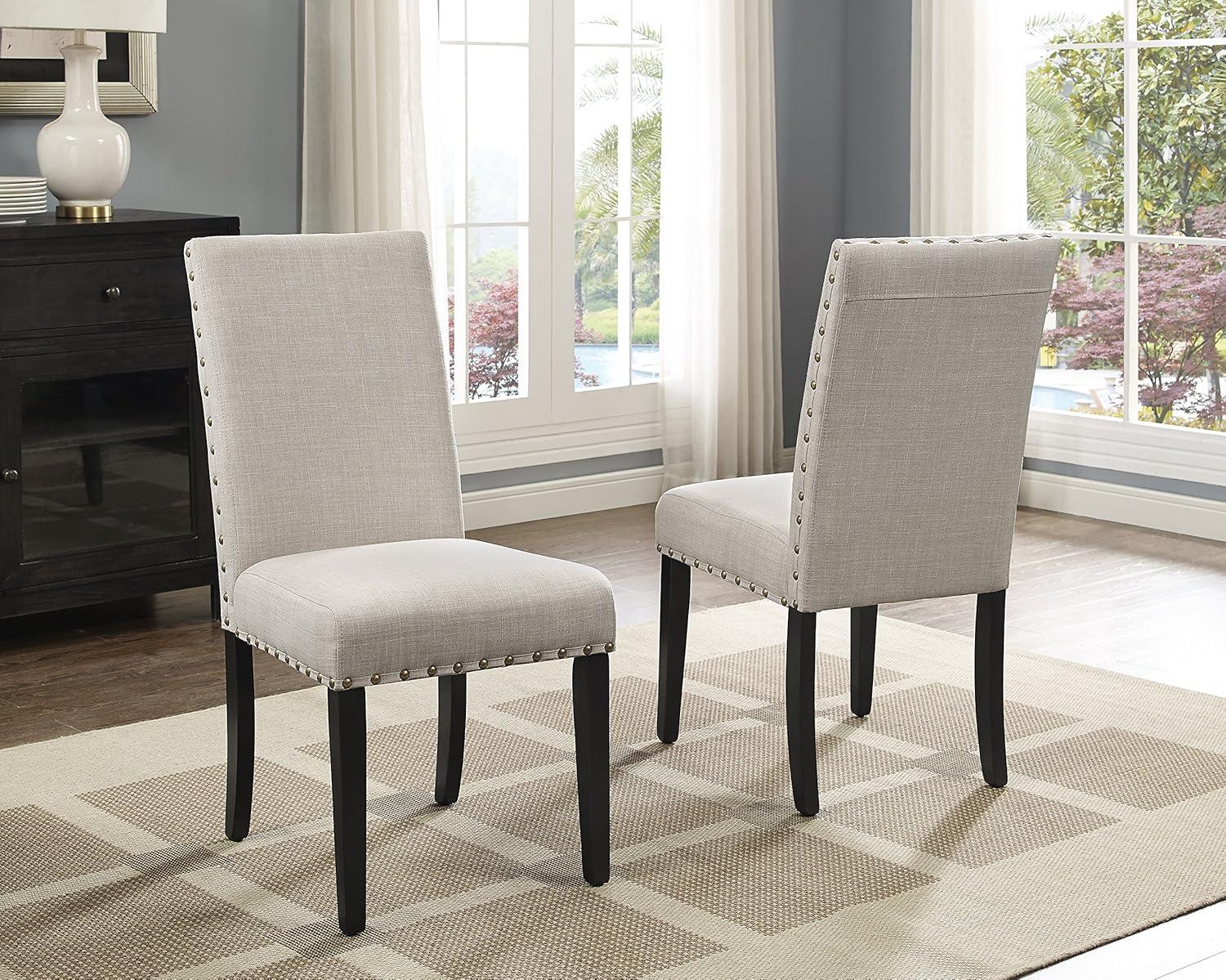
In ordinary use around the dining table, the chairs settle into predictable routines.The seat cushions compress slightly with repeated sitting and are often smoothed along the same spots — a hand will tend to run across the front edge and along the seam where people shift forward.The fabric on the backs softens where shoulders and coats brush it; that area can show a faint change in nap after a few weeks. Moving the chairs in and out from the table produces small, occasional clicks from the frame as joints shift with traffic, and the finish on the lower legs shows light scuffing over time where shoes or vacuum cleaners contact them.
Daily handling also reveals habits that affect maintenance. Spills darken the fabric briefly and are blotted and dabbed during everyday cleanup; the wet patches dry to a slightly different sheen for a short while before evening out. The nailhead trim stays seated under normal contact but will catch slightly on loose threads from placemats or woven runners if those items are dragged across the back. Fasteners behind the seat can loosen after frequent rearranging, so retightening has been observed to happen intermittently rather than as a one-time task.
| Observed task | Typical timing in this home |
|---|---|
| Spot-cleaning damp cloth after spills | Immediate to same day |
| Light vacuuming/brushing of fabric | Weekly |
| Retightening seat fasteners | Noted after ~2 weeks, then every few weeks with heavy use |
| Surface scuffing on legs | Visible after several weeks of regular movement |
Small, unconscious gestures—smoothing the seat before sitting, nudging a chair back into line, or shifting weight toward a preferred side—shape how these behaviors appear day to day. the chairs behave as persistent members of a busy dining setup: they show localized wear where contact is frequent and require occasional small adjustments and touch-ups as part of routine household use.
View full specifications and available options
How It Lives in the Space
you notice the Roundhill Furniture Biony Tan Fabric Dining Chairs with Nailhead Trim, Set of 2, Brown, Tan easing into corners and mornings over time, as the room is used. In daily routines they mark where you sit, the small shifts for plate and laptop, and how light catches tiny rubs along the fabric — surface wear that quietly records repetition. Their comfort settles into your movements in regular household rhythms, changing in small, familiar ways with use. Over weeks they simply rest where you leave them and blend into everyday rhythms.
As an Amazon Associate I earn from qualifying purchases.