BHJ Retractable Folding Table: fits your small kitchen
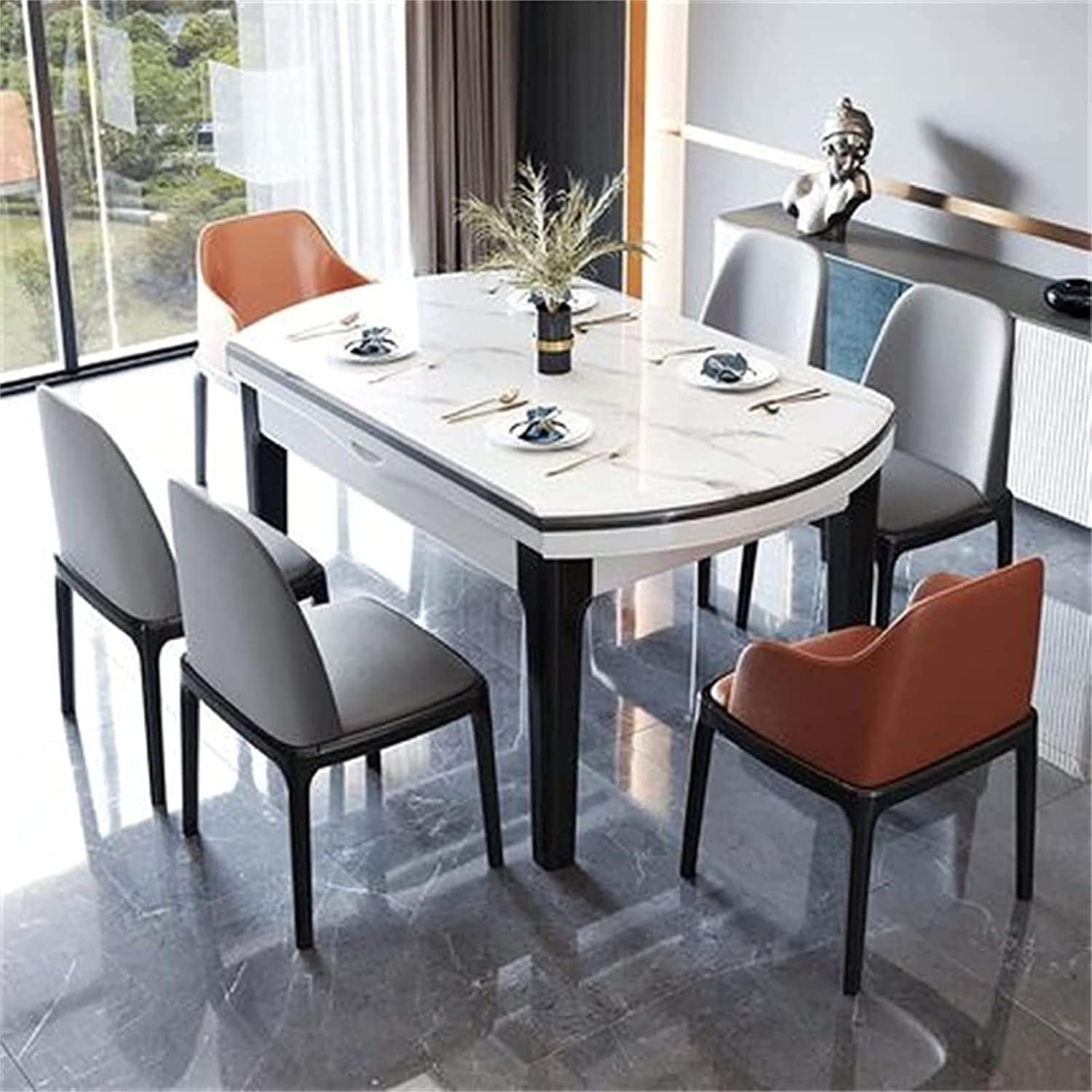
Your hand finds the warm, slightly textured solid-wood top first, the grain catching the late-afternoon light adn slowing you down. The BHJ Retractable Folding Dining Table — the 1.35m round version — sits quietly in the corner with a compact silhouette that still reads considerable. A thin seam around the middle and a discreet hinge hint at the retractable action; when you lift it the movement is deliberate, a faint click and the table settles with steady, wooden reassurance. The finish is matte-warm under your palm rather then shiny, and the legs show simple joinery that keeps the look honest instead of decorative. It feels like a lived-in piece: practical geometry, palpable weight, and a folding detail that changes the room’s rhythm as you move around it.
A first look at the BHJ retractable folding round table when it arrives in your apartment
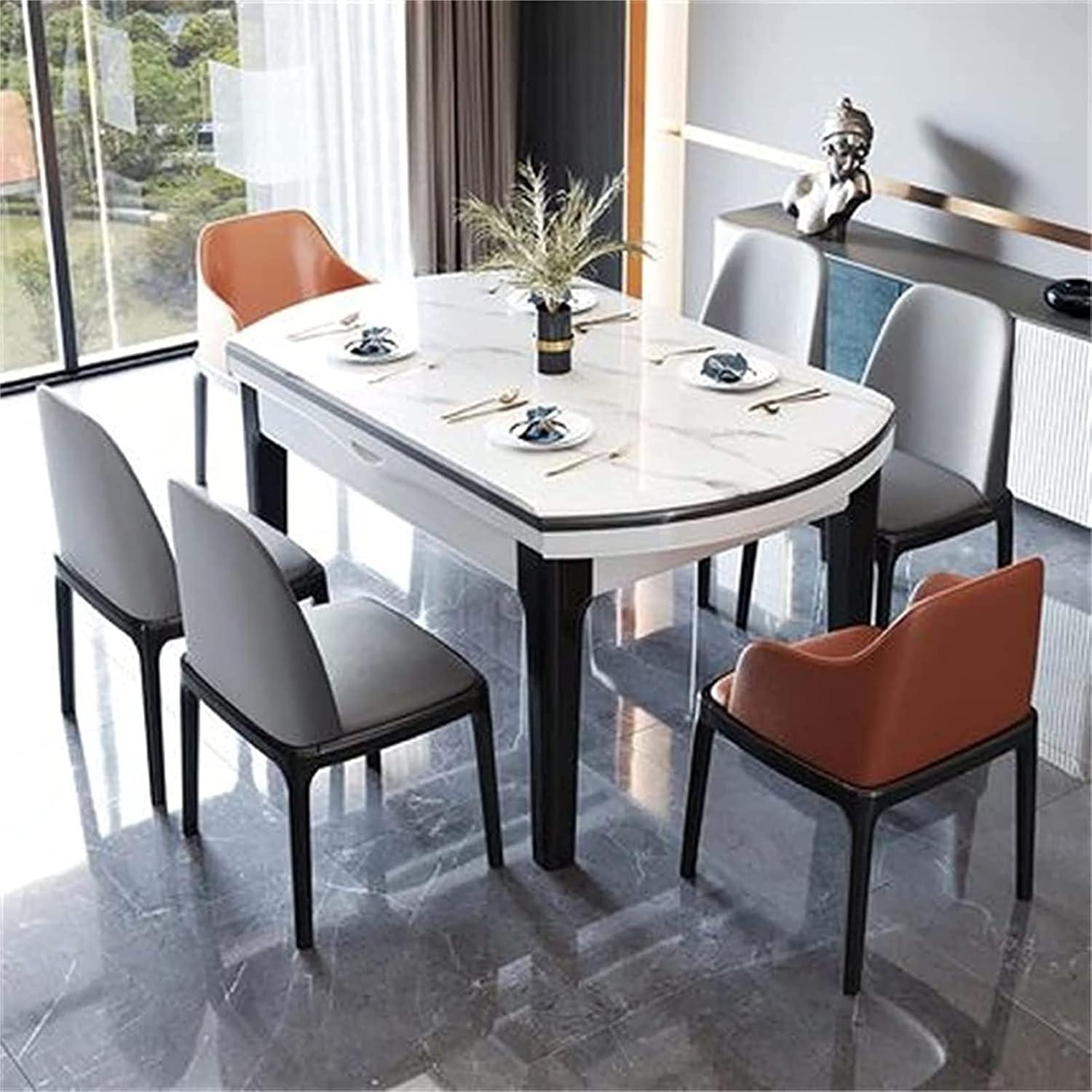
When the box arrives and you set it down in your doorway,the package feels denser than its flat shape would suggest. You slip a box-cutter along the taped seams and the cardboard peels away to reveal layers of corrugated protection and a thin plastic sheet over the tabletop surface. At first glance the top is folded down — the two halves nest together — while the legs and metal fittings sit tucked to one side, wrapped in foam or secured with tape. A folded instruction sheet rests on top,and a small clear bag with fasteners rattles when you tilt the box.
As you lift pieces out you notice details you didn’t expect until you were close: the finished surface has a muted sheen and the wood grain reads clearly under the protective film, the seam where the leaves meet aligns most of the time but needs a gentle nudge to sit flush, and the folding hardware is exposed on the underside with stamped holes and a few factory-applied labels. The mechanism slides with a quiet resistance that becomes a short, crisp click when parts seat; it can feel slightly stiff on first movement and tends to loosen a little as you work it a few times. Some protective foam is left in contact with edges and corners, and a strip of adhesive film peels away leaving the finish intact but needing a quick wipe to remove residue.
| Box contents (as you find them) | Observed state |
|---|---|
| tabletop assembly | Folded, wrapped in plastic and cardboard |
| Legs and brackets | Bundled, foam-protected |
| Hardware bag | Screws, bolts, small tools in a labeled pouch |
| Instruction sheet | Folded with safety notes and diagrams on top |
When you set the partially unfolded top on sawhorses or a cleared spot on the floor, the weight distribution becomes obvious — you need to steady one side while you engage the folding catches — and the underside reveals factory-applied brackets and predrilled guide holes arranged for relatively straightforward alignment. Small felt pads or plastic feet are either pre-attached or included in the bag. the first few minutes after unboxing are mostly about removing protection, locating the hardware, and walking the mechanism through its motions so the components settle into place.
The silhouette in your kitchen or dining corner and how it shapes your room
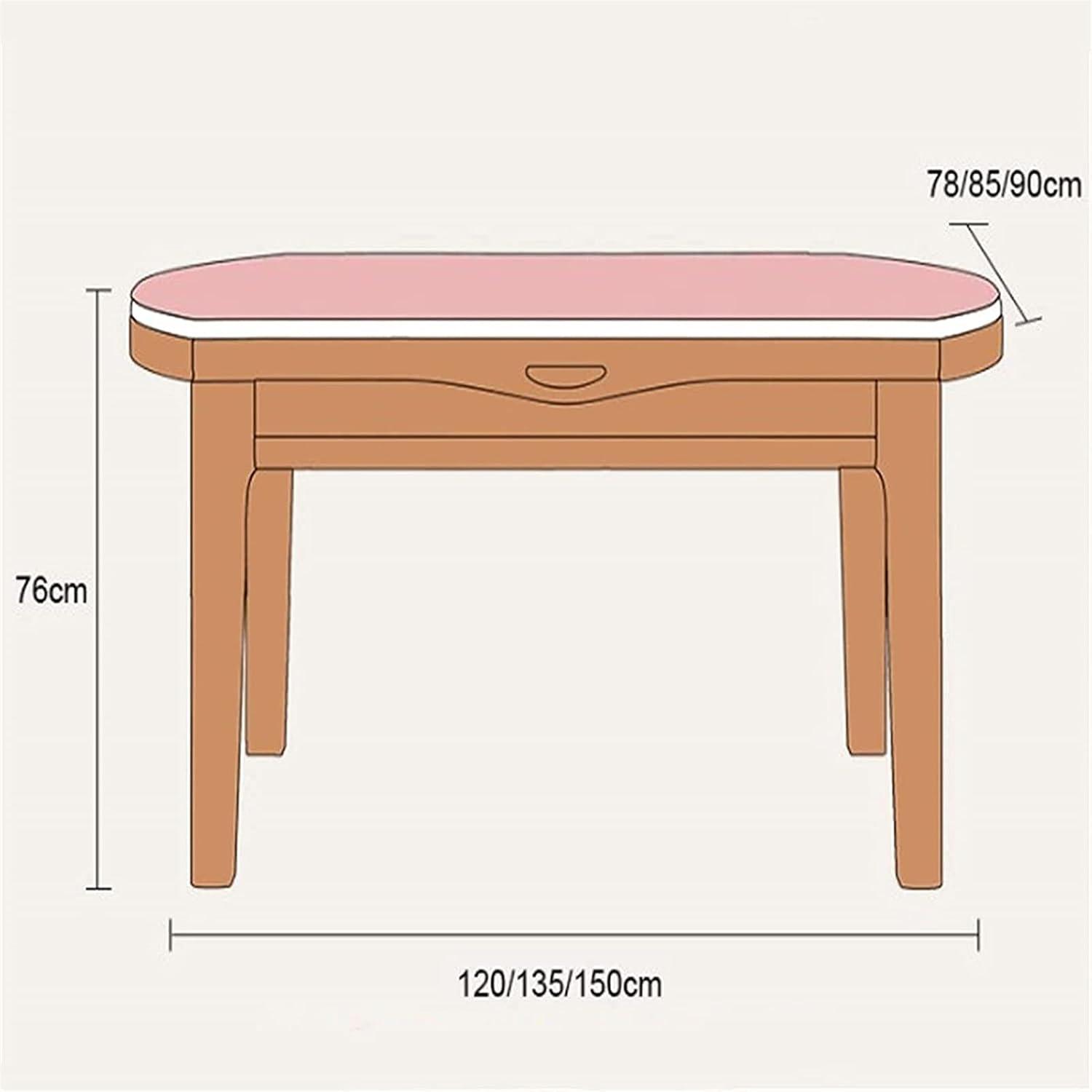
Placed in a corner, the table’s rounded profile reads as a soft interruption to straight cabinetry and angular counters. You notice how the circular edge pulls the eye inward,creating a small island of movement where plates are set down and coffee cups rest. From some angles it reads almost like a freestanding circle; from others, especially when the leaves are tucked, it flattens against the wall and the room’s sightlines open up. The curve of the top and the way the supports meet the floor break up hard corners, so the space around the table feels a little less boxy even when you’re simply walking past with groceries.
That silhouette is not fixed — it shifts as you use it. When you extend the surface and slide a chair into place, the table gains visual weight; seams and hinges momentarily catch light and draw attention to the mechanism. when folded down, the drop creates a slimmer profile that lets you sidle by more easily, and the base becomes a smaller, darker shape on the floor. In everyday moments you find yourself nudging it a few inches to align with cabinet edges, smoothing a tablecloth where the curve meets the wall, or angling chairs so legs don’t collide with the supports; those small adjustments are part of how the table’s shape actually shapes your room over time. The result is a presence that adapts — sometimes central and anchored, sometimes tucked away — and the way it sits will quietly reorganize how you move and arrange things in that corner.
What the solid wood, joints and finish reveal about build and how the surface feels to you
When you rest your hand on the tabletop the first sensory notes arrive quickly: a cool, steady temperature and a finish that sits between slick and textured. Sliding your palm along the grain, you pick up tiny highs and lows where the growth rings show through the topcoat; the surface isn’t mirror-smooth, so a napkin or coaster tends to catch rather than slide away. Your thumb often seeks the rounded edge without you thinking about it—the soft bevel changes the way the tabletop meets your hand and masks any sharp transitions where two pieces meet.
If you crouch and look under the table or run your fingertips along seams, the joints make themselves known in small ways. Where the retractable leaf meets the main top you may feel a faint ridge or hear a gentle click as the locking hardware seats; tightening or loosening of that interface happens with use, so there’s a slight give at first that can settle. Exposed dowel plugs, recessed screw heads or metal brackets show as tiny interruptions in otherwise continuous panels, and when you press near a connection you can notice whether the parts move as one or there’s the tiniest flex. While unfolding and folding the mechanism you’ll feel the hinges engage in stages—some resistance, a short travel, then a positive stop—which translates directly to how the table behaves in day-to-day handling.
| What you feel or see | what that reveals about the build |
|---|---|
| Fine grain texture under the finish | Indicates a thin,natural finish that lets wood topology remain perceptible rather than a thick,plastic coating |
| Small ridge at the leaf seam | Shows a butt or edge joint with a mechanical interface rather than an invisible continuous veneer |
| Visible dowel plugs or recessed screws | Points to joinery that combines fasteners and concealed pegs for alignment |
| Measurable click and staged resistance in the hinge | Reflects a multi-part folding mechanism with defined engagement points |
As you live with the table,small habits—smoothing a spill with your wrist,nudging a place-setting back into alignment—make those tactile and visual cues more apparent. A faint seam that you once only noticed visually becomes something you run a finger over; a hinge that felt brisk at first can feel smoother after the parts settle. These everyday interactions are where the wood, joints and finish reveal themselves most clearly.
The tabletop span, extension motion and the seating clearance you get around it
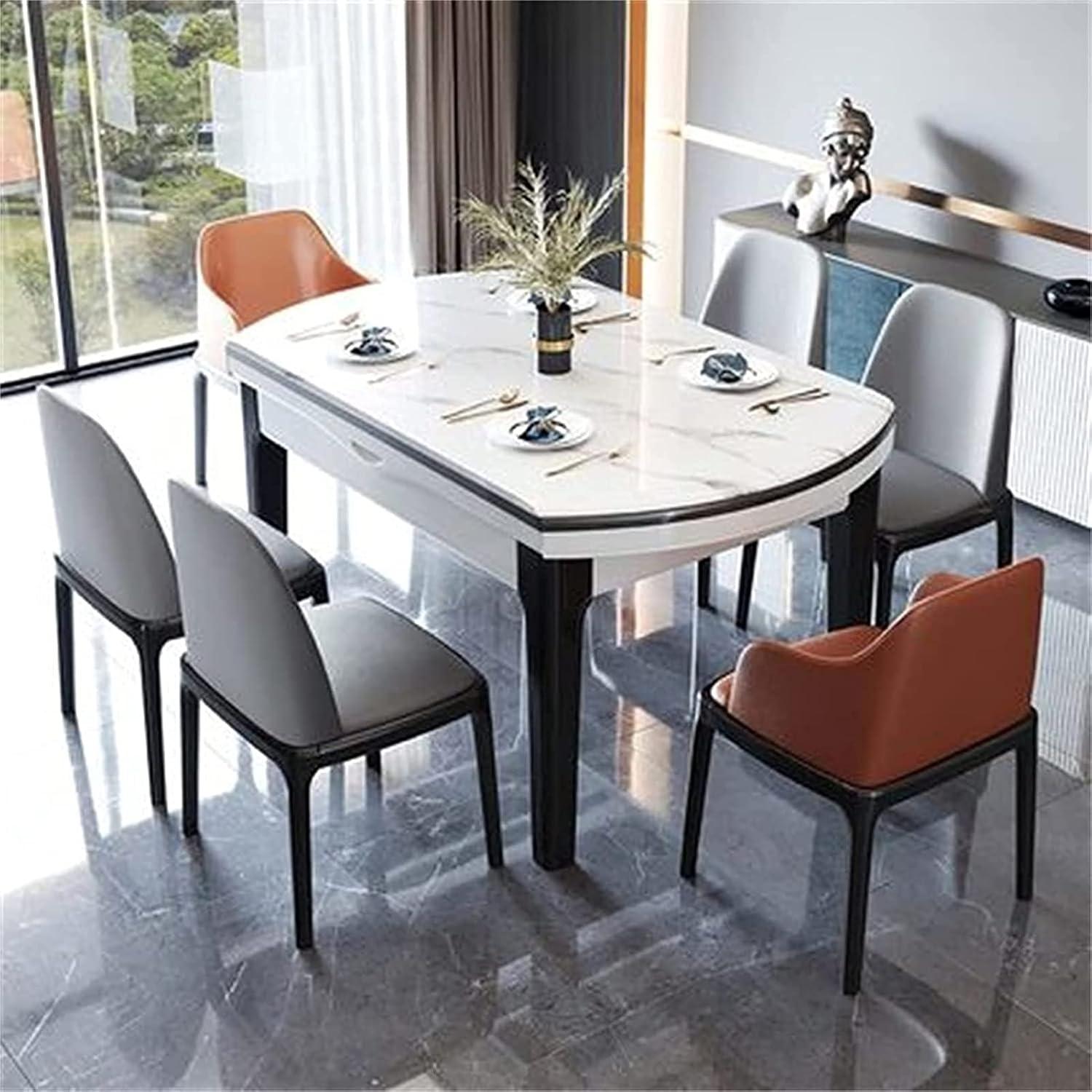
When you open the table up, the top spreads into a noticeably larger surface — the full span reaches roughly 1.35 m across. With the leaves stowed it sits visibly narrower, so you can watch the footprint change as you pull the mechanism out. The change in span is immediate; the top slides and folds into place rather than telescoping, and the overall silhouette goes from compact to a proper round dining surface in a few seconds.
| Configuration | Approx. span / effect |
|---|---|
| Leaves stowed | Noticeably compact; easier to move past or tuck against a wall |
| Fully extended | About 1.35 m across; gives a true dining surface with room for several place settings |
The extension motion itself feels hands-on: you typically grab opposite sides and ease the top apart,then fold the leaf into place and nudge until the edges meet. There’s a small mechanical click as the locking points seat; sometimes you’ll nudge the top a hair to get everything flush. While the mechanism is mostly smooth, it can catch briefly if the leaf isn’t aligned exactly, and you’ll find yourself smoothing a cloth or shifting a chair slightly after the move.
Once set, the clearance around the table is practical but not generous. You can slide chairs in and out without having to contort, and there’s room for a cup and a plate in front of each place; adding a chair at the very edge reduces the knee gap and you may notice knees brushing the apron if you sit too far back. The positioning of the legs and apron means chairs tucked at the sides have more freedom than those at the ends, and as you move people or dishes during a meal you’ll sense that the ends can feel a touch tighter — a natural trade-off as the top expands into its full span.
Everyday scenes at the table Notes on seating posture, dining flow and the sorts of gatherings you host
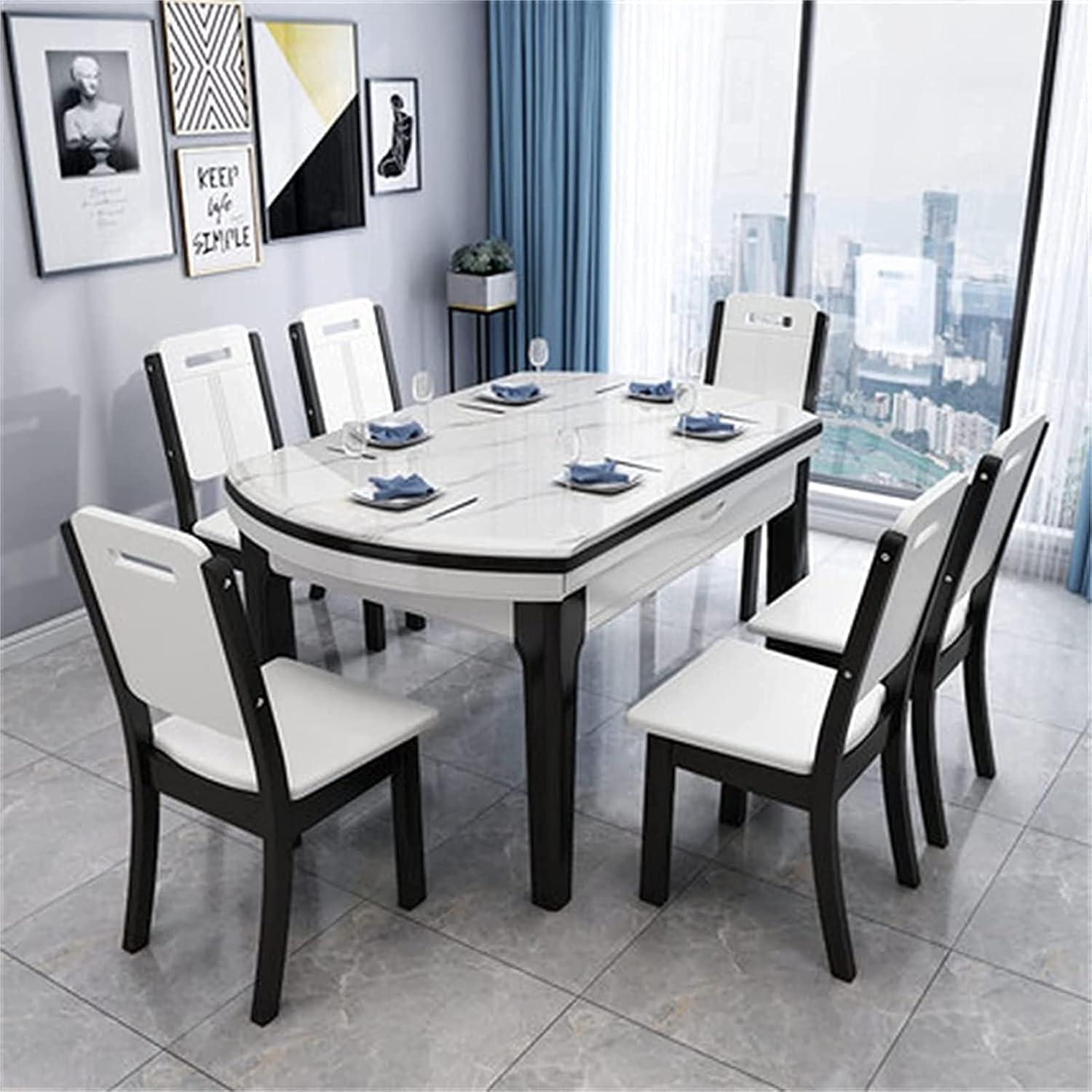
In everyday use the table encourages compact, slightly forward-leaning postures. Conversations form close to the tabletop: people tend to sit upright at first, then lean in to reach shared dishes or inspect a plate. Chairs get pushed back and tucked forward in small, unconscious increments — cushions are nudged, sleeves smoothed, and hands find familiar paths around the tabletop edge. When the surface is kept compact, elbows often hover near the edge and knees tuck under; when the surface is spread, occupants readjust their positions to create passage space, shifting feet and rotating slightly to avoid bumping other chairs.
Dining flow follows a predictable rhythm across different gatherings. Solo breakfasts and quick meals are punctuated by brief stretches and laptop work at one corner; weekday dinners involve plates arriving in a steady stream and light passing of bowls; occasional evenings with more people produce a circulation pattern where hosts and guests rise to refill drinks, slipping around the table rather than reaching over. The table’s changing footprint alters these movements: more intimate seating tightens eye contact and raises the frequency of passing dishes, while a larger setup opens serving lanes but can compress walking space at the ends. Small adjustments — sliding a chair an inch, angling a plate — happen repeatedly during a meal and become part of the table’s living choreography.
| Activity | Typical seating | Observed posture and flow |
|---|---|---|
| Solo/quick meals | 1 | Relaxed lean, one corner used for devices, frequent small shifts |
| Everyday family dinners | 2–4 | Upright start, leaning for shared dishes, chairs slide outward during serving |
| Evening gatherings or games | 4–6 (when extended) | Closer conversation at the center, more passing of items, occasional seat rotation to reach around |
How the table measures up to your expectations and where you might encounter limitations
Observed in everyday use, the table generally behaves like a space-saving dining surface that unfolds and settles into place without fuss. The folding panels align closely with the central top once extended, and the finish shows wear patterns where plates and cups are most often placed. When the floor is uneven or the legs aren’t perfectly aligned, a perceptible lean or light wobble can appear during active use, and the unit can feel less rigid when several items are clustered near the outer edge. The folding action tends to smooth out after a few cycles,though the mechanism can sound faintly metallic at moments of adjustment.
Certain situations reveal trade-offs that become apparent only in real-life rhythms: larger tabletop spreads compress toward the center, tabletop edges may pick up nicks more readily during frequent rearranging, and shifting the table while extended requires more care because the balance changes with load placement. Over time the alignment of movable parts can drift enough that occasional tightening or re-seating is observed. In short, day-to-day performance usually meets general expectations for a compact, multifunctional dining surface, while busy, high-load, or uneven-floor scenarios tend to expose its practical limits.
| Common scenario | Observed behavior |
|---|---|
| Quick meals for two | Opens and settles with minimal adjustment; stable enough for casual use |
| Full dinner spread or heavier items | Plates gather toward center; the top can feel less rigid at the edges |
| Frequent folding/unfolding | Mechanism smooths with use but may emit occasional clicks; wear shows at contact points |
for full specifications and available size options, see the product listing.
assembly, upkeep and the folding motion that lets it stow away in tight corners of your home
Always follow the assembly instructions carefully. When you open the box you’ll likely spread parts across the floor and sort a handful of labeled boards, hinge assemblies and a single packet of fasteners. The hardware pack usually includes a short hex key and a few machine screws; a Phillips screwdriver and a small adjustable wrench speed things up. Keep your fingers clear when folding the leaf or engaging the support arms — the moving pieces come together quickly, and it’s easy to catch a fingertip while you’re lining up a bracket.
The build itself tends to be straightforward but a little fussy at the points where the folding mechanism meets the tabletop.You’ll align the support arms, engage the locking pin or catch, then test the leaf’s motion several times to seat the parts.At first the hinge can feel a bit stiff; after a few open-and-close cycles it eases up and the leaf swings more predictably. When you fold the table down for storage you’ll unlatch the support, let the leaf drop, and often give the whole piece a slight nudge so it sits flush against the base before sliding it into a corner. Sliding it on edge or rolling it a short distance to tuck it away is a common habit — be mindful of floor scratches and of the table’s balance while you tilt it.
Everyday upkeep is modest and tactile. Wiping the surfaces after meals,checking that visible screws remain snug,and occasionally wobbling the support arms to ensure the catch still seats are normal,intermittent tasks. The hinge points can benefit from a light, occasional lubricant if they begin to creak, and exposed fasteners tend to work loose after repeated folding, so a seasonal check-and-tighten is typical.Over time you’ll find small rituals — smoothing the seam where the leaf meets the top,nudging a leg protector into place,or realigning a bracket — that keep the folding action running smoothly and make it easier to stow the table into tight corners.
| Typical time to assemble | 30–60 minutes (one person) |
|---|---|
| Common tools noticed | Phillips screwdriver, adjustable wrench, included hex key |
How It Lives in the Space
As the room is used in daily routines, you notice the BHJ Retractable Folding Dining Table Household Small Apartment Solid Wood Round table Kitchen Dining Table Multi-use Table Space Saving kitchen Table Dining Room Table (Size : 1.35m) settling into a corner where plates, laptops, and the odd stack of mail come to rest. Over time the surface gathers small marks and the edges lose a little of their newness, and the comfort of leaning against it—how your elbow finds the same spot—makes it quietly familiar. Its size quietly shapes how the space is used: chairs tucked in for quick meals, one pulled out for a lingering afternoon, the table folding into regular household rhythms rather than staying pristine. In ordinary evenings it simply stays.
As an Amazon Associate I earn from qualifying purchases.