Butlers Do It On Dining Tables: How you set a formal table
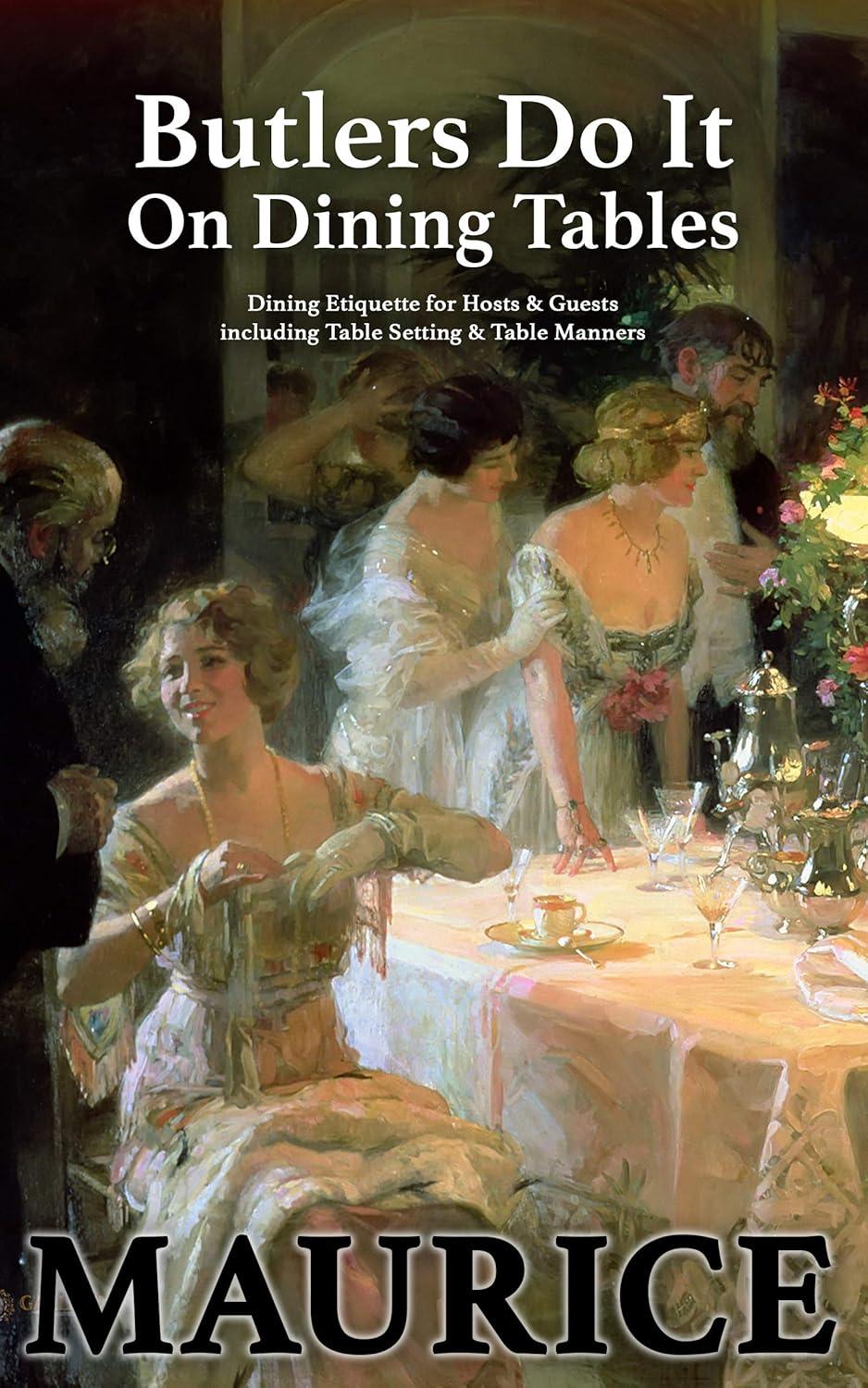
You lift the slim paperback from beside a salt cellar, its weight modest but definite in your hand. niknak Publishing’s mouthful of a title, Butlers Do It On Dining Tables: Dining Etiquette for Hosts & Guests, sits like a compact manual rather than a decorative coffee-table book. the matte cover has a faint tooth beneath your thumb and the pages give a soft papery rustle when you leaf through them; the type feels old-fashioned on the eye, the layout closer to a handbook than a glossy magazine. Left on the dining table,it shrinks the space around the placemats—sudden,domestic,a little theatrical—its spine barely creasing as you test a page.You sense scale promptly: small enough to tuck beside a napkin, significant enough to claim attention between a candlestick and a wine glass.
A first look at Butlers Do It On Dining Tables and what you’ll find inside
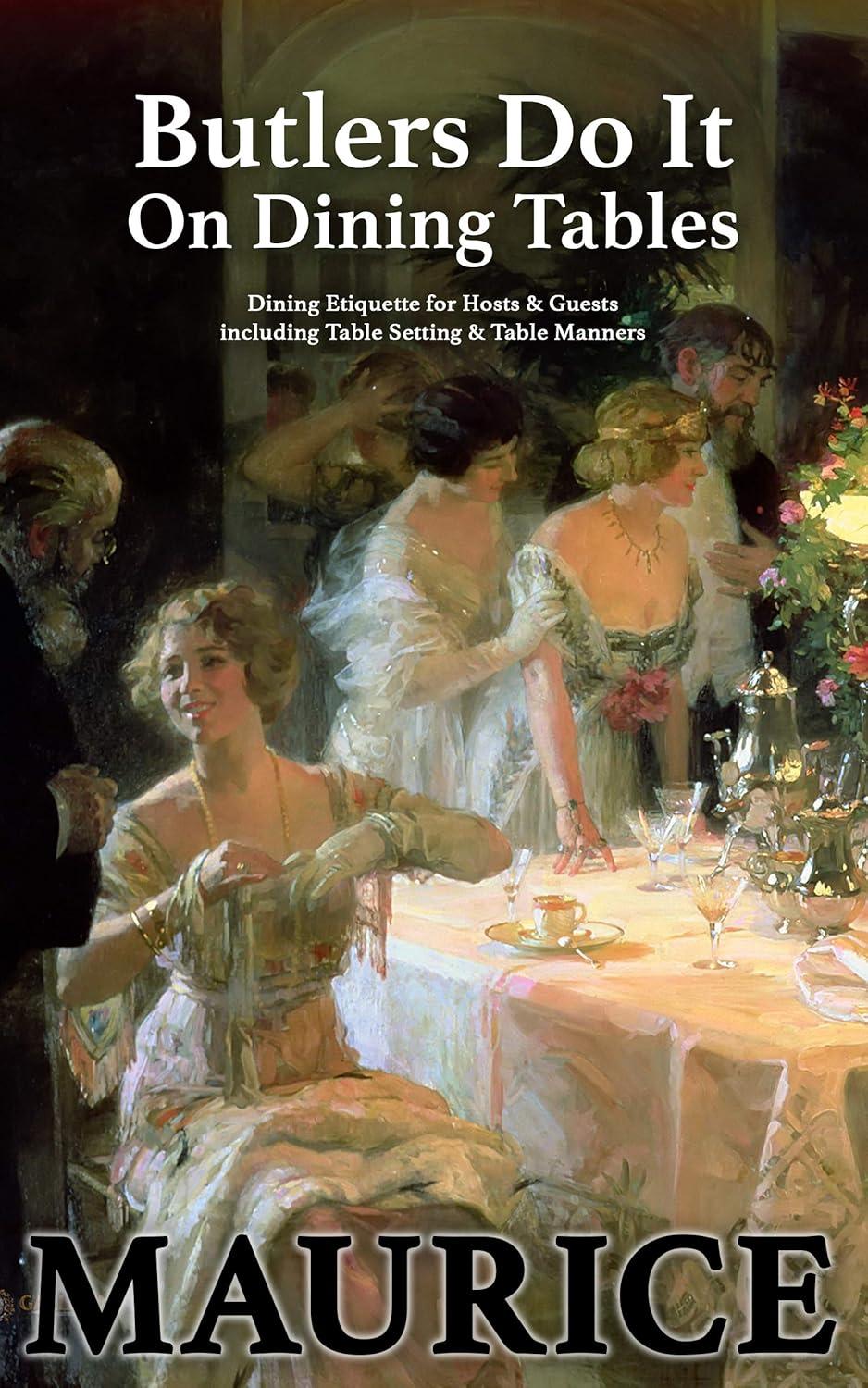
When you open the book, you’ll find a compact, chapter-led layout that moves quickly between practical instructions and short past asides. Sections on planning and executing a dinner sit alongside chapters on setting place settings for different sizes of gatherings; the pages alternate between step‑by‑step sequences (you can trace the order of cutlery or courses as you scan a spread) and brief, frequently enough anecdotal notes that interrupt the more procedural material. The tone shifts in situ: at one moment you’re following a checklist for invitations,the next you’re reading a pithy,historically framed observation that tends to punctuate the instructions.
Content is presented in easily browsable chunks so you can flip to a specific point — a formal place setting, the sequence of service, or a list of DOs and DON’Ts — without wading through long explanatory passages. Interspersed are a large number of short, labeled observations (numbered and historical in origin) that provide context rather than extended narrative; many of these offer speedy, memorable examples rather than exhaustive histories. The book runs to roughly 123 pages and contains around 380 historically verified notes, so the experience of reading it is more like dipping into a reference notebook than following a single sustained argument.
| Section type | How it appears as you read |
|---|---|
| Planning & Invitations | Practical checklists and timelines, broken into short bullet‑style points |
| Table setting & service | Step‑by‑step descriptions with sequence cues; visual descriptions that you can map directly onto a table |
| Table manners & Protocol | Concise rules interwoven with historical anecdotes and labeled DOs/DON’Ts |
The cover, layout and narrative voice as it introduces English dining etiquette to you
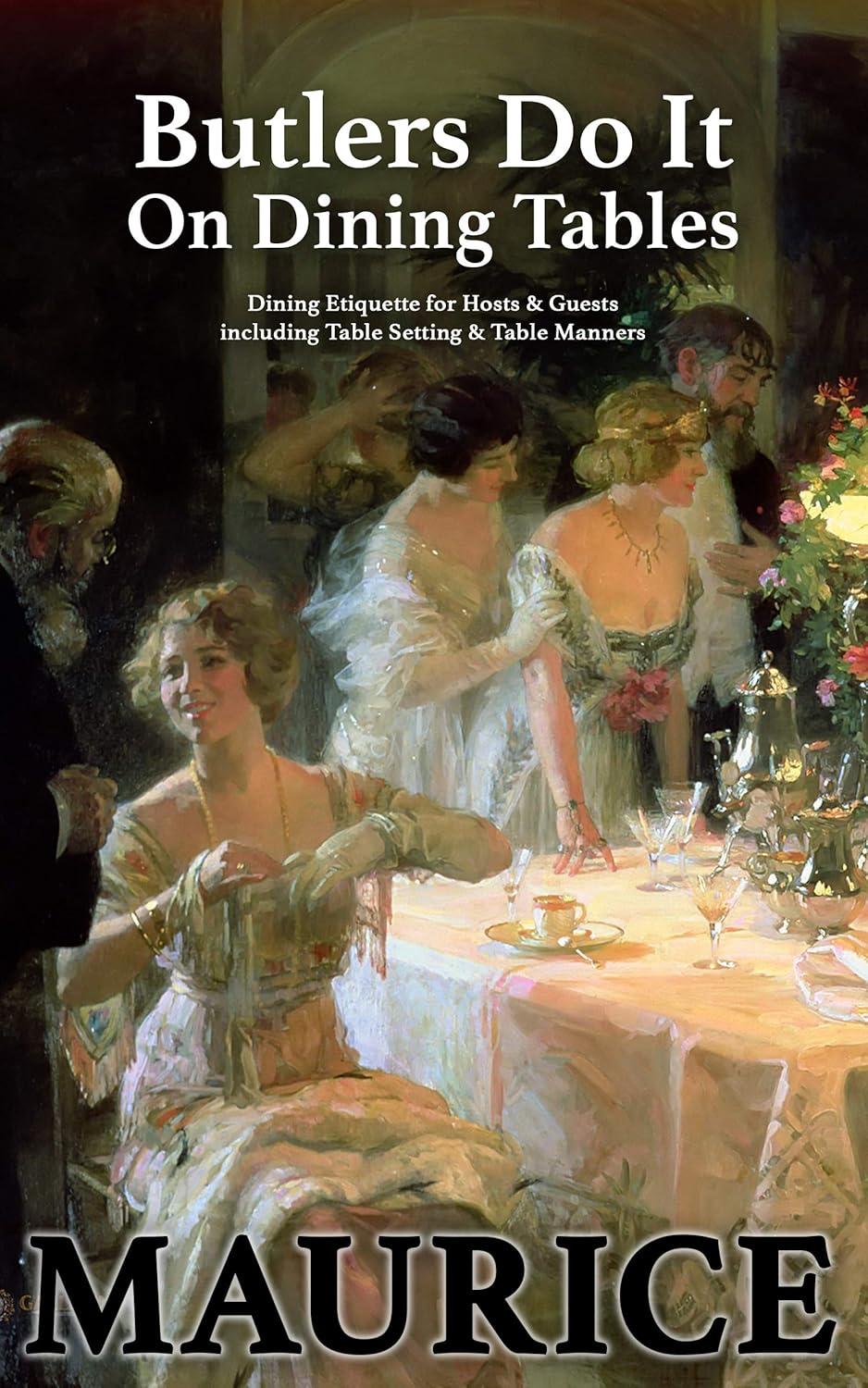
When you pick the book up, the cover settles into your hands with a modest, familiar weight; it doesn’t skitter away when you shift on a sofa and you find yourself smoothing the edges before you open it. The artwork and type choices read like an invitation to ceremony rather than a textbook — flourished lettering and a muted palette line up with small, centered headings that catch your eye as you tilt the book toward the light. The spine creases with a soft resistance when you open to the first pages,and the cover’s visual cues tend to prime you for formality even while your thumb lingers on the corner,indecisive about where to begin.
The internal layout presents content in short,digestible bursts that make it easy to dip in and out of; headings break the flow into clear stops,and paragraphs are spaced so your finger can keep place as you read.Margins leave room for the occasional margin note or for you to push the page back with your knuckle,and lists or numbered steps appear as small islands between narrative passages. Footnotes or historical asides crop up intermittently, and you often find yourself pausing at a bracketed anecdote — the rhythm of the pages encourages a stop-and-think pace rather than a run-through.
the narrative voice speaks to you directly and with a conversational tilt: instructions arrive as plain statements, then soften into wry asides that invite an imagining of a bygone dining room. It can feel brisk when delivering practical steps, then almost conspiratorial when recounting an old custom, and you notice your reading rhythm change accordingly — a quickened skim for the how-to bits, a slower chew on the historical morsels. Sentences occasionally tuck a small joke or a dated phrase into parentheses, and your eyes tend to catch on those little flourishes, hovering there before you push on to the next procedural line.
Paper, print and binding: the physical details you feel when you open it at the table
When you set it down at the table and pry it open, the first thing under your fingers is the cover’s give — not rock-hard, but not floppy either — so your thumb naturally nudges the front to find a agreeable grip. The pages make a soft, papery whisper as they separate; you might catch yourself smoothing a corner or pressing lightly on the fore-edge to keep the spread flat while you glance at the contents. The paper feels slightly toothy rather than glassy, so your fingertips pick up a mild resistance as you flip from one page to the next.
print sits visibly on the page; letters have a crisp edge when you lower your eyes, and the ink rarely puddles or feather. At the gutter the binding offers some tension — it holds the leaves securely, though you tend to open it a little wider on the table and let the spine relax before the book stays fully flat. Edges line up evenly, and the cut of the pages has a faint, papery scent that appears when you bury your face in the first few chapters. Little habits surface: you shift the book a fraction to avoid glare, you crease the margin with a fingertip to keep your place, and after a few pages the spine’s memory softens just enough for easier one-handed reading.
| Touch point | What you notice |
|---|---|
| Cover | Moderate stiffness; gives under thumb; holds position on the table |
| Pages | Matte, slightly toothy feel; soft sound when turned; edges neatly cut |
| Binding | Secure spine with initial tension; relaxes after a few opens to lay more easily |
Size, weight and how the book sits on your dining surface or slips into your bag
When you set the book down on a table it presents as a compact, rectangular object that doesn’t demand much real estate. Laid on a cloth placemat it usually settles without rising or rocking; on a bare wooden surface the cover can catch a little light and show fingerprints where you’ve handled it. If you leave it open to a page, the gutter doesn’t force the pages to lie entirely flat — they tend to curl gently toward the spine — so the book will sit with a slight lift unless it’s propped or weighted down by a menu or place card. Handling while clearing plates or shifting cushions often means you find yourself nudging it further from the edge to avoid spills.
Sliding the book into a bag is a matter of orientation and habit. It slips into most larger totes and messenger bags with room to spare, and you’ll commonly tuck it alongside a notebook or tablet so it stays upright. In a crowded bag it can bend a little where other items press against the spine; when carried solo in a shoulder bag you’ll notice the cover flex if you shift or sit down. Smaller purses and compact carry cases require you to position it flat or slightly angled, and occasional smoothing of the cover or corners after retrieval is part of the typical routine.
| Situation | typical behavior on contact |
|---|---|
| Cloth-covered dining table | Lies flat, edges tuck against placemat; small tendency to pick up creases from napkins |
| Hard surface (wood/glass) | Shows fingerprints easily; may slide if bumped |
| Large tote or work bag | Slides in beside other items, stays upright; spine can flex under pressure |
| Compact purse or clutch | Requires deliberate positioning; may need smoothing after removal |
Using it across real dinners: how you might consult it while hosting or attending
When a dinner is already underway the book sits most usefully as a small, hand-held reference you can consult between courses. You might hold it with one hand while smoothing a napkin with the other, flip to short lists or numbered steps and read a single paragraph to confirm the order of service, a fork placement or the correct moment to offer a toast. At times it is skimmed from memory — a quick glance at a heading rather than a deep read — and pages may be rhythmically thumbed back to the table of contents or index as you check a detail mid-conversation.
As a guest you tend to keep it out of sight, tucked on a side chair or inside a bag; as a host it often rests on a nearby sideboard or in a lap during quieter moments. It feels slightly creased where it’s been opened repeatedly, and you may find yourself unconsciously smoothing the page edges or marking a passage with a fingernail. In some households it becomes the quiet fallback when a seating mix-up occurs or when the service sequence needs a refresher — glanced at while rearranging chairs, consulted while signaling a server, or referenced under soft lighting to confirm formal cutlery order without interrupting the flow of the table.
| Moment during a dinner | What you’re likely to check |
|---|---|
| Just before guests arrive | Seating notes, short checklist for place settings |
| Between courses | Service sequence reminders, timing for clearing plates |
| When a protocol question arises | Brief protocol entries or quoted etiquette lines |
| After the meal | Notes on parting gestures and thank-you protocol |
How it lines up with your expectations and where practical limits appear for your use
Readers who expect a compact,anecdote-rich guide will find those expectations largely reflected in how the material reads during use. Short,historically flavored entries tend to work well as quick refreshers when consulted in the hours before a dinner or between planning tasks; passages are easy to dip into and to recall later. When flipped through on a device or a bedside table, the rhythm of the text encourages skimming rather than sustained, linear study, and small details tend to stick through repetition rather than through deep procedural rehearsal.
At the same time, practical limits become apparent in situations that demand step-by-step coordination or real-time reference under pressure. The narrative approach trades away exhaustive checklists and minute-by-minute choreography, so consulting the book mid-service can feel like piecing together fragments rather than following an operational script. Digital navigation can introduce slight friction when rapid lookup is needed, and the compact presentation leaves some topics more suggestive than fully worked-out—this is noticeable when complex service sequencing or complete staffing roles are involved.
| Typical use | Observed practical limit |
|---|---|
| Quick pre-dinner refresh | Well suited; entries are easy to scan |
| Planning a multi-staff formal service | Tends to be less detailed on choreography and timing |
| Casual historical interest between readings | Engaging but not exhaustively sourced in every instance |
View full product details and formats on Amazon
Storing, revisiting and quick reference habits when the book lives in your home
When the book settles into your home it rarely stays on a shelf like a museum piece. You’re more likely to find it half-tucked beneath a stack of menus on the coffee table, wedged between cookery volumes on the kitchen windowsill, or lying face-up on the dining table the afternoon before guests arrive. Quiet habits develop around it: fingers brush the edge of the cover as you reach for a glass, you smooth a page with the heel of your hand, and a receipt or napkin is pressed between sections to hold a page.The spine will loosen where you most frequently enough open it, and the corners that get used for quick marking tend to soften first.
Revisiting feels episodic. A quick flip-through happens the night before a gathering; a more focused read happens when you’re setting out cutlery and notice an ambiguous detail you want to check. In those rushed moments you don’t read from the front — you scan, skim, and search for the phrase or illustration that will answer the immediate question. You’ll often prop the book open with one hand while arranging place settings with the other, or keep it upright against a salt cellar so you can glance at it without interrupting the setup. Notes in pencil and dog-eared corners become the shorthand you rely on most.
| Quick-reference cue | How you typically find it when pressed for time |
|---|---|
| Place setting layout | Flipped open to a bookmarked spread,sometimes held down by a tea cup |
| Seating order reminders | Marked with a folded corner or a slip of paper near the index |
| Formal serving sequence | Underlined lines in a margin you glance at while arranging plates |
Over time you adopt small rituals: a pencil left in the gutter for penciled notes,a stack of sticky tabs where you keep the most consulted pages,or a habit of scanning the table of contents before a big event so the book feels familiar even when you only consult it briefly. it can feel awkward to hold open with one hand if the binding is stiff, so you’ll casually lean it or wedge it under something nearby. These practical adjustments become part of how the volume lives — less a reference shelf piece, more a working tool that bears the traces of use.
A Note on Everyday Presence
You notice how the piece softens into the room over time, taking on the small, ordinary traces of daily life—cups left for a minute, a folded napkin, a copy of Butlers Do It On Dining Tables: Dining Etiquette for Hosts & Guests including Table Setting & Table Manners (English etiquette Book 1) that lives on a corner. In daily routines it becomes the place where elbows rest and papers slide, and the surface gathers a map of faint wear that only reads as familiar when you pass by. As the room is used, it moves from object to backdrop in regular household rhythms, its comfort and scale shaping how space is used without asking for attention. After enough mornings and evenings,it simply stays.
As an Amazon Associate I earn from qualifying purchases.