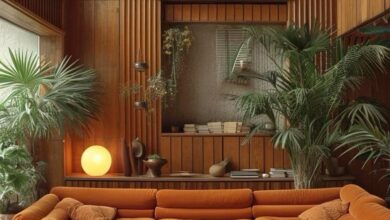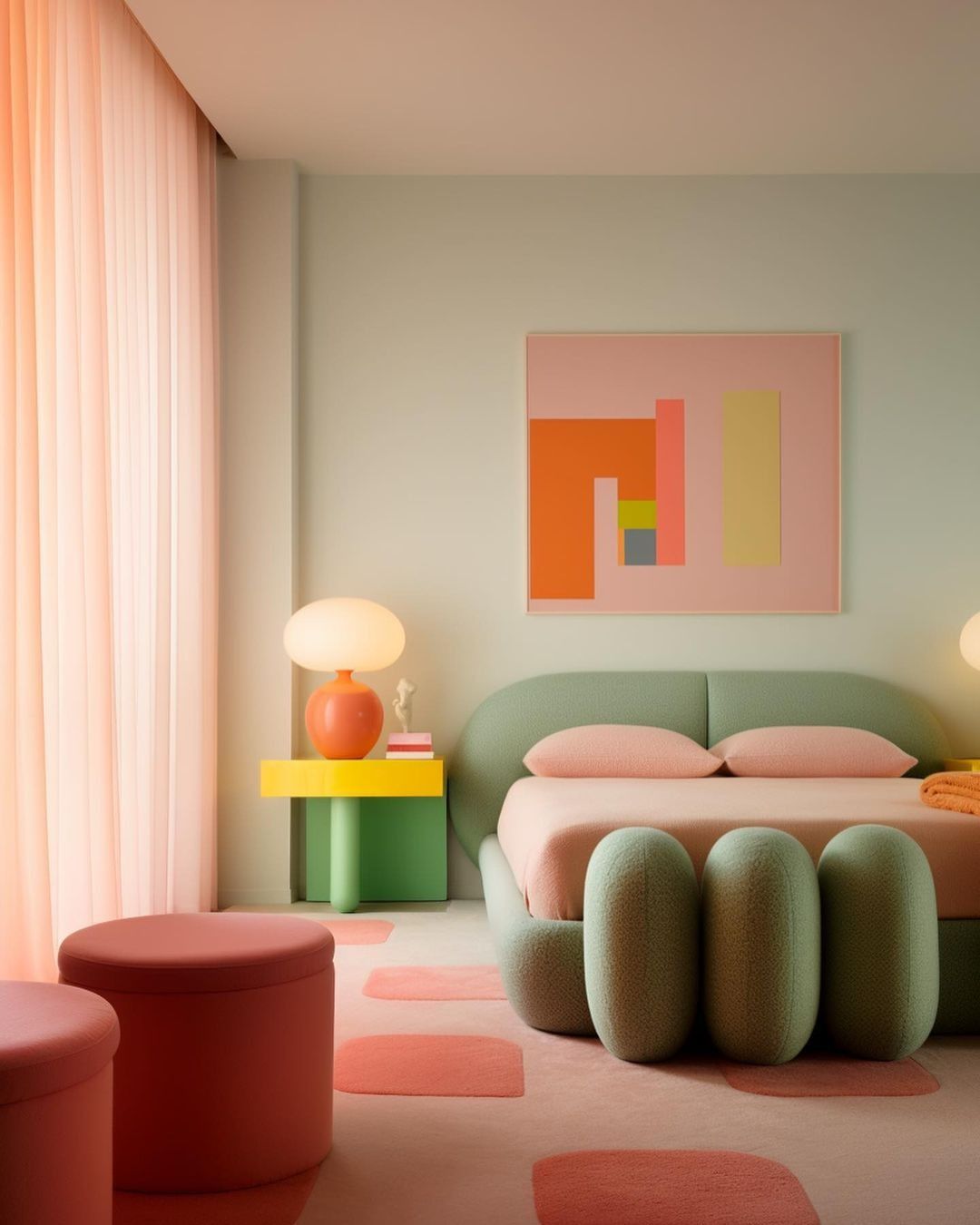
Chromatic Charisma: Transforming Spaces with Colorful Interior Design
Step into a world where beige walls are a thing of the past and embrace the vibrant, transformative power of chromatic charisma in interior design. In this article, we’ll explore how bold colors can breathe life into any space, creating a dynamic and visually striking environment that captivates the senses. From rich jewel tones to playful pastels, get ready to discover the magic of colorful interiors and how they can revolutionize the way we live and interact with our surroundings. Welcome to the world of Chromatic Charisma.
The Power of Color Psychology in Interior Design
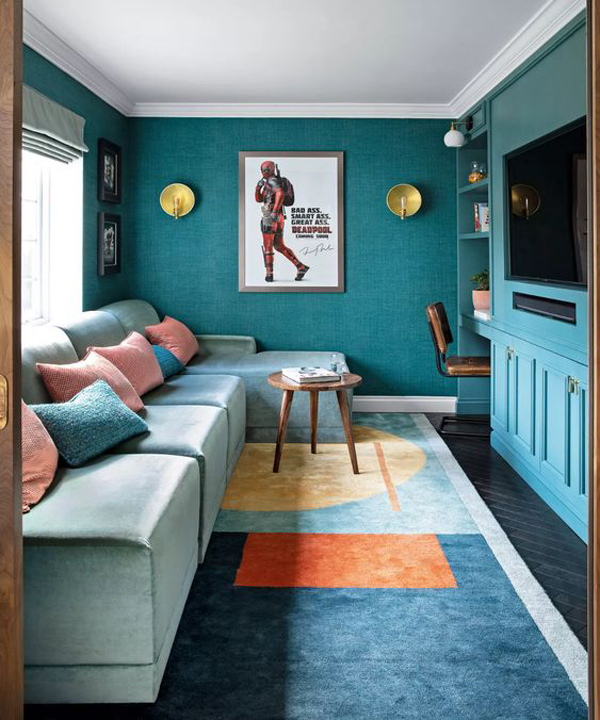 Color psychology plays a crucial role in interior design, influencing the mood and atmosphere of a space. By strategically incorporating different hues, you can create a harmonious and visually appealing environment that speaks to your personality and style.
When selecting colors for your interior design project, consider the following:
-
- Warm Colors: Shades like red, yellow, and orange can evoke feelings of energy, passion, and warmth.
-
- Cool Colors: Colors such as blue, green, and purple promote a sense of calmness, tranquility, and serenity.
-
- Neutral Colors: Neutral tones like beige, gray, and white offer a versatile backdrop that complements any color scheme.
Remember, the key to successful color psychology in interior design is balance. Experiment with different combinations and don’t be afraid to step out of your comfort zone. With a bit of creativity and confidence, you can transform your space into a vibrant and inviting oasis that reflects your unique taste and personality.
Creating Visual Interest with Bold Color Choices
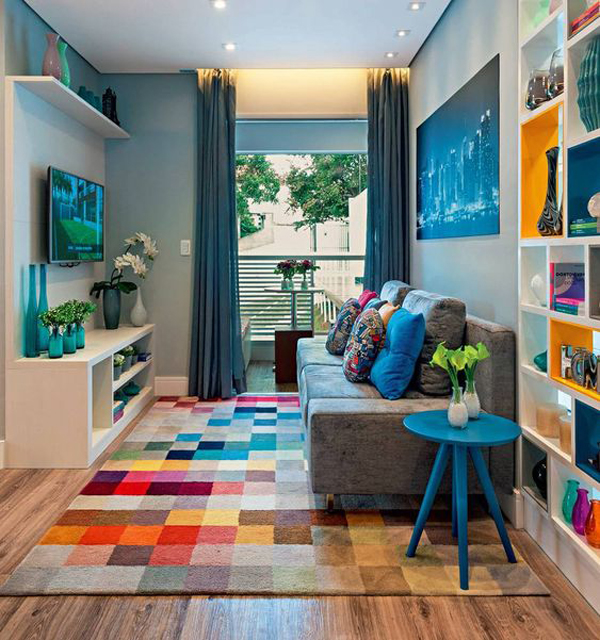 When it comes to interior design, color plays a crucial role in setting the mood and atmosphere of a space. Bold color choices can instantly transform a room, adding visual interest and depth. By strategically incorporating vibrant hues into your design scheme, you can create a dynamic and lively environment that is sure to captivate the eye.
One way to infuse your space with chromatic charisma is to use a mix of complementary colors. Pairing bold shades like red and blue, or yellow and purple, creates a striking contrast that energizes the room. Consider painting an accent wall in a bold color to draw attention to a specific area, or incorporating colorful furniture pieces to add a pop of excitement to the space.
Don’t be afraid to experiment with different color combinations and patterns to create a truly unique and personalized design. Mix and match bold colors with neutral tones to strike a balance and prevent overwhelming the space. Remember, the key to creating visual interest with bold color choices is to be fearless and embrace the power of color to transform your environment.
Incorporating Pops of Color in Neutral Spaces
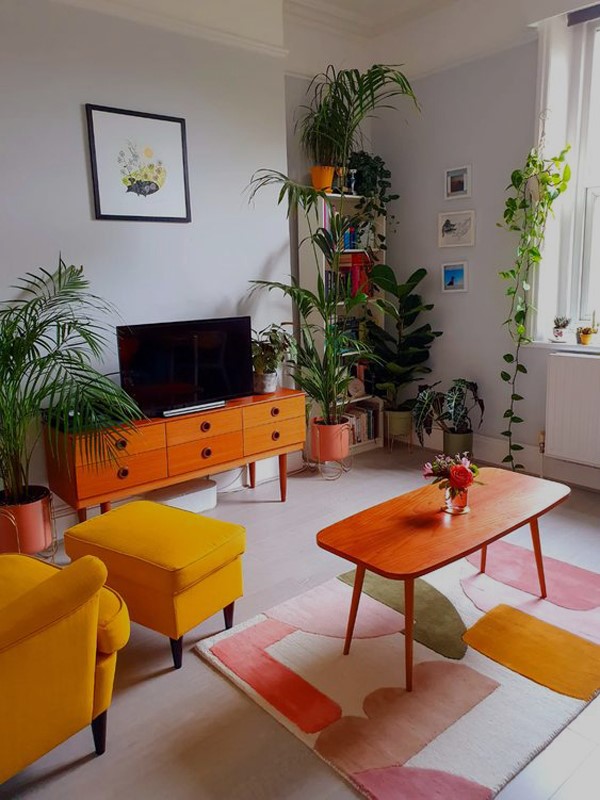 From minimalist to maximalist, incorporating pops of color in neutral spaces can truly transform a room from bland to grand. By strategically placing vibrant hues throughout your home, you can create a dynamic and visually appealing atmosphere that reflects your personal style. Whether you prefer bold primary colors or soft pastels, there are endless possibilities for infusing chromatic charisma into your interior design.
One effective way to introduce color into a neutral space is through accent furniture pieces. Consider adding a vibrant sofa or a statement armchair in a bold shade like ruby red or electric blue. These pieces not only inject personality into the room but also serve as focal points that draw the eye and create a sense of cohesion. Pairing colorful furniture with neutral backgrounds allows the colors to pop without overwhelming the space.
In addition to furniture, incorporating colorful accessories such as throw pillows, rugs, and artwork can add layers of interest and depth to a room. Mix and match different textures and patterns to create a dynamic contrast that brings the space to life. A strategically placed piece of art or a vibrant rug can tie the color scheme together and elevate the overall aesthetic of the room. Remember, subtle pops of color can make a big impact in a neutral space, so don’t be afraid to experiment and have fun with your design choices.
Using Color Blocking Techniques for a Modern Look
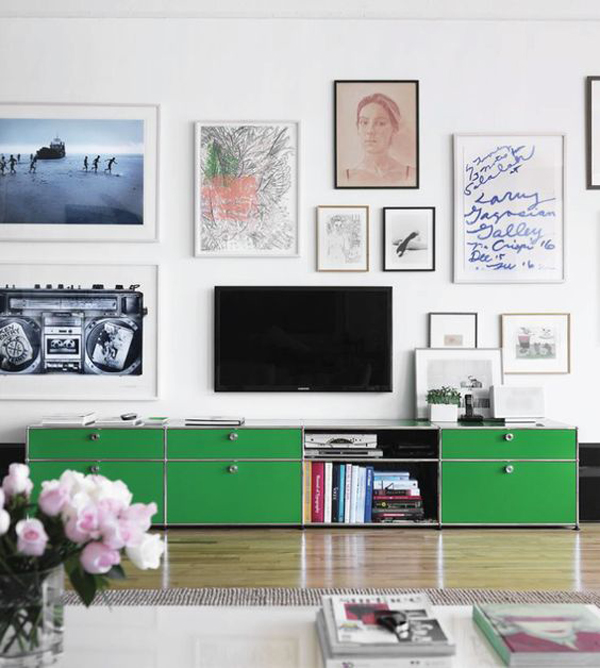 Color blocking is a powerful design technique that can instantly elevate the look and feel of any space. By strategically grouping together colors that are opposite each other on the color wheel, you can create a bold, modern aesthetic that is visually striking. When done right, color blocking can add dynamism and personality to a room, turning it into a vibrant and engaging space that reflects your unique style.
When incorporating color blocking into your interior design, it’s important to consider the overall mood and atmosphere you want to create. Different color combinations can evoke different emotions and energies, so choose a palette that resonates with the vibe you’re aiming for. For example, pairing complementary colors like blue and orange can create a harmonious and balanced feel, while contrasting colors like pink and green can add a lively and energetic touch to a room.
To effectively implement color blocking in your decor, consider using bold, solid colors in large swaths. You can paint walls, add colorful furniture pieces, or even incorporate statement-making rugs and curtains to create visual interest and a sense of cohesion. Don’t be afraid to experiment with different color combinations and placements until you find the perfect balance that transforms your space into a modern masterpiece. As the renowned interior designer, Kelly Wearstler, once said, “No space is complete without the perfect color palette.”
Harmonious Color Schemes for a Balanced Design
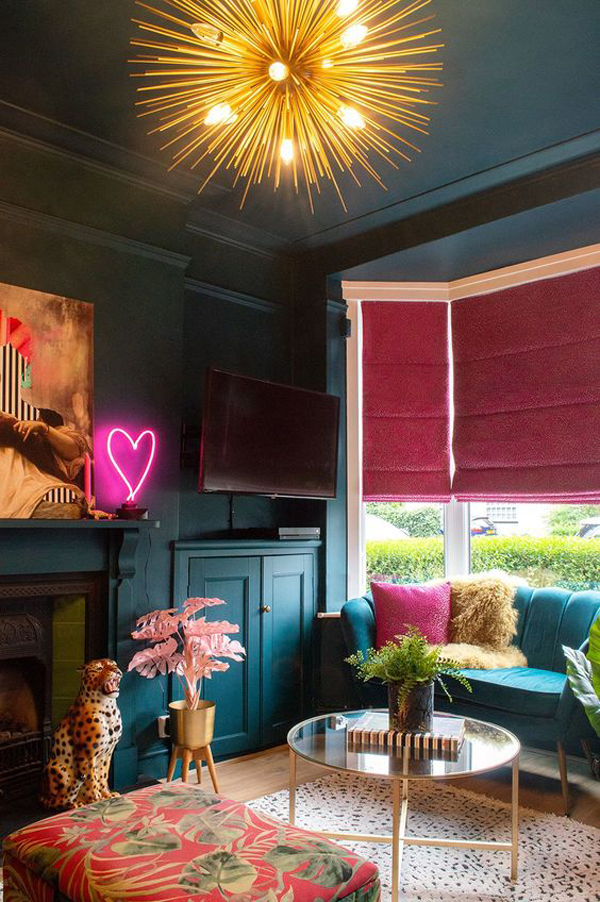 Color plays a significant role in creating a harmonious and balanced design in interior spaces. By carefully selecting the right color schemes, you can transform a room from dull to vibrant, creating a visually appealing environment that uplifts the mood of its occupants. Here are some tips to help you achieve chromatic charisma in your interior design:
Firstly, consider using analogous color schemes that consist of colors that are adjacent to each other on the color wheel. This harmonious combination creates a soothing and cohesive look, making the space feel unified and balanced. Examples of analogous color schemes include blue, green, and teal or yellow, orange, and red.
Another option is to opt for complementary color schemes that consist of colors that are opposite each other on the color wheel. This dynamic combination creates a sense of vibrancy and contrast, adding visual interest to the space. Examples of complementary color schemes include blue and orange or red and green.
Adding Depth and Dimension with Color Gradients
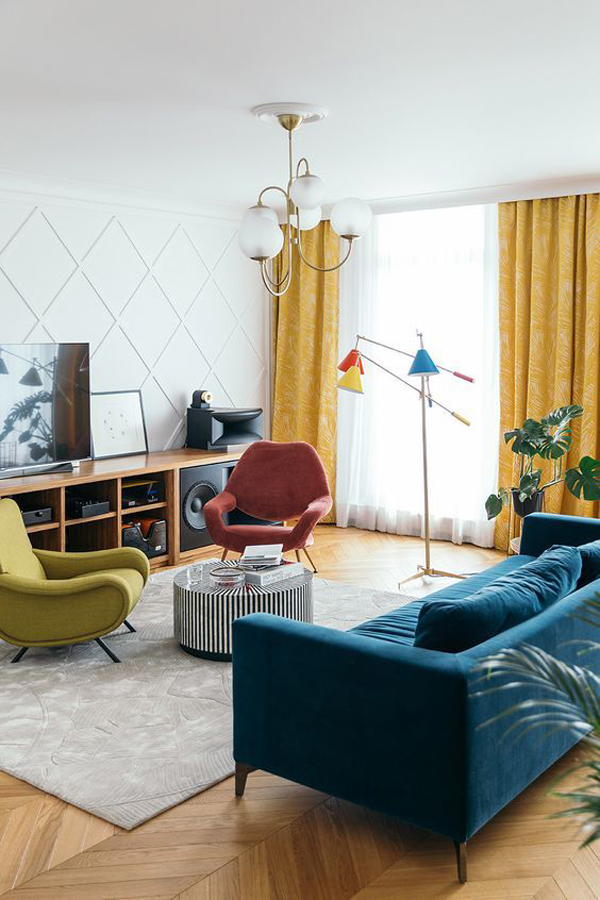 Color gradients are a powerful tool in interior design that can add depth and dimension to any space. By incorporating a range of hues that seamlessly blend into each other, you can create a visually stunning environment that captivates the eye. Whether you want to make a small room feel larger or add a pop of color to a neutral palette, color gradients offer endless possibilities for transformation.
One way to utilize color gradients in your interior design is through accent walls. By painting a wall with a gradient from light to dark, you can create a focal point that draws attention and adds drama to the room. For a more subtle approach, consider incorporating gradient textiles such as curtains or throw pillows to infuse color throughout the space. Additionally, using furniture or decor pieces with gradient finishes can add a modern touch to any room.
Another way to incorporate color gradients is through lighting. Installing colored light fixtures that transition from one shade to another can create a dynamic effect that changes with the time of day. You can also play with natural light by strategically placing gradient window treatments that filter light in varying intensities. By experimenting with different gradient techniques, you can customize your space to reflect your unique style and personality.
Infusing Energy with Vibrant Accent Colors
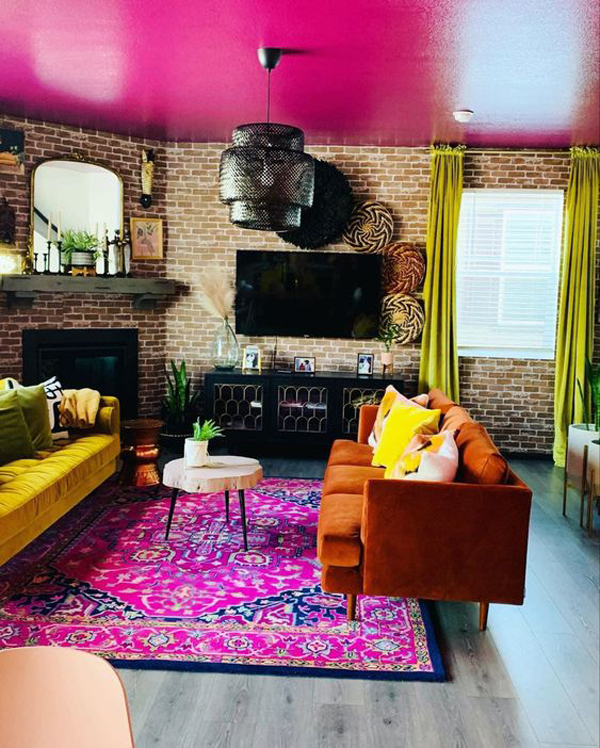 Injecting vibrancy into a room can completely transform the atmosphere and mood. By infusing energy with vibrant accent colors, you can create a space that is lively and dynamic. Bold hues such as red, blue, and yellow can add a pop of color that catches the eye and invigorates the senses. These colors can be strategically incorporated through various elements such as furniture, artwork, and accessories to create a cohesive and visually appealing design.
When using vibrant accent colors, it’s important to consider the overall color scheme of the room. Harmonizing contrasting colors can create a visually stimulating environment, while clashing colors can be overwhelming. To achieve a balanced look, consider using a color wheel to help guide your color choices. Complementary colors, such as green and purple, can create a harmonious color palette that is both visually striking and cohesive.
“Color is a power which directly influences the soul.” – Wassily Kandinsky
Additionally, incorporating vibrant accent colors through textiles and soft furnishings can add warmth and personality to a space. Consider using bold patterned rugs, throw pillows, and draperies to introduce pops of color that can be easily swapped out to refresh the look of the room. By experimenting with different colors and textures, you can create a lively and inviting space that reflects your personal style and energizes the senses.
Enhancing Natural Light with Light-toned Color Palettes
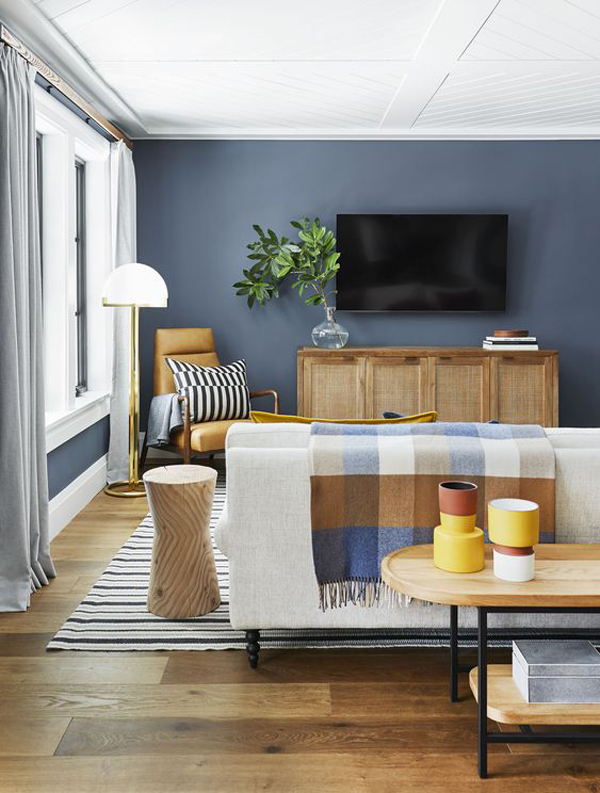 When it comes to interior design, color plays a pivotal role in transforming a space from dull to delightful. Light-toned color palettes have the power to enhance natural light, creating a bright and airy atmosphere that exudes charm and elegance.
By incorporating light tones such as soft blues, pale greens, and creamy yellows, you can amplify the natural light in your home, making it feel more spacious and inviting. These color choices not only reflect light but also create a sense of tranquility and serenity, perfect for relaxing and unwinding after a long day.
Embracing a light-toned color palette doesn’t mean sacrificing style or personality. In fact, by pairing these serene hues with vibrant accent pieces or bold patterns, you can add a touch of chromatic charisma to your space, creating a harmonious balance that is both visually stunning and uniquely yours.
Stylishly Incorporating Pastels for a Soft Aesthetic
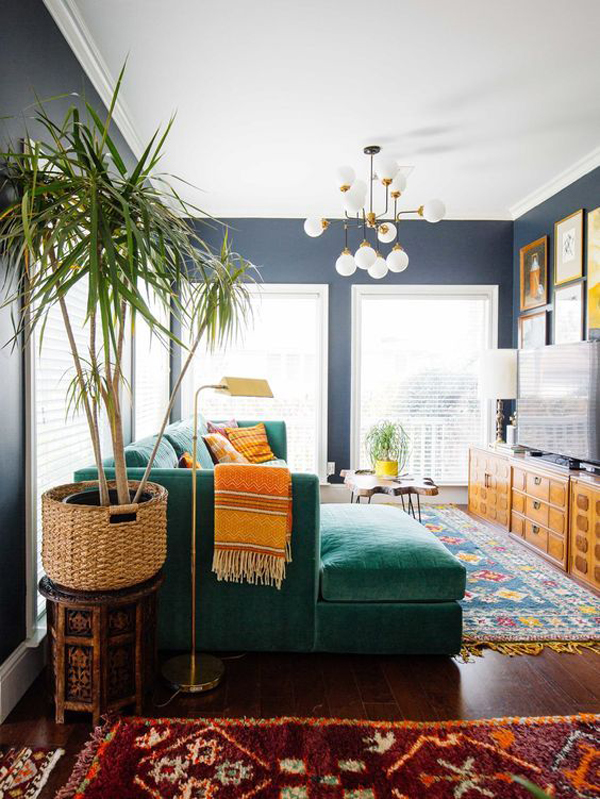 When it comes to interior design, colors play a crucial role in setting the mood and ambiance of a space. One of the most popular color schemes that can instantly create a soft and dreamy aesthetic is incorporating pastel tones. These soft, muted hues are perfect for creating a calming and soothing atmosphere in any room.
One way to stylishly incorporate pastels into your interior design is by using them as accent colors. Pairing pastel shades with neutral tones such as white, beige, or grey can create a sophisticated and elegant look. Consider adding pastel throw pillows, blankets, or vases to add a pop of color to your living room or bedroom.
For a more dramatic effect, you can also consider painting a feature wall in a pastel hue. This can serve as a focal point in the room and instantly elevate the overall look of the space. Don’t be afraid to mix and match different pastel shades to create a unique and personalized aesthetic that reflects your personality and style.
Playing with Contrasting Colors for a Dynamic Space
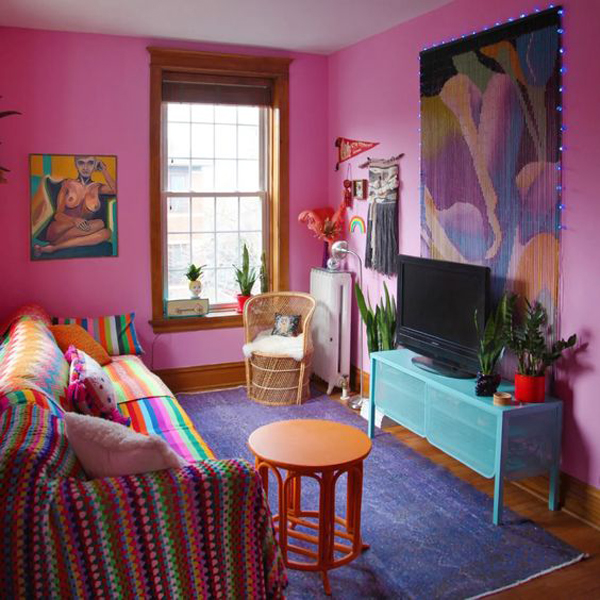 In interior design, playing with contrasting colors can truly transform a space, infusing it with energy and vibrancy. By expertly combining bold hues with more subtle tones, you can create a dynamic and visually stimulating environment that captivates the eye. Whether you opt for a dramatic black-and-white color scheme or mix vibrant primary colors with calming neutrals, the possibilities are endless when it comes to creating a chromatically charismatic space.
One way to incorporate contrasting colors into your design scheme is by choosing complementary pairs that sit opposite each other on the color wheel. For example, pairing rich navy blue with bright mustard yellow can create a striking visual impact that adds depth and character to a room. Alternatively, you can experiment with analogous colors, which are next to each other on the color wheel, to achieve a more subtle yet harmonious look. By selecting colors that contrast while still complementing each other, you can bring a sense of balance and cohesion to your space.
To enhance the impact of contrasting colors in your design, consider incorporating them through furniture, accessories, and decor elements. Bold statement pieces like a vibrant red sofa or a turquoise accent wall can instantly inject personality and drama into a room, while smaller details such as throw pillows, rugs, and artwork can tie the color scheme together. Remember, the key to successful color contrast is finding the right balance between boldness and restraint, creating a space that is visually stimulating yet still feels cohesive and inviting. Let your creativity run wild as you experiment with different color combinations and watch as your space comes to life with chromatic charisma.
Making a Statement with Monochromatic Color Schemes
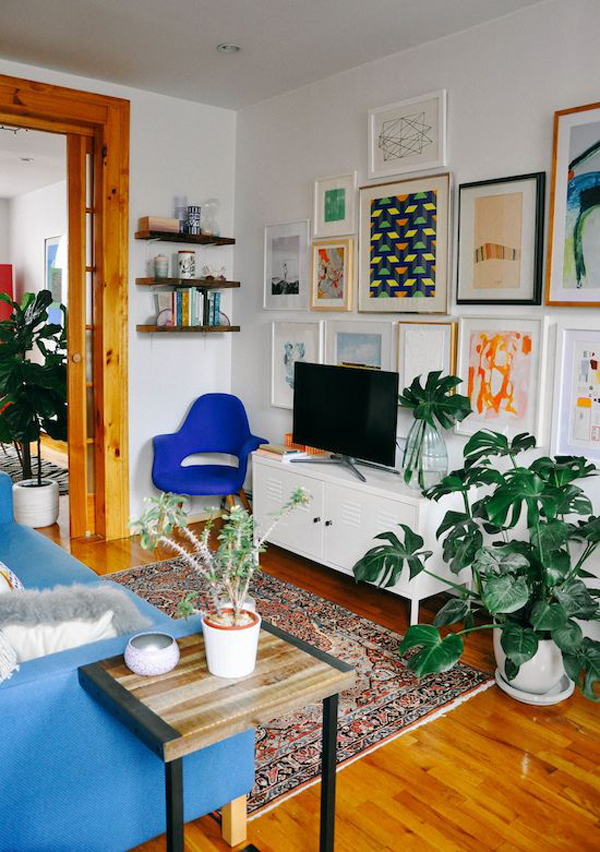 Monochromatic color schemes offer a sophisticated and impactful way to make a statement in interior design. By using varying shades of a single color, you can create a cohesive and harmonious look that is both elegant and visually striking. Whether you choose to go bold with vibrant hues or keep it subtle with muted tones, monochromatic design can transform any space into a stylish oasis.
One of the key advantages of using a monochromatic color scheme is its ability to create a sense of unity and flow throughout a room. By sticking to one color palette, you can tie together different elements in the space, such as furniture, accessories, and decor, to create a seamless and cohesive look. This can help to create a sense of harmony and balance, making the room feel more polished and well-designed.
When working with a monochromatic color scheme, don’t be afraid to play with texture and pattern to add depth and interest to the design. Mixing different textures, such as velvet, linen, and leather, can create visual contrast and make the space feel more dynamic. Additionally, incorporating patterns, such as stripes or geometric shapes, can add a touch of personality and whimsy to the design. Remember, the key to a successful monochromatic design is to find the right balance between color, texture, and pattern to create a space that is both visually appealing and inviting.
Incorporating Metallic Accents for a Luxurious Touch
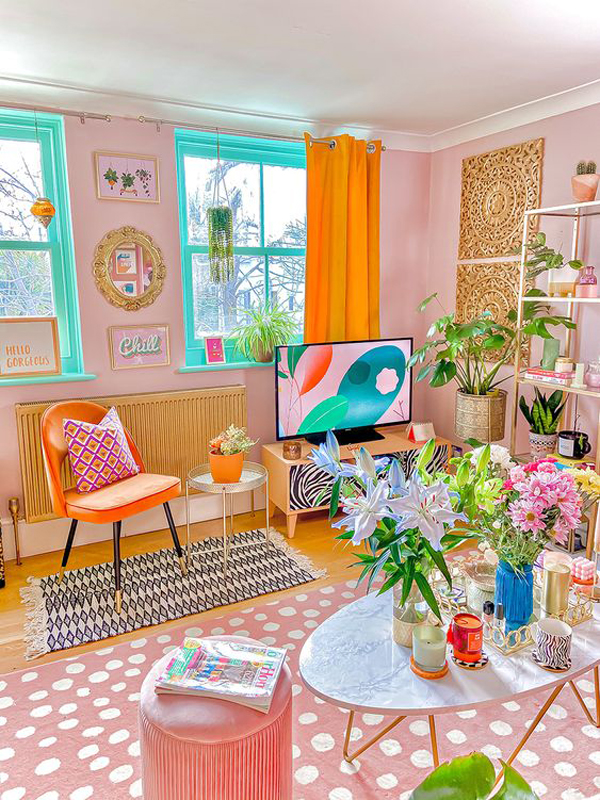 Metallic accents can instantly elevate the luxurious feel of any space, adding a touch of glamour and sophistication. Incorporating these shiny elements into your interior design can create a stunning visual impact that is sure to impress. With their reflective surfaces, metallic accents can help to brighten up a room, making it feel more spacious and airy.
One way to incorporate metallic accents into your decor is by using gold or silver accessories such as picture frames, vases, or decorative trays. These subtle touches can add a hint of elegance without overwhelming the overall design scheme. Additionally, you can opt for furniture pieces with metallic legs or hardware to create a modern and stylish look that is both on-trend and timeless.
For a bolder statement, consider incorporating metallic wallpaper or accent walls into your space. Metallic wallpapers come in a variety of colors and patterns, from sleek silver stripes to glamorous gold geometric designs. By adding a metallic accent wall, you can create a focal point in the room that exudes luxury and sophistication. Whether you choose to go all out with metallic decor or subtly sprinkle in a few shimmering touches, incorporating these accents is sure to bring a touch of opulence to your home.
Evoking Serenity with Cool-Toned Color Palettes
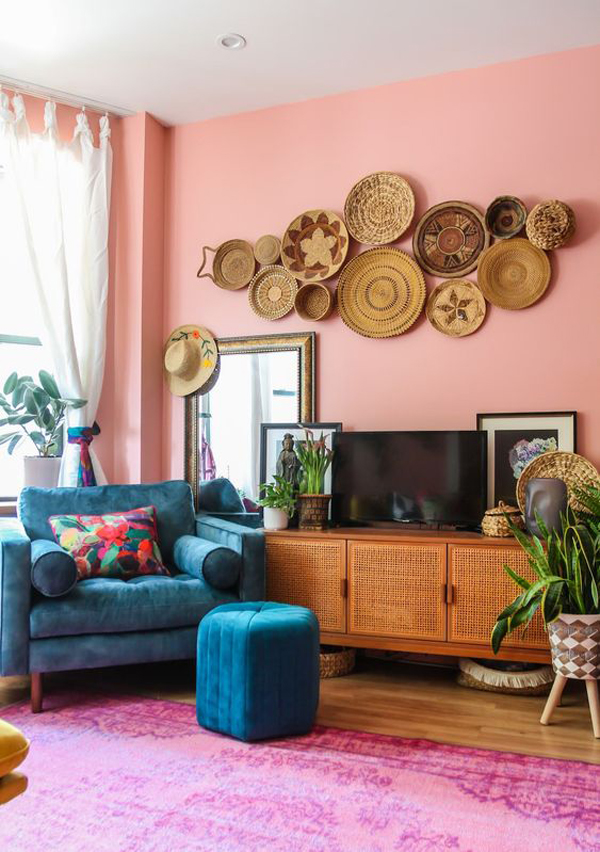 Color has the power to drastically transform the ambiance of a space, evoking different emotions and setting the tone for the room. When it comes to creating a serene atmosphere in your home, cool-toned color palettes can work wonders. Shades of blue, green, and purple are known for their calming and soothing properties, making them perfect for infusing a sense of tranquility into your living space.
One way to incorporate cool-toned color palettes into your interior design is by choosing furniture and decor items in shades like soft blues, muted greens, and lavender tones. These colors can help create a sense of relaxation and serenity, making your home feel like a peaceful retreat from the outside world. Consider adding a cozy blue sofa, a mint green accent chair, or lavender throw pillows to infuse a sense of calm into your space.
Another way to enhance the serene vibe of your home is by using artwork and accessories in cool-toned hues. Hang calming ocean-inspired paintings or nature prints in shades of blue and green to bring a sense of tranquility to your walls. Incorporate decorative accents like vases, candles, and rugs in cool tones to create a cohesive and calming color palette throughout your space. Remember, the key to evoking serenity with cool-toned colors is to keep the palette harmonious and balanced, creating a peaceful and relaxing atmosphere in your home.
Bringing Warmth and Comfort with Earthy Hues
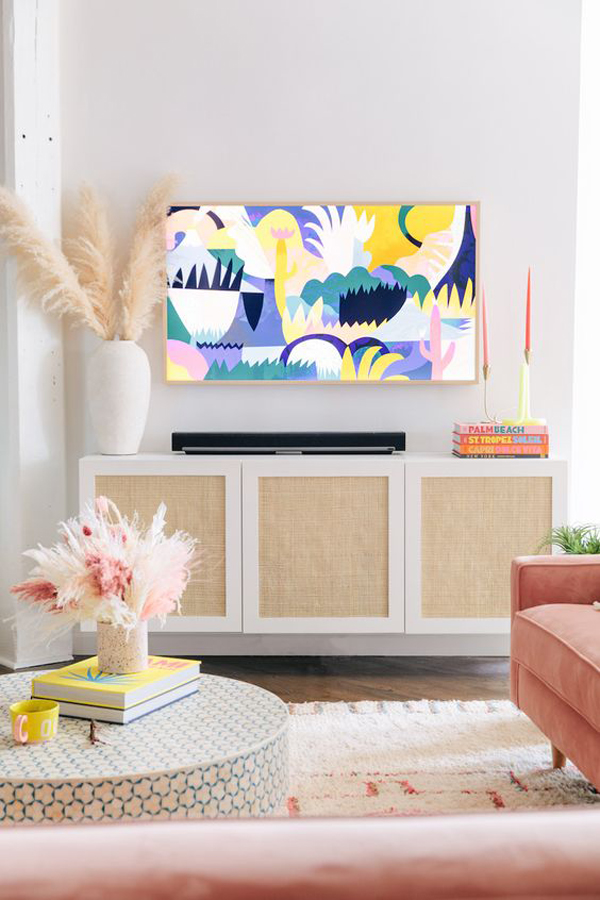 Earth tones have a remarkable ability to bring warmth and comfort to any space, making them a popular choice for interior design. Shades of brown, green, and beige create a soothing atmosphere that evokes a sense of connection to nature. By incorporating earthy hues into your home, you can transform your living space into a sanctuary of relaxation and serenity.
One way to infuse your home with chromatic charisma is by painting the walls in earthy tones such as terracotta or olive green. These colors can instantly add depth and richness to a room, creating a cozy and inviting ambiance. To complement the earthy palette, consider adding accessories in warm tones like rust or mustard yellow. This can help tie the whole look together and create a cohesive and harmonious design scheme.
In addition to paint and accessories, furniture plays a key role in bringing warmth and comfort to a space. Opt for pieces in natural materials like wood or rattan, which can enhance the earthy feel of the room. Incorporating textiles in earth tones, such as a plush brown sofa or a soft beige rug, can further enhance the cozy atmosphere. By incorporating these elements, you can create a space that not only looks beautiful but also feels welcoming and comforting.
Transforming Spaces with Unexpected Color Pairings
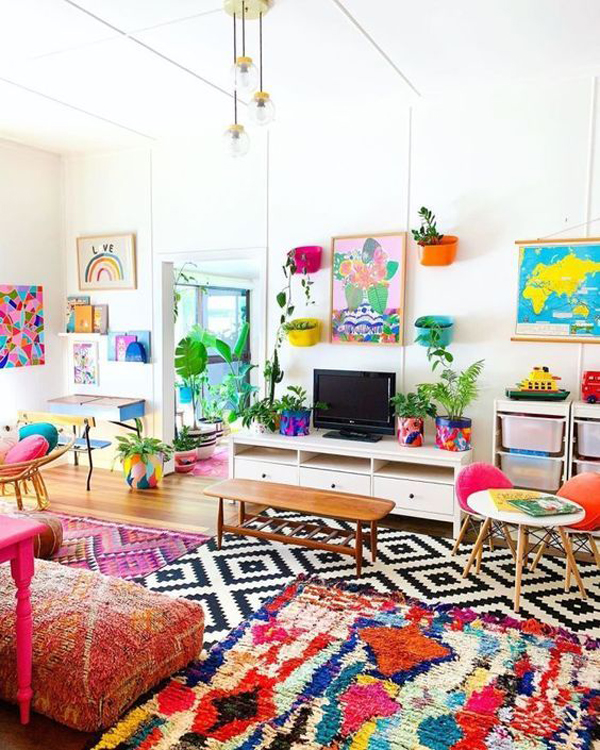 Injecting a burst of personality into your living space can be as simple as playing with unexpected color pairings. By daring to step outside the traditional color palette, you can create a truly dynamic and vibrant atmosphere that is sure to leave a lasting impression.
Embrace the power of contrast by juxtaposing bold hues with more subdued tones. For example, pair a rich emerald green with a soft blush pink for a sophisticated and modern look. Or experiment with pairing a deep navy blue with a sunny mustard yellow for a dramatic and striking aesthetic. The key is to strike a balance between the colors to create a harmonious yet visually stimulating environment.
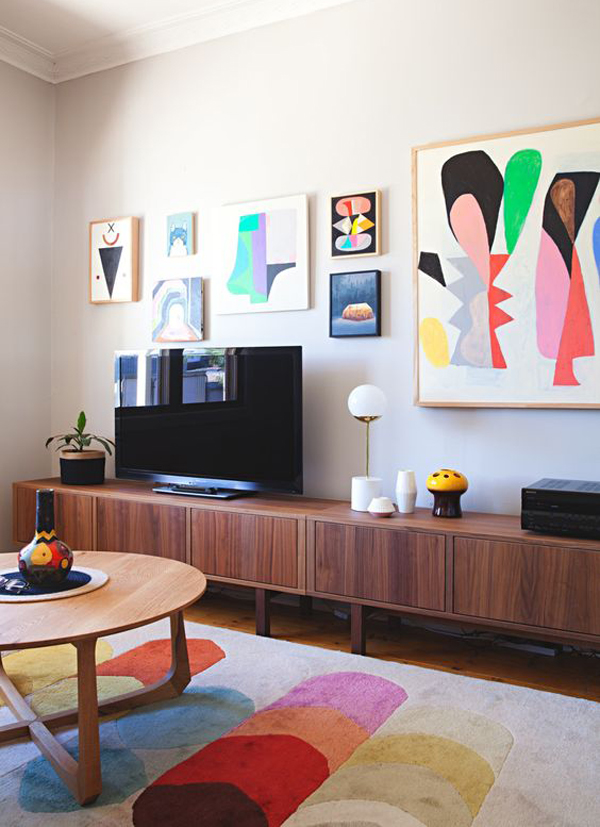
Don’t be afraid to mix and match different textures and materials to enhance the impact of your color choices. Consider pairing a sleek velvet sofa in a jewel-toned hue with a rustic wooden coffee table for a luxurious yet down-to-earth feel. Incorporating metallic accents like copper or gold can also add a touch of glamour to your space and elevate the overall design.
 Q&A
Q&A
Q: What is chromatic charisma in interior design?
A: Chromatic charisma refers to the use of vibrant and bold colors to transform spaces and create a visually striking environment.
Q: How can colorful interior design impact a space?
A: Colorful interior design can affect the mood, energy, and perception of a space, making it more inviting, lively, and stimulating.
Q: What are some tips for incorporating colorful elements into a room?
A: Start by choosing a color palette that speaks to you and complements your personal style. Introduce color through furniture, artwork, textiles, and accessories to add pops of personality.
Q: How can different colors evoke different emotions in a room?
A: Colors have the power to influence emotions. For example, blues and greens can create a sense of calm and tranquility, while yellows and oranges can energize and uplift.
Q: What are some popular color trends in interior design right now?
A: Pastels, jewel tones, and earthy hues are all popular choices in interior design trends. Mixing and matching these colors can create a dynamic and playful look.
Q: How can someone experiment with colorful interior design without overwhelming a space?
A: Start by incorporating colorful accents or focal points in a room, such as a statement wall, colorful furniture piece, or vibrant artwork. Gradually introduce more color as you become more comfortable with the boldness.
As an Amazon Associate I earn from qualifying purchases.