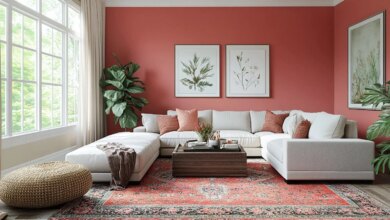
Cozy and Modern Attic Bedroom Ideas for Every Home
Imagine transforming your attic from a mere storage spot into a serene sanctuary tailored around innovative attic bedroom designs, cozy retreats, and clever solutions for angled ceilings. This comprehensive guide explores practical strategies to convert challenging architectural features into inviting, stylish spaces. Discover how to enhance rustic aesthetics, tackle low ceiling challenges to create an illusion of height, and optimize every inch for functional storage. Learn how to arrange furniture for seamless flow, select finishes that lighten sloped surfaces, and craft a purposeful room that feels far from a cluttered hobby nook.
Think of attics as intricate three-dimensional puzzles. The interplay of slanted walls, dormers, and knee walls demands thoughtful choices—from selecting the ideal bed height to determining wardrobe depth and layering lighting effectively. This article also delves into family-friendly attic bedroom solutions, offering ideas tailored for children, teenagers, and even unconventional themes inspired by popular digital worlds like Bloxburg and Minecraft, adapted for real-life use.
Color plays a pivotal role in angled ceiling spaces. Guidance on paint selection and accent wall placement ensures the room feels spacious rather than cramped. Whether your attic is compact or expansive, elongated or triangular, these concepts turn limitations into distinctive character, presenting the entire room cohesively with a modern, lived-in charm.
Reimagining Attic Bedrooms: From Blueprint to Cozy Haven
Every attic transformation begins with mapping out movement pathways, natural light sources, and storage zones. Current design trends emphasize warm minimalism combined with tactile materials—perfect for sloped ceilings and angled spaces. Positioning a low-profile bed against the tallest wall anchors the room, while built-in cabinetry along knee walls maximizes storage and visually expands the footprint. This approach creates a tranquil retreat that harmonizes sleeping, dressing, and reading areas without disrupting sightlines.
For furnishings, a platform bed with a frame height between 10 and 12 inches complements low knee walls. Pair this with slim nightstands featuring integrated charging ports, a shallow custom dresser tucked under eaves, and a cushioned bench at the bed’s foot. Layered lighting—comprising a central flush mount, adjustable reading lamps, and a floor lamp near the dormer lounge—adds warmth and functionality. Textiles like boucle throws, wool rugs, and linen curtains introduce tactile comfort, softening the angular geometry.
Maintaining a cohesive palette of wood and metal tones, along with adhering to a three-finish rule, keeps the space visually balanced and camera-ready. Incorporating wall-mounted shallow bookshelves between rafters and hidden laundry hampers within built-ins enhances practicality without clutter.
Contemporary Attic Bedroom Designs: Clean Lines and Subtle Hues
To evoke a modern ambiance, keep the space light and the architectural lines crisp, ensuring sloped ceilings feel intentional rather than awkward. Soft warm whites on ceilings and upper walls create an airy backdrop, while a single accent wall in muted clay or sage grounds the bed area. This gallery-like setting accommodates statement lighting and sculptural furniture without sacrificing the room’s openness.
Opt for a low-profile upholstered bed with squared corners, complemented by a wall-mounted oak headboard that extends to integrated nightstands. A floating desk nestled in the dormer maximizes space, while a narrow wardrobe with sliding doors eliminates door swing issues. Ribbed wool carpeting adds texture underfoot. Lighting solutions include ridge-mounted flush disks, micro track lighting along slopes, and minimalistic sconces, all contributing to a sleek, livable attic bedroom.
Proportion is key: furniture with legs or wall-mounted pieces preserve floor visibility, preventing the space from feeling cramped. Matching wood species across cabinetry unifies the look, lending warmth to modern aesthetics. Additional touches like a full-length pivot mirror and a small upholstered pouf tucked beneath the desk maintain functionality without crowding.
Creating a Cozy Attic Retreat: Warmth and Texture
Designing for comfort involves layering lighting, incorporating plush fabrics, and using tactile wall treatments so that sloped ceilings feel embracing rather than confining. Natural oak, soft off-whites, and gentle terracotta accents foster a welcoming atmosphere without clutter. A dormer window seat becomes a cozy nook perfect for relaxation.
Furniture choices favor soft contours: cushioned headboards, rounded nightstands, and ottomans doubling as seating. Bookshelves integrated into eaves and a sheepskin rug along the hallway add warmth. Bedding with linen duvets, chunky knit throws, and blackout Roman shades enhance sleep quality and ambiance. A compact electric fireplace with a shallow surround mounted beneath a knee wall provides seasonal warmth.
Adopting a warm color palette helps neutralize the visual complexity of angled ceilings. Layered lighting schemes—bright daytime, soft evening, and focused night task lighting—ensure versatility and long-term comfort. Practical additions like in-drawer chargers and under-shelf LED lighting in eave bookshelves subtly improve daily living.
Maximizing Angled Ceilings: Functional and Stylish Solutions
When embraced thoughtfully, sloping ceilings become architectural highlights. Position furniture to avoid head bumps—place the headboard on the tallest wall and allocate reading or dressing zones with ample clearance. This approach turns angled ceilings into assets, creating signature vignettes and enhancing spatial flow.
Key elements include mid-height headboards, swing-arm sconces that fit beneath slopes, and built-in drawers between knee walls to reclaim storage. A slim armoire at the ridge and a chaise lounge under the dormer create a daylight nook. Window treatments like Roman shades neatly stack under pitches, avoiding visual clutter.
Symmetry balances uneven rooflines; art or shelving on one side counterbalances a lower eave on the other. Maintaining walkways at least 30 inches wide ensures comfortable movement. Soft acoustic panels or upholstered pinboards on the lowest slopes reduce noise and provide display space for photos or notes.
Innovative Paint Choices for Angled Ceilings
Color dramatically influences perceived volume. For compact attics, painting ceilings and upper walls in a single pale neutral shade creates an airy feel. Selective use of deeper hues—such as misty blue, clay, or pale olive—on angled ceiling accent walls adds definition without shrinking the space. Darker tones behind the headboard can create a striking focal point.
High-quality matte paints conceal surface imperfections common in older roofs, while satin-finished trims offer subtle contrast. Tone-on-tone schemes emphasize organic triangular gable shapes without compromising openness. Keeping the lightest shades on the lowest planes visually pushes them back, enhancing perceived height.
Continuity in color across planes minimizes visual noise, a strategy favored by many design professionals. Adding a picture rail or painted stripe at standing height protects walls from scuffs in circulation areas, combining utility with a personalized touch.
Luxurious Master Attic Bedrooms: Blending Comfort and Elegance
Designing a master suite in the attic involves delineating sleeping, lounging, and dressing zones while preserving openness. Position the bed on the tallest wall, create a sitting area with a loveseat near the dormer, and tuck a compact dressing room behind custom pocket doors. This layout maximizes efficiency without sacrificing style.
Choose sophisticated furnishings: an upholstered bed, fluted nightstands, a marble-topped dresser at knee-wall height, and a large area rug to unify spaces. Include a sleek vanity with a tall mirror, concealed hampers, and sloped laundry storage. Layered lighting—statement flush mounts, dimmable sconces, toe-kick LEDs, and motorized shades—elevates the experience to hotel-like luxury.
Luxury lies in convenience: soft-close cabinetry, easy access to essentials, and quiet flooring. Additional features like a beverage drawer and radiant electric mats under rugs enhance comfort without visual bulk. A low-profile ceiling fan at the ridge ensures seasonal airflow.
Smart Solutions for Small and Low-Ceiling Attics
Compact attics demand strategic design. Opt for low-profile furniture, maintain clearances, and maximize built-ins. Low beds, wall-mounted storage, and visual tricks like mirrored closet doors and continuous flooring elongate the space. In narrow layouts, run storage along one side, leaving the other open for circulation. A white rug matching wall color blurs boundaries.
Lighting that grazes sloped surfaces—such as LED strips where ceiling meets wall—draws the eye upward. Vertical elements like tall mirrors or slim bookcases at peak height balance proportions. Incorporate pocket or barn doors and recessed niches beside the bed for books and essentials, transforming small rooms into highly functional retreats.
Dynamic Attic Bedrooms for Teens: Functional and Expressive
Teen attic bedrooms should foster independence and adaptability, combining sleeping, studying, and social zones while accommodating sloped ceilings. Position the bed under the highest ridge, place a compact desk in the dormer, and create cozy seating near knee walls. Use color and lighting to express personality—whether bold, tech-forward, or subdued—while maintaining clear circulation and organized storage.
Furniture is scaled down: low platform beds, 48-inch desks with cord management, perforated metal pegboards for gear, and modular cube shelves under eaves. Rolling carts store art supplies or gaming equipment, washable rugs add comfort, and blackout Roman shades ensure restful sleep. LED ceiling washes create the illusion of height, and pivot mirrors aid dressing.
Accent walls in muted sage or dusk blue provide a sophisticated backdrop for posters and string lights without appearing juvenile. Wall-mounted charging shelves and clip-on reading lamps optimize space and functionality.
Playful and Practical Attic Bedrooms for Kids
Designing attic bedrooms for children balances playfulness with practicality. Sloped ceilings become whimsical storybook shapes, while knee walls hide treasure-like storage. Place beds where head clearance is ample, and transform dormers into cushioned reading nooks. Use durable, easy-to-clean surfaces suitable for toddlers through tweens.
Furniture includes low beds with optional guards, toy trunks on casters, icon-labeled cubbies, and pint-sized tables by windows. Shallow clothes drawers fit into eaves, and felt pinboards display artwork. Soft rugs define play areas, and nightlight sconces under slopes provide gentle illumination. Themes inspired by Bloxburg or Minecraft can be incorporated tastefully without cartoonish effects.
Durable finishes below 36 inches, washable paints, and chair rails double as scuff guards. Growth charts painted on stud bays and hidden hampers in knee-wall cabinets streamline routines and keep the room tidy and photogenic.
Bold and Organized Attic Bedrooms for Boys
Creating a vibrant yet orderly attic bedroom for boys involves balancing strong design elements with functionality for hobbies, sleepovers, and study. Use a solid neutral base accented with athletic, aviation, or exploration motifs that complement the architecture. Stripes or maps on sloped walls celebrate geometry without overwhelming.
Furnishings combine rugged and smooth textures: low metal-framed beds, locker-style sliding wardrobes, sturdy desks with clamp lights, and wall shelves for trophies or models. A cubby bench near the entrance stores sports gear, while ribbed runners protect main pathways. Layered lighting—task, ambient, and night—ensures usability from playtime through bedtime.
A signature feature like a racing stripe in primary colors adds energy, balanced by neutral surfaces for longevity. Practical additions include ceiling-hugging ridge fans and magnetic whiteboards mounted high for everyday use.
Modern Aesthetic Attic Bedrooms: Minimalist and Harmonious
Modern attic bedrooms emphasize lightness, unified trims and walls, and curated sculptural pieces. Position the bed on the tallest wall, fit storage into eaves, and anchor the composition with a single artwork to create a calm, intentional space.
Choose low upholstered beds, slender nightstands, floating oak dressers beneath slopes, and narrow lounge chairs in dormers. Materials like linen, wool, oak, and matte metals provide subtle texture and cohesion. Pale rugs extend the floor visually, while ridge-mounted flush lights and small sconces offer flexible illumination.
Adhering to a three-finish rule and avoiding oversized headboards keeps the space airy. Color accents appear selectively in bedding or tonal artwork, allowing easy updates. Hidden LED toe-kicks and pivoting floor mirrors streamline morning routines and reduce visual clutter.
Cozy and Refined Attic Bedroom Inspirations
Combining modern simplicity with warm textiles creates inviting attic bedrooms. Soft clay ceramics, creams, and caramel tones envelop the space in gentle warmth while maintaining photographic clarity. Furniture options include channel-tufted headboards, round side tables, storage ottomans, and built-in eave bookshelves. Heavy curtains dampen echoes, complemented by nubby wool rugs and layered textiles.
A deep window seat in the dormer becomes a favorite spot. Adding a mini fireplace under a knee wall or safely placed candles introduces soft ambient light. Layered lighting—ceiling, sconces, and lamps—is essential for cozy sloped rooms.
Additional touches like padded benches at the bed’s foot and organized mini trays in drawers maintain surface calm and promote tranquility.
Grunge-Inspired Attic Bedrooms: Edgy Yet Sophisticated
For clients seeking a bold statement, grunge-style attic bedrooms feature limewashed gables, charcoal slate walls, steely metals, and warm woods to balance coolness. A low black platform bed, exposed joint sconces, reclaimed wood dressers, and vintage rugs create a moody yet inviting atmosphere. Wall-mounted rails hold jackets and headphones, while metal-legged desks fit dormers. Sheer curtains soften light without compromising the vibe.
Balancing matte dark walls with light bedding prevents heaviness. Ceilings are painted slightly lighter than the darkest walls to preserve perceived height. Acoustic canvas-covered panels on steep slopes reduce echo and provide surfaces for art display.
Rustic Attic Bedrooms: Embracing Natural Elements
Rustic attic designs highlight natural textures like limewash, knotty oak, and linen, creating warmth within slanted ceiling interiors. Exposed beams remain visible, and built-in shelves in knee walls preserve floor space for circulation.
Furniture includes simple wooden beds with low headboards, woven nightstands, ladder blanket racks, and storage benches. Striped linens, wool blankets, and jute rugs reinforce the tactile, grounded feel. Warm whites replace stark whites on walls, paired with blackened iron hardware for a fresh yet rustic look.
Editing is key: one standout piece like an antique trunk or live-edge shelf anchors the room, while the rest remains understated. Small reading lamps at window seats and hidden charging drawers in nightstands balance comfort and function.
Designing Under Slanted Ceilings: Embrace the Angles
Sloped ceilings, while challenging, offer unique design opportunities. Instead of hiding angles, highlight them with soft creams or light grays and accent lighting to enhance architectural features. The goal is to balance coziness with a sense of spaciousness.
Low-profile beds, slim dressers, and built-in shelves on low walls maximize space and light. Light woods and neutral fabrics contribute to a cozy aesthetic suitable for angled ceilings. Layered lighting—wall sconces and recessed strips—eliminates shadows, turning awkward corners into reading nooks or storage.
Adding hanging plants or skylights above beds introduces natural brightness and a refreshing connection to the outdoors.
Optimizing Sloped Ceiling Bedrooms: Space-Saving Strategies
In rooms with angled ceilings, maximize every inch by placing beds where head clearance is highest, creating safe walkways and storage zones. Built-in wardrobes in triangular walls utilize otherwise wasted space. Floating desks, wall-mounted shelves, and compact chairs preserve floor area and visually expand the room.
Mirrors on vertical walls reflect light and enhance spaciousness, effective in both large and small attics. Experts recommend skylights or dormer windows to balance practicality with aesthetic appeal, making the space more inviting and functional.
Under-bed drawers or hidden compartments add storage without compromising design integrity, ideal for small attic bedrooms.
Creative Layouts for Triangle and Half-Attic Spaces
Triangle and half-attic layouts break conventional geometry, offering exciting design possibilities. Rough plaster, lumber framing, and vintage finishes evoke a personalized, escape-like atmosphere, perfect for grunge or rustic themes.
Furniture such as triangular shelves, corner desks, and modular pieces adapt to irregular shapes. Combining rough textures with metallic accents and soft linens creates an elegant, cozy balance. Statement pendant lighting suspended from central peaks enhances symmetry and drama.
In one project, reclaimed wood and matte black accessories blended grunge with modernity, a timeless combination echoed by leading design forecasts. Adding soundproof insulation panels that double as decorative wall art improves comfort and style.
Whimsical Attic Bedrooms: Soft and Playful Designs
Whimsical attic bedrooms suit children and teens, featuring pastel palettes, round mirrors, and hanging lights for a dreamy ambiance. This approach balances comfort and charm without overwhelming the space, ideal for playful yet sophisticated rooms.
Multifunctional furniture—beds with drawers, compact desks, and cozy reading corners—maximizes utility. Plush pillows on low chairs and layered textures like faux fur rugs and cotton bedding warm low-ceiling areas.
Whimsical wallpaper or wall decals transform small rooms into imaginative realms, a trend noted by Apartment Therapy. Skylights or fairy light canopies enhance ceiling height illusions and add magical touches.
Spacious Attic Bedrooms: Designing for Comfort and Flow
Large attics offer freedom to create master retreats with distinct sleeping, lounging, and work zones. Open layouts use furniture rather than walls to define areas, maintaining airiness. Balance is crucial to keep the space warm and inviting despite its size.
Furnishings include king-size beds, upholstered headboards, expansive rugs, and high-back chairs or accent sofas near windows. Statement chandeliers complement angled ceilings, emphasizing verticality and providing even illumination.
Layering textures—wool, linen, rattan—softens large spaces, fostering a welcoming home atmosphere. Dividing elements like bookshelf partitions or half-walls separate zones without blocking light or flow.
Accent Walls for Angled Ceilings: Highlighting Architectural Drama
Creating an accent wall on an angled ceiling instantly elevates an attic’s design. Painting or wallpapering a single sloped surface draws attention to architectural features, especially in triangular or sloping roof spaces. Textured wallpapers, wood planks, or exposed brick add depth and character.
Complement the accent with contrasting headboards or framed art. Darker shades like forest green or charcoal add mood and dimension, while lighter tones enhance airiness in cozy or grunge styles.
Proper lighting is essential—hidden LED strips along ceiling lines add drama and visibility. Warm bedside lighting completes the cozy atmosphere. Built-in headboards with integrated lighting or shelving combine practicality with artistic flair.
Small Attic Bedroom Makeovers: Smart and Stylish
Designing small attic bedrooms requires smart choices: vertical storage, compact beds, and convertible furniture. Maintaining adequate spacing is vital, especially with low or angled ceilings. Light paint, polished surfaces, and minimal decor keep the room feeling open and calm.
Choose slim dressers, fold-away desks, and wall-mounted lamps to save space. Small corner shelves can serve as nightstands. Lighting—skylights or fairy string lights—brightens corners, making them inviting. Light color palettes and streamlined furniture enhance the illusion of space.
Modular storage cubes or Murphy beds add versatility without compromising style or function.
Attic Bedroom Inspirations from Bloxburg and Minecraft
Digital design platforms like Bloxburg and Minecraft inspire imaginative attic bedrooms, blending geometry, color, and personalization. These virtual influences resonate with younger generations, encouraging interactive, expressive spaces.
In real life, incorporate geometric shelving, vibrant wall designs, and color-blocked furniture reminiscent of game aesthetics. Futuristic lighting paired with cozy textiles like soft blankets and LED mirror lights balance playfulness with sophistication.
Integrating smart lighting systems controllable via apps enhances the dynamic atmosphere, echoing the immersive environments of these digital worlds. Designers predict that gamified interiors will continue to shape youth spaces, merging creativity with comfort.
As an Amazon Associate I earn from qualifying purchases.