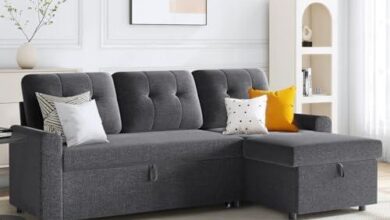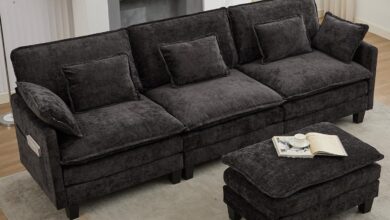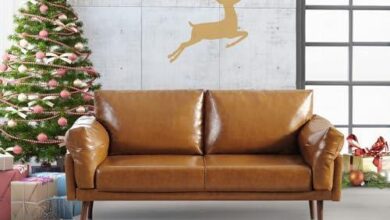
Floor Couch Upgraded Version — fits your small space
You press a palm into the navy cover and feel the cotton-linen weave — cool, slightly textured, not slippery — before your eyes measure how low and broad it sits in the room. It reads more like a horizontal lounge than a sofa, spreading across the rug with a quiet visual weight that anchors the corner. As you move the backrest, the mechanisms click with a small, efficient sound; each shift settles the piece into one of several deliberate angles, from upright to nearly flat. The foam gives under you in a measured way, conforming without the soggy sink of a thrift-store futon, and the seams and stitching keep the silhouette tidy. The label identifies it as the Floor Couch Upgraded version Adjustable Floor Couch (Navy), though after a few minutes you’ll probably just call it your new low sofa — familiar, practical, and promptly at home in the everyday light.
A first look at the navy floor couch and what greets you when you unbox it

When you cut through the tape and lift the box, the first thing you notice is how compact the package is for something that will unfold into a low-profile seat. The courier’s lift gives you a sense of its heft — you’ll likely shift the box from hand to hand before tipping the flaps open. Inside, the couch is wrapped in a clear protective sleeve; removing that releases a faint fabric scent that you might associate with new cotton-linen blends. The upholstery is folded in on itself, so the navy color reads differently depending on angle and room light — at a glance it can look almost slate in cooler light, or richer and bluer where sunlight hits it.
As you pull the folded piece free, seams and the outline of the reclining joints are visible where the backrest meets the seat. There’s a little give when you press the cushions; the foam slowly reclaims its shape if you poke or smooth it. Small details catch your hand first — a zipper along one edge, a pair of fabric loops that help with unfolding, and the instruction leaflet tucked under a cushion. When you set it down on the floor and begin to unfold, the parts shift with a mild rustle, and you find yourself tugging and smoothing fabric, aligning seams and nudging the backrest into its first click position before it settles.
| Box contents | What you’ll notice |
|---|---|
| Folded upholstered couch | Arrives fully covered; folds creased from packaging and soften after a few minutes of smoothing |
| Instruction leaflet | Simple diagram for unfolding and changing recline positions |
| Protective plastic and cardboard inserts | Keep fabric and edges protected during shipping |
putting it in place on the floor, you’ll notice how low it sits and how the pieces interact under light pressure — cushions compress and seams shift as you settle or test a recline. Small adjustments, like straightening a seam or pressing a cushion back into place, tend to be part of that first few minutes of getting it ready to use.
Under the cover where the frame and fabric meet and what you can observe
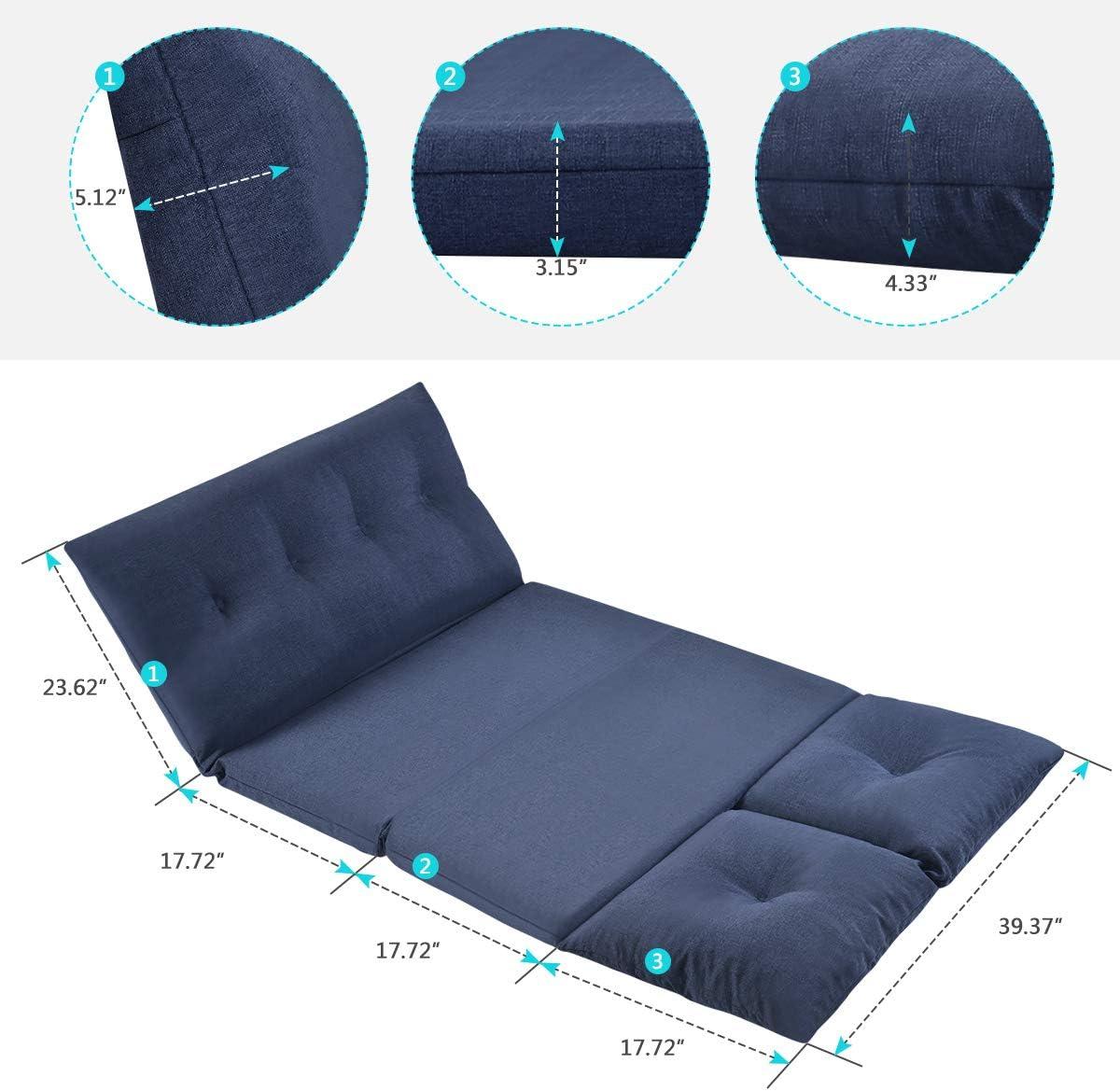
When you lift the edge of the cover where it meets the base, the construction reads like a layered sandwich. A zipper or hidden seam gives way to a thin inner lining, with the foam tucked into stitched channels; the foam edges look cut rather than molded and sometimes show adhesive lines where sections are joined. Fabric is folded and stitched around the perimeter, and you’ll notice reinforcement stitches or small bartacks near corners and hinge points. If you smooth the top cushion with your hand—the kind of unconscious nudge you do when settling in—the fabric will ride slightly and reveal the frame silhouette beneath, especially where the backrest hinges meet the seat.
Peeling the cover back a little farther exposes the metalwork: powder-coated rails, welded joints, and the pins or bolts at pivot points.Weld beads are visible on the frame and the moving joints frequently enough have a faint film of lubricant or small, darkened spots where metal meets metal. Webbing straps or short fabric ties secure padding in places; they’re usually stapled or looped around frame members.Over time and with repeated adjustment you can see the foam compress differently at contact points and the lining may show light abrasion where it rubs the frame. Small loose fibers near seams and slight puckering at hinge areas tend to appear first as you shift positions.
| Part | What you can observe |
|---|---|
| Frame | Powder-coated steel, visible welds and pivot pins, occasional lubricant residue |
| Padding/foam | cut edges, adhesive lines where pieces join, compression at frequent contact spots |
| Fastenings | Zippers or hidden seams, staples or sewn loops securing webbing, bartacks at stress points |
| Inner lining | Plain fabric lining, light abrasion or loose fibers near moving joints |
What sitting and reclining feels like for you across the adjustable positions
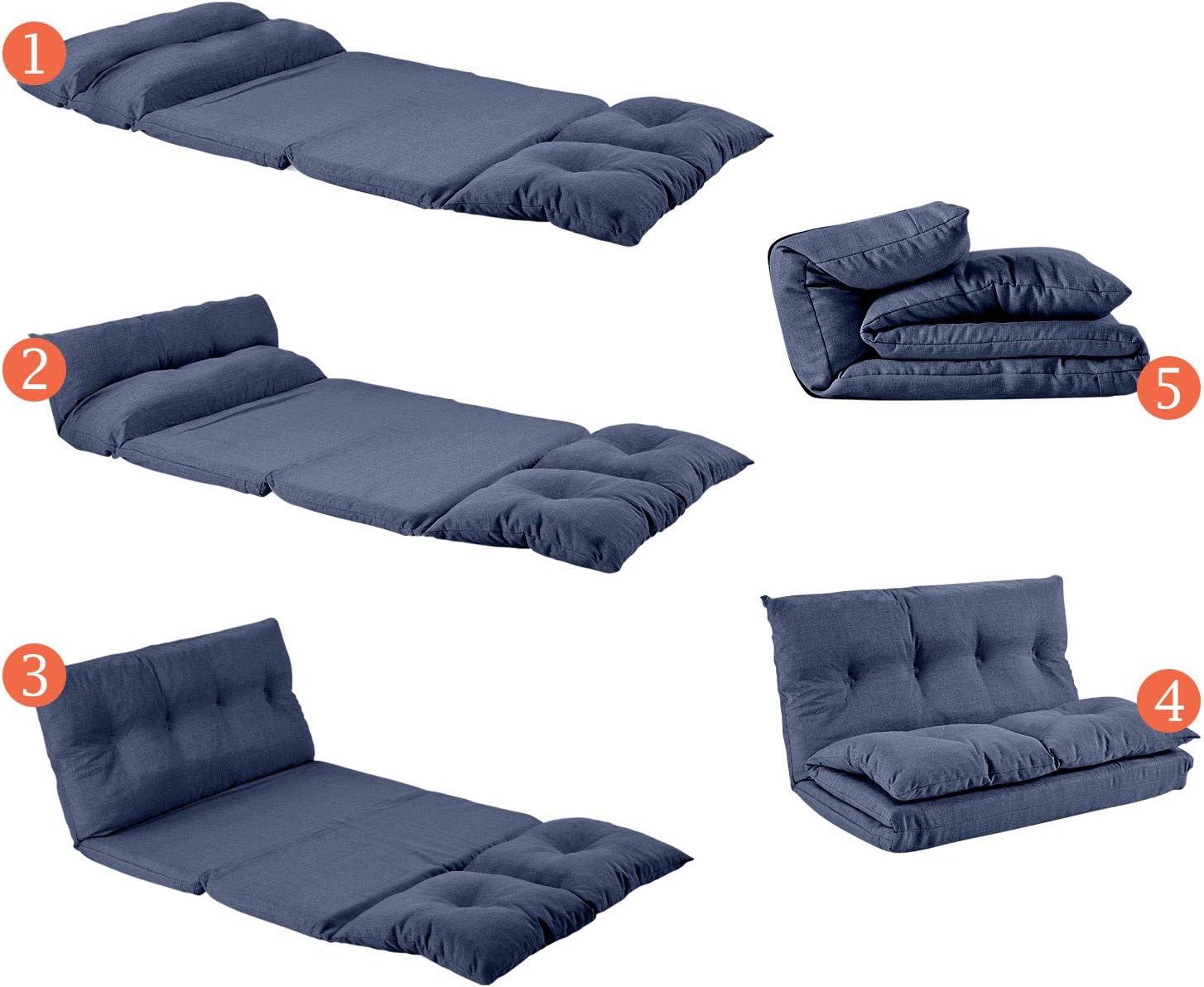
When you first sit down the couch feels low and immediate: your hips sink a little into the foam while the backrest meets your shoulders fairly quickly. At the more upright settings your weight is distributed toward the seat’s thicker region and you find yourself angling forward slightly, the legs bent against the floor. As you lean back there’s a noticeable shift — the cushion compresses further under your lower back, the frame clicks into place, and the backrest begins to cradle the spine more fully. You’ll probably smooth the fabric with a palm or slide the seam for a second as the materials settle into the new angle.
Moving through the middle angles,weight redistributes along the length of the cushion and the back feels supported in a more even line; the headrest area can feel either snug or a touch unsupported depending on how you position yourself. At the flattest setting the surface reads more like a low bed: the pressure under your hips is more apparent, and you notice how the foam gives beneath heavier points while remaining firmer under long stretches of your body. Small habits show up—shifting to find a seam-less spot, tucking a knee under, or readjusting the backrest by nudging it with your hand—because the experiance changes incrementally with each notch in the recline, and the fabric and cushions continue to settle after you move.
| Setting | How it typically feels |
|---|---|
| More upright | Forward-leaning posture, concentrated support under hips, speedy shoulder-to-back contact |
| Mid recline | Weight spreads along the seat and back, spine cradled more evenly, occasional head/neck adjustment |
| Fully flat | Bed-like surface, greater give under hips, long-line support with subtle firmness differences |
Where it sits in your room the footprint it leaves and how it fits around your furniture
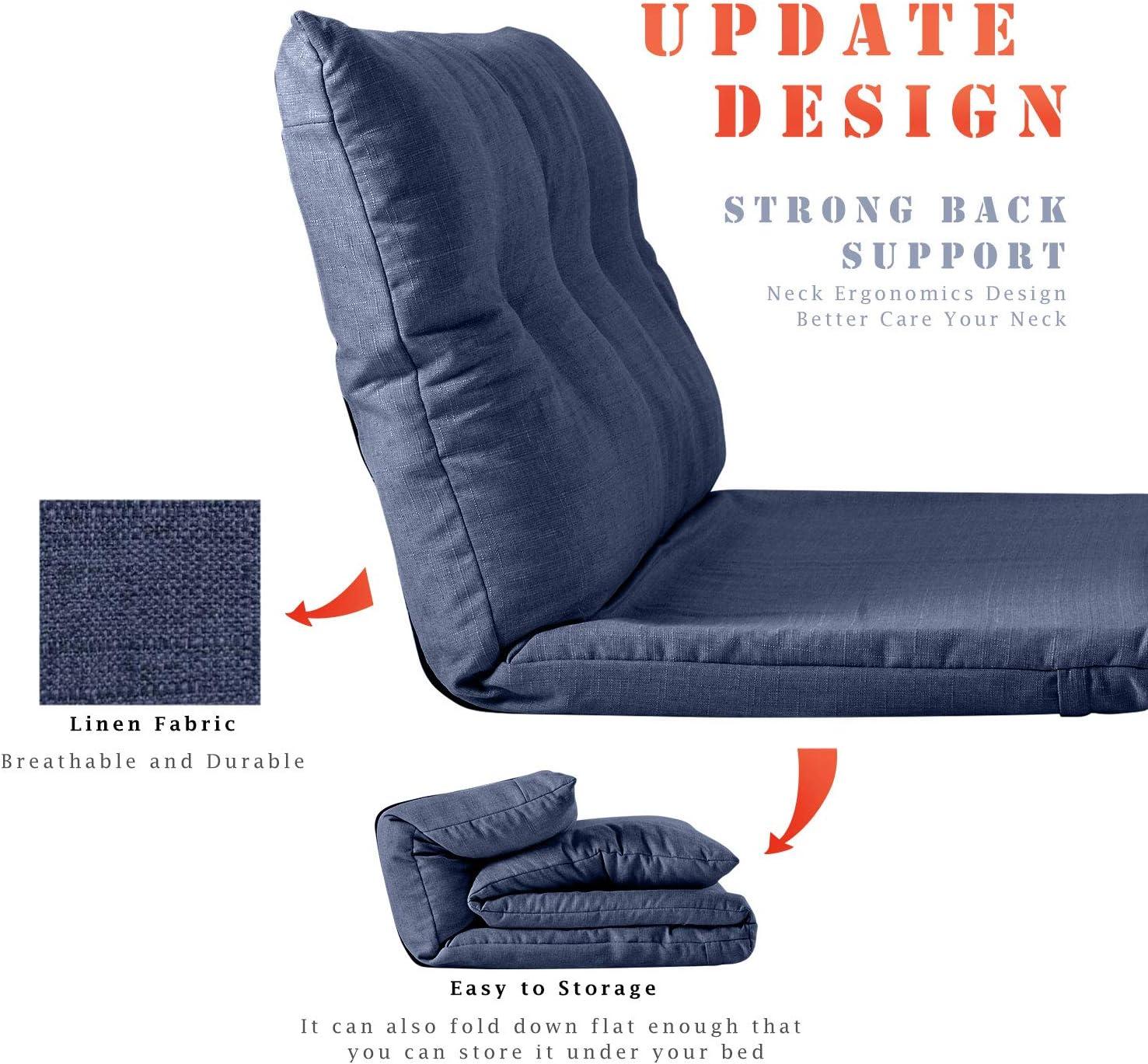
You’ll find it sits very low to the floor, more like an anchored spot on the rug than a raised piece of furniture. In its upright settings it stacks vertically enough to tuck closer to a wall or the base of a low coffee table; when you flatten it out the seating area spreads lengthwise across the floor and becomes part of the room’s walking plane. The change between those states is obvious in use — you smooth seams, slide your feet forward, or nudge the base an inch or two to keep a pathway clear.
How it fits around other pieces depends on which angle you use most. Placed beside a low sofa or bed,the backrest frequently enough lines up visually with cushions and creates a stepped,floor-level cluster; pulled into lounger mode it pushes farther into the room and can overlap the footprint of a small coffee table or ottoman. As the structure sits directly on the floor, rugs show where it lives after a few days and the fabric tends to crease where you sit most, so you’ll find yourself adjusting the cover or fluffing the padding in the same spot.
| Position | How it sits | Space it uses |
|---|---|---|
| Upright | Compacted against a wall or corner; backrest vertical | Relatively shallow depth; easy to tuck beside other low furniture |
| Reclined | Back leans back, seat extends; fabric shifts where you lean | Moderate forward footprint; may encroach on nearby tables |
| Flat | Occupies an elongated floor area; appears more like a futon | Longest footprint across the room; interacts with rugs and walkways |
In everyday use you end up treating it like a mobile floor zone: sliding it a few inches to line up with a table, tugging it away from a doorway, or smoothing the fabric where someone habitually naps. It tends to anchor whatever corner you choose, but also to demand a little circulation space when it’s laid flat.
A day of use from your morning lounging to overnight guest setups in your living room or bedroom
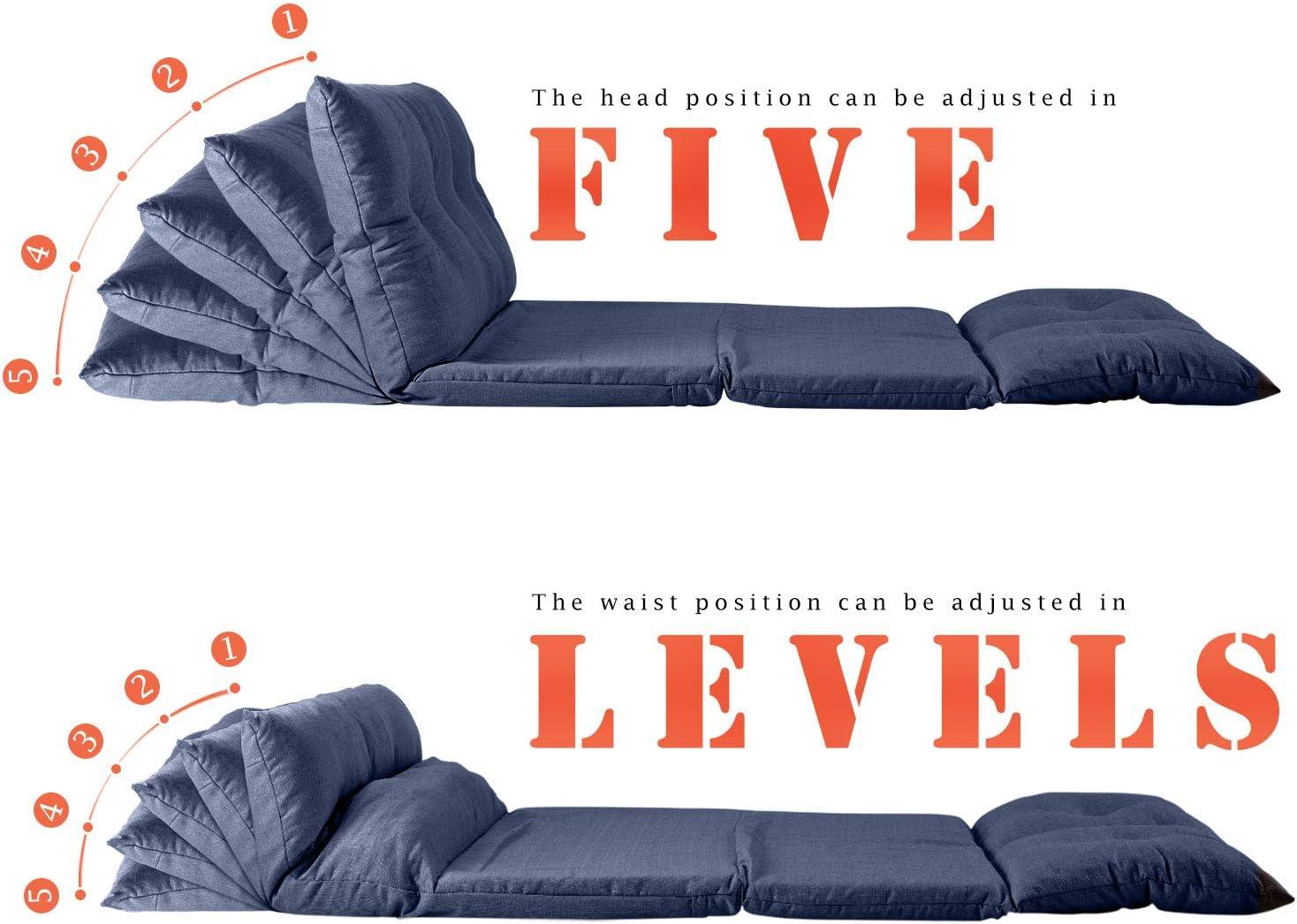
in the morning you slide into one of the reclining positions and the couch responds the way a low seat does — the back settles, the seat compresses beneath you, and you find yourself smoothing the fabric and nudging a seam into place without thinking about it. When you shift from upright to a more reclined angle for a stretch of reading or a slow coffee, the backrest clicks into its new posture and the whole piece feels a little lower to the floor than a conventional sofa; you end up tucking a knee or propping an arm to get comfortable. Over the course of an hour the foam softens where you tend to sit,and small adjustments — sliding a cushion,straightening a cover — become part of the routine.
Later, when the living room doubles as a guest area, you fold it flat and run a hand over the surface to smooth out the creases left from the day. the transition from sofa to bed is tactile: hinges unfold, padding evens out, and you reposition pillows to form a headrest. Guests usually curl up without fuss, though some users may notice the surface feels thinner than a standard mattress and tends to compress more in the center after long use. In the morning you restore it by lifting and aligning the backrest, a few small movements that return the piece to sitting mode — the fabric catches a crease here and there, and seams shift back into place as you work. For some households this back-and-forth becomes a quiet, familiar part of daily rhythm rather than a chore.
How suitable it is for your needs how it lines up with your expectations and the limitations you may experience
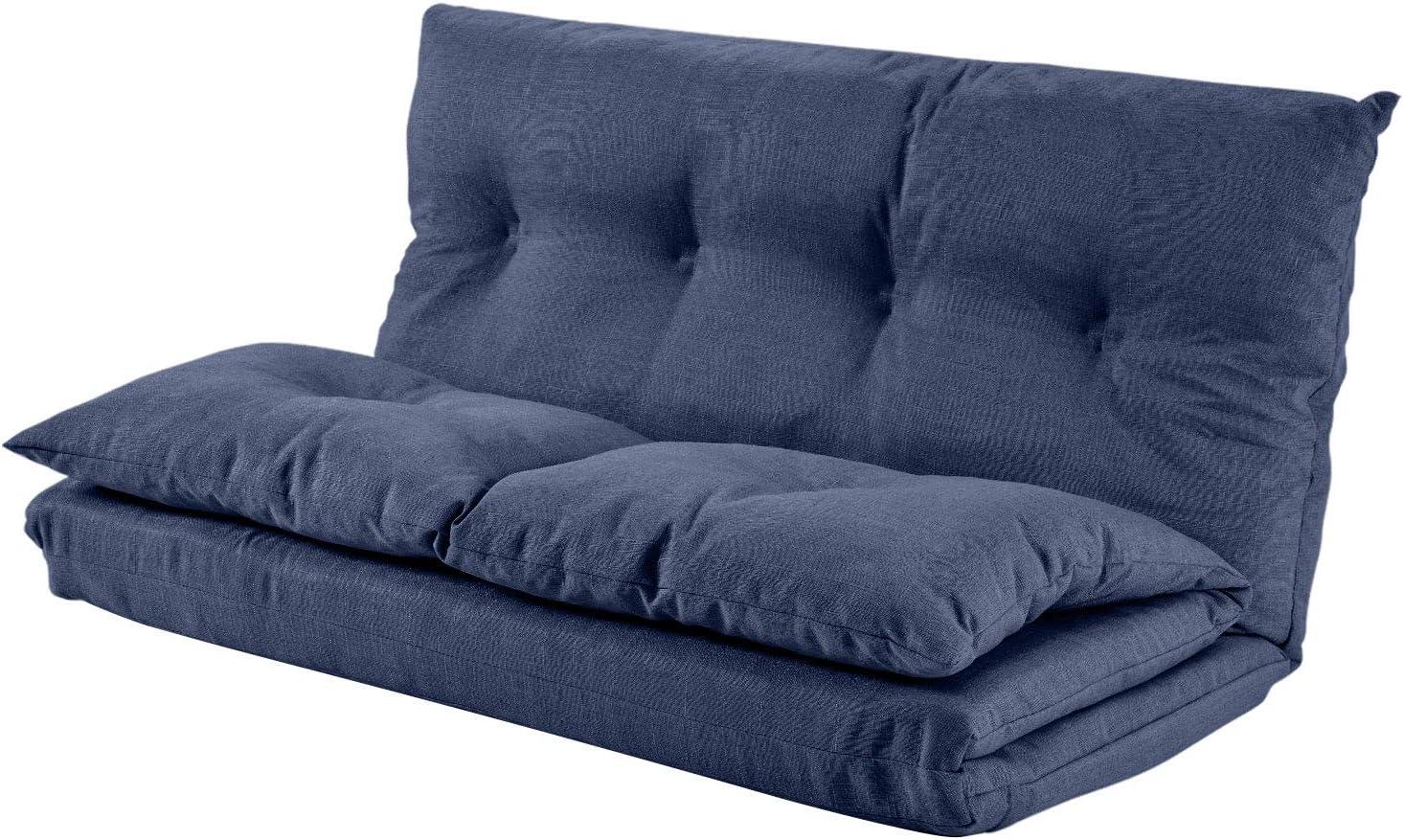
In everyday use the piece settles into a visibly low, grounded profile that invites reclining rather than upright sitting. Occupants typically adjust the backrest a few times during a single session, smoothing the fabric and nudging cushions as the foam softens under weight; those small habits — shifting a seam, patting the seat flat — become part of routine. The reclining mechanism converts between positions with a quick motion, though it can need a small realignment at times to click cleanly into place. Over long periods of lounging the seat compresses slightly and the surface shows light creasing where legs or elbows rest, which tends to make the couch feel more relaxed but less taut than when first unpacked.
Limitations and trade‑offs tend to appear in ordinary moments rather than as outright failures. As the seating sits close to the floor, standing up after extended use frequently enough involves a noticeable forward shift in posture; moving the unit around a room can require two hands and a brief pause to avoid dragging. The backrest provides usable support through most reclining angles, yet at the most reclined setting the support can feel thinner and more dependent on how the cushions have settled.Covers collect dust and lint in everyday use and will need periodic smoothing to restore a neater look; the folding action is efficient but still requires clear floor space when transitioning to a near-flat position.
| Recline position | Observed common use |
|---|---|
| fully upright | Short tasks and conversation, with occasional cushion adjustments |
| Light recline | Reading or tablet use, head and lumbar shifting during longer sessions |
| Mid recline | TV watching, relaxed posture with frequent small repositioning |
| deep recline | Lounging and napping; fabric creases more visibly where the body rests |
| Near-flat | Extended rest; requires more floor space and smoothing after use |
View full specifications and available options on the product page.
How folding stowing and moving it plays out when you put it away in your space
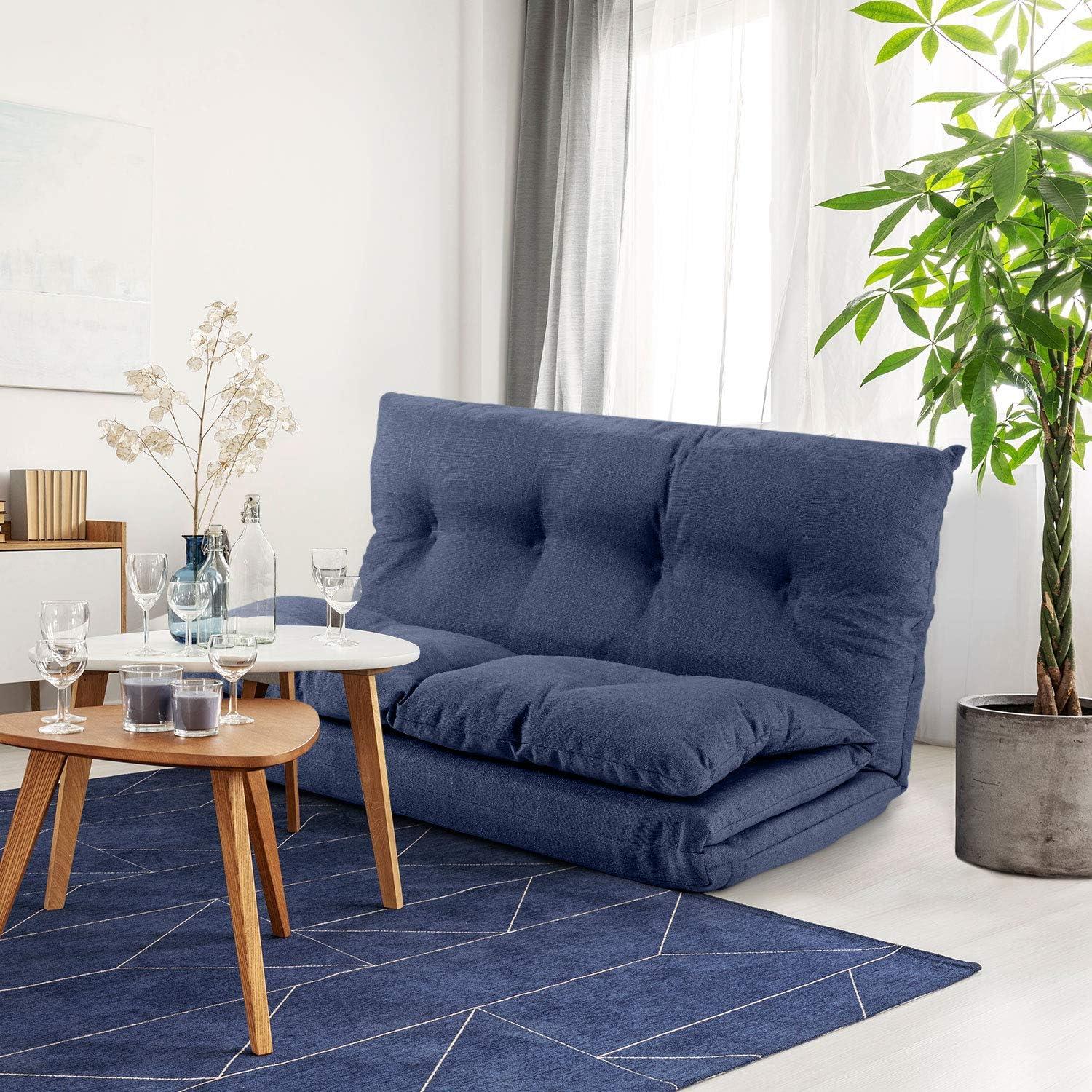
Folding it down and stowing it tends to feel like converting a low-profile daybed into a dense cushion. The reclining clicks are audible in sequence, and once set to the lowest position the backrest settles into a near-flat plane. at that moment the foam compresses slightly and the cover fabric gathers along seams; a quick run of the hand to smooth the surface is a common, almost automatic follow-up. Lifting usually requires two hands more often than one, and the folded piece keeps a bit of inertia from the steel frame that can make the first lift feel firmer than anticipated.
Moving it across different floors reveals predictable friction differences: it slides with relative ease on hardwood and vinyl, but on thicker carpet it resists and needs short carries or pivots through narrow openings. When stood on edge for vertical storage the profile frees up floor area,though the fabric sometimes shows temporary creases where pressure concentrates. Leaning it against a wall works in most rooms but tends to shift if it’s bumped; laying it flat in a closet or under a low bed keeps the surface even but occupies more horizontal space.Small, unconscious adjustments — nudging it into place, re-aligning the seams, flattening a corner — tend to happen during each move.
| Storage Position | Ease of Moving | Observed Trade-offs |
|---|---|---|
| Folded flat on floor | Moderate — slides on hard floors, sticks on carpet | Lowest profile for lying down; fabric gathers at seams |
| stood upright/against wall | Easier to tuck away but less stable | Frees floor space; pressure creases may appear |
View full specifications and available color options

How It Lives in the space
Over months, the Upgraded Version Adjustable Floor Couch Floor Sofa Bed with 5 Adjustable Reclining Position, Foldable Japanese Floor Futon, Lazy Lounge Couch for Living Room, Bedroom (Navy) (Navy) settles into corners and routines, softening its angles as the room is used. In daily rhythms you notice it moving from occasional extra seating to the spot you drift to with a book or a folded blanket, its recline choices becoming small, unthinking gestures. The fabric collects the faint abrasions of regular use and the cushions relax where you sit most,and it eases into conversations,chores,and quiet evenings without announcing itself. you live around it, and in time it stays.
As an Amazon Associate I earn from qualifying purchases.