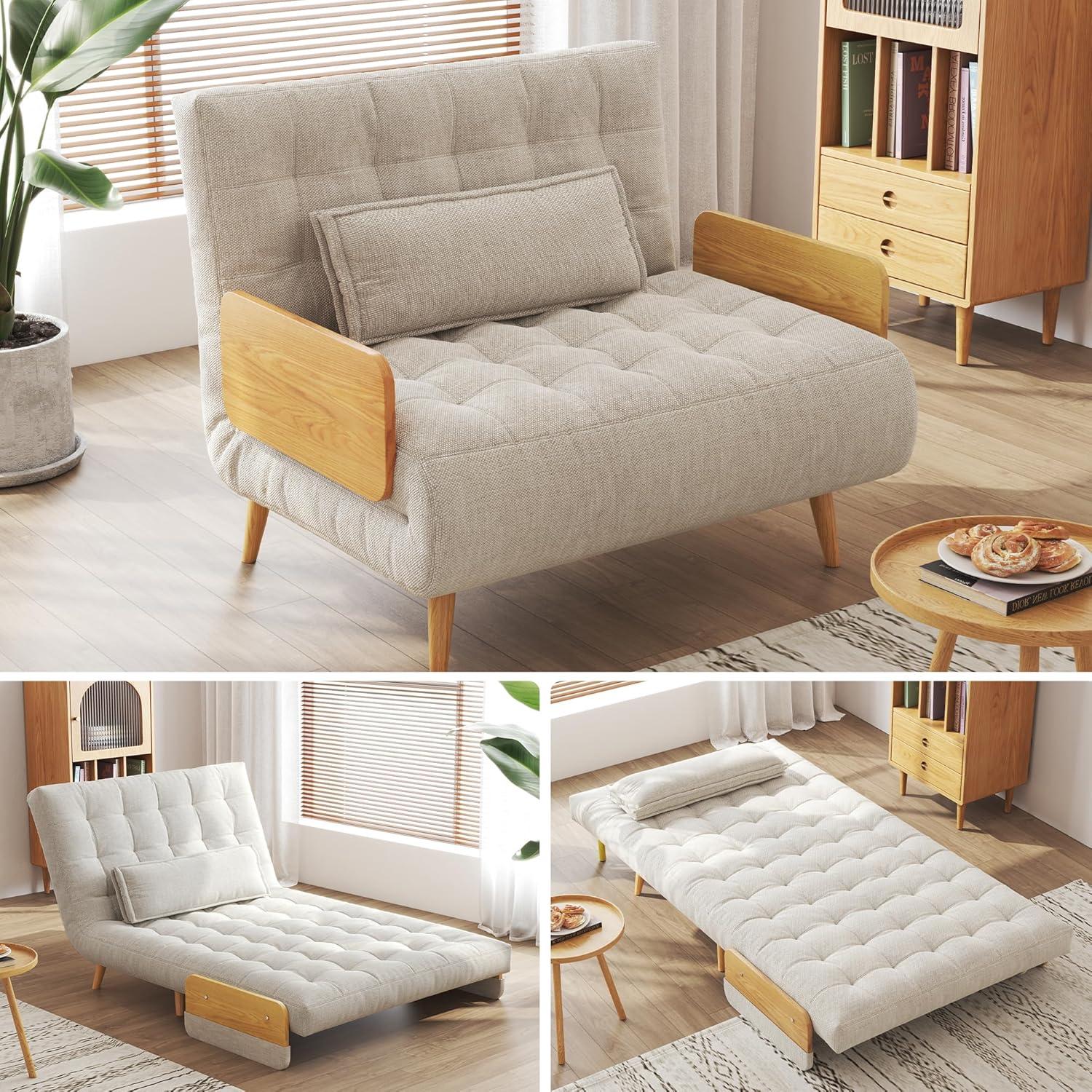
JASIWAY Convertible Sleeper Chair Bed: fits your space
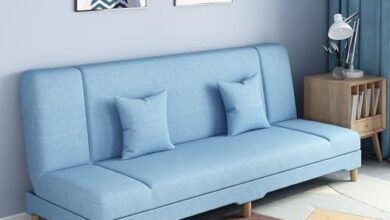
Afternoon light slants across the linen-like upholstery of the JASIWAY Convertible Sleeper Chair, and you notice its low visual weight before anything else. It reads like an armchair at first—compact and a touch narrow—but when you ease the back down it unfolds without feeling bulky. The fabric feels cool and finely textured under your hand, while the seat gives a dense, firm push rather than a plush sink. Slender wooden legs lift the frame, lending a mid-century lightness, and a loose pillow at the back softens the overall silhouette.
A first look at the JASIWAY convertible sleeper chair and what you find in the box
When the package arrives it’s a compact, slightly squat box that makes the chair feel more like a folded module than a piece of furniture. Cut through the tape and you’ll first notice protective foam and plastic wrapping, with the fabric carrying a faint new-furniture scent and a few temporary creases where it was compressed. As you free the main unit you’ll likely smooth the seams and give the cushions a speedy pat; the pillow and armrests sit snug against the folded backrest, so there’s a bit of reshuffling before the piece settles into the room. Lifting it out,you can feel the folded frame’s weight shift in your hands and hear the slight rustle of packing material that was keeping moving parts secure.
What you’ll find inside
| item | Approx. quantity |
|---|---|
| Main folded chair module (wrapped) | 1 |
| Rubberwood legs (to screw into base) | 4 |
| armrests with washable covers | 2 |
| Small pillow | 1 |
| Hardware packet (screws,small tool) | 1 set |
| Instruction manual and warranty card | 1 each |
The paperwork is a compact sheet that points out where the legs and armrests connect; assembling it mostly involves aligning the base,screwing the legs into place and sliding or clipping the armrests on.Non-slip pads are visible at the foot of each leg once attached, and the armrest covers tend to sit a little snug until you tug them smooth. Small bits of protective cardboard and plastic remain tucked in corners, so a final inspection and a quick sweep of the packing debris finishes the unboxing moment.
How the mid century silhouette and linen cover alter the feel of a small room
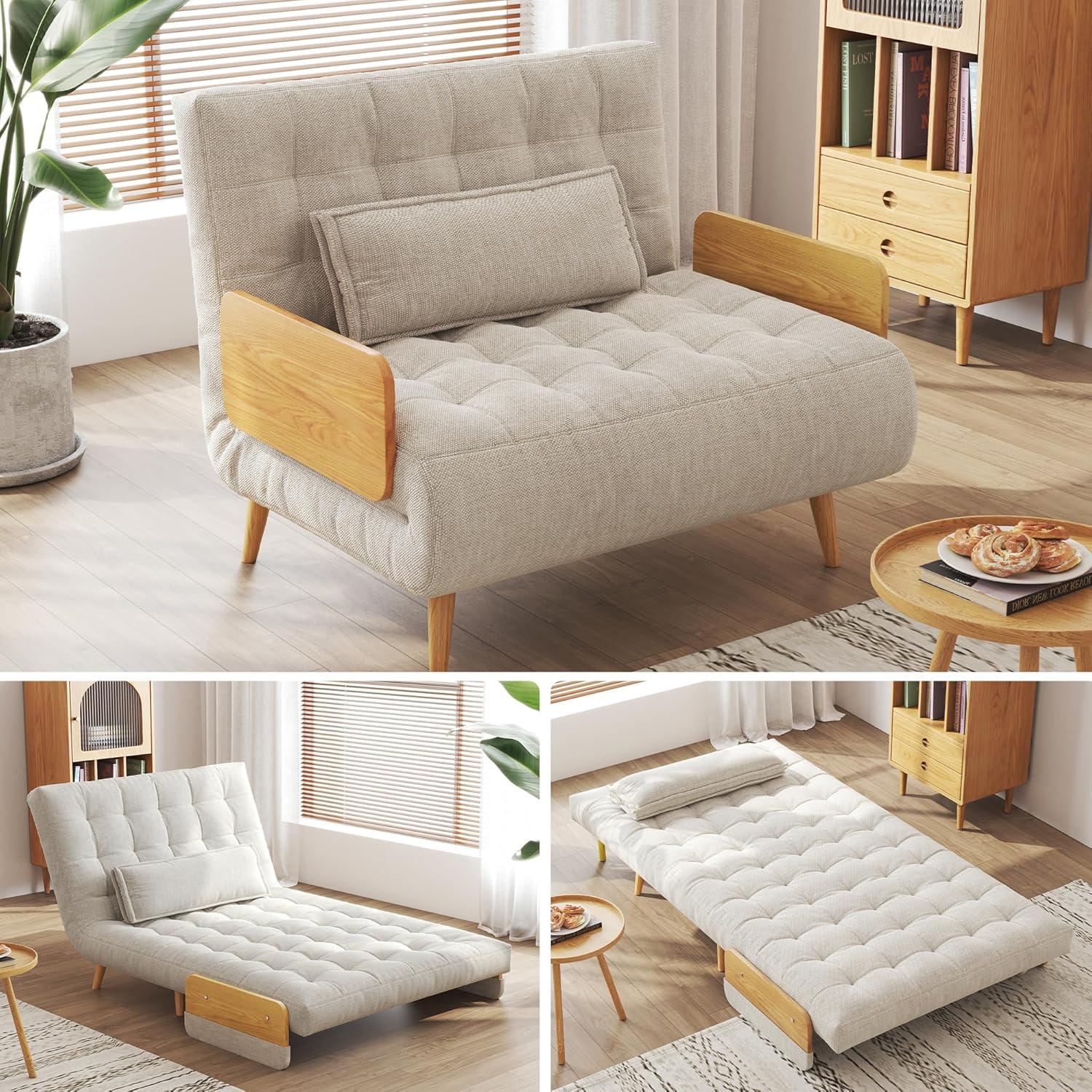
Placed against a wall, the mid‑century silhouette reads as a intentional shape rather than a bulky object. The exposed legs and crisp arm angles let the floor show through beneath,so you notice more continuous flooring and less visual blockage. From across the room the clean lines create a horizontal rhythm that helps your eye travel, and when you sit or fold the seat back the profile compresses and stretches in an almost architectural way — seams shift, the cushion settles, and you find yourself smoothing the fabric more often than you expect.
The linen cover modifies that architectural clarity with a softer, tactile quality. In daylight the weave catches and scatters light, muting glare and lending a warmer tone to nearby surfaces; in lower light it takes on a slightly rumpled, lived‑in look as you use the chair, which can make the room feel more intimate.The fabric also absorbs a bit of ambient sound, so conversations and footsteps can seem less bright in a compact space. At close range the texture draws attention away from hard edges, so the silhouette and cover operate together — the frame keeps the composition orderly while the linen makes the overall presence feel quieter and more approachable.
| Element | Observed effect in a small room |
|---|---|
| Mid‑century silhouette | Maintains sightlines and visual openness; anchors the space without dominating it |
| linen cover | Softens light and texture; introduces a lived‑in intimacy that slightly blurs crisp lines |
inspecting frame, padding, and pillow up close so you know the materials involved
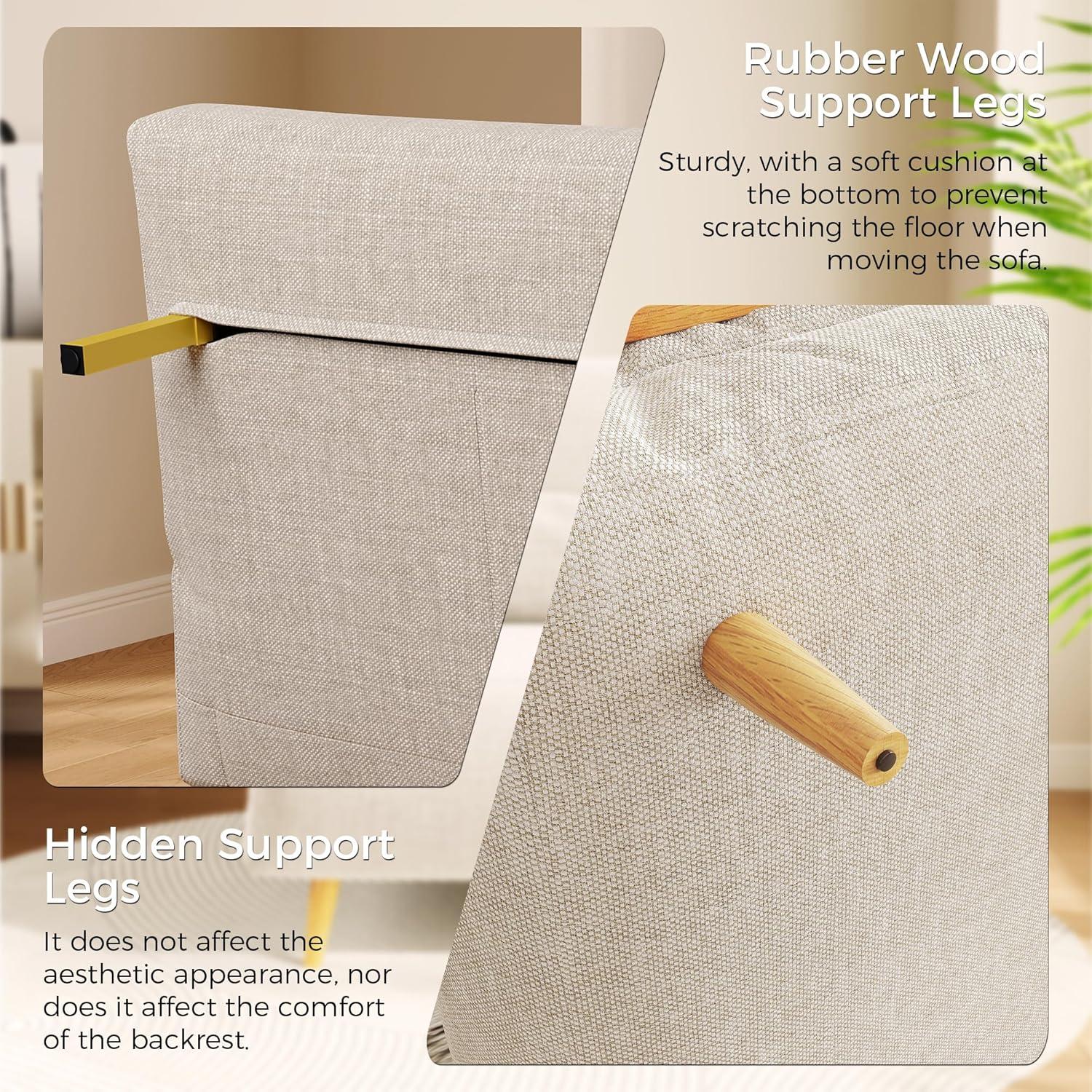
When you take a close look and run your hand along the edges, the cotton-linen cover reads as slightly textured rather than slick; small wrinkles form where you press and then mostly relax back. At the backrest hinge you can feel the frame beneath the upholstery — a firmer band under the fabric where the folding mechanism sits — and it becomes more apparent as you move the chair between positions. It’s common to catch a seam or smooth a fold after changing the angle; those little adjustments make the padding redistribute and the surface look neater.
Sitting and shifting brings more details into focus. The cushion gives an initial, noticeable sink and then offers a steadier pushback as you settle in; after longer periods a soft depression can appear where you sit most often, and the pillow stuffing will shift around you when you move. The small pillow that comes with the chair is plump at first touch and loses some loft as you lean on it, so you’ll frequently enough find yourself fluffing or tucking it back into place. When you convert the chair, the hinge makes a muted click and the legs meet the floor without sliding, thanks to the pads underfoot, though you might feel a millimeter or two of settled flex when leaning near the edges.
| Component | What you notice in use |
|---|---|
| Frame and hinges | Firmer band under upholstery at pivot points; occasional muted clicks when moving; slight flex at extreme angles |
| Padding | Initial sink then steady resistance; shallow seat impressions can form over time; seams shift slightly as you adjust |
| Pillow | plush at first, stuffing settles with use; you’ll often fluff or reposition it to restore shape |
Small habits—smoothing the fabric after getting up or nudging the pillow back into place—become part of regular use, and they reveal how the materials respond over a typical day of sitting, reading, or folding the chair flat.
Opening it up and measuring it in your space — how the chair unfolds and fits
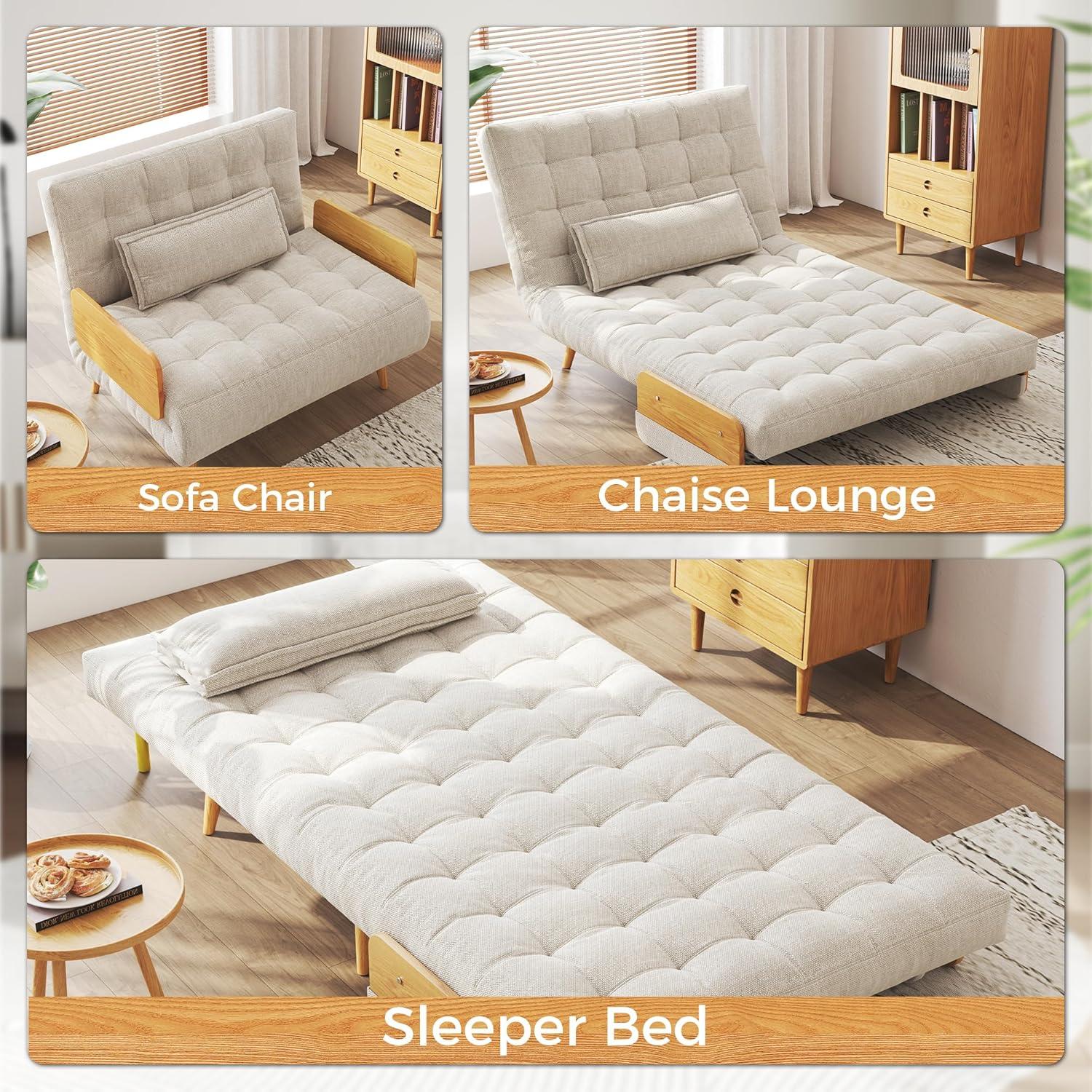
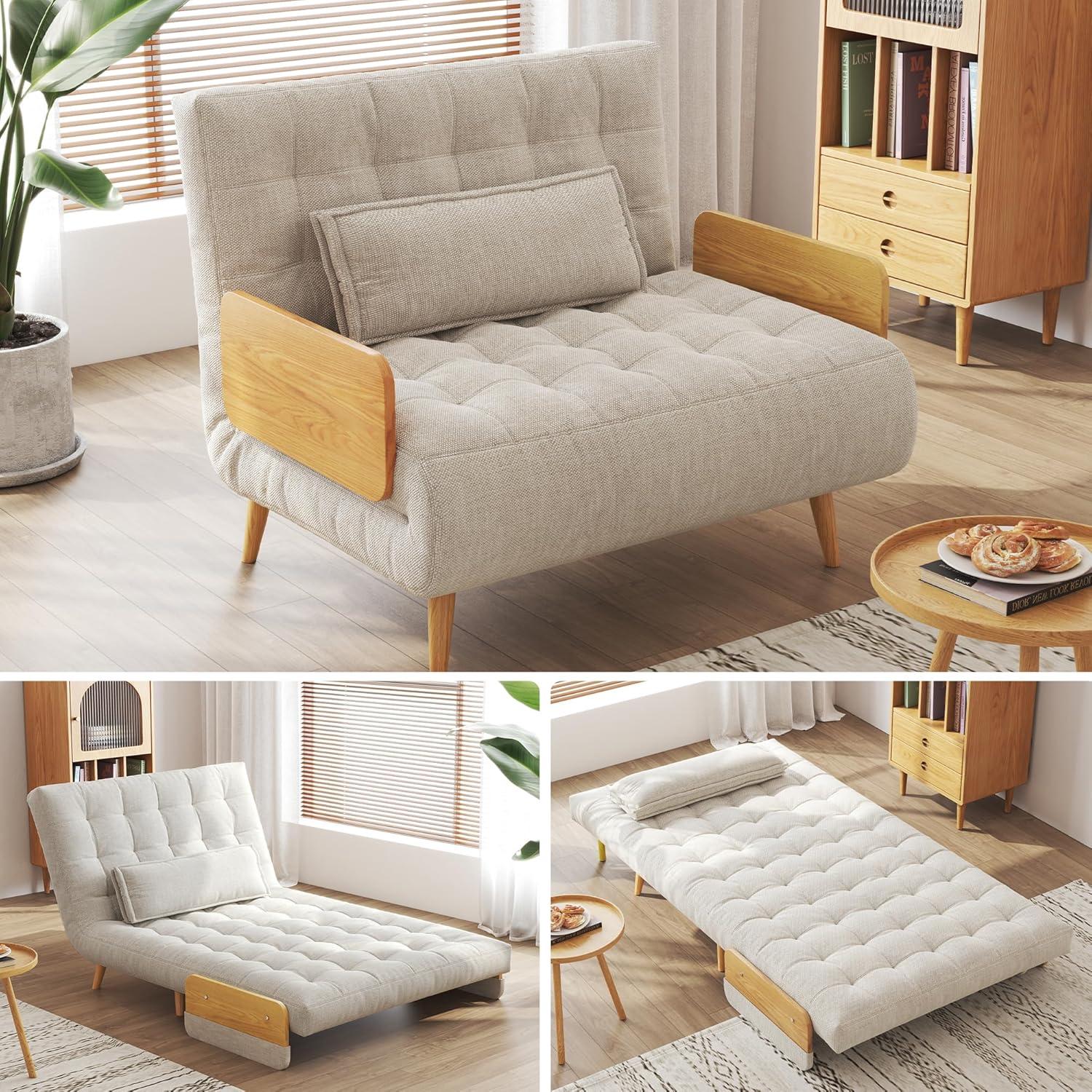
When you open it up the first time, the motion is more of a staged unfolding than a single flip. You’ll typically start by angling the backrest back through a few clicks, feeling the mechanism settle as it moves from upright toward a recline. The seat cushion shifts a little under your hands and the pillow rides with the backrest,so you find yourself smoothing fabric and nudging seams as the profile changes. As the backrest approaches fully flat, the front edge of the seat becomes the leading edge of the sleeper, and the whole piece lengthens noticeably into the room.
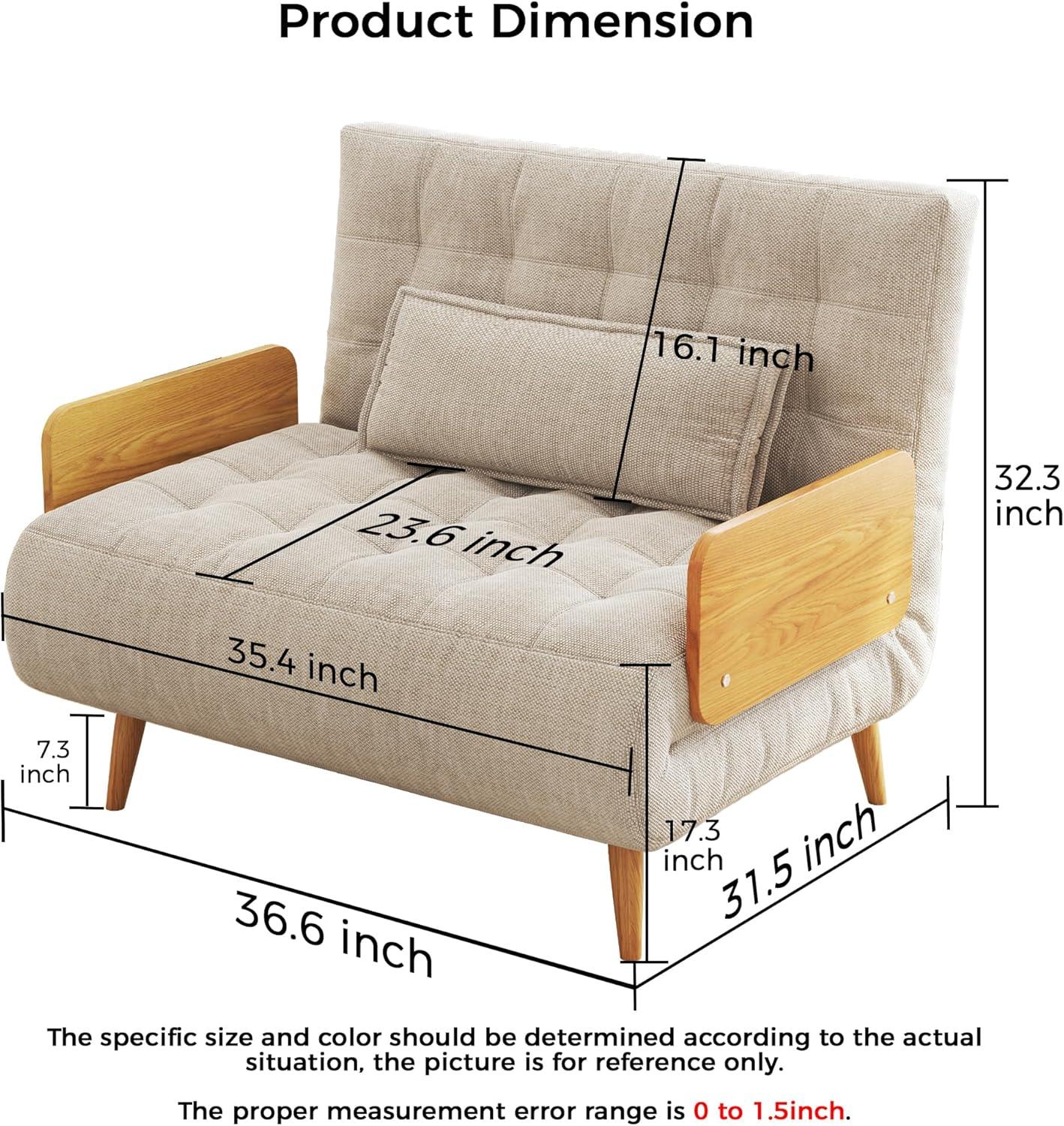
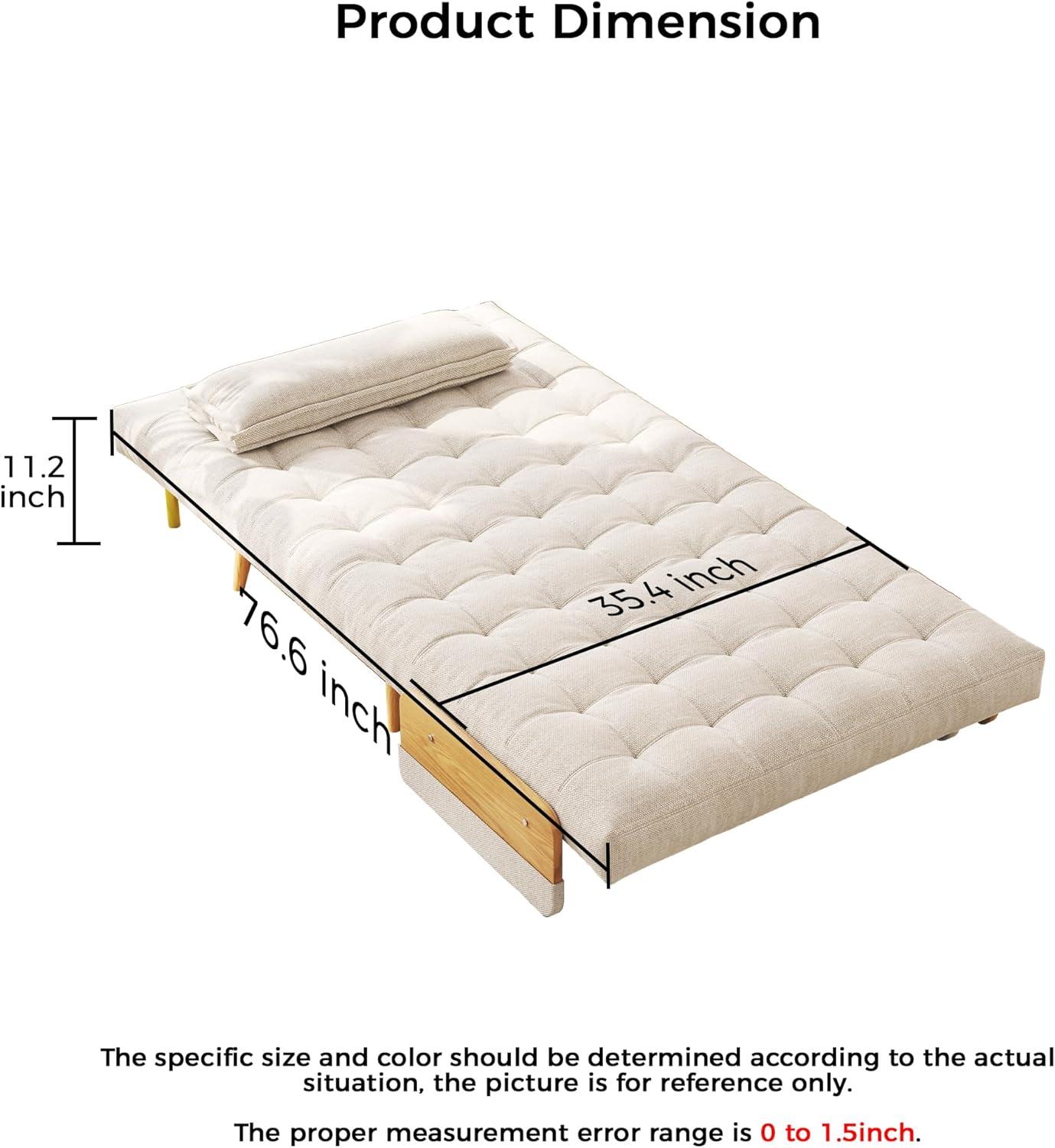
Before you commit to a location, take a quick walk-through with a tape measure and imagine the chair in each of its states. It occupies a compact footprint as a chair but needs several feet more when flattened, and the backrest’s swing requires clearance behind it during adjustment. Moving the armrests slightly or removing the pillow makes doorway and corner maneuvers easier; when it’s unfolded you’ll often find yourself nudging the legs into alignment and smoothing the surface one last time.
| State | Clearance to allow (approx.) | What to check |
|---|---|---|
| Upright chair | about 3–3.5 ft depth | Walkway space, side clearance for armrests |
| reclined positions | Extra 1–2 ft behind the chair for backrest arc | Wall distance and any nearby furniture that could block the swing |
| Fully flat sleeper | Roughly the length of a single bed (allow ~6 ft total) | Footroom, ability to get in and out, clear path for legs when extending |
In practice you’ll rearrange slightly: a corner that feels tight with the chair upright can open up once the pillow is set aside and a cushion is shifted. Measuring the full length and then imagining the path you’ll take to unfold it — from the centre of the room or up against a wall — helps you avoid surprises when you actually lie down.
A week of daily use in a bedroom, office, or guest nook to see practical routines
You place the chair in a corner of the bedroom, drag it closer to the desk on Tuesday, and shove it against the wall to open up a corridor on Friday — small moves that become part of a weekday rhythm. In the mornings you sit upright with the pillow behind your lower back while scrolling through messages; by late afternoon the backrest is eased back a few degrees and the armrests earn a washable cover’s worth of attention as you rest a laptop or a mug.When a quick nap is intended, you fold the back down and smooth the linen with a habitual hand, noticing seams shift and the foam settle under your weight. On nights when the chair becomes a guest bed, sheets are tucked around the cushion and the pillow is repositioned; mornings after, you tend to straighten the fabric and nudge the backrest back into a sitting angle before leaving the room.
Over the week,some patterns emerge. In use, the backrest tends to need a small nudge to click precisely into certain angled positions, and the cushion surface can feel slightly compressed after consecutive hours of sitting. Legs stay firm under routine movement, though the chair will shift a few inches if it’s nudged across a hard floor while folded flat. Small,repeated adjustments — flipping the pillow,smoothing the cover,shifting a seam that catches — become part of everyday interaction rather than a one-time setup. For some households, the fabric loosens a touch where hands rest most often; for others, the fabric returns to shape with a quick brush and a night upright.
| Day | Typical use | Notable routine detail |
|---|---|---|
| Monday | Desk work (upright) | Smoothing fabric at midmorning; pillow moved for lumbar support |
| Tuesday | Reading/tech break (reclined) | Backrest adjusted several times to find a pleasant angle |
| Wednesday | Short nap (flat) | Sheets tucked, brief flattening of cushion noticed next day |
| thursday | Guest seating for evening | Pillow shared between users; armrest covers reapplied after use |
| Friday | Moved to hallway-facing nook (sitting) | Legs shifted slightly during reposition; quick floor-check |
| Saturday | Chaise-style lounging (deep recline) | Repeated backrest adjustments until fabric lies flat |
| Sunday | Overnight guest (flat) | Sheets smoothed morning after; cushion rebounds slowly |
View full specifications and color options
How this chair lines up with your expectations, your space, and real life limits
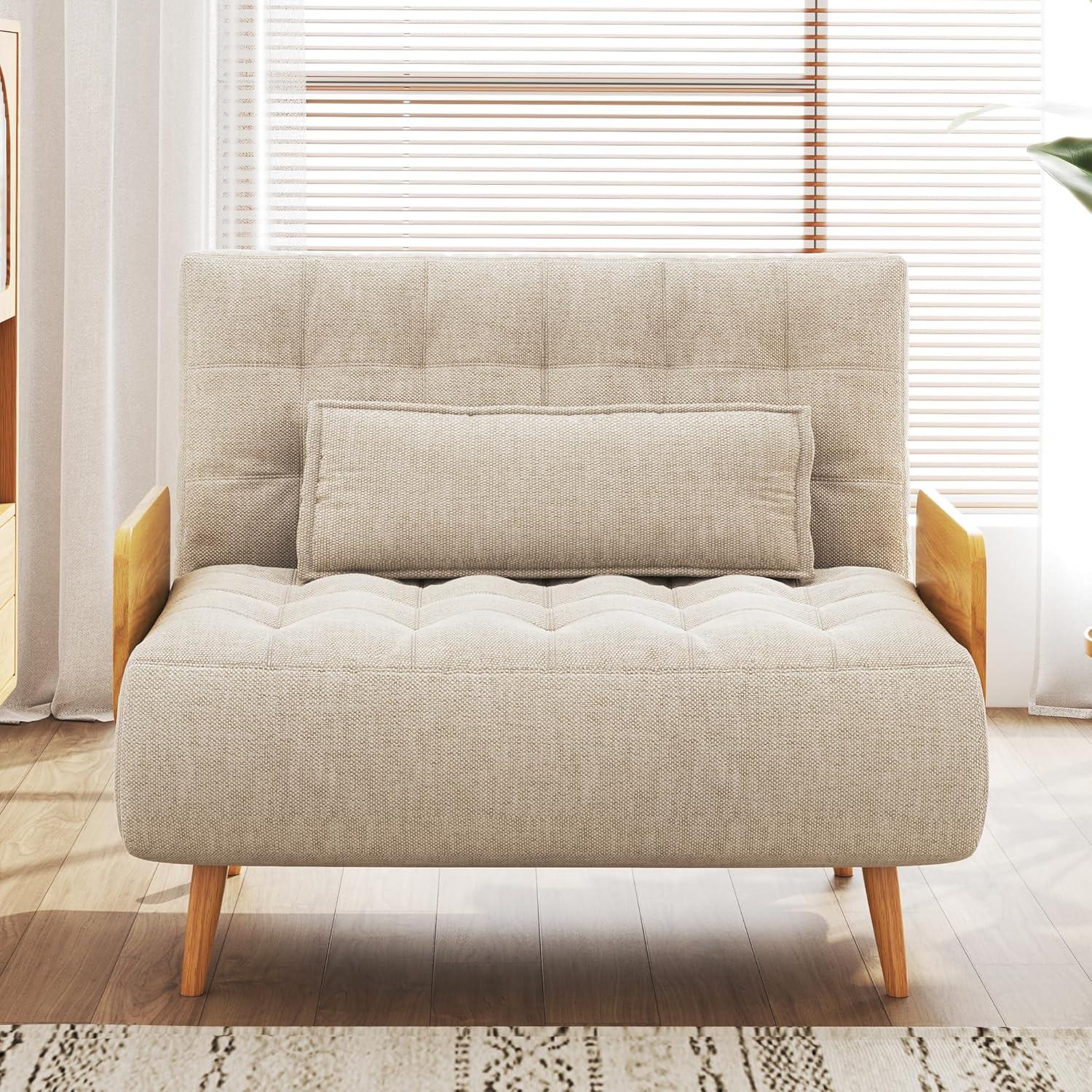
When used in daily life, the chair often behaves like a compact, mechanically active piece of furniture rather than a static sofa. Folding and unfolding bring small, audible clicks and require a brief pause to settle; people tend to smooth the covering and shift the pillow after the first few sessions because seams and the surface compress unevenly. The backrest moves through its range with a noticeable step between positions, and adjusting it usually prompts a hand to linger near the hinge — a moment where care is naturally taken. In most homes the chair reads as a space-saving element until it is fully reclined, at which point it occupies a more assertive footprint and changes traffic flow in a room.
| Common household moment | Typical experience |
|---|---|
| Short naps or reading breaks | Tends to feel firm at first, then eases as padding compresses; cushions frequently enough need a quick rearrange afterward |
| Extended sitting (work, movie) | Surface shows small creases where weight concentrates; occasional shifting of the pillow or armrests is common |
| overnight use | conversion is straightforward but creates a larger cleared area; the listed load requirements and hinge behavior shape how people settle and move overnight |
View full specifications and available size and color options
What setup, care, and space planning look like after the first few uses
After a few uses you’ll notice the chair settling into everyday rhythms more than you expected. The foam cushions soften where you sit and the pillow spends more time slid to one corner than centered; you find yourself smoothing the linen-like cover and nudging seams back into place as a small, almost unconscious habit.Moving the backrest between positions gets quicker, and the frame gives a faint click that feels less tentative each time. legs and connector points can feel a bit snug at first; tightening them once after the initial assembly becomes part of routine maintenance rather than a major chore.
Care becomes practical and situational. You’ll vacuum crumbs off the crevices, wipe fresh marks before they set, and toss the removable fabric elements into the wash when armrests or the pillow start to look worn. Pet hair and lint tend to collect along the seams, so a quick lint-roller pass frequently enough replaces a full clean.small impressions form in high-use spots; rotating the pillow and shifting where you sit evens that out without a formal overhaul. When you adjust the backrest you’re more mindful of the hinge’s movement—an easy, repeated motion, but one you make deliberately rather than automatically.
| Mode in Use | Typical small adjustments you’ll make |
|---|---|
| Sitting/Reading | Smoothing the cover, angling the pillow, quick vacuum of crumbs |
| Lounging/Inclined | Fine-tuning backrest angle, nudging seat cushion to reduce impressions |
| Converted to Sleeper | Clearing a little space behind for the backrest, straightening seams after folding |
Space planning shifts from theoretical to practical after the first week. you’ll likely leave a few inches of clearance behind the chair so the backrest can move freely, and you may find yourself sliding the whole piece occasionally to vacuum underneath or to rebalance where it sits in the room. On softer surfaces it can be more prone to shifting, so you notice whether it stays put or needs a small nudge.Over time, these small habits—tucking a seam, readjusting a cushion, checking leg tightness—become the way you keep the chair functioning smoothly without much fuss.
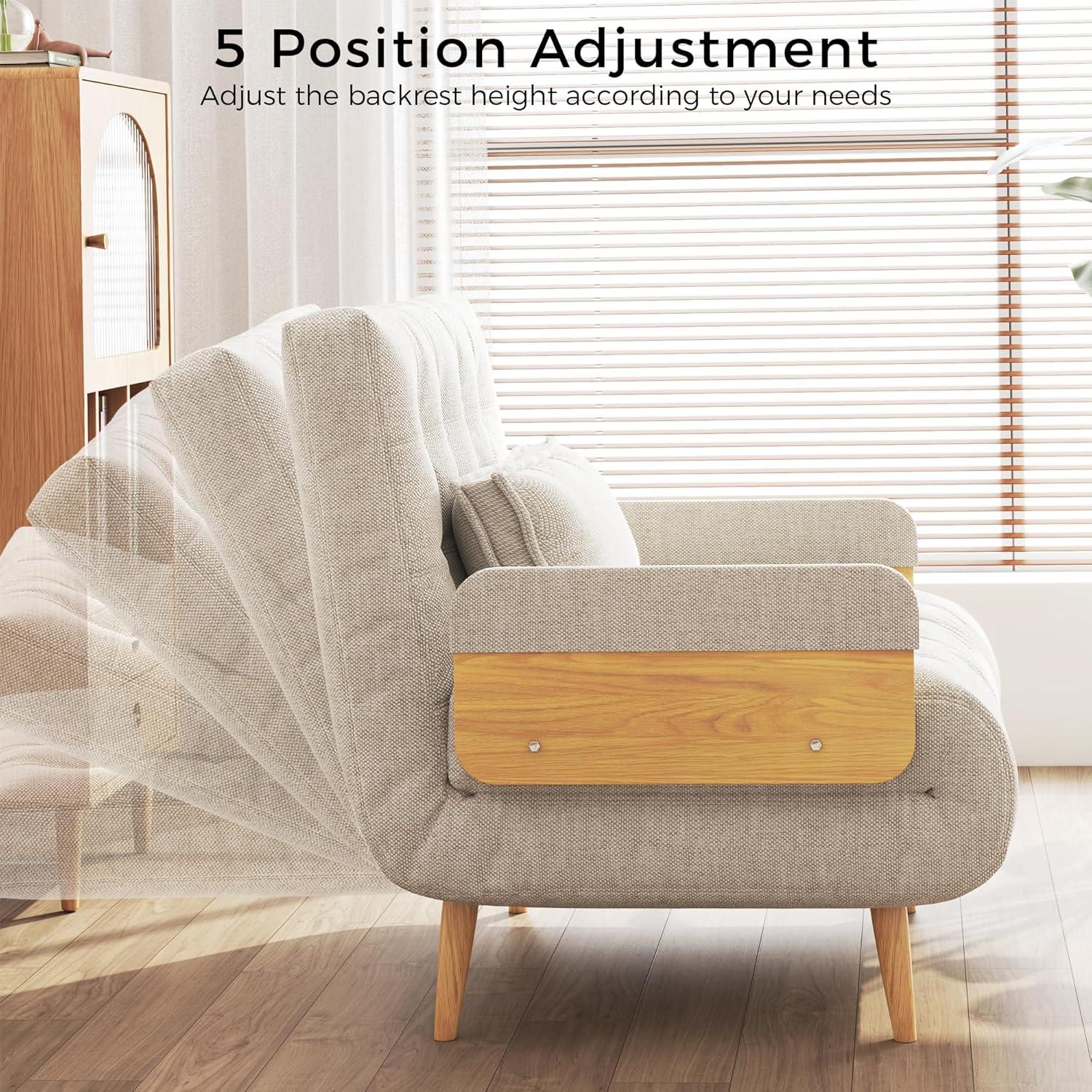
How It Lives in the Space
Living with it over time, you find the lines soften and the chair simply settles into the room’s routines. In daily routines you notice the cushion compresses in familiar spots, the fabric picking up the rhythm of regular use, and a quiet softening along the arms that marks surface wear. After a few weeks in the corner the JASIWAY Convertible Sleeper Chair Bed for Adults, 3 in 1 Linen Convertable Futon Chair with Pillow, Fold Out Single Sleeper Couch Guest Bed for Small spaces, Bedroom, Office, Mid-Century, 36.6″ moves between reading, propping feet, and hosting an occasional guest as if it has always been there. It stays.
As an Amazon Associate I earn from qualifying purchases.