Natural Weave Carli hand-tufted wool rug for your home
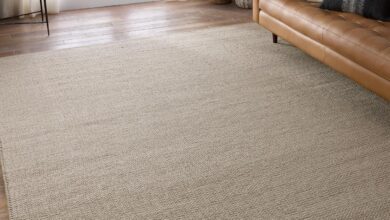
You notice its visual weight before anything else — a low, calm presence that quietly organizes the seating area. Natural Weave’s Carli hand-tufted wool rug, in the larger 9-by-12 I tried, settles under the sofa and coffee table with a generous, unforced reach; the multi-tone field reads layered, not busy. When you press your palm into the pile it gives back: dense,springy wool that still feels softly warm underfoot,and the edge lies flat against the floor thanks to a sturdy backing. Light slides across the surface in thin bands, catching the tufts and softening the room’s edges without shouting.
What you notice first about the Natural Weave Carli multi rug in your room
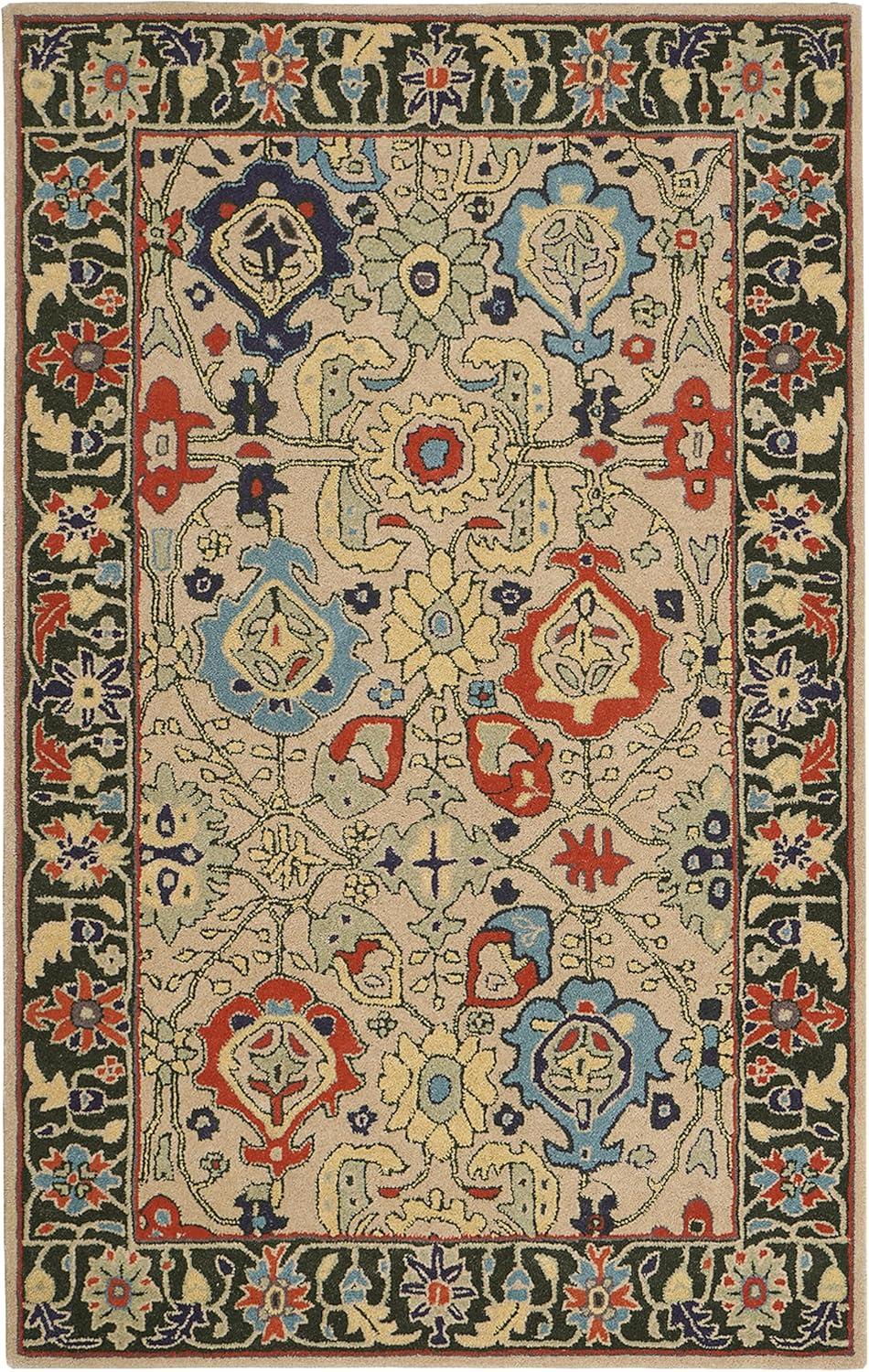
When you first step into the room your eye is drawn to the rug’s overall presence: a broad, muted field that quietly sets the tone without shouting. From across the space the colors read as a cohesive, earthy mix — but as you close the distance you catch the little variations, thin striations and specks that break up the surface. Light plays across the pile, so the hues seem to shift depending on where you stand and how the sun hits them; the pattern doesn’t demand attention, it reveals itself gradually as you move around the furniture.
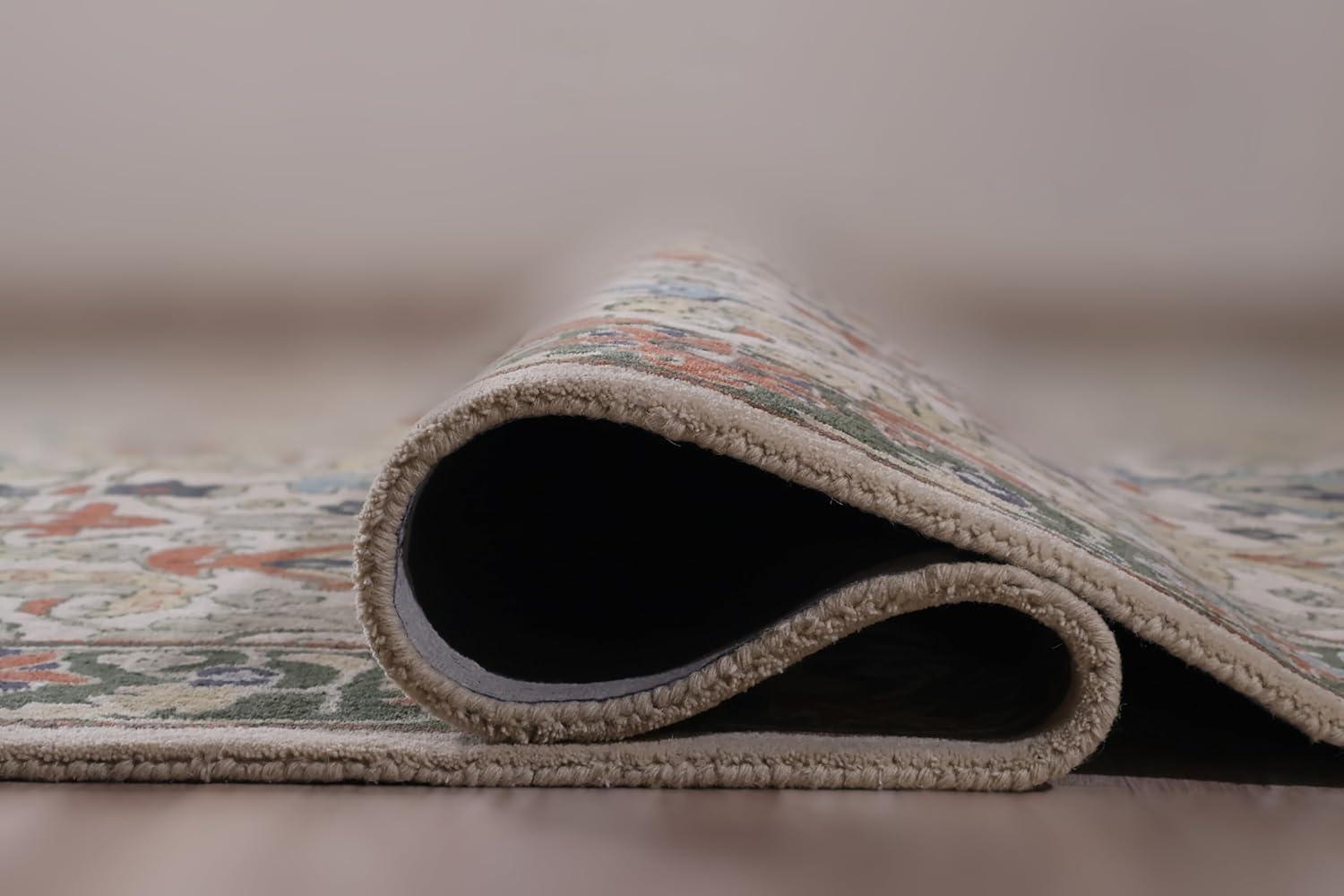
Up close the texture is what makes the strongest impression. The surface gives slightly under your step and shows the direction of movement in faint bands; when you smooth a cushion or nudge a chair leg, the nap reorients and the tones deepen in places.You notice small, artisan-like irregularities — tiny differences in loop height and stitch density — that read as lived-in detail rather than precision uniformity. In most cases the edges lie flat, though they may catch briefly when someone scoots a chair; the rug also tends to hold light traces of traffic or vacuum lines until the pile settles again.
How the Wallard inspired pattern and colorways catch your eye up close
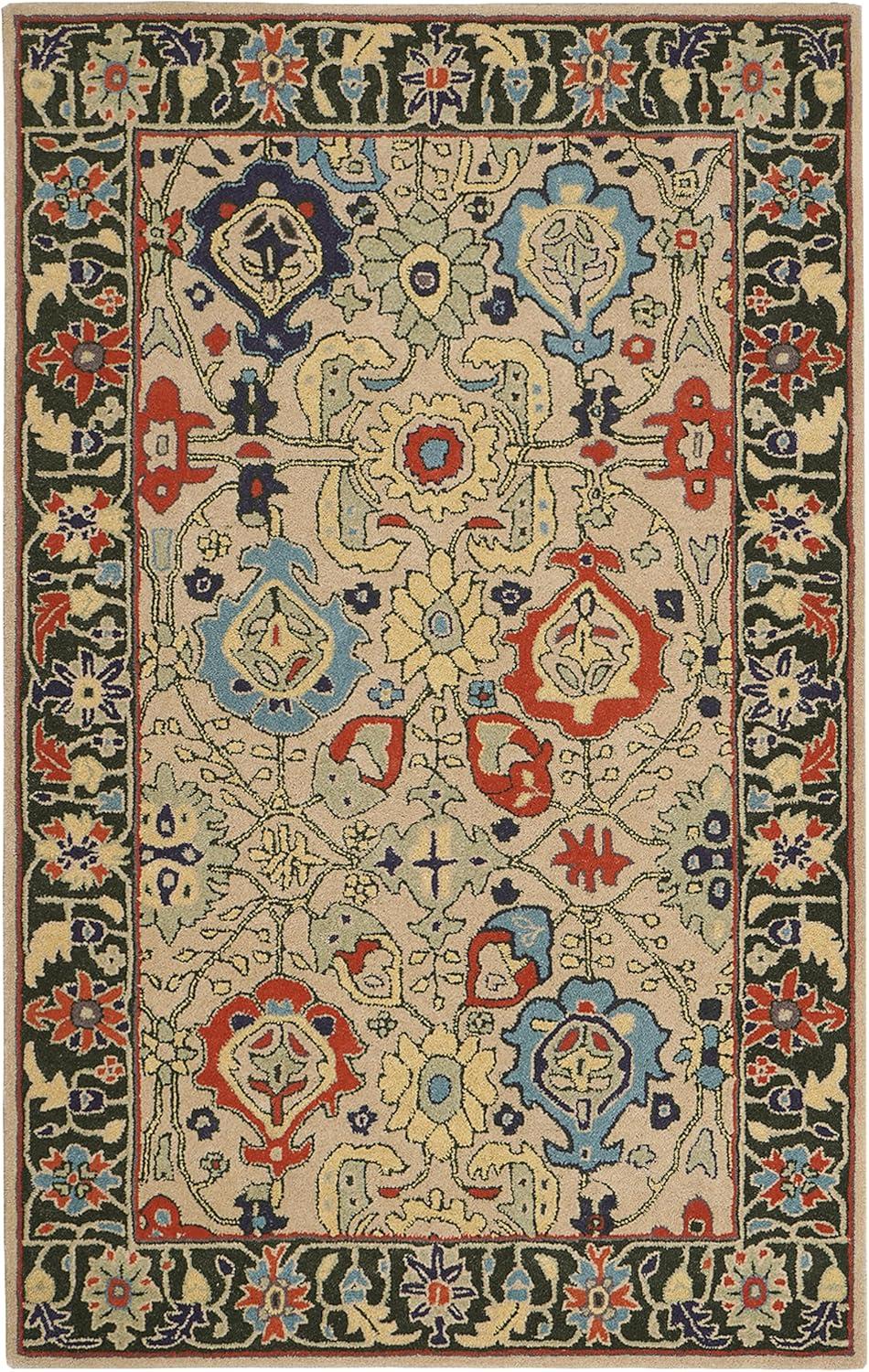
When you crouch down to examine the rug, the Wallard-inspired motifs stop being a flat graphic and start to read as layers. Individual tufts and the tiny halo of wool around them catch the angle of light, so lines that looked crisp from across the room soften at arm’s length. Neutral threads interweave with slightly darker flecks, and the tonal shifts in the colorways become more obvious: what seemed like a single beige from afar resolves into warmed, cool and mid-tone strands that shift as you move your head. You’ll notice the hand-tufting rhythm—slight variations in pile height and the occasional denser stitch—so the pattern has a lived-in texture rather than a factory-stamped precision.
Light and movement change what draws your eye. Under radiant daylight the contrasts in the design sharpen; under warmer evening light the same areas mellow and seem to blend. Foot traffic compresses and lifts fibers in streaks, making darker accents momentarily more pronounced along common paths. Up close, dye saturation can look uneven in places and the wool’s natural fuzziness blurs the crispest edges of the pattern—small, human-scale details that reflect its handcrafted nature rather than machine-perfect uniformity.
| Viewing condition | How the pattern reads up close |
|---|---|
| Bright daylight | Clearer contrast between tones; individual fibers and striations stand out |
| Warm indoor light | Colors soften and merge; the overall design feels more muted |
| After foot traffic or brushing | Pile direction emphasizes certain design lines; darker accents may appear streaked |
what the pure wool pile and hand tufting feel like when you touch them
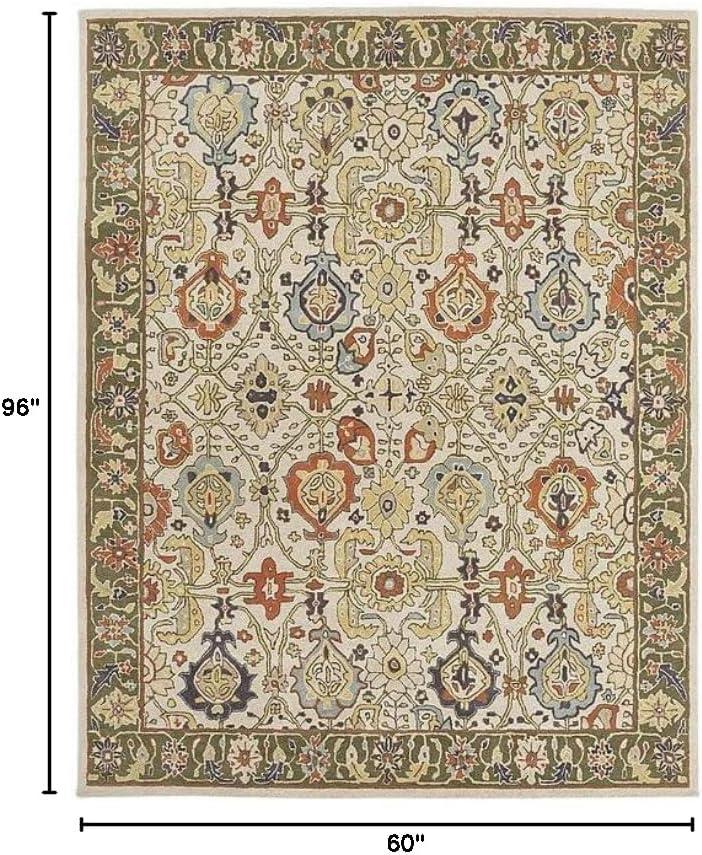
When you lay a hand on the wool pile the first thing you notice is warmth and a quiet, matte softness — not slick or silky, but pleasantly woolly. Press down with your palm and the pile gives beneath your weight, then rebounds; the compression feels cushioned rather than flat. Running your fingertips across the surface produces a gentle resistance, a faint drag that comes from the natural crimp of the fibers rather than a smooth slip.
Because the rug is hand-tufted you can feel small variations under your touch. Trace a line and you’ll pick up subtle undulations where the tufts sit a touch higher or lower, and a faint, row-like texture appears if you move your hand slowly. The cut ends of the wool are soft and rounded against skin; occasionally a short fiber will cling to your fingers on first contact, a transient transfer that tends to lessen after a few days of normal use. When you shift cushions or press down with your toes the nap may show directionality, creating a slightly different feel depending on how the fibers lie at that moment.
| How you touch | What you feel |
|---|---|
| Hand — slow, exploratory strokes | Warm, woolly surface with faint tuft ridges and gentle drag; short loose fibers may transfer initially |
| Foot — standing or stepping | Compressible, springy cushioning that recovers after weight is removed; nap direction can change the perceived smoothness |
How the rug feels underfoot and how its loft sits beneath your furniture
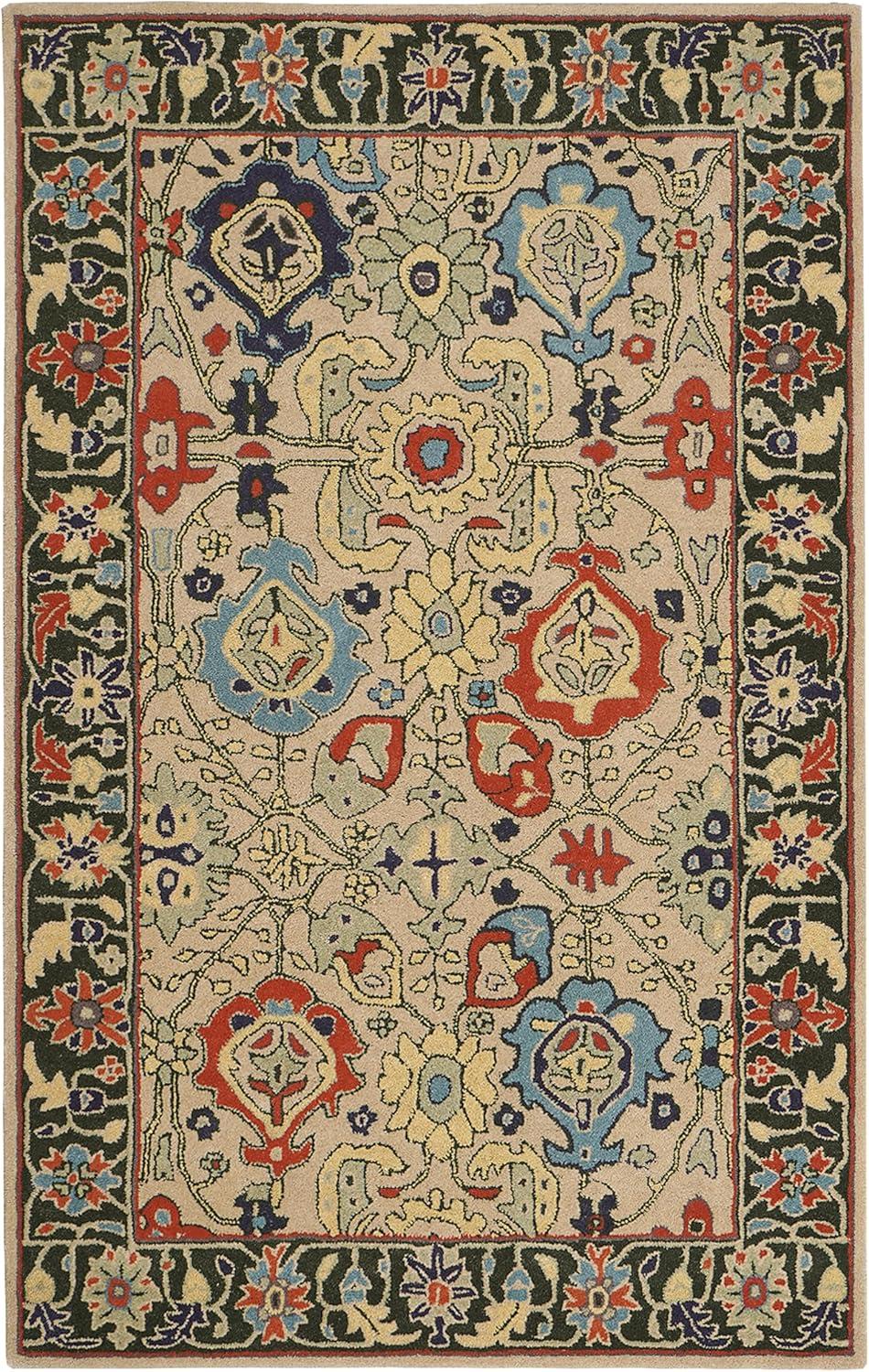
Step onto the rug from a hard floor and you’ll notice a soft give beneath your feet — a gentle spring that cushions each step without feeling marshy. Bare feet pick up more of the pile’s texture, while socks slide across it with a quieter, slightly velvety sensation. Moving around the room, the surface responds to pressure: the fibers part and bend where you walk, then mostly settle back in place after a few hours. Small habits — smoothing a corner,nudging a sofa cushion,or shifting a rug edge with your foot — are the kinds of adjustments that tend to restore the surface appearance in daily use.
The loft also shows itself under furniture in predictable ways. Heavier, stationary pieces can leave shallow impressions that remain visible at close range; thes compressions soften over weeks if the piece is moved a few inches now and then. Lighter chairs and coffee tables tend to make short-lived tracks that rebound within a day or two,and areas under frequent activity (a couch edge or dining chair path) flatten more quickly than less-used patches. The overall effect is one of subtle contouring rather than permanent sinking — the pile conforms under weight and, with ordinary movement, resumes much of its original texture.
| Furniture | Observed loft behavior |
|---|---|
| Sofa (stationary) | Shallow, persistent indentations that soften over weeks with occasional shifting |
| Dining chair | Visible tracks after use that usually rebound within a day or two |
| Coffee table / light side table | Minimal compression; pile largely unchanged |
How it settles into your living room bedroom and dining layouts and the space it covers
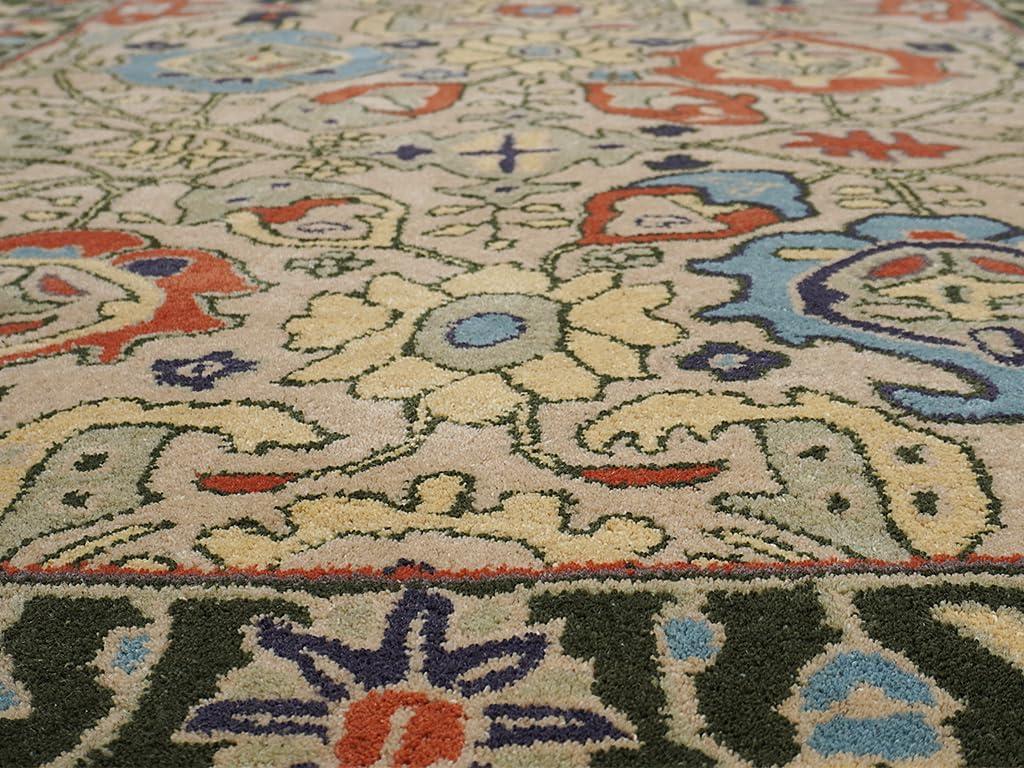
When you roll it out in a living room, the rug quickly reads as the room’s center: sofas and chairs ofen sit with their front legs on the pile while the coffee table rests entirely on it, and the edges tend to tuck under furniture in ways that make the layout feel anchored rather than floating.Foot traffic writes a path through the pile over time — the nap compresses along the busiest routes and shows a subtle change in tone where peopel walk most often. You’ll find yourself smoothing seams or nudging the rug back into place after shifting cushions or moving a floor lamp.
In a bedroom, it behaves more like a bedside landing. Placed partly under a bed,it typically extends enough to catch toes when you step out; pushing a nightstand into place can leave small indentations that soften again with daily use. The pile fluffs where blankets or duvet edges brush it, and occasional surface irregularities appear after sliding a dresser into position, then settle after a few days of normal movement.
Under a dining table the surface shows the most immediate interaction with use. Chairs sliding against the rug flatten the pile along those routes and, for some households, cause slight shifting or a rolled edge if chairs are repeatedly dragged from the same spot. the overall footprint frames the table and chairs, but the visible wear pattern concentrates where chairs are pushed and pulled.
| Room | How it typically settles | Observed coverage behavior |
|---|---|---|
| Living room | Anchors seating; edges often tucked under furniture | Traffic paths show compressed nap; seams may need occasional straightening |
| Bedroom | acts as a bedside landing; furniture leaves temporary impressions | Pile fluffs where feet and bedding brush; settles with daily use |
| Dining room | Frames table and chairs; chair movement flattens pile | Localized wear where chairs slide; occasional minor shifting |
How the Carli matches your expectations in daily life and the limits you might encounter
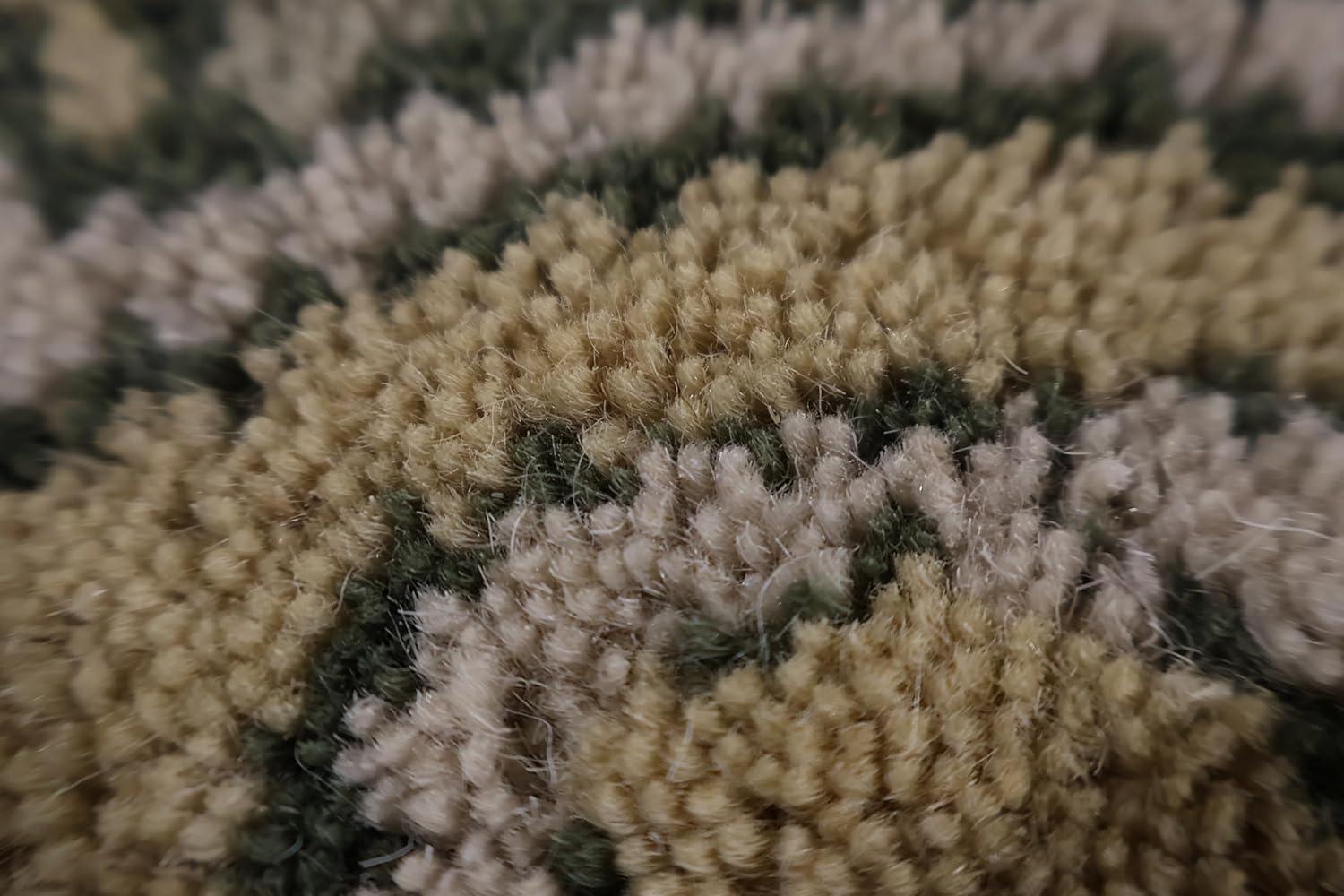
In everyday use the rug reads like a soft, steady presence: steps land with a muted thud and bare feet can feel a gentle give beneath them. High-traffic routes through a living area tend to show short-lived compression and faint footprints where people pass most often, and impressions from chair legs or a dining table can linger as subtle dips before the pile relaxes again. Small, unconscious habits—nudging a chair back, smoothing a lap blanket—register as slight shifts in the surface that become part of the rug’s lived texture.
routine interactions reveal a few practical limits. Loose fibers are sometimes visible during the first weeks and tend to lessen with regular movement; pet hair and crumbs can settle into the pile in localized spots rather than sit on top. Liquids behave in a way that frequently enough requires prompt attention to avoid set-in marks, and crumbs or darker debris stand out more than lighter dust on the neutral ground. On very smooth floors the rug’s underside generally holds it steady, though occasional sliding can occur when furniture is dragged or children run through the room.
| Daily situation | Observed behavior / limits |
|---|---|
| Repeated foot traffic | Visible footprinting and slight pile compression along paths; recovers gradually |
| Furniture placement | Indentations under legs that relax slowly; edges near heavy pieces may flatten |
| Pets and debris | Hair and crumbs can nest in the pile in spots rather than remain surface-level |
| Spills | Liquids are absorbed into fibers fairly quickly, increasing the chance of lingering marks |
| Slick flooring | Generally stable but can shift when dragged or under sudden lateral force |
View full specifications,sizes,and color options
What the care label and artisan notes say about cleaning and routine upkeep for your home
When you turn the care label over,it reads like a short checklist aimed at everyday handling: regular vacuuming (with a suction-only setting rather than an agitator),prompt blotting of spills with a clean cloth,and avoidance of bleach or harsh solvents. The label also points toward professional cleaning for deep refreshes; it doesn’t promise a single cleaning cadence, but implies that heavier traffic areas will need more attention. In everyday use you’ll notice the pile reacts to movement — footsteps can flatten the nap and occasional loose fibers appear during the first few weeks after unrolling — and those observations are reflected in the label’s practical, surface-level instructions.
The artisan notes add texture to the label’s terse directions. They mention some initial shedding as a normal part of hand-tufting, advise against aggressive agitation around the edges, and remind you that natural wool can respond to humidity and sunlight over time. Rather than strict rules,the makers frame their guidance as cautions born of experiance: gentle handling to preserve the hand-loomed surface,spot-testing any cleaner on an inconspicuous corner,and allowing the rug to lie flat after moving or after a spill so the backing and pile settle. In daily life that reads as small rituals — smoothing the pile with your hand, rotating the rug now and then, and noticing how the texture settles differently in busy versus quiet parts of a room.
| Label wording | Artisan note |
|---|---|
| Vacuum regularly (suction only) | Initial shedding expected from hand-tufting |
| Spot-clean spills promptly; avoid bleach | Recommend spot-test and avoid harsh chemicals |
| Professional cleaning recommended for deep cleaning | Gentle handling of pile and edges to preserve finish |
How It Lives in the Space
After months of regular use you notice how the Natural Weave Carli Hand-Tufted Wool Area Rug settles into the room, softening footsteps and quietly taking the rub of chairs and sofas as the room is used.It eases into corners where people gather, giving a familiar comfort underfoot in daily routines and showing gentle surface wear where traffic is steady. Small, habitual marks—faint tracks by the dining table, a bit of flattening along the path to the sofa—become part of its everyday presence in regular household rhythms. It stays, a quiet presence that rests and becomes part of the room.
As an Amazon Associate I earn from qualifying purchases.