New Pacific Direct Metropolis Low-Back Stool for your nook
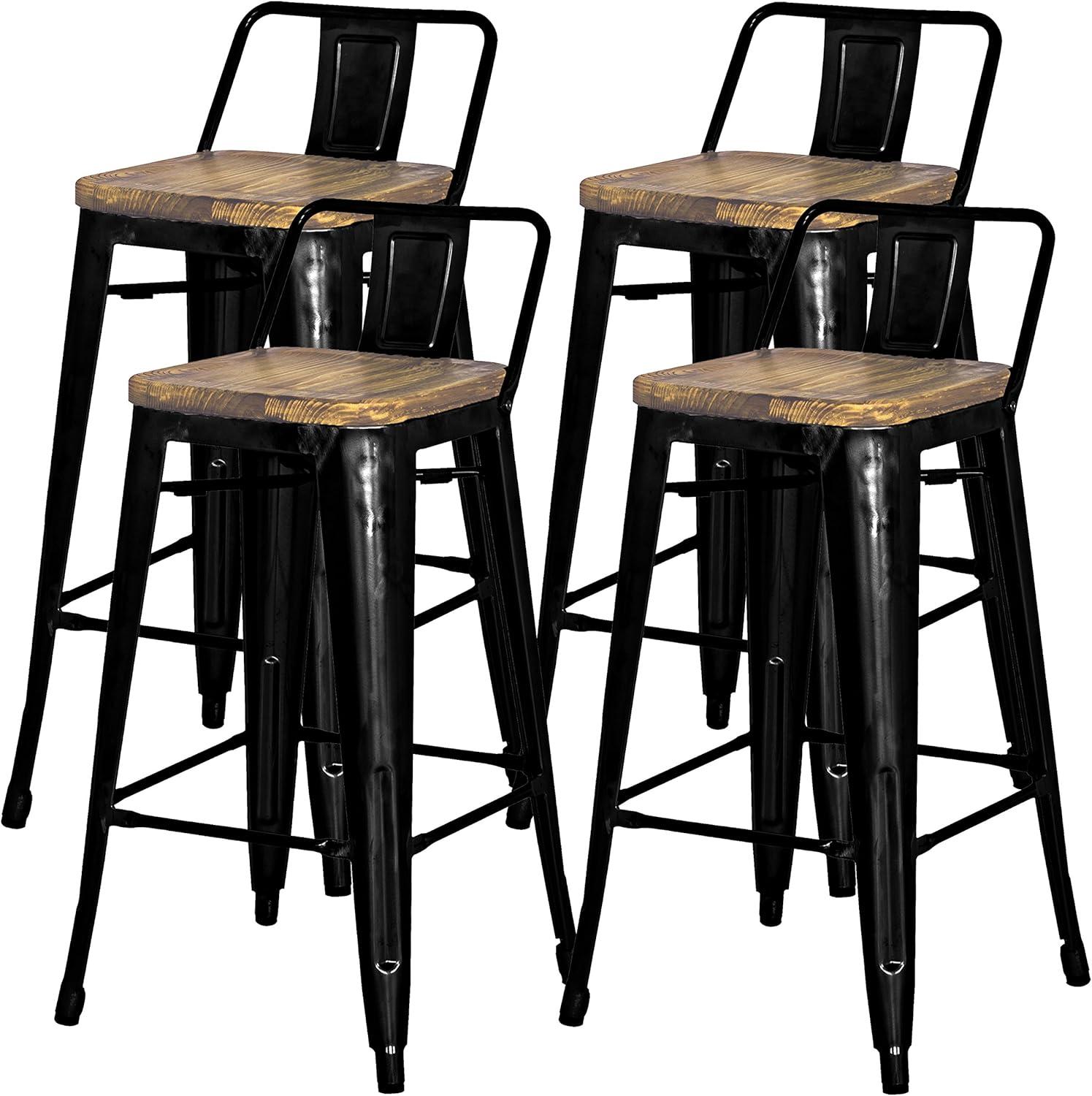
Light skims the meeting point of warm wood and matte black metal, and the stools read like low, confident silhouettes along the island. You notice New Pacific Direct’s Metropolis low-back bar stool in the way the pine seat sits slightly proud of the frame — smooth under your palm with a visible grain that softens the industrial lines. The metal feels cool to the touch, steady beneath your weight, and from a few paces the set reads surprisingly lightweight despite the visual anchor they provide. A low back stops just where your lower ribs would rest, and the stools’ slim legs leave the floor feeling more open than crowded.
A first look at what you receive with the Pacific Direct Metropolis metal low back bar stool set
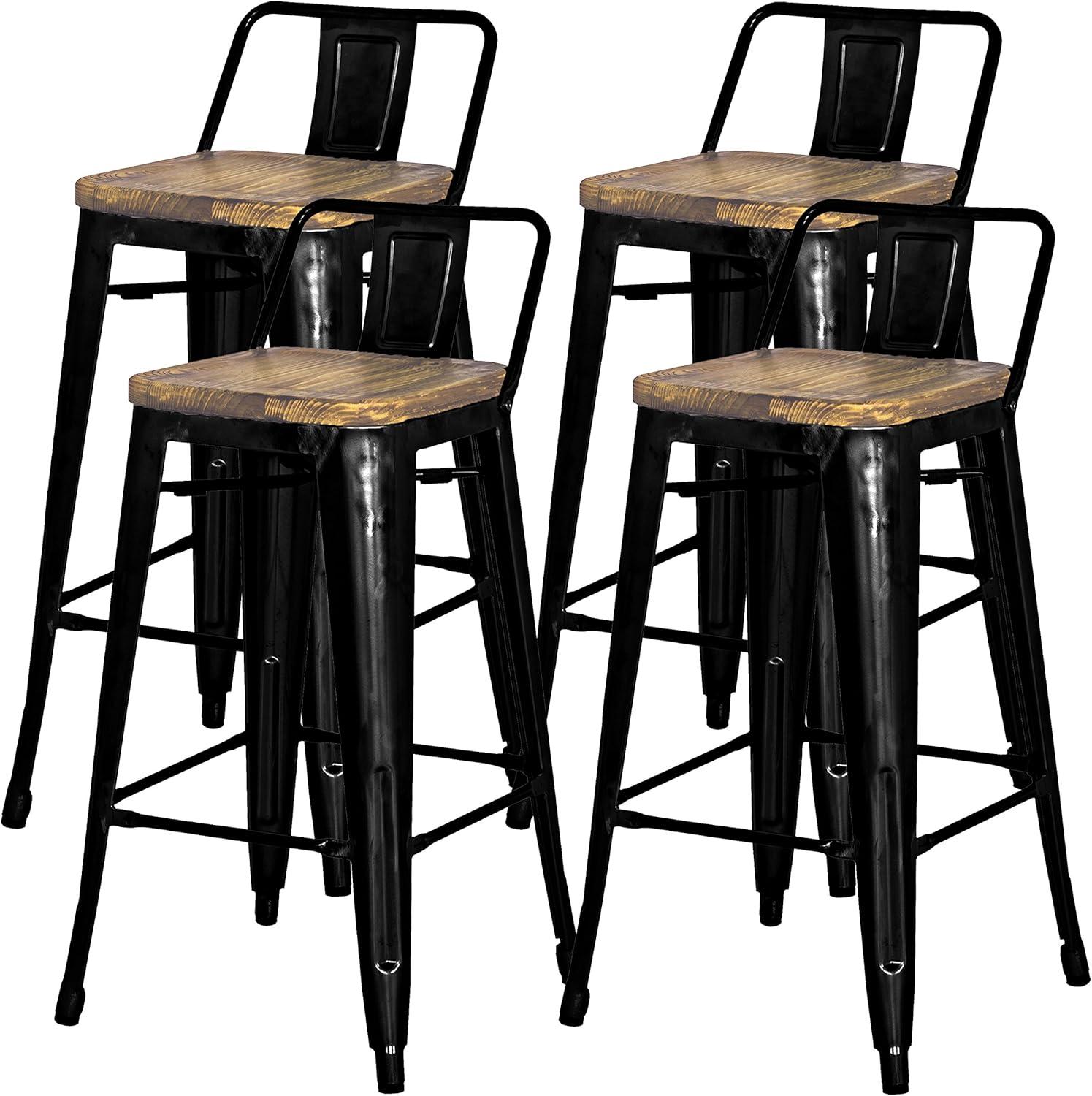
Inside the box, you’ll find the major pieces wrapped and nested to save space: stacked wooden seats protected by thin foam, the metal frames bundled in plastic, and a few loose backrest pieces tucked between them. A small hardware kit sits on top—several labeled bags of screws and washers, an Allen wrench, and a pair of rubber foot caps in their own pouch. The instruction sheet is folded flat; a simple exploded diagram faces up so you can quickly match parts to illustrations.
As you start to unpack and handle components, the wood seats show their grain through the protective film and feel slightly satiny when you rub a thumb across them. The frames are cool and steady in your hands; weld points and pre-drilled holes become obvious as you line parts up. The hardware is grouped in counts that let you drop pieces into place without hunting through a mixed pile, and you’ll probably find yourself smoothing a seam or nudging a leg into alignment as you test-fit before final tightening. small bits of packing foam cling here and there until you brush them off, and the whole setup invites the familiar routine of laying out parts, grabbing the wrench, and tightening in stages.
| Item | quantity (as packaged) |
|---|---|
| Wood seats | 4 |
| Metal frame assemblies | 4 |
| Backrest pieces | 4 |
| Hardware kit (bags) | 4 labeled packets + Allen wrench |
| Instruction sheet | 1 |
How the black metal silhouette and round wood seat sit in your kitchen or covered patio
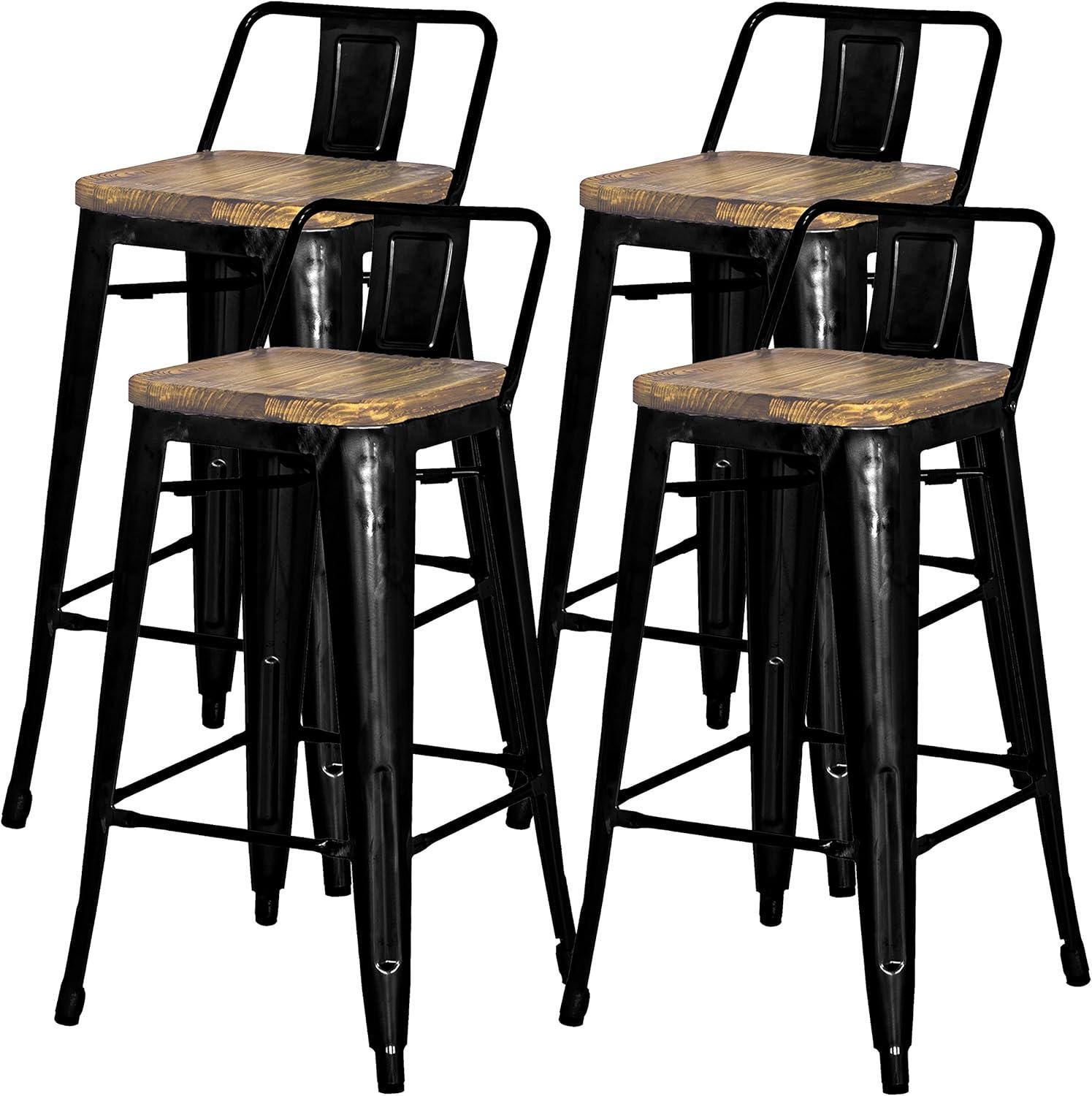
The black metal silhouette reads as a low, neat profile against a kitchen island or a covered-patio rail. In a row the slim backs create a steady visual rhythm; placed singly, the dark lines sit back from brighter surfaces and catch pendant light into thin highlights. The round wood seats break that linearity, their grain and warm tone interrupting the metal with a small, tactile focal point that is more noticeable when someone shifts forward or spins the stool to tuck it under the counter.
In everyday use the set settles into modest routines: stools are nudged back into place after a meal, feet tap the footrest and sometiems scuff the floor beneath, and the metal frame can throw long, narrow shadows late in the afternoon. On a covered patio the seat’s wood grain tends to look more pronounced after brief exposure to humidity, while the metal’s finish shows fingerprints and light dust more readily than the wood. There can be a faint give when weight shifts quickly or the floor is uneven, and small surface marks appear where objects habitually meet the seat—details that emerge with ordinary wear rather than all at once.
close up on the materials and construction when you run your hand along the frame and seat
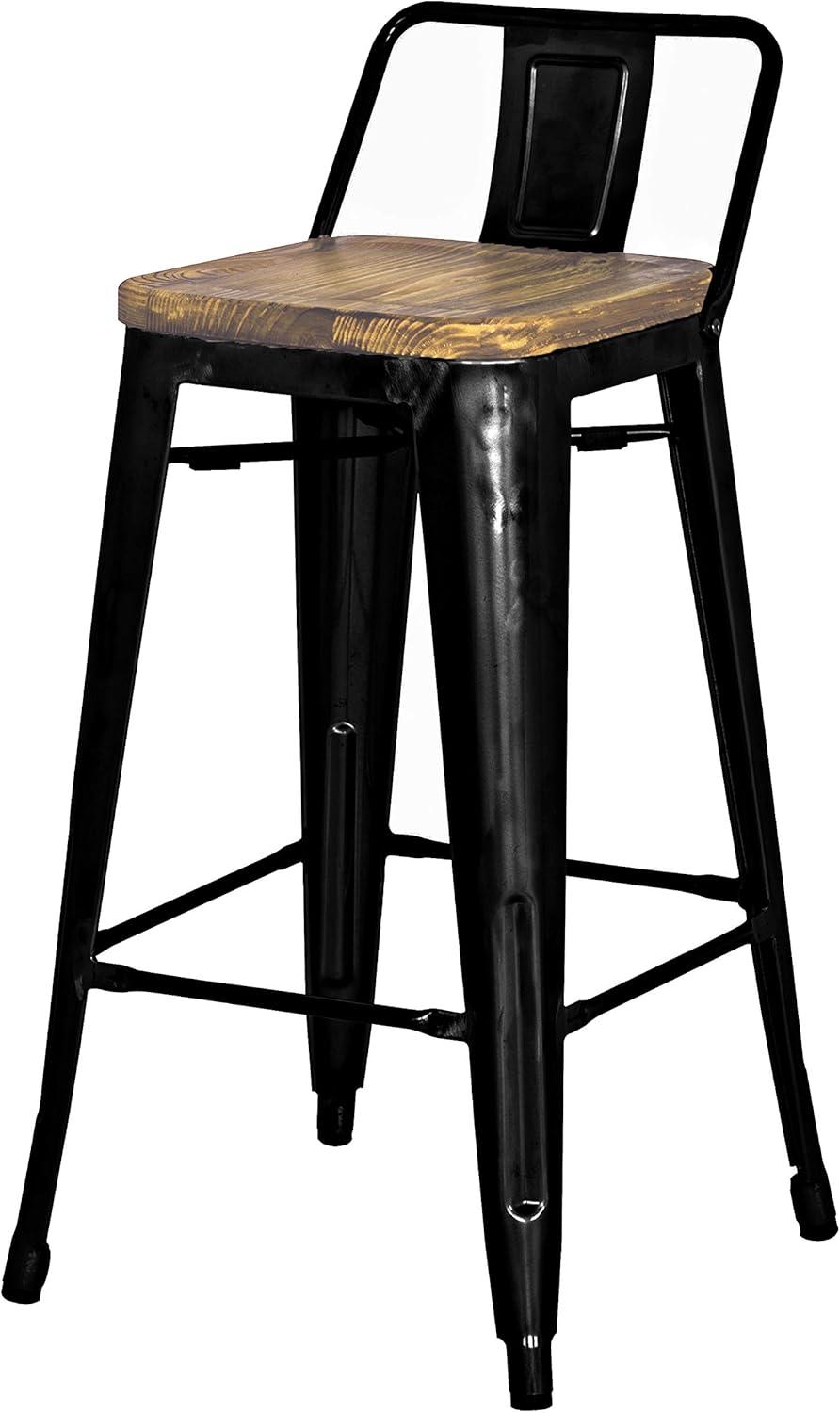
When you run your hand along the frame, the metal reads as cool and slightly resistant under your palm. The black finish has a matte feel that slows a fingertip more than a glossy paint would, and the tube profile is rounded enough that your hand rolls along it rather than catching. At the crossbars and joint points you can feel the tiny rise of weld beads and the occasional spot where the coating is a touch thicker; those are small, tactile interruptions rather than sharp edges. Where bracing meets the seat frame, fastener heads sit low but noticeable, and a rapid sweep of the fingers will find the seam where metal meets wood.
Sliding your hand over the seat shifts the temperature and texture — the pine feels warmer and more organic. The finish on the seat yields a smooth, slightly satin drag as your thumb follows the grain; you’ll notice the wood’s natural variation under a long stroke and the softened profile of the seat’s rounded rim. Flip the stool or peer underneath and your fingers trace the countersunk screw holes and the narrow gap where the seat is set into the frame, a small join that tends to collect dust over time. Small imprecisions appear with movement — a faint ridge here, a hairline change in coating there — nothing that interrupts the motion of touching, but enough that your hand registers the construction as a sequence of joined parts rather than a single seamless surface.
| Component | What you feel |
|---|---|
| Metal frame | Cool, matte powder-coat; rounded tubing; subtle weld beads and fastener heads at joints |
| Wood seat | Warmer to the touch; smooth satin finish; visible grain and rounded edges; countersunk screw joins underneath |
What it feels like to take a seat and how the low back influences your posture
When someone settles onto the stool,the initial sensation is of a firm,unyielding seat that doesn’t cradle the body. The wooden surface meets the thighs directly, and most people make a couple of small shifts—sliding forward a fraction, angling hips, or scooting until the little curve of the seat aligns with the sit bones. Because there’s no plush give, the body tends to find micro-adjustments: shifting weight from one hip to the other, straightening the legs, or resting forearms on a counter to change the center of gravity. movements happen quietly and often without conscious thought; a hand might smooth the seat edge or someone will reposition their feet to settle more comfortably.
The stool’s low back shows its influence promptly. it contacts the lower spine and sacral area rather than the thoracic region, so posture often becomes more upright through the lower lumbar rather than supported from shoulder blades inward. In practice this means people sit with a tucked, slightly engaged lower back or, alternatively, they perch on the front edge and lean forward when reaching or conversing. As there’s little upper-back anchoring, frequent small posture changes occur over the course of a conversation or meal—shifts that relieve pressure or permit a stretch. For some households, that pattern produces a steady rhythm of settling, readjusting, and returning to a neutral perch.
View full specifications and available options
where these stools fit in your space with actual height, seat depth, and clearance details
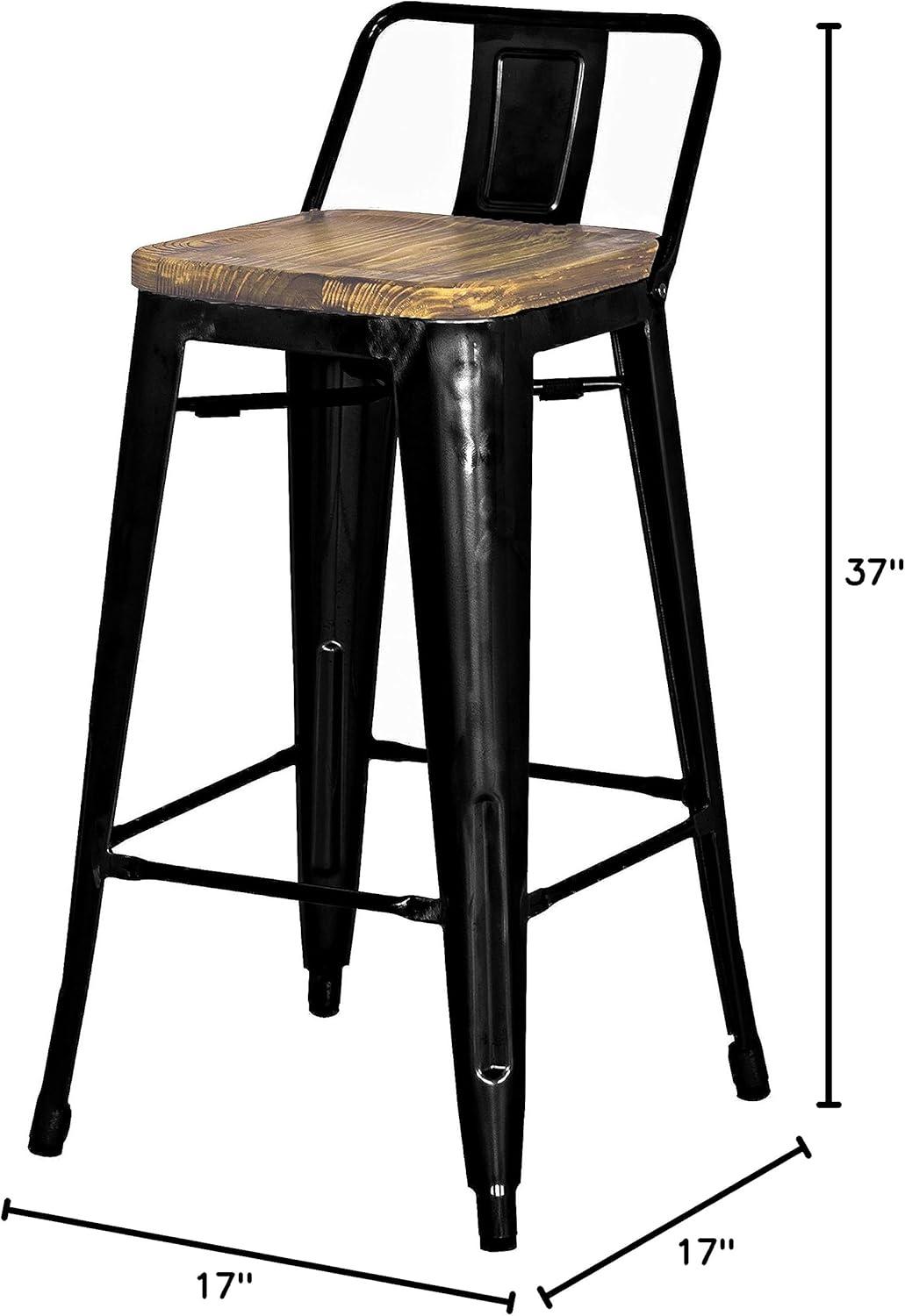
With a 30″ seat height, these stools sit at the level you expect for most bar-height surfaces. When you pull one up to a standard 36″ kitchen counter there’s roughly 6″ between the top of the seat and the underside of the counter; at a 42″ bar-height table that gap increases to about 12″. That difference becomes obvious when you move the stool in and out — the legs swing under more easily at bar-table height and feel a bit more tucked against a lower counter.
| Measurement | Approximate value | Observed note |
|---|---|---|
| Seat height (floor to top of seat) | 30″ | Stable at sitting; a small give can appear if you shift weight on the wood seat |
| Overall height (including low back) | ~33″ | The low back clears most counter aprons but doesn’t add much vertical presence |
| Seat depth (front-to-back) | ~12″ | compact seating area — you tend to sit toward the front and sometimes slide back to lean on the low back |
| Footrest height (floor to top of footrest) | ~21″ | Places your feet a few inches below the seat; a common resting position while seated |
Because the seat is relatively shallow, you may unconsciously shift your weight forward or tuck your knees closer to the apron on lower counters. The metal frame and footrest create a predictable plane for your feet, and the arrangement of seat, footrest, and counter determines how much under-counter clearance you actually feel while seated — small movements change that spacing more than the raw numbers suggest.
How these stools measure up to your expectations and the real life limitations you may notice
Initial use tends to match general expectations: the wooden seat feels firm and smooth under weight, and small unconscious habits—smoothing the seat before sitting, shifting on the edge to find a comfortable spot—show up quickly. the metal frame mostly holds steady during normal movement, though with regular use faint creaks can develop and fasteners may need a quick retighten after a few weeks. Light knocks and routine brushing of feet against the lower bars tend to leave tiny scuffs on the finish; these appear gradually rather than all at once, and are most noticeable in high-traffic placements.
In day-to-day life a few practical limitations become apparent. The low back provides minimal upper support, so longer sessions often involve frequent posture adjustments; leaning back transfers pressure to the frame in a way that can feel abrupt. The wooden seat can pick up surface marks from utensils or pet claws and tends to show water rings if left outdoors long enough, while the metal joints near the floor can collect grit that alters how smoothly the stool slides or settles. For manny households these are minor, intermittent behaviors rather than constant problems, but they are the kinds of things that show up with repeated daily use.
View full specifications and color options on Amazon
Assembly steps, maintenance observations, and what changes you see after regular indoor or outdoor use
When you unpack the parts, the assembly moves in a few predictable stages: lining up the metal frame, seating the wooden top into its mounting points, and fastening crossbars and footrests.The hardware provided is straightforward and the included Allen wrench is usually enough for hand-tightening; you’ll find that rotating the stool on its side to reach bolts makes the process less fussy. Screws tend to draw up snugly rather than slide, and you may instinctively alternate between opposite fasteners to keep the seat square. There’s a little give in the joints while you’re working, so final tightening after the stool has been stood upright and sat on once or twice feels normal rather than alarming.
Maintenance habits form quickly. Indoors, a quick wipe with a damp cloth removes most marks and dust gathers first on the underside of the seat and at the footrest. Moving the stools around can leave small paint scuffs on corners and mild abrasions on the wooden top where the grain meets the metal frame — you’ll find yourself smoothing those areas with the cloth or running a finger over a seam without thinking. Outdoors, the same motions reveal different changes: water spots and a faint patina show up on exposed metal within weeks in humid conditions, and the wood darkens or lightens depending on sun exposure. Bolts that feel firm at assembly can loosen over time with repeated use and are often tightened during routine cleaning.
| Observed change | Typical indoor timeframe | Typical outdoor timeframe |
|---|---|---|
| Minor paint scuffs at edges | First few weeks of moving | first few weeks, more frequent |
| Surface dirt on footrest and underside | Immediate, becomes periodic | immediate, cleans off with water |
| Wood seat color shift (patina or fading) | Slow, noticeable after months | Visible within weeks to months |
| Fasteners loosening | After several weeks of use | Often sooner with outdoor movement |
Over time you’ll develop small rituals: brushing off crumbs from the seat, running a finger along weld seams, and checking tightness at the same cadence you clean the room. Squeaks or tiny side-to-side play can appear after repeated sitting and tend to respond to a quick re-tightening rather than a major repair. In rainy or coastal conditions the metal finishes show the most obvious changes, while indoor use mainly surfaces as gradual wear along contact points — all fairly situational and often noticed first during routine cleaning or when you move the stools to a different spot.
How the Set Settles Into the Room
Over time the New Pacific Direct Metropolis Metal Low Back Bar Stool 30″ Wood seat, Indoor/Outdoor Ready, Black, Set of 4 slips into corners of your daily life, the place you perch for a quick cup or pull up for an impromptu chat.The seat’s comfort shows itself in the small habits of use, the way brief sits and longer evenings shape how you lean, while the wood and metal pick up tiny marks and a lived-in patina. You move them as rooms are used and they take on the rhythm of regular household minutes, more a familiar stop in the day than a showpiece. You notice they simply stay.
As an Amazon Associate I earn from qualifying purchases.