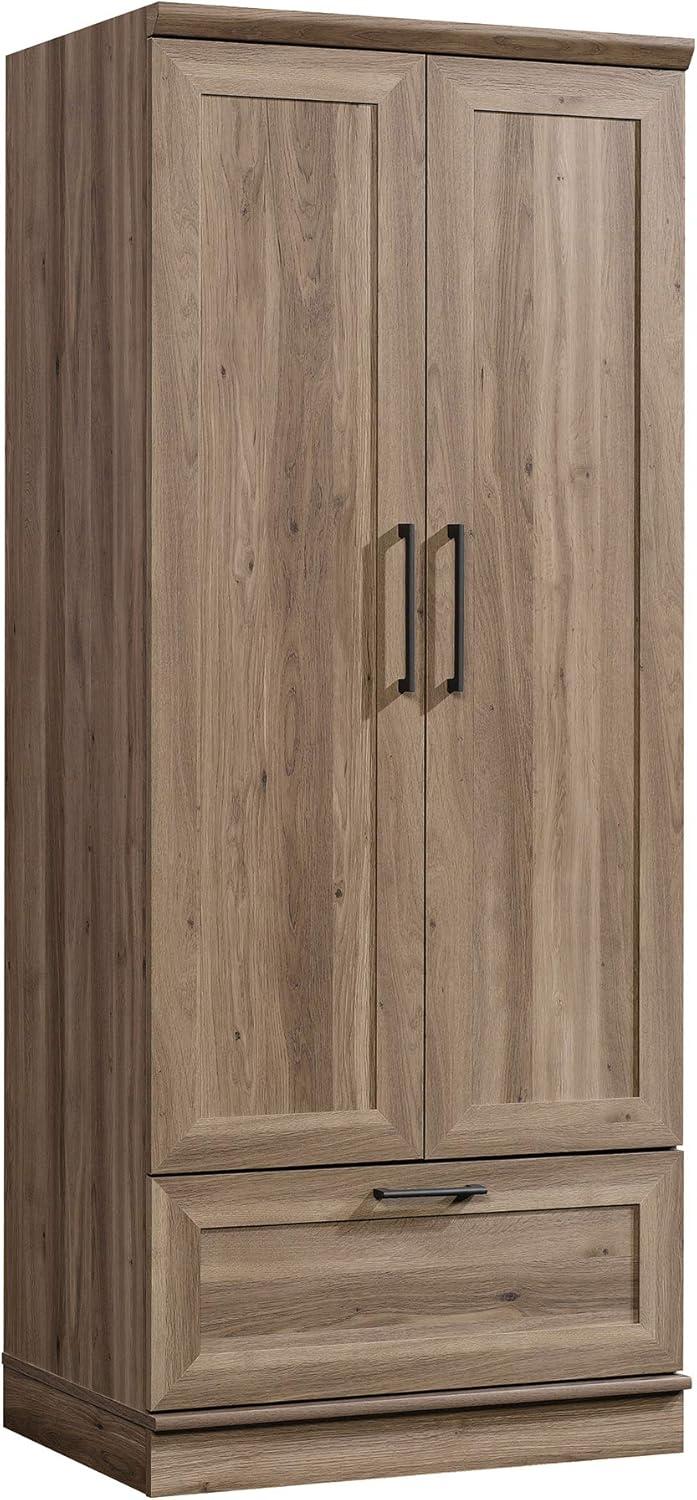
Sauder HomePlus Bedroom Armoire: Storage for your small room
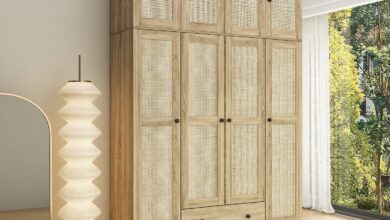
You notice it before you fully register the rest of the room — the salt oak finish catching a strip of late light and turning the grain into a soft, horizontal pattern.Up close the framed panels have a faint texture under your fingertips,and the piece sits with a steady,grounded weight that alters the room’s scale. The carton named it the Sauder HomePlus Bedroom Armoire Wardrobe, but in the space it reads simply as a tall, quietly practical cabinet: doors that close with a solid little thud and a lower drawer that slides away smoothly. Open it and the interior reveals a tall, usable depth that absorbs hangers and folded stacks without feeling cramped. From a few paces the armoire anchors the corner; at arm’s reach it’s an ordinary, touchable piece of furniture you keep finding reasons to open.
A first look at the Sauder HomePlus armoire and what you get in the box
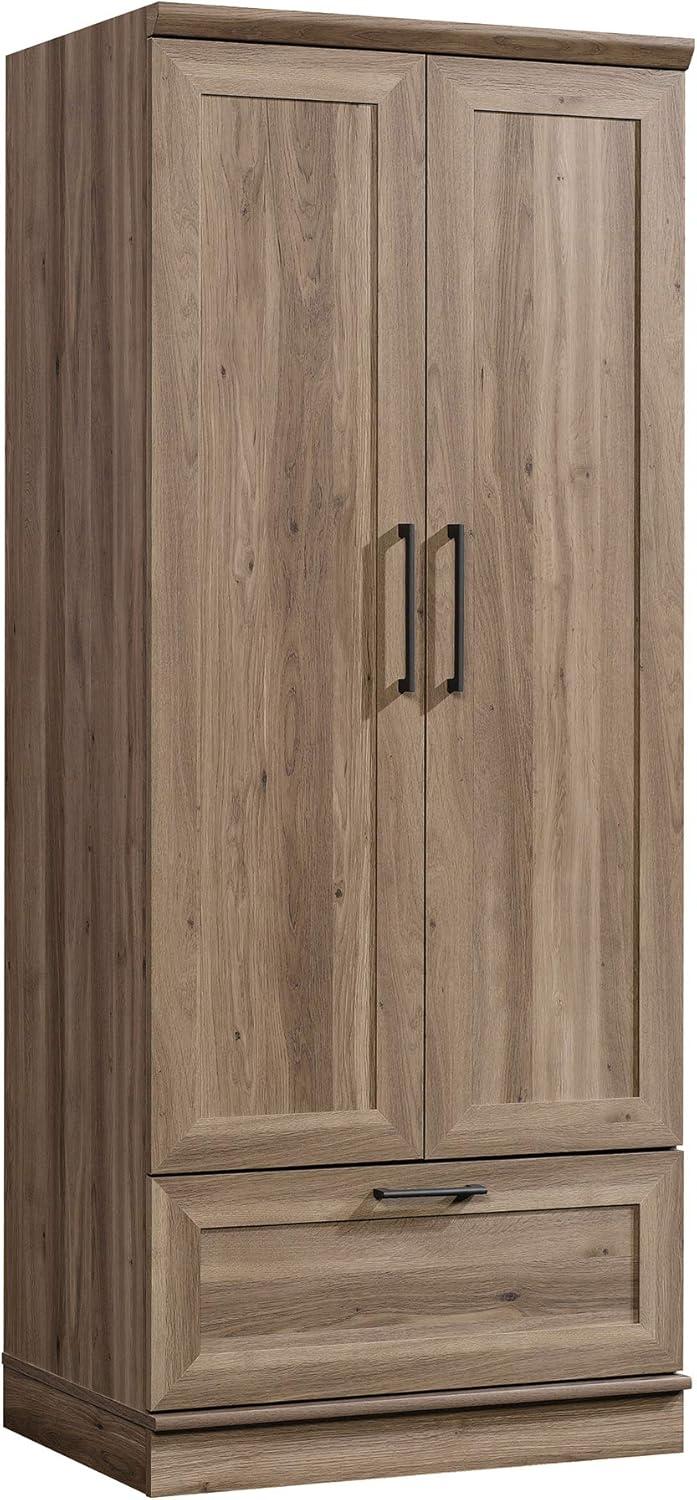
When you crack open the shipping carton you’ll see everything laid out flat and wrapped in thin foam and cardboard corner protectors. The largest pieces — side panels,top and bottom boards,the back panel and the framed doors — sit face-to-face to save space,so you’ll be nudging apart layers and smoothing out the occasional footprint from packaging. A folded instruction booklet and an inventory sheet usually sit on top; the sheet is handy for checking you have all the smaller bits before you start moving parts around the room.
alongside the big panels there’s a clear hardware bag with screws, cam locks, dowels, metal drawer runners, and the hinges for the doors. A small hex/Allen key is commonly included in the pack; you’ll still reach for a Phillips screwdriver and possibly a hammer for some of the assembly steps. shelves arrive separate from the carcass — one of them adjustable — and the hanging rail and drawer components are in their own packets so you handle them one at a time as you follow the build steps. The thin back panel is sandwiched in the bottom of the box and has the cord-access cutout already made.
In practice, you’ll find yourself sorting pieces on the floor, checking the inventory, and arranging the hardware into groups. some parts are labeled with stickers that match the diagram in the manual, which makes lining up cam locks and dowels less fussy than it first appears. Small scuffs where rigid packaging met edges are possible, and a little realignment of panels tends to be part of the first hour of assembly.
| In the box | What to expect |
|---|---|
| Large panels (sides, top, bottom, doors) | Flat-packed with protective cardboard |
| Back panel | Thin, with cord access cutout |
| Shelves (including one adjustable) | Separate pieces, labelled |
| Hanging rail and drawer parts | Packaged separately for easy assembly |
| Hardware bag | Screws, cams, dowels, hinges, drawer runners, small Allen key |
| Instruction manual & inventory sheet | Step-by-step diagrams; useful for sorting |
How it reads in your room, with the Salt Oak finish, silhouette and presence
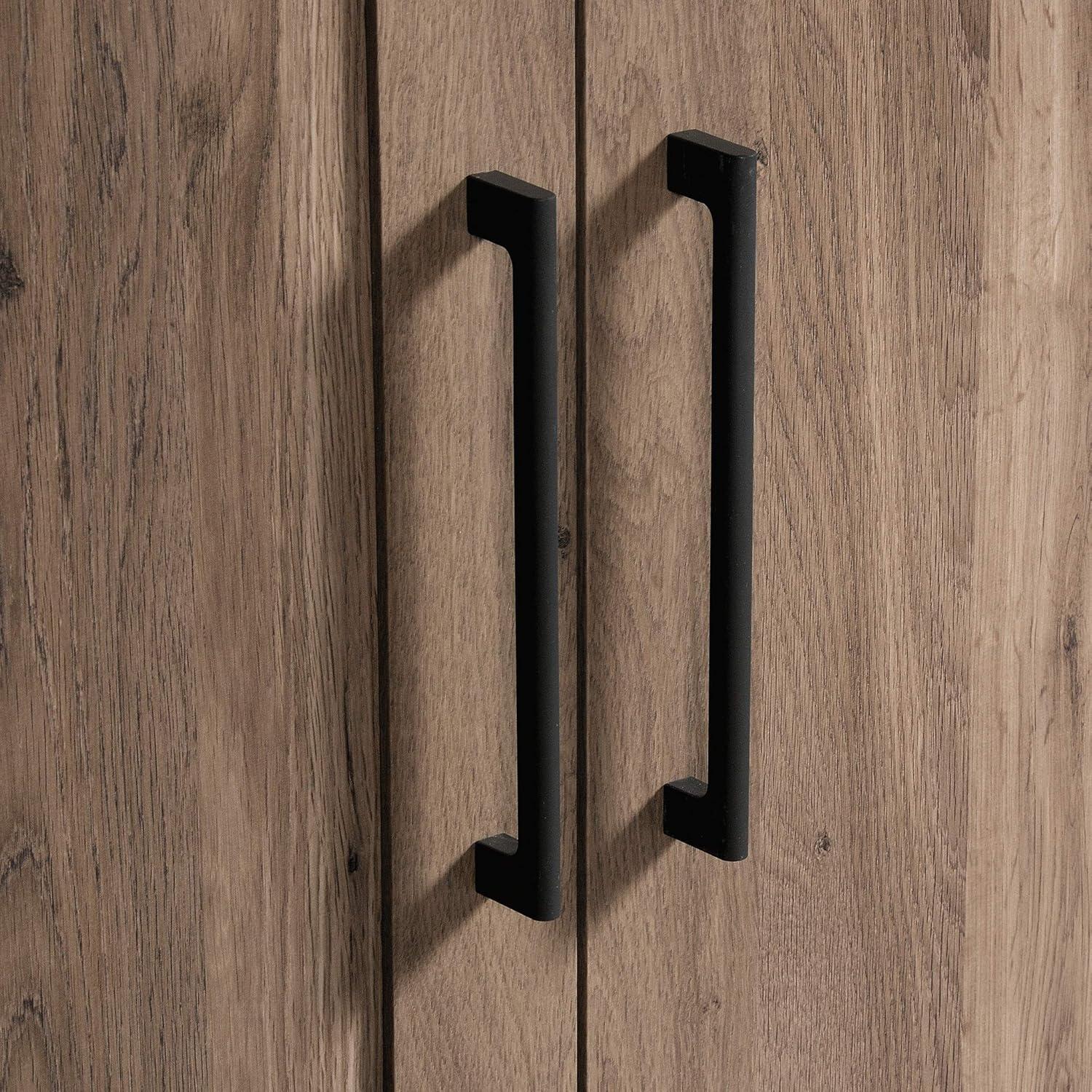
The Salt Oak finish reads as a warm, mid-toned wood veneer that softens as light shifts through the day. In morning sun it can take on a honeyed glow; under cooler artificial light the grain flattens and the surface reads a touch more muted. The framed panels and subtle grain pattern create faint bands of shadow along the doors, so the cabinet’s face rarely looks uniformly flat — instead it reads as layered, with the profile of the panels catching the eye more than a continuous sheet of color.
From a distance the piece reads as a vertical anchor: a tall, rectilinear mass with clean lines that splits visual space rather than blending into it. Up close, small moments of use alter that silhouette — a half-open drawer interrupts the column, light spilling from slightly parted doors changes perceived depth, and the top surface collects the soft outlines of lamps or a low stack of items, which in turn emphasize its horizontal top line. Scuff marks, dust in the recessed grooves and the occasional finger smudge tend to reveal themselves against the finish, especially where hands naturally adjust or doors are smoothed during daily use.
View full specifications and available color options
Putting it together, the materials and hardware you handle during assembly
When you unpack the cartons, the first things you handle are the panel pieces: flat, laminated boards in the Salt Oak finish with predrilled holes and routed grooves.They feel stiff but light enough to lift alone; the printed surface is smooth under your palm and the exposed edges carry a thin band of matching veneer that sits mostly flush against the board.The back panel is noticeably thinner — a hardboard sheet that slides into a recessed channel and comes with small finishing nails to tack it in place.
your attention soon shifts to the small hardware bags. There are cam locks and metal dowels that slot into the predrilled holes, a handful of wood screws in several lengths, and a set of metal hinges for the doors. The drawer hardware includes metal runners that line up against the side panels and a matching set of rollers or glides; when you set them on the bench they have the expected moderate weight of stamped steel. Adjustable base levelers are separate, threaded pieces that screw into the underside of the cabinet, and a plastic or rubber cap is attached to each for floor contact.
| Piece | How it appears as you handle it |
|---|---|
| Panel boards | Flat, laminated finish; predrilled holes and edge banding; heavier than they look when you move them |
| cam locks & dowels | Small metal and wooden bits; click into place when aligned with the holes |
| Hinges | stamped metal with mounting plates; sit recessed into predrilled pockets |
| Drawer runners | Metal slides with visible screw holes; they pair and glide when briefly tested on your work surface |
| Back-panel nails & levelers | Thin finishing nails for the rear and threaded levelers for the base, plus small plastic caps |
As you work, small habits surface — you’ll set tiny screws in a jar or the cardboard flap, tap dowels gently with a mallet, and line up cam locks before tightening. The assortment of parts is straightforward to sort by feel and shape, and most pieces fit into the predrilled locations without needing much improvisation.
Inside the cabinet and how you interact with the hanging rail, pantry style storage and drawer
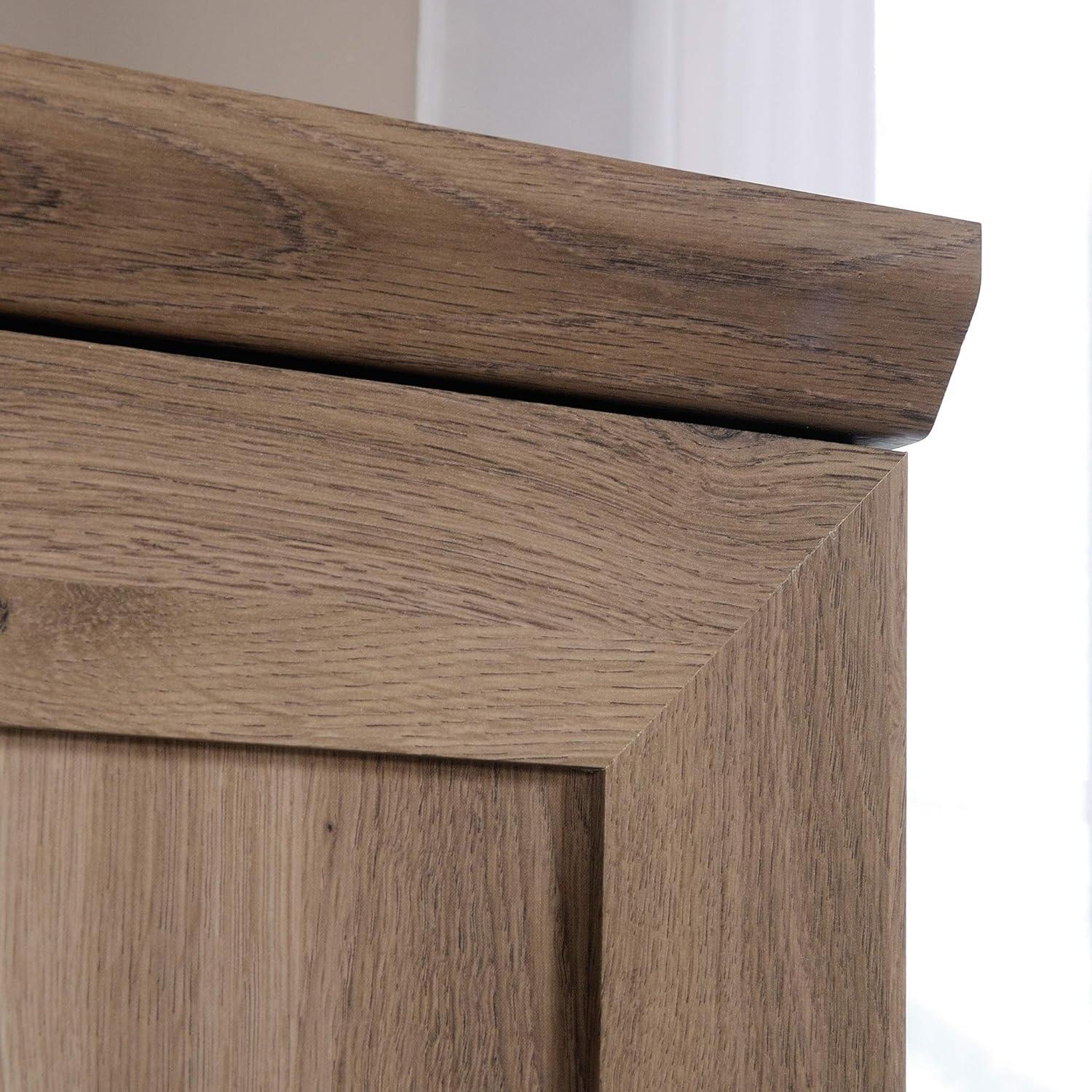
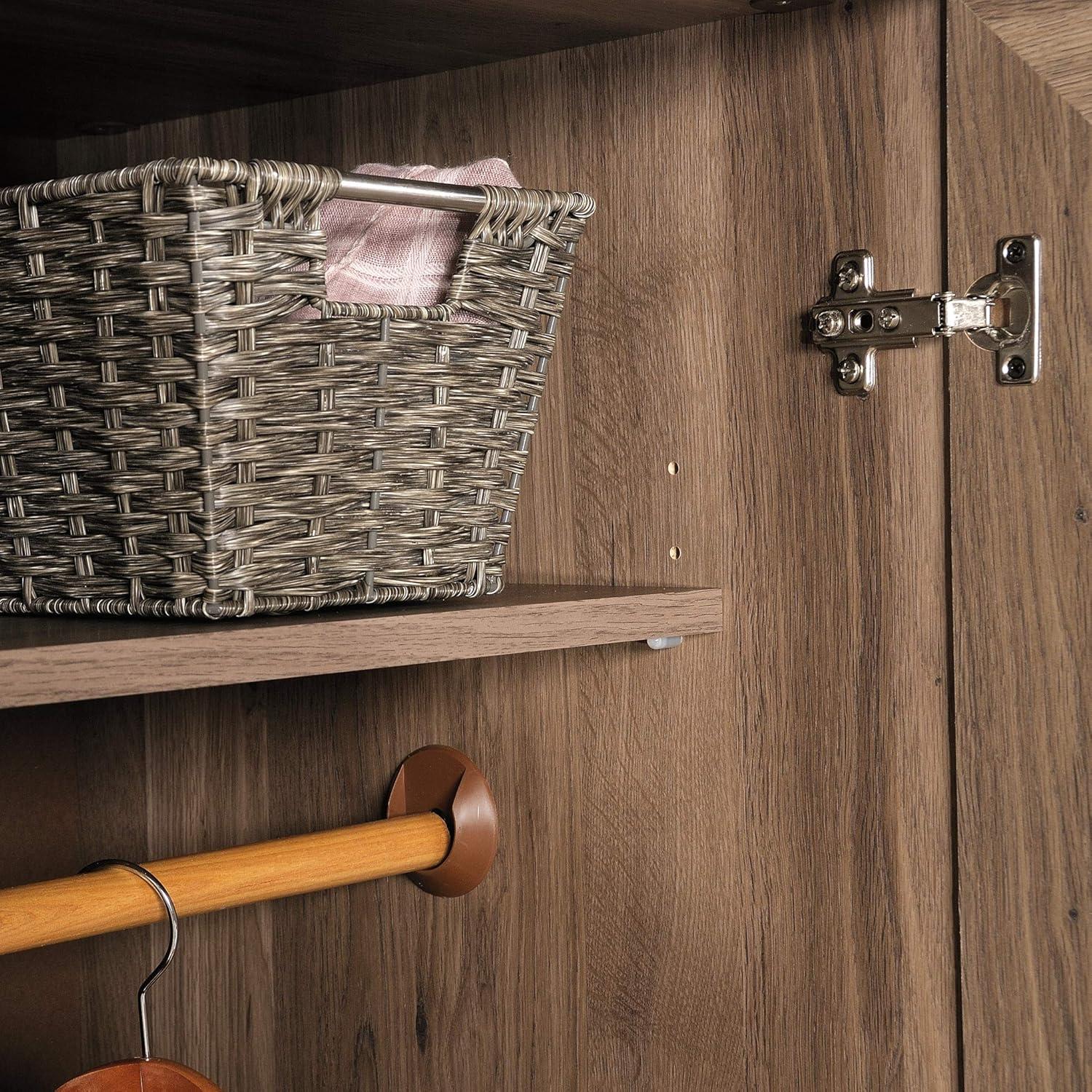
Opening the doors reveals a simple internal layout: a horizontal hanging rail spans the upper section while a bank of pantry-style shelves occupies the side or middle, depending on the shelf arrangement. Garments on the rail tend to sit close to the back panel so shirts and blouses fall straight rather than billowing; when the adjustable shelf is set lower, the clearance above the drawer can feel tighter, so longer items may tuck nearer the drawer face in most cases. Moving clothes on and off the rail is an unhurried motion — hangers slide across the bar with a quiet scrape and occasionally brush against neighboring pieces when items are shifted around.
The pantry shelves behave like shallow cubbies: reaching in for a folded sweater often requires a light forward lean to retrieve things at the rear, and shifting the adjustable shelf generally means emptying that level first and repositioning the supports. The lower drawer runs on metal glides and opens with a steady pull; it usually comes out smoothly, though heavily packed contents can make the front feel slightly resistant or demand a small push to realign the drawer face. Small habits emerge — fingertips sweeping along the rail to straighten a row of shirts, a speedy slide of a tote back toward the shelf edge to make room — and these everyday interactions give a clear sense of how the interior functions over repeated use.
View full specifications and available options
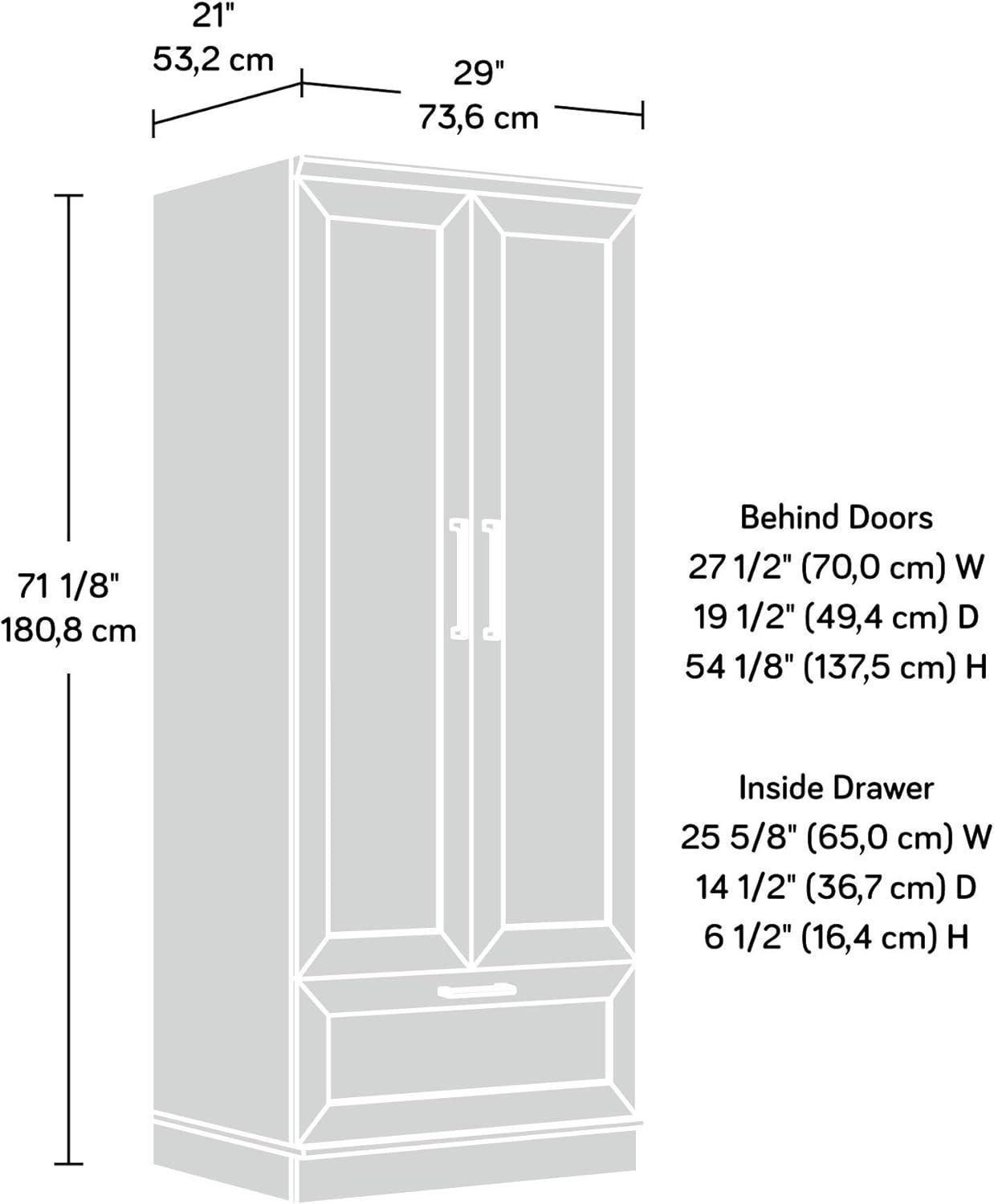
Dimensions, clearance and how it fits into your bedroom or hallway layout
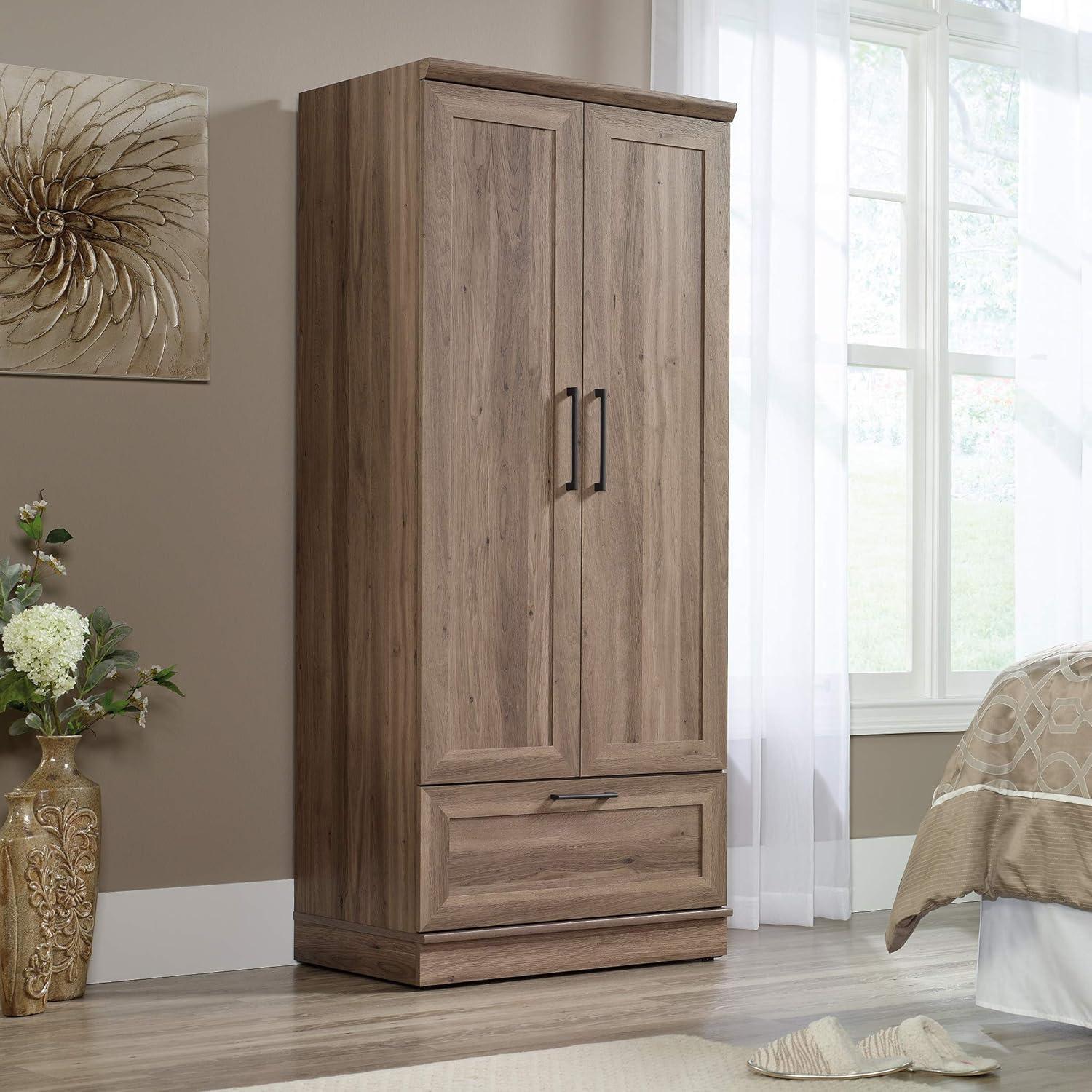
Placed in a narrow corridor or against a bedroom wall, the piece occupies a clear, upright footprint and tends to read as a vertical block rather than a low, spreading unit. The doors swing outward and the bottom drawer slides forward, so some clear floor space in front is required for normal use; when the doors are open,the interior becomes easier to reach but the opened panels can brush nearby walls or a doorway frame in tighter arrangements. The adjustable base levelers show their effect in situ — once nudged, the cabinet sits squarely on uneven floors, but the adjustment can leave a hairline gap at the base that collects dust over time.
Inside the room its depth often determines how intrusive it feels. In many layouts the front-to-back measurement brings the cabinet into the plane of typical traffic flow, so the drawer and hanging section become the active parts of the layout as people move past. The back panel has a cord access point, which usually aligns with an outlet without needing a large offset, though leaving a small space behind the unit makes plugging in a lamp or charging device less awkward. Ceiling height matters too: when placed beneath lower ceilings the top sits close to the upper plane and limits any use of the top surface for taller objects.
| Measurement (approx.) | Typical observation |
|---|---|
| overall height | Tall profile that reaches upward rather than out |
| Overall width | Moderate span that can dominate a narrow wall segment |
| Overall depth | Depth that projects into room traffic; drawer and hang space extend forward |
| Door swing clearance | Requires unobstructed front clearance when open; panels may contact tight door frames |
| Drawer open clearance | drawer glides smoothly but needs front space to extend fully |
Observed trade-offs tend to be practical rather than dramatic: the cabinet fills vertical space efficiently yet can narrow passage in compact hallways, and the operational parts — doors and drawer — define the clearance demands more than the static footprint does. In most cases a small forward zone for door and drawer movement keeps daily use straightforward without complex rearrangement.
View full specifications and size options
How the armoire performs in your daily life versus what you might expect
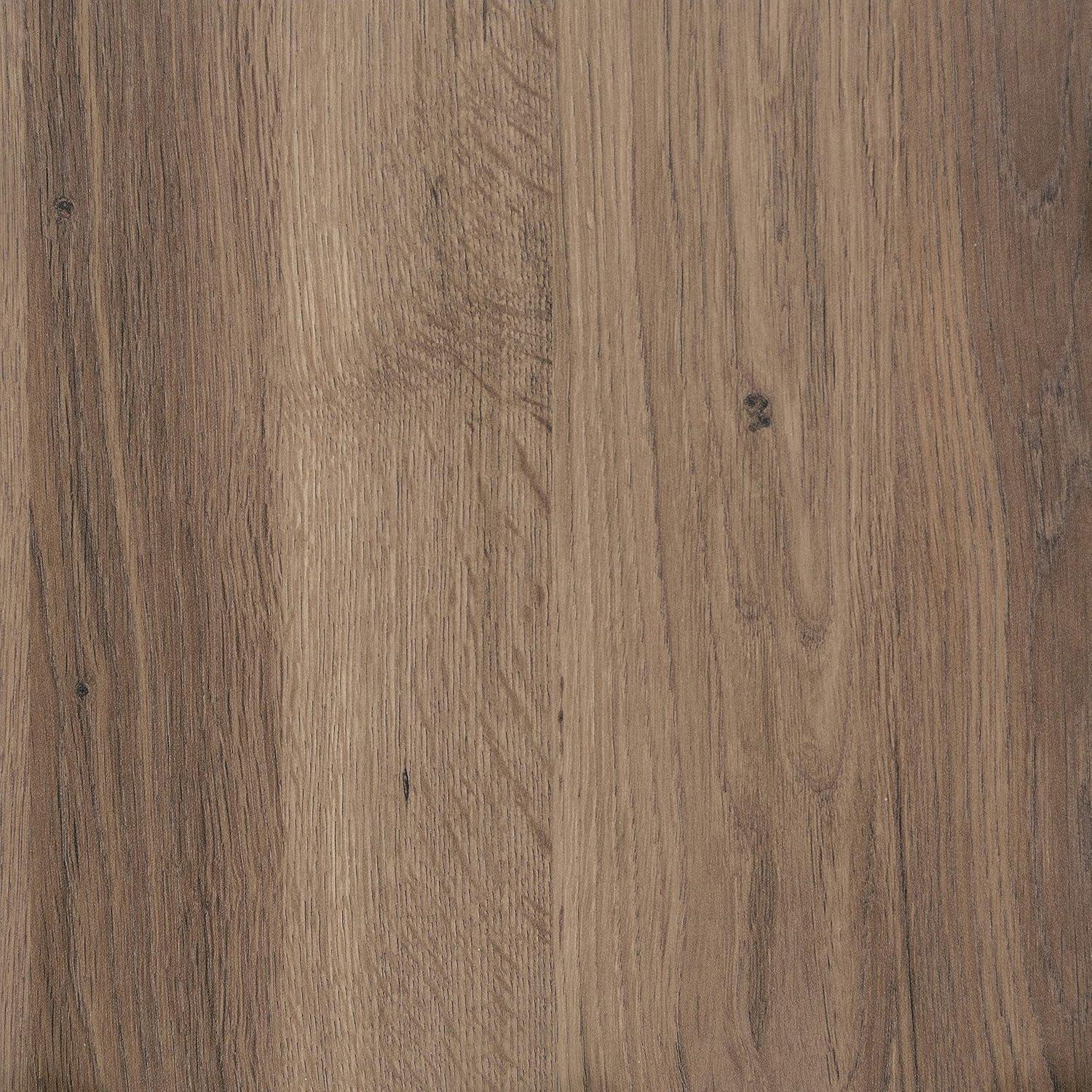
In everyday use, the armoire behaves a bit differently than a brief product summary might imply.Mornings frequently enough reveal that hanging pieces sit neatly on the rod but that longer garments can crowd the front of the cabinet when doors are opened quickly; shirts and light jackets tend to stay put, while bulkier items sometimes need a quick nudge back into place.The adjustable shelves show their value during midweek rotations—items moved around to make room for freshly laundered clothes settle into new configurations,and the shelf holes make small shifts possible without disassembly.The lower drawer glides smoothly under typical loads, though it can feel heavier and slower to close when filled with denser items or several layering pieces.
Daily rhythms expose small trade-offs that rarely appear in a specification sheet. Doors open with a reassuring weight and a little torque; when reaching in for a folded sweater, one hand often steadies the cabinet while the other retrieves the item. The enclosed back panel’s cord access is handy when the unit lives near an entertainment wall or a lamp, but routing cables becomes more noticeable when the armoire is pushed tight against the wall. On uneven floors, the adjustable base levelers get readjusted a few times in the first weeks, then mostly hold steady—occasional checks happen as seasonal humidity shifts. common use patterns tend to smooth out initial quirks, with small, situational adjustments becoming part of a routine rather than ongoing fixes.
| Expectation | Observed in daily life |
|---|---|
| Hanging space stays tidy | Remains neat for shirts; bulkier or longer pieces need occasional repositioning |
| Adjustable shelves are instantly convenient | Useful for midweek reorganizing, but moving them takes a short pause in workflow |
| Drawer operates smoothly regardless of contents | Glides well with lighter loads; slows slightly when heavily packed |
View full specifications and color options
Daily care and simple maintenance you’ll notice over time for the finish and hardware
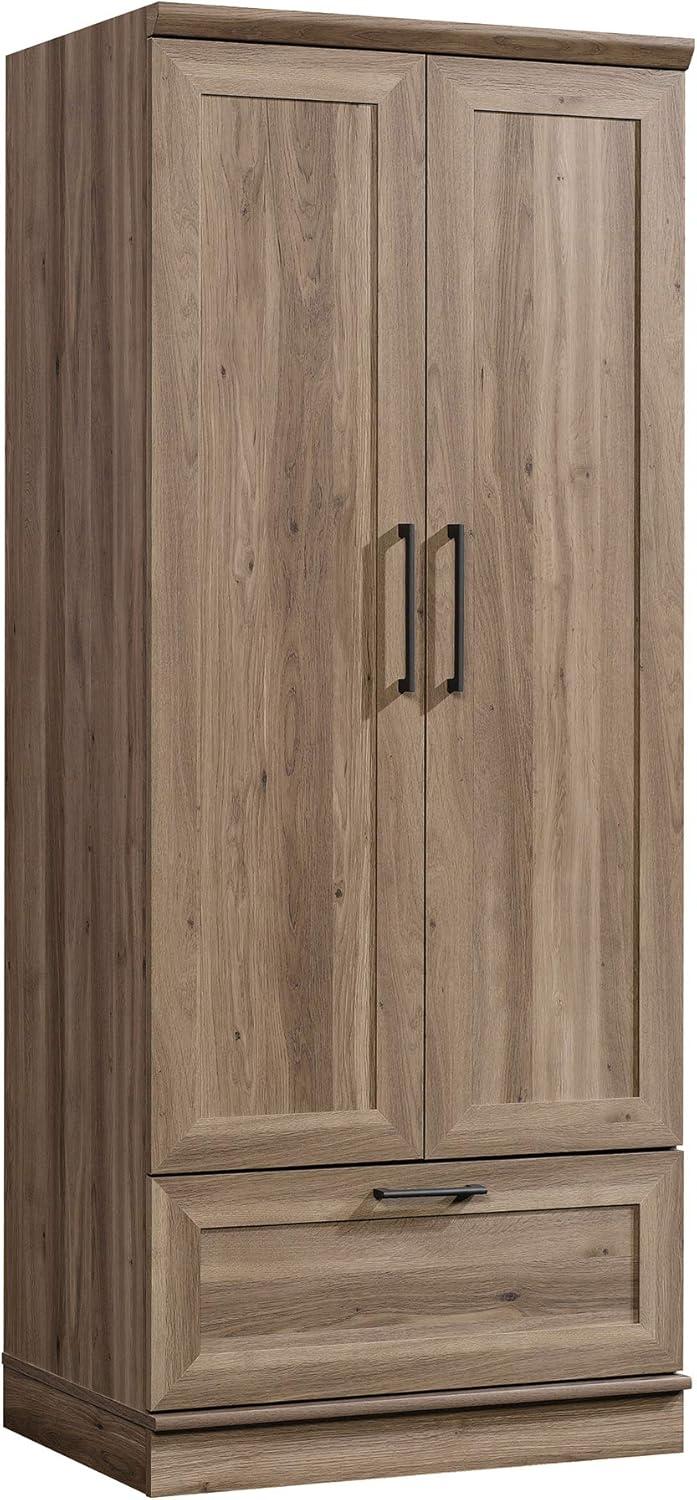
You’ll notice the oak-toned finish collects the kind of day-to-day marks that come from ordinary use: light dust settles across the top, tiny fingerprints appear near the edges of the doors, and areas you touch most—around the pulls and the door jamb—tend to look a hair shinier or a touch dulled compared with less-handled surfaces.After a few weeks of regular opening and closing,the surface can show faint scuffs where bags or boxes brush against it; these aren’t dramatic,but they make the finish feel a bit lived-in. There’s a small, automatic habit that kicks in—smoothing a fingertip along a seam or nudging a contact point—and that’s when you’ll most often reach for a quick wipe to keep things looking even.
The hardware and moving parts develop their own, quieter signals. Drawer runners keep the action smooth but attract lint and dust inside the tracks, so the glide can feel marginally heavier after months of use. Hinges may begin to whisper or click after repeated openings, and the adjustable levelers at the base can shift slightly if you move the piece while loaded. Metal surfaces around handles and runners show fine surface scratches over time, and the enclosed back panel’s cord access can pick up smudges where cords rub against it during everyday adjustments.
| Area | What you’ll notice over time | Typical small care you’ll find yourself doing |
|---|---|---|
| Finish | Dust buildup, occasional fingerprints, light scuffs near high-contact spots | Wiping with a soft cloth to even out sheen and remove surface dust |
| Drawer runners | lint or debris in tracks; glide can feel slightly less smooth | Clearing the track and removing trapped fibers so the drawer slides freely |
| Hinges & levelers | Minor creaks or slight loosening; base can need a tiny re‑adjust | Occasional tightening or repositioning to restore alignment |
Its Place in Everyday Living
After living with it for a while you notice how it eases into the room’s rhythms rather than making an entrance. The Sauder HomePlus Bedroom Armoire Wardrobe Closet Clothes Storage with Hanging Rail, Pantry Storage Cabinet with Storage Drawer, in Salt Oak sits quietly against the wall and, over time, gathers the small marks and softened edges that come from everyday use. In daily routines you find yourself reaching for the drawer and moving around its doors in a familiar way, and its surfaces catch light and the occasional scuff as part of regular household rhythms. It stays.
As an Amazon Associate I earn from qualifying purchases.