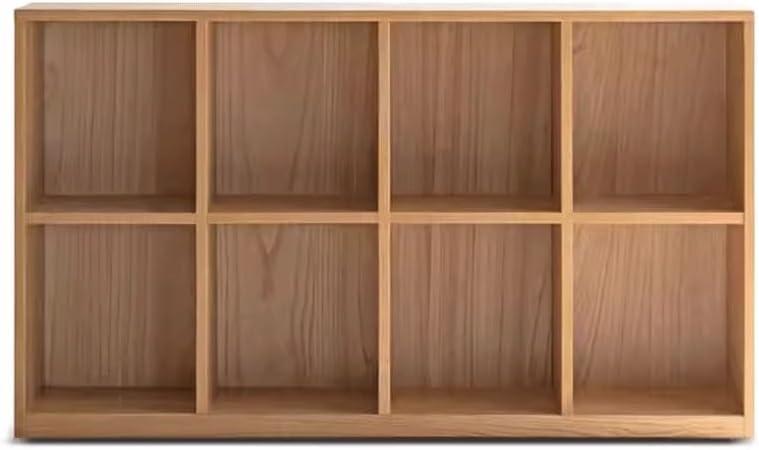
SONGCHAO Book Shelf: how it fits your narrow living space
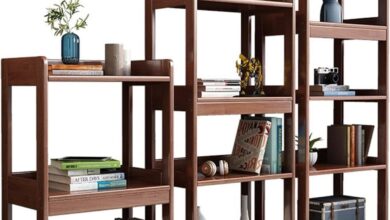
Light skims across teh shelves and brings out the warm, slightly matte grain of the SONGCHAO Book Shelf Solid Wood Bookcase — I’ll call it the SONGCHAO shelf. You notice how its low, waist-to-chest height and relatively shallow depth read more like a horizontal stage for objects than a towering cabinet. Slide your hand along an edge and the wood feels gently sanded; the evenly spaced cubes set a calm rhythm on the wall, letting books and a few ceramics sit without jostling. From a few steps back it keeps visual weight low and grounded, while up close the neat lines and solid-wood presence feel quietly deliberate.
When you first unpack it an immediate look at size color and layout
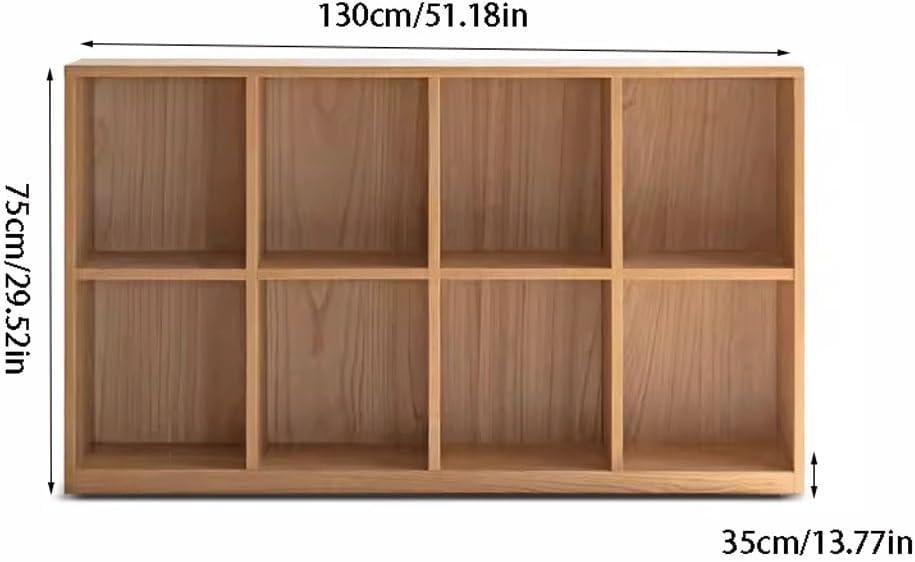
when you cut the tape and lift away the protective film, the first thing you notice is the unit’s footprint — it reads as a low, rectangular block rather than a towering bookcase. Unwrapping reveals the shallow depth right away: when you stand it on the floor and step back a pace, it tends to sit neatly against the wall instead of projecting far into the room. Your eye traces the evenly spaced vertical and horizontal dividers; the layout reads as a series of regular openings, a calm grid that organizes visual weight across the width.
The delivered color often looks slightly different from product photos under your room lighting. Under daylight it can show more of the wood tone and grain, while indoor lamps bring out a milder, more uniform surface. As you slide the unit into place you’ll find the lines feel very unified — you might smooth your hand along a top edge or nudge a divider to check alignment; small shifts can make the divisions appear a touch more precise or relaxed depending on how it sits. For swift reference, the dimensions you see on the label correspond with the unit’s presence in the room:
| Measured dimension | Label |
|---|---|
| Width | 130 cm (about 51.2 in) |
| Depth | 35 cm (about 13.8 in) |
| Height | 75 cm (about 29.5 in) |
In that first unpacking moment, the combination of shallow depth, regular compartment rhythm, and the actual surface tone under your lights gives you the clearest sense of how much visual and physical space the piece will occupy. Small, situational impressions — a corner that lines up with a skirting board, a color shift near a window, a divider that sits a hair off-square — tend to be what you notice first and then either live with or adjust over the next few minutes.
How its clean cube silhouette and open planes read in your living room or study
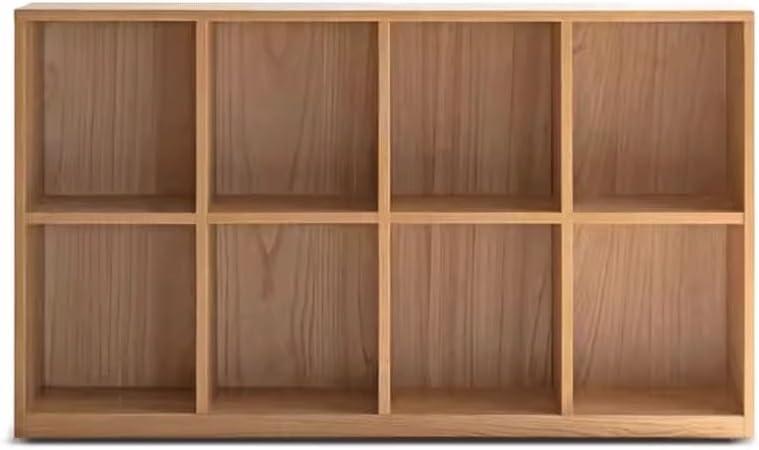
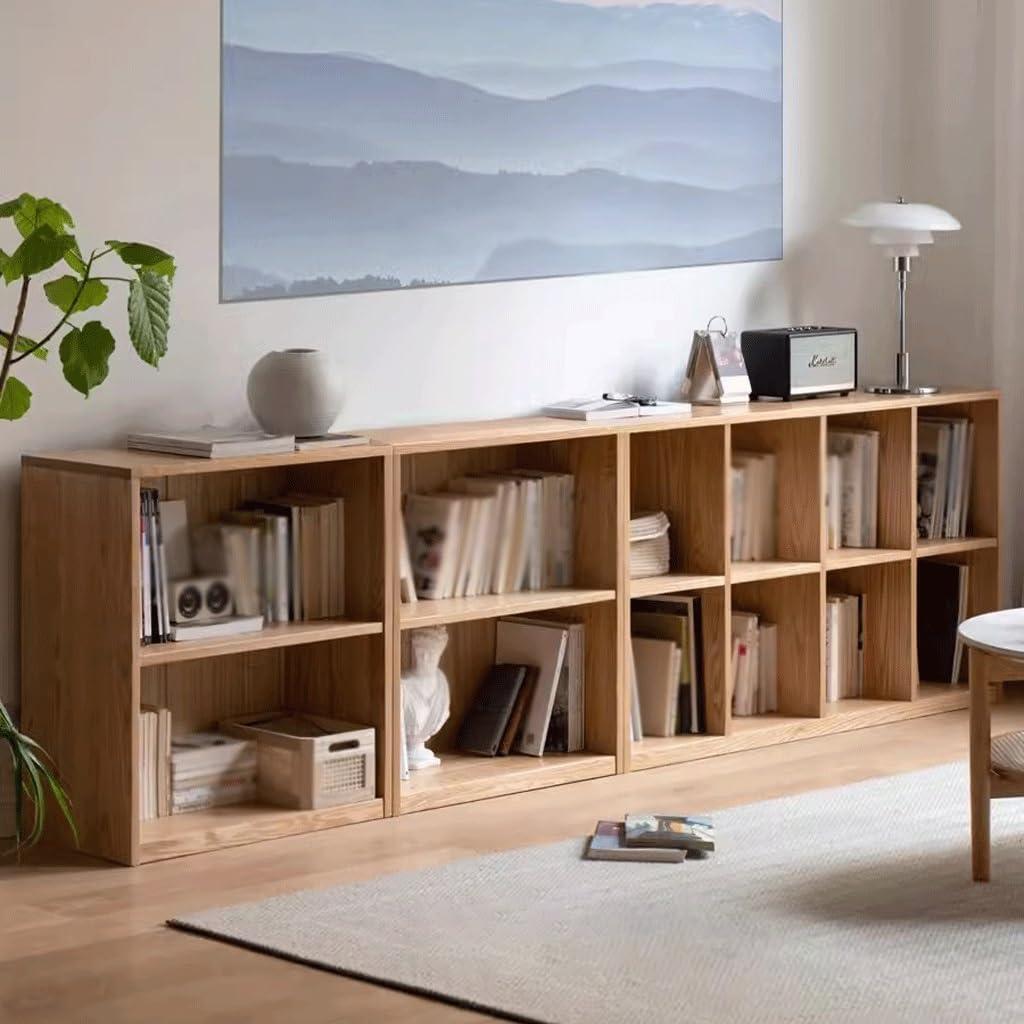
set into a living room wall or parked at the edge of your study, the bookcase reads first as a calm, geometric presence. The repeating cube openings break a wall into a regular rhythm, so when you glance across the room the piece reads more as a pattern than a pile of possessions. Because the faces are open, whatever you put in each compartment becomes part of that pattern—spines, ceramics, a lone plant or an empty void all register as individual notes in a grid. Light and shadow move through the planes, softening the edges in the afternoon and sharpening them under direct task lighting.
As you use it, little habits reveal themselves: you smooth a book’s spine before sliding it back, nudge a stack so the row looks even, or tuck a magazine into a cubby where the negative space makes the object look deliberate. The openness also means contents are always legible from a distance, so clutter doesn’t hide; that clarity can feel orderly, and for some households it tends to encourage periodic tidying. From different approach angles the silhouette stays straightforward—boxes within a frame—while the open fronts keep the piece visually light even when it’s filled.
What the solid wood panels joinery and finish reveal to you up close
When you crouch down and bring your face closer, the places where the panels meet become the story. Running a finger along a horizontal seam, you’ll notice whether the surfaces sit flush or present a faint ridge; in many spots the joint lines are almost invisible until the light catches a hairline gap. Small circular plugs or filled pinholes appear at a few connection points, and on some shelves you can see the darker end grain where boards were joined.If you nudge a corner while inspecting it, there’s sometimes the quiet give of a fastener or the whisper of tiny compression at the edge — little, everyday signs of how the pieces were fitted together.
The finish reads like a map under a lamp. from a short distance it looks even, but up close you can pick out the grain variations, tiny knots, and the faint traces of sanding or buffing that run along the panels. The coating feels smooth to the touch and slightly warm under your palm; it tends to show fingerprints or dust on horizontal surfaces more readily than on the vertical faces. Along the outer edges the finish softens over the bevels, where small scuffs and micro-scratches become more visible after handling or moving. Altogether, the joinery and finish reveal a mix of intentional smoothing and small, human-scale imperfections that become apparent only when you examine them closely.
Where it fits in your home and how the shelf depths and heights relate to your books
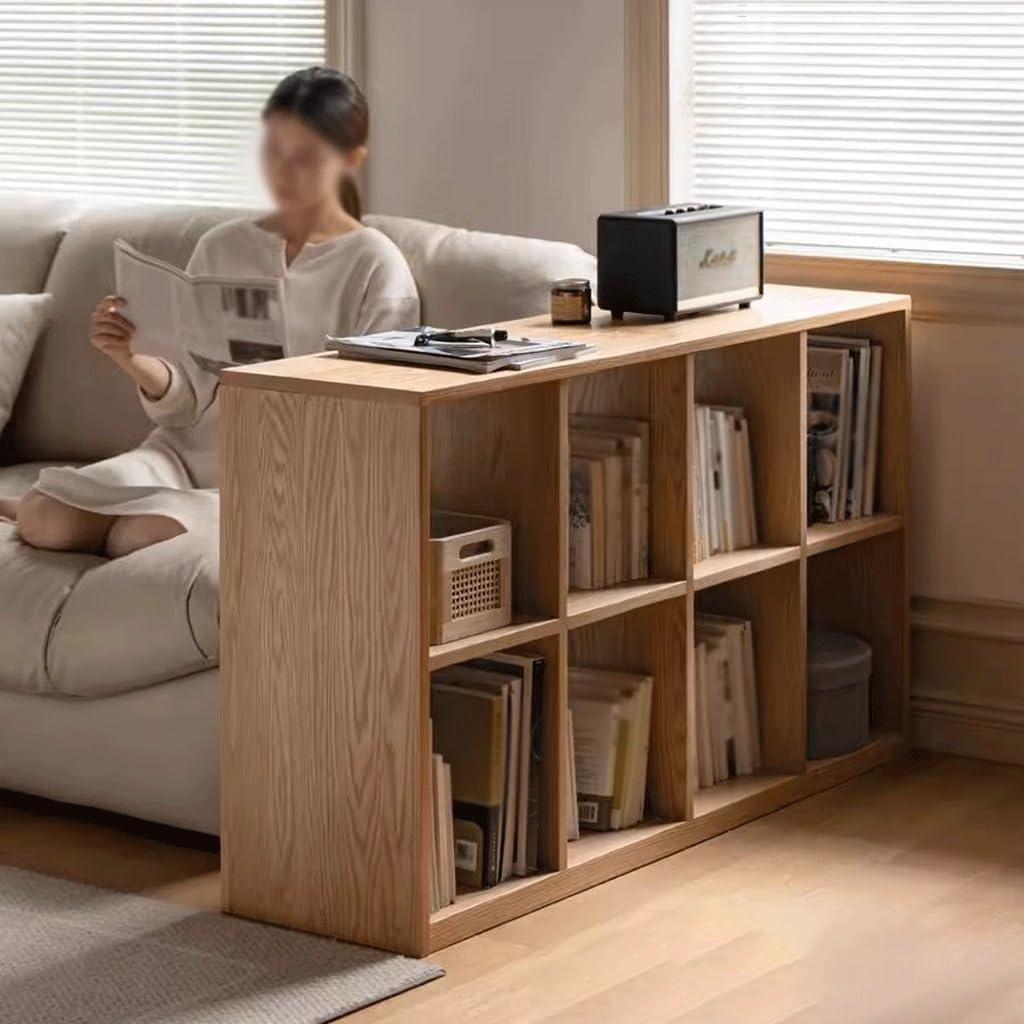
You can tuck the unit into narrow gaps—along a hallway, beside a sofa, or beneath a window—so it often feels like a built-in when placed that way. When you slide books onto the shelves they sit close to the wall and leave an unobtrusive walking line; the shallow footprint tends to make the piece disappear from view until you step close enough to reach for a title. Moving it around is straightforward, and in everyday use you’ll find the shelves work well as a quick-access surface in living areas and bedrooms where floor space is limited.
The relationship between shelf depth and book size shows up in ordinary handling: trade paperbacks and most hardcovers stand upright with a little clearance, while oversized art or coffee-table books commonly end up stacked or stored flat. Shelf heights are fixed, so taller volumes sometimes extend above the shelf edge or are placed on thier side; this is a frequent, practical response rather than a sign of damage. Light objects and small collectibles frequently enough sit at the front of a shelf, with taller books pushed to the back to keep the visual line low.
| Book type | Typical orientation on these shelves | Observed behavior |
|---|---|---|
| Paperback novels | Upright | Usually sit flush with modest headroom; easy to browse with one hand |
| standard hardcovers | Upright or slightly snug | Tends to stand upright but with limited extra space above the spine |
| Oversized/coffee-table books | Flat or stacked | Frequently enough laid flat or stored horizontally to avoid overhang |
| Children’s picture books | Upright or stacked | Some taller picture books may protrude slightly and are commonly stacked |
How you’ll handle it day to day assembly loading and moving
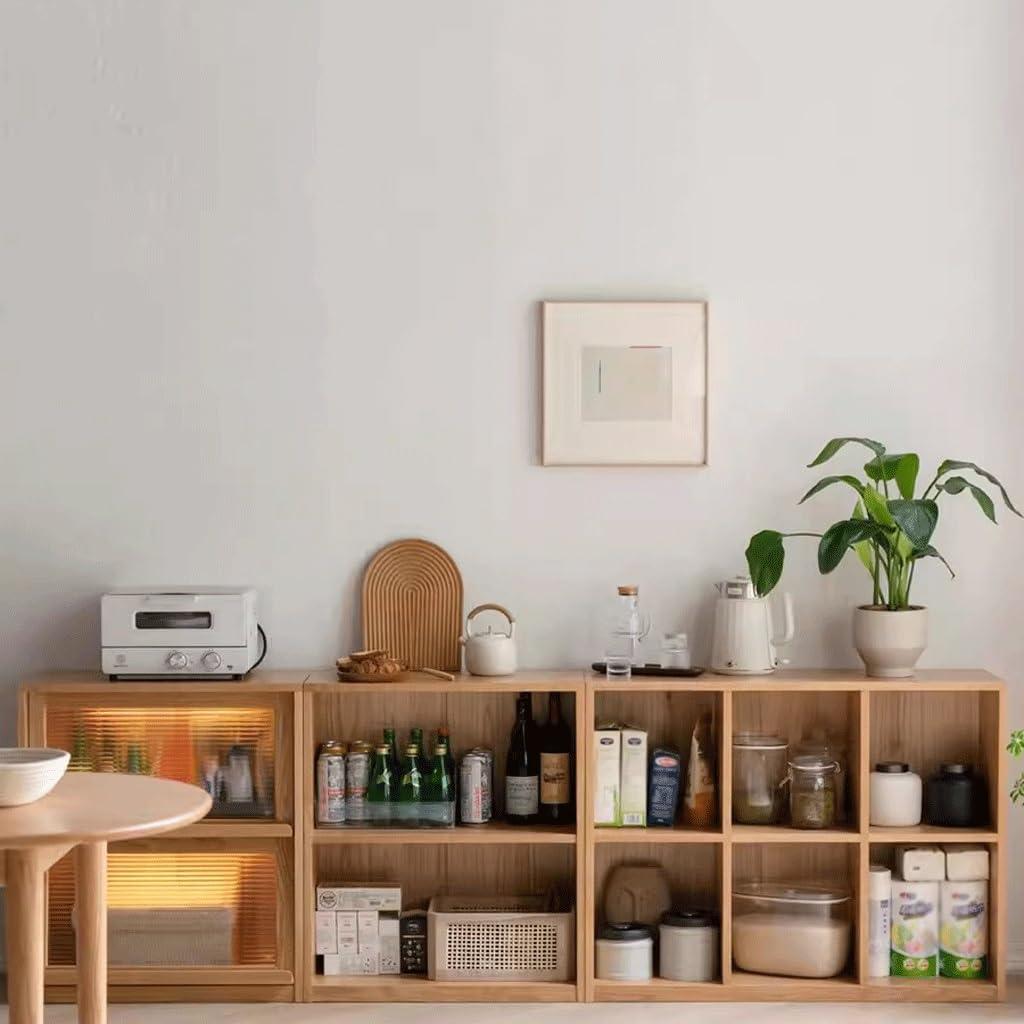
When you open the box you’ll likely spread the pieces out on the floor and sort the hardware by sight. Panels line up in a predictable order; as you bring one shelf toward another you tend to nudge dowels or cam locks into place and then work around the frame, tightening fasteners in stages so edges sit flush. It’s the kind of job where you pause to rotate a panel, smooth a corner with the heel of your hand, and double-check the alignment before the last screws go in — small, repetitive adjustments that make the finished unit read as a single plane rather than a stack of parts.
Once assembled and loaded, your handling habits show up: heavier loads usually end up lower and you find yourself shifting a row of books a little to rebalance a shelf, sliding a magazine stack forward so the display pieces stay visible. Short relocations around the room tend to be two-step affairs — tip slightly, walk the opposite side, straighten — and you notice the unit moves more readily when you lift from the solid top rail rather than from a single side panel. For longer moves, you tend to break down the routine into smaller lifts and steady grips, and you’ll often catch yourself checking that the contents haven’t shifted before setting the bookcase down again. Minor scuffs and small settling noises appear over repeated moves; they become part of the handling rhythm rather than sudden surprises.
How it actually suits your space and where practical limits become apparent to you
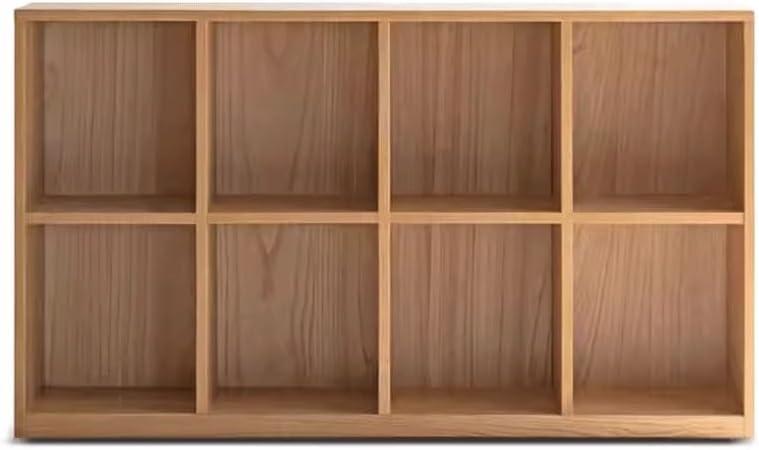
Placed in a living area, study, or hallway, the unit tends to read as a low, orderly plane: the shelving organizes small stacks and objects into neat columns without projecting far into a room.The shallow shelving keeps sightlines open in tighter routes and, when populated with books and small collectibles, the face of the piece looks unified rather than cluttered. Because the piece is relatively light, it often gets nudged along walls during routine tidying or room reconfigurations, and that movement changes how anchored it feels in the moment.
Practical limits show up in everyday use as predictable behaviors rather than sudden failures. Taller or deeper objects will sit awkwardly on the shelves or hang over the edge; as collections grow the unit’s mobility diminishes and the top shelves can feel more loaded than the lower ones, which can make the whole assembly less easy to slide. On uneven floors a subtle wobble can appear once the shelves are weighted, and very bulky items reduce the sense of openness the piece creates when sparsely arranged. these are observations of how the piece adapts to different rooms and routines,with trade-offs that become more noticeable as use shifts from display to heavy storage.
| Common placement behavior | practical limits observed |
|---|---|
| Runs along a wall, keeps aisles clear | Deep or oversized items overhang or look cramped |
| Easy to relocate when mostly empty | becomes harder to move once shelves are heavily loaded |
| Maintains a neat visual rhythm when lightly filled | Weighting upper shelves can create imbalance or wobble |
View full specifications and size options
How you care for the finish and what surface marks you may spot over time
Owners tend to keep the finish looking tidy with light,routine attention rather than heavy maintenance; in everyday use the surface mostly shows changes where it meets hands,cups,or moving objects. Areas that are handled often can lose a bit of sheen and attract faint fingerprints or slight dulling. Small scuffs and hairline scratches commonly appear on horizontal surfaces where books,decorative items,or boxes are slid into place,and the outer edges and corners may show more rubbing from lifting or repositioning the unit.
Apart from occasional surface abrasion, three other patterns are frequently noted: pale water rings or darker spots from damp items left briefly on the shelf, tiny chips from accidental knocks when the unit is moved, and gentle lightening of the finish in sections exposed to direct sunlight. Dust accumulates in the joints and cube corners in most households, which can make the finish read as less even until that dust is moved.These effects tend to develop slowly with normal use and are usually localized rather than uniform across the whole piece.
| Surface mark | How it tends to appear |
|---|---|
| Fingerprints / sheen change | Localized dulling on frequently touched spots or shelf fronts |
| Light scratches / scuffs | Fine lines where items are slid or dragged across shelves |
| Water rings / spots | Round marks or slight discoloration from brief contact with dampware |
| Edge wear / small chips | More visible on corners and outer faces after moving or bumps |
| Sun fading | Gradual lightening on surfaces exposed to direct sunlight |
How It Lives in the Space
You start to notice, over time, how the SONGCHAO Book Shelf Solid Wood Bookcase Modern Simple Low Bookcase Storage Cabinet Home Combination Bookshelf Floor-Standing Storage rack Cube Storage Organizer settles into the cadence of the room: books leaning a little to one side, a mug left on the lower shelf, corners that soften with light scuffs. In daily routines it becomes part of how you move through the space, shifting the path you walk and catching small stacks that accumulate as the room is used. Its surfaces take on the mild wear of regular household rhythms, and the way it holds things feels quietly familiar rather than deliberate. Gradually you notice it simply stays.
As an Amazon Associate I earn from qualifying purchases.